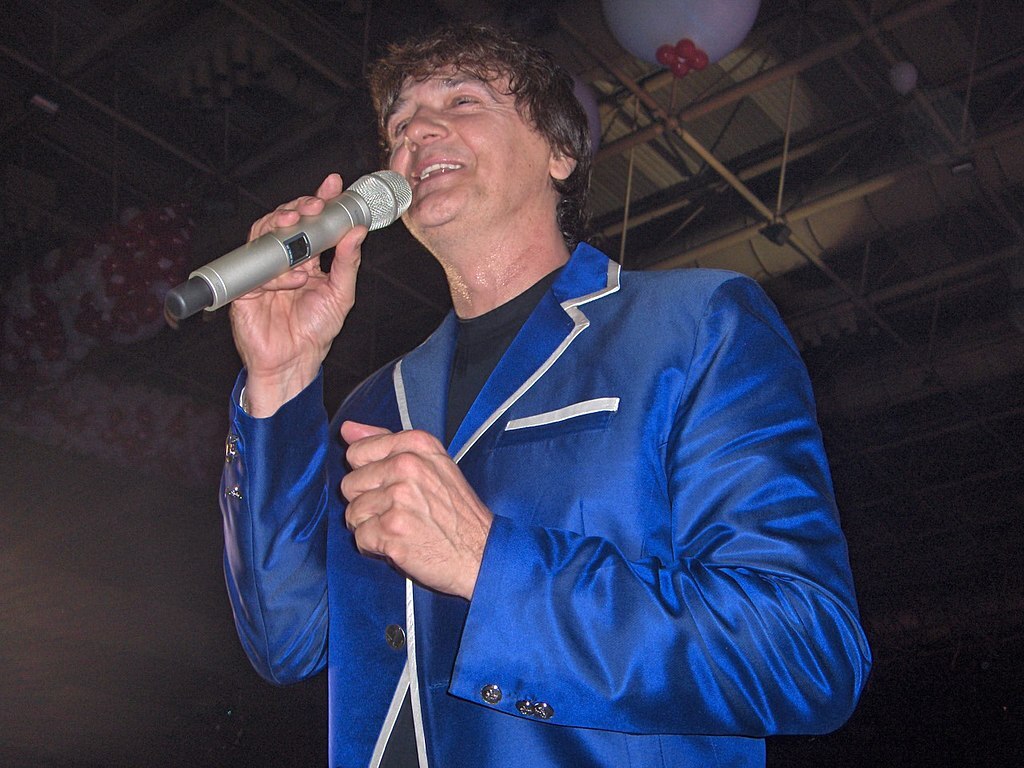
Zdravko Čolić Biography, songs — These words are often sought after by fans who want to know more about the life and musical opus of one of the biggest stars of the former Yugoslavia. This article provides a detailed overview of his childhood, breaking into the scene, key songs, albums, concerts and cultural influence. The text is written clearly and accessible, and aims to provide useful and accurate information without unnecessary repetitions.
A short overview (who is Zdravko Čolić)
Zdravko Čolić was born on May 30, 1951 in Sarajevo. Known by the nickname Čola, he made a career that lasts more than five decades and won the hearts of audiences around the region thanks to his warm voice, stage charm and wide repertoire — from pop and disco rhythms to emotional ballads. His songs have often become evergreens, and many new generations still listen to them today.
Early life and musical beginnings
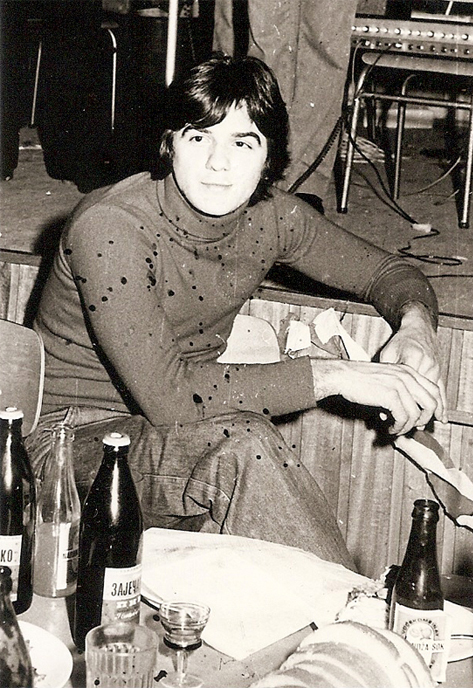
Zdravko grew up in Sarajevo in a family where he did not grow up with professional music, but he showed an early penchant for art and sports. As a teenager, he was active in school performances and local bands; He gained his first serious recognition through performances at festivals and in bands that opened the door to his professional career. In his first musical years, he was a member of several bands, which allowed him to develop stage performance and vocal style.
First bands and festival successes
Early performances at festivals gave him the opportunity to work with prominent authors and producers of that era, especially with Korneli Kovač and Kemal Monten. Participation in festivals contributed to its statewide recognition and led to calls for larger television shows and tours. His appearance on the pop-rock scene in the 1970s was a trigger for later individual success.
Real breakthrough: Eurovision and solo career
One of the key moments in Zdravko Čolić’s career was his performance at the Eurovision Song Contest in 1973 with the composition “Gori Vatra” (author Kemal Monteno). Although the song did not win a high place in the international competition, the Eurosong brought him great exposure and ensured a mass audience throughout Yugoslavia at the time. That performance is considered a milestone that accelerated his transition to the status of a big star.
After the Eurovision Song Contest, Čolić quickly consolidated his career as a solo artist and recorded a series of albums that became very popular. His stage image, a combination of romance and charisma, was accompanied by a strong commercial success of sales of records and tickets.
Most famous songs and music hits
Zdravko Čolić Biography, poems — Throughout his career, he wrote, sang or popularized many songs that today are part of the musical memory of the region. Some of the most recognizable are:
- You are in my blood — It is often cited as one of the most emotional and famous ballads in the region; a song that became a symbol of Čolić’s interpretative power.
- Hug me, mad head, I sing during the day, I sing at night — Hits that marked the late 1970s and early 1980s and showed the range of his musical expression.
- CELL SUBLIGHT — A song that has gained very wide popularity and is often performed on radios and concerts.
His songs often combine emotional lyrics and melodious arrangements, which makes them suitable for a wide range of listeners — from romantic ballads to more dance-dominated compositions.
Discography: The most important albums and stages of career
Zdravko Čolić Biography, songs and albums make up the chronology of his artistic growth. Among the key releases are:
- You and me (1975) — early solo work that confirmed him as a pop performer.
- if you come closer (1977) — an album that further raised his popularity and brought several hit singles.
- Because of you (1980) and Turn up the radio a bit (1981) — Confirmation of a stable career, with songs that remained on the plejist for a long time.
- You are in my blood (1984) — album and title song that became a classic.
- later albums like Okano (2000), Homeland (2006) and That little luck (2017) show how Čolić managed to remain relevant through changes in musical taste.
These albums represent turning points in his work and often contain songs that have survived decades on radio lists and in the hearts of the audience.
Performances and tours
Known for his charisma and connection with the audience, Zdravko Čolić held countless concerts and big tours that showed his massive appeal. His performances were often events with hundreds of thousands of visitors to stadiums and arenas throughout the region. Tours such as “Okano Tour”, “Zavičaj Tour” and later projects attracted a lot of media attention and proved the durability of its popularity over generations.
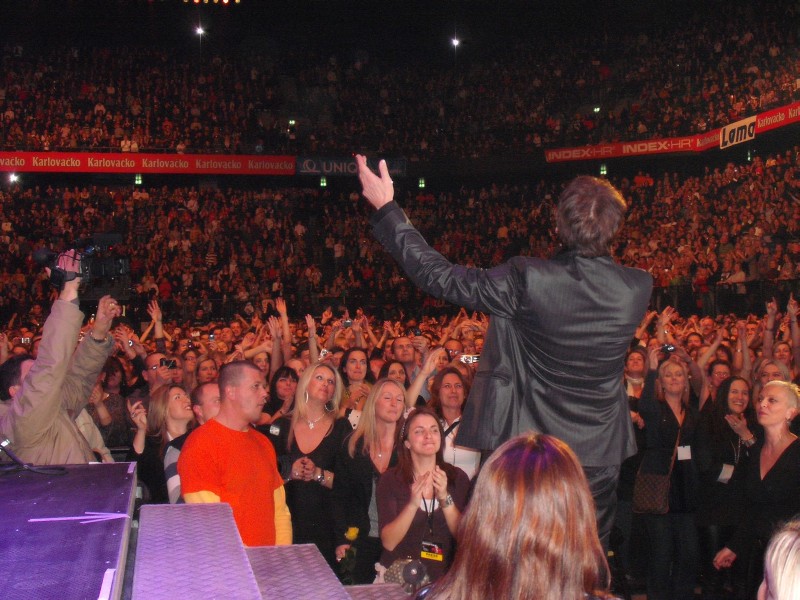
Čolić’s concerts often combine nostalgic memories of older hits and new performances, thus keeping the interest of both older and younger audiences. His way of interacting with the audience and on stage professionalism contributed to the status of one of the most sought-after performers in the region in the long run.
Collaborations, authors and musical style
During his career, Čolić collaborated with numerous authors who shaped his sound: Kornelije Kovač and Kemal Monteno are among the most prominent. These authors often wrote songs that fit perfectly into Čolić’s vocals and stage performance. His style changed over the years—from pop and rock elements in the 1970s to more sophisticated arrangements and the influence of contemporary pop production in later stages.
The musical temperament of Čolić is characterized by emotional interpretation, clear intone and the ability to turn a simple melody into a touching moment — qualities that made many songs evergreens in the region.
themes in songs
Zdravko Čolić’s songs often thematize love, memories, nostalgia and emotional situations — universal themes that reach a large number of listeners. His artistic power is especially evident in ballads, but he is also successful in more rhythmic compositions that conquered dance floors and radio frequencies. Čolić’s texts are usually approachable, often filled with lyrical images and simple but effective choruses.
influence and inheritance
Zdravko Čolić Biography, songs and concerts made him a cultural phenomenon of the region. His influence can be seen in numerous younger performers who cited him as inspiration, in often reinterpreted songs and in the presence of his hits in the media space and on private playlists. Čolić remained a visual and sound icon, whose opus is still listened to on the radio, streaming services and at concerts.
Private life and values
Despite his great popularity, Čolić tried to maintain a certain privacy during his lifetime. His views and interviews often show a person oriented towards family, professionalism and respect for the audience. Moving to Belgrade at a time of great political changes in the region meant adaptation, but not a break in his musical career.
How and why to listen to Čolić today?
Zdravko Čolić Biography, poems — the reason why his songs remain popular lies in their universality. If you are looking for emotional ballads, quality melodies and performances that convey a feeling, Čolić’s discography offers plenty of such moments. His songs are also a good introduction to the pop music of the region in the 1970s and 1980s, but also an example of how the performer can renew his repertoire through decades.
Zdravko Čolić Biography, songs and overall career testify to a performer who knew how to convey emotion and build a lasting connection with the audience. Through more than half a century of creation, he left a legacy of songs that became part of the everyday life of many listeners. Whether you want to explore his early work, listen to megahits or experience his live concert, Čolić’s music still speaks loudly and clearly for generations of music lovers.
Sources:
- Zdravko Čolić — official biography. zdravkocolic.com. zdravkocolic.com
- Zdravko Čolić — Wikipedia (English). Wikipedia
- “Station Podlugovi” — official video/performance (example of the song). YouTube
- Eurovision Records — Zdravko Čolić (1973).
https://www.eurovisionuniverse.com/encyclopedia/zdravko-colic/ - Concerts and tours — Live Nation / event scrolling.
https://www.livenation.com/artist/k8vz9178p5v/zdravko-colic-events
Cover photo: Zvonko, CC BY-SA 3.0, Via Wikimedia Commons