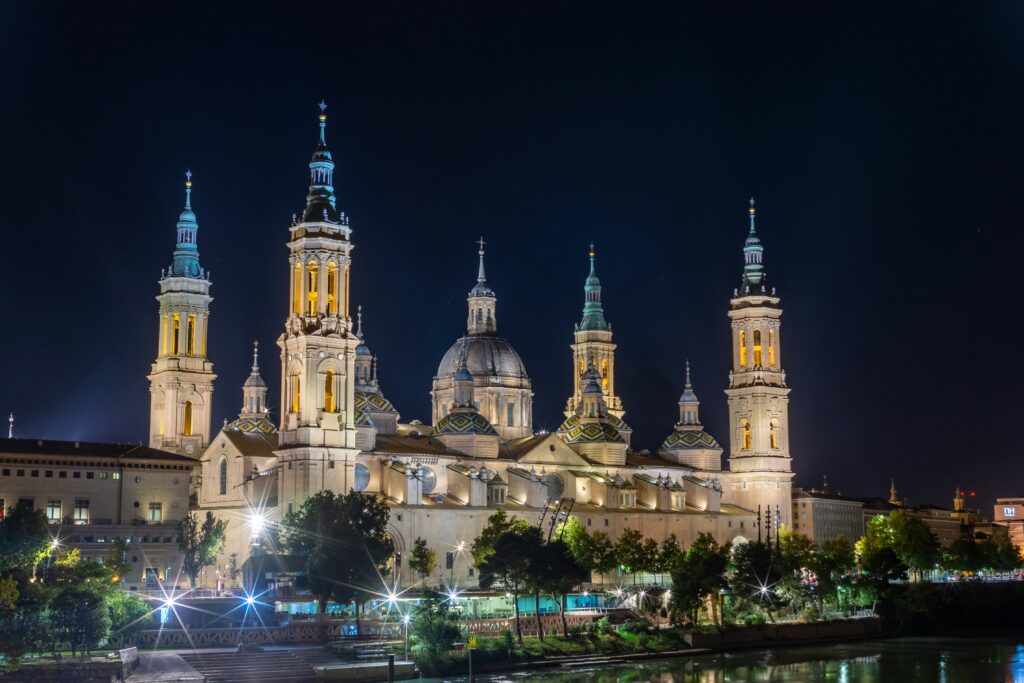
Promenades along the coast, beaches, bridges and a spaceship-like building radically change the face of Zaragoza. Several billion euros were invested in the Expo, under the motto ‘water and sustainable development’.
From a distance it looks as if a giant spaceship landed above the Ebro River. Even up close, the shiny bridge pavilion of Iraqi star architect Zaha Hadid seems unreal.
The imposing building, shaped like open gladioli, stretches across the river over a length of 280 meters and is a feature of the world exhibition in Zaragoza, in the northeast of Spain, which opens its doors this Saturday. For three months, the first Expo in Europe since Hanover in 2000 will focus on the topic of ‘water and sustainable development’.
However, it was the rain that created a difficult situation for the organizers until the very end: after the most abundant rains in almost 100 years, the Ebro River overflowed its bed and flooded parts of the exhibition space, located in the bend of the river, making the work seriously difficult. ‘Under these circumstances, it is a wonder that we finished on time,’ admits the director of the exhibition, Roque Gistau.
smaller than Hanover
The exhibition, which lasts until September 14, may be smaller than the one in Hanover, but it still fundamentally changed the face of Zaragoza. A total of 3.5 billion euros of public and private investments poured into the fifth largest Spanish city for Expo.
While before approximately 650,000 inhabitants lived with their backs to the richest river in the country, Ebro now lures visitors with its 16 kilometers of coastal walks, green areas, a 120-hectare park, beaches and bicycle paths. In addition, there are new bridges, a new airport terminal and a new convention center. ‘Expo is a jump forward of 15 years,’ says Mayor Juan Alberto Belloch proudly.
Criticism by environmentalists
But there was also criticism. Some environmental groups found it hypocritical that a country with such a high rate of water dissipation as Spain would host the Expo under this motto. ‘This is not sustainable, it is unsustainable,’ said the Ecologistas En Acción organization.
The ‘green’ theme served as an excuse to pour a ton of concrete and build a massive speculative project. There were also protests against the construction of a river dam that would make Ebro navigable for leisure boats. Greenpeace refused to participate in the Expo. However, more than 200 other environmental and non-governmental organizations, including WWF and BirdLife, are represented.
On an area of 25 hectares, 105 participating countries will be presented, together with the problems and solutions of their countries in connection with (drinking) water. The German pavilion will invite visitors to a futuristic raft ride through the world of water, presenting the latest technologies for the responsible use of this vital element.
a huge freshwater aquarium
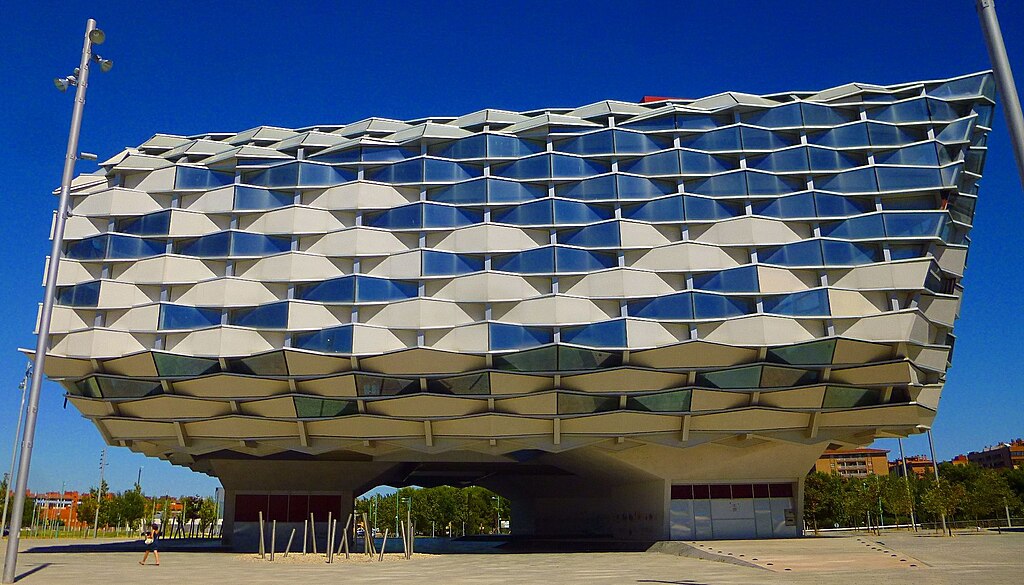
One of the main attractions for the approximately four million anticipated visitors to Expa is Europe’s largest freshwater aquarium. It houses 5,000 fish and other aquatic animals from five rivers from all continents: the Nile (Africa), Mekong (Asia), Amazon (America), Darling-Murraya (Australia) and Ebra (Europe). Architectural highlights include the Zahe Hadid Bridge, the Aragon Pavilion, which resembles a giant wicker basket of reeds, and a Spanish pavilion, whose columns covered with clay are modeled after the model of the poplar forest.
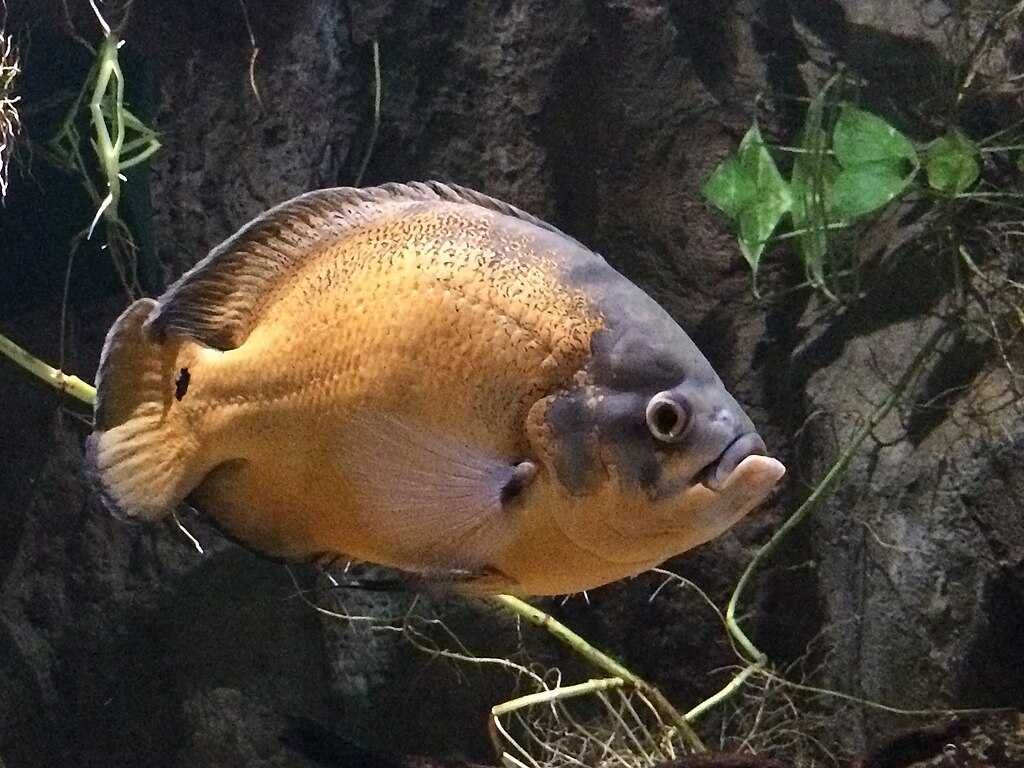
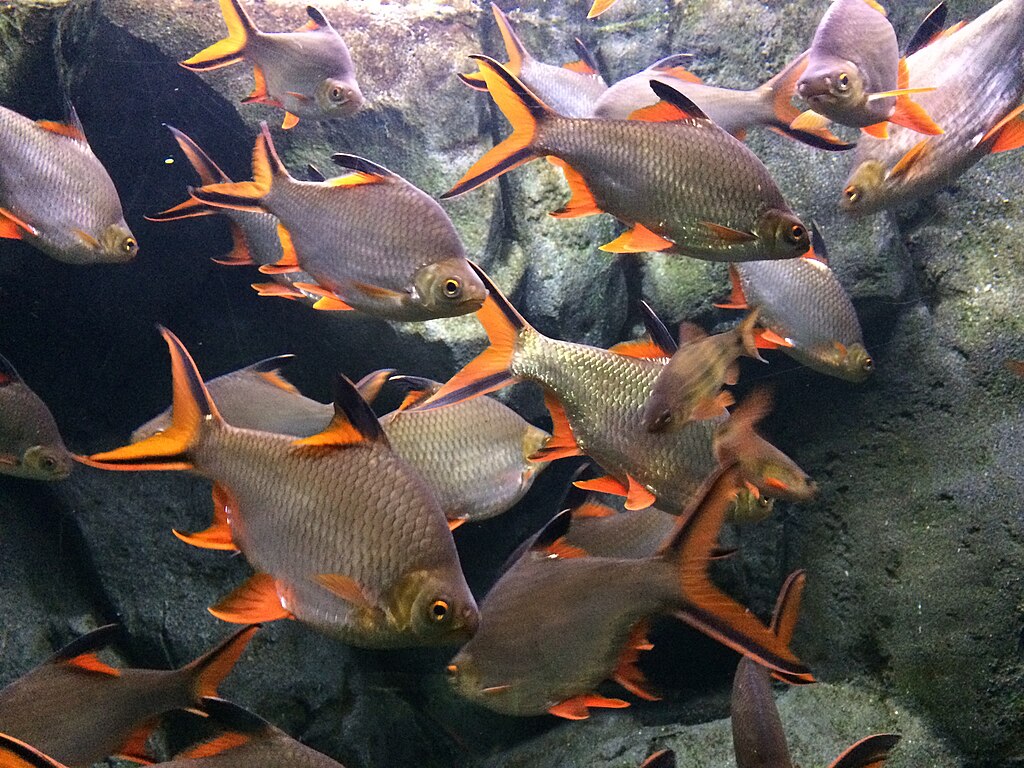
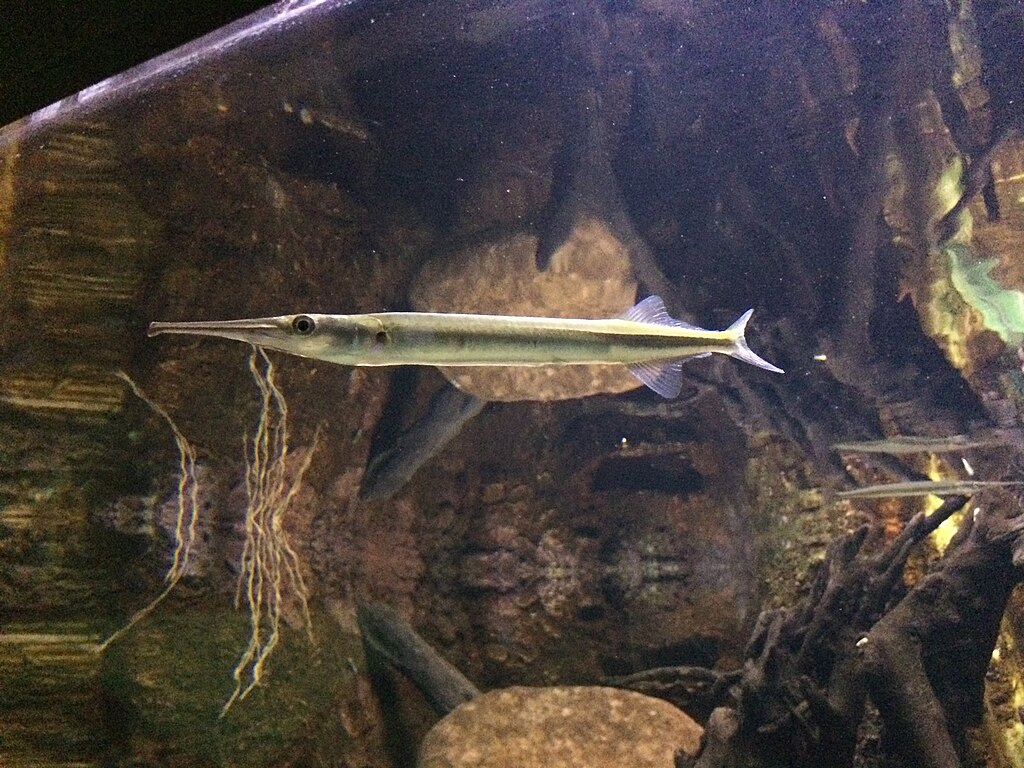
The tallest building made of mud in the world and a 78-meter high ‘water tower’ are also impressive. It resembles a drop from above and has an internal cavity the size of a Gothic cathedral. Last but not least, the exhibition contains nearly 5000 music, dance and theater performances and concerts, from Iggy Pop to Youssou nDoura and Montserrat Caballé. Many of them are held on the river bank – when the Ebro River allows it.
Cover photo: Photo by David Vives he unsplash