Many people who feel tension, concern or fear wonder if there are Without a prescription anxiety pills. Unfortunately, Anti-anxiety medicine Which you can buy without a prescription practically does not exist, because most anxiolytics (such as benzodiazepines or antidepressants) strongly affect brain chemistry and require a follow-up doctor. Experts advise that anti-anxiety drugs are prescribed only when necessary and under supervision. On the other hand, there are numerous Natural remedies and dietary supplements which can help reduce anxiety symptoms. In this article, we will explain how anxiety occurs, which drugs are most often used (with a prescription), and what are the options without drugs – from herbs and supplements to relaxation techniques.
What is anxiety?
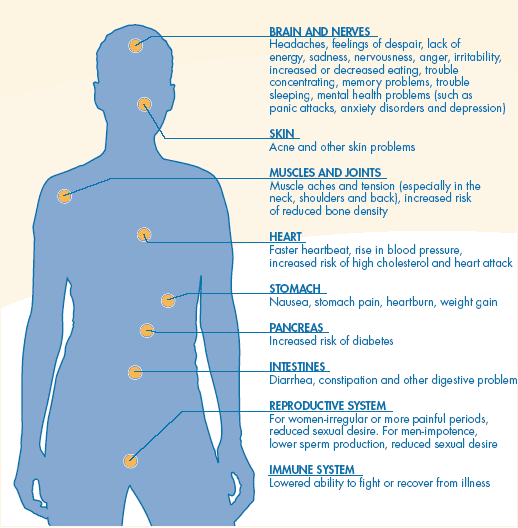
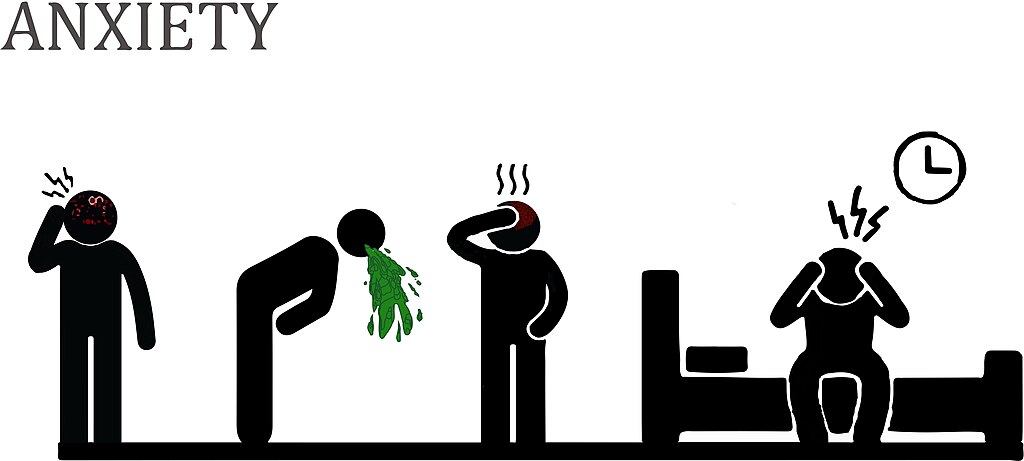
Anxiety or anxiety is a normal reaction to stress, but it becomes a disorder when it is constant and interferes with everyday life. It is believed that about 10-30% of the population experiences some form of anxiety disorder during their lifetime. Physical symptoms can include rapid heartbeat, sweating, tremors and digestive problems, and mentally – a feeling of constant concern, fear or uncertainty. When symptoms become intense or frequent (such as panic attacks), it is important to seek professional help.
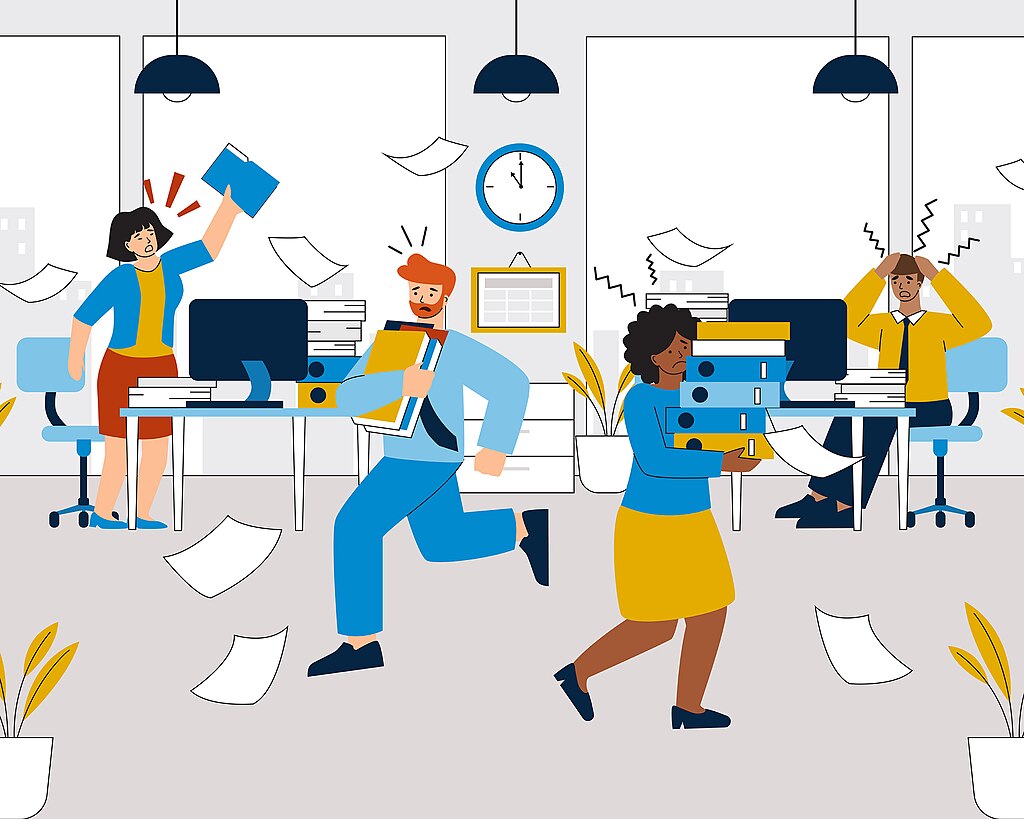
Remedies for anxiety
For moderate and severe forms of anxiety, doctors often prescribe medication. Most often they are benzodiazepines (anxiolytic drugs such as diazepam or alprazolam) and antidepressants (especially SSRI and SNRI). Benzodiazepines quickly relieve symptoms (calm anxiety and muscles), but tolerance develops easily on them: during use, an increasing dose is needed for the same effect, and 30-40% of users after 4-6 weeks may develop addiction. For this reason, they are recommended only for a short time for acute episodes of anxiety.
Long-term therapy is usually carried out with SSRI/SNRI antidepressants (eg sertraline, escitalopram, venlafaxine). They have a selective effect on neurotransmitters in the brain and they do not cause tolerance as benzodiazepines. As a basic therapy, they have a high success rate – about 70% of patients achieve remission of symptoms in about two months. Side effects are possible (nausea, insomnia, appetite changes), but drugs are relatively safe for longer use. Along with medication, psychotherapeutic methods (cognitive-behavioral therapy) and coping techniques (eg relaxation and breathing exercises) are important. This combination often gives the best results.

Without a prescription anxiety pills
pharmacies can be found food suplements and herbal preparations that are advertised as ‘calming tea’ or ‘stress supplement’. However, A true non-prescription anxiolytic does not exist. According to experts, anxiety pills always change brain chemistry and therefore cannot be completely without side effects. Doctors and psychiatrists therefore do not risk releasing such drugs without a prescription. However, some natural foods and supplements can have a mild soothing effect and help with anxiety. This includes:
- Herbal teas and supplements: Chamomile, lavender and lemon balm teas (Melissa officinalis) are known for their mild sedative effect. Tinctures or extracts of valerian and passionflower (plants with a calming effect) can also help with nervousness.
- Magnesium and vitamin supplements: Deficiency of magnesium, vitamin B (especially B6 and B12), and vitamin D is associated with greater anxiety symptoms. Magnesium supplementation can regulate the nervous system, and B vitamins help produce mood-regulating neurotransmitters. Some studies suggest that people with anxiety often have a lack of vitamin B12.
- essential fatty acids: Omega-3 fatty acids (from fish oil or seeds) are key to brain health and can alleviate anxiety, especially in those with an already existing disorder.
- Probiotics and nutrition: The connection of the brain and intestines suggests that a good intestinal flora can have a positive effect on mood. Research is still ongoing, but a balanced diet (rich in fruits, vegetables and healthy fats) generally reduces stress.
- Hobbies and routines: Although it is not a ‘medicine’, the structure of the day and pleasant rituals (i.e. a peaceful walk, reading, music) can indirectly reduce tension.
These natural strategies do not change the chemistry of the brain as prescription drugs, so they are much safer, but their effect is milder and slower. Anyone can try these supplements, but consulting a doctor is recommended – especially if you are already taking certain medications (eg vitamin B6 can intervene in the work of certain medications). It is also important to pay attention to the quality of the product: choose proven brands with a certificate and correct dosage.
lifestyle changes and relaxation techniques
To permanently reduce anxiety, it is crucial to combine medicines/supplements with changing habits and regular exercise. Studies show that just one training perimeter is enough to temporarily reduce anxiety, while long-term regular exercise improves mental health in the long run. In addition to aerobic activity, they are also useful Breathing exercises, meditation and yoga, which promote relaxation and calmness. For example, the deep breathing technique helps to slow down the work of the heart and activate the parasympathetic, thus reducing the feeling of panic. Cognitive-behavioral therapy (CBT) and autogenic training teach you how to recognize and control negative thoughts, and are combined with relaxation and breathing.
Here are some recommendations for daily anxiety management:
- Regular physical activity: Walking, running or exercising reduces stress hormones and increases endorphins. Research says that even 150 minutes of moderate exercise per week significantly improves mood.
- A balanced diet: Eat regular meals (food rich in vegetables, protein and whole grains) to avoid sudden sugar drops that can trigger anxiety. Drink enough water, and avoid or limit caffeine and alcohol – they can worsen anxiety symptoms.
- Quality sleep: Lack of sleep increases nervousness and interferes with mood. Maintain a well-established sleep schedule: Go to sleep and wake up at about the same time, avoid using the screen before sleep and maintain a cool, dark bedroom.
- Breathing techniques and meditation: Spend a few minutes in conscious breathing every day. For example, with a longer exhalation (eg exhaling for 4 seconds, exhaling for 6 seconds) you activate the calming mechanism. Meditation and mindfulness help direct thoughts and reduce the rapid responsiveness of the brain to stress.
- Aromatherapy and relaxation: The scents of lavender and citrus (such as orange or bergamot) are proven to relax – aromatherapy with essential oils can reduce anxiety. Short breaks with a scented candle or diffuser can calm the nerves.
- Social support: Talking to close people or supporting the group can make a sense of isolation much easier. Sharing worries and fears is often the first step towards overcoming anxiety.
- Professional help: If symptoms worsen, consider psychotherapy (eg cognitive-behavioral) – it is very effective in “Win Anxiety Without Drugs”. Also, techniques such as progressive muscle relaxation or exposure therapy can gradually reduce fears and tension.
Conclusion and advice
In short, There are no magic pills for over-the-counter anxiety, but there are a multitude of natural remedies, supplements and techniques that can help control symptoms. Prescription drugs (most often benzodiazepines and antidepressants) keep their place in therapy and are effective in alleviating the condition, but require professional supervision. On the other hand, Natural approaches – From a balanced diet and regular exercise to herbs such as valerian and chamomile – they can provide significant relief without major risks.
We recommend that, with the advice of a doctor, you try a combination of methods: regular exercise, enough sleep and relaxation techniques, with possible dietary supplements (magnesium, B vitamins, omega-3). Learn breathing techniques and, if necessary, seek psychotherapy support. Persistence in lifestyle changes often gives the best results in the fight against anxiety. Consult your doctor or pharmacist Before taking any supplement, to make sure it is safe for you. Over time, with the right strategies, you can significantly improve your condition and restore a sense of control and calmness.
Call to action: If anxiety prevents you from everyday life, consider consulting a therapist or psychiatrist. With professional help and your own efforts (diet, exercise, relaxation), step by step you can achieve a more peaceful and safer life.