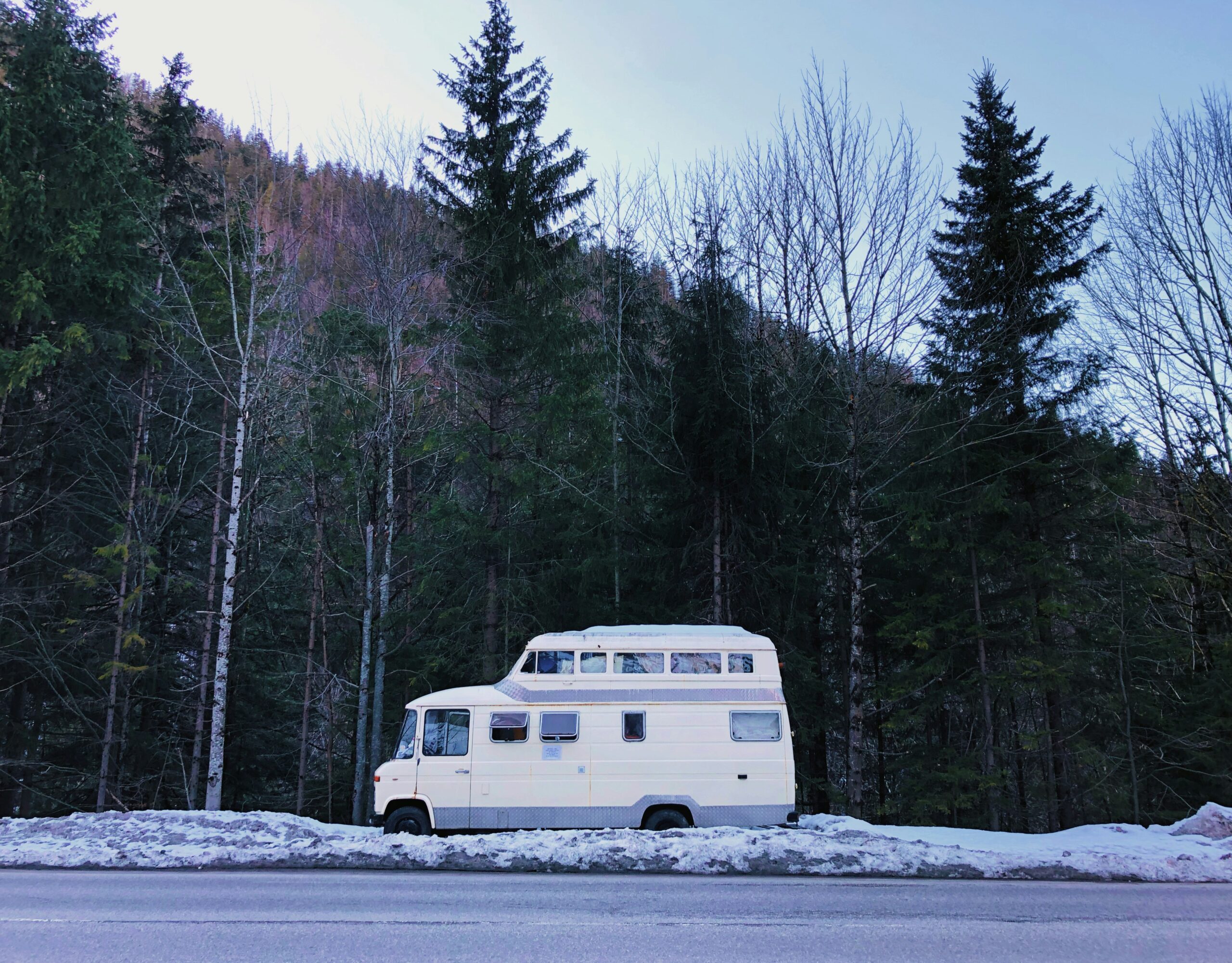
Snow-covered forests, a lonely lake. A winter vacation with a camper can be extremely attractive – if you prepare properly. Otherwise, you risk cold feet and frozen pipes.
Snow vacation has a special appeal for many people. They are not only attracted to Alps winter sports fans or low mountain ranges around Christmas and New Year. More and more camper fans are also enthusiastic about winter vacations – whether with skis and snowboarding. Anyone who goes on winter camping for the first time should keep in mind some tips. Otherwise, it could be more irritated by cold feet and frozen water pipes than enjoying snow and icicles.
First, it is important to know what type of vehicle you actually have. According to Ralph Binder of the Caravanian Industry Association (CIVD) in Frankfurt am Main, campers are divided into winter-ready models and winter-resistant models.
Today, almost all campers are at least winter-resistant, says Binder – except for a few cheap models of vans with poorly insulated tin walls. Although winter resistant vehicles can be used for winter vacations, Binder says they are ‘not suitable for the Arctic Circle’.
There are no frozen pipes
This is more suitable for winter-resistant vehicles: they have a heated raised floor in which there are water and sewage pipes, as well as a tank for fresh water. This means that pipes and tanks cannot freeze even at temperatures below zero, explains Binder. These vehicles are also better insulated from the cold because their walls are thicker. And they usually have an auxiliary heater. This means that passengers can walk around the living room in socks without freezing their legs. Heating systems in today’s campsites are easy to deal with winter cold.
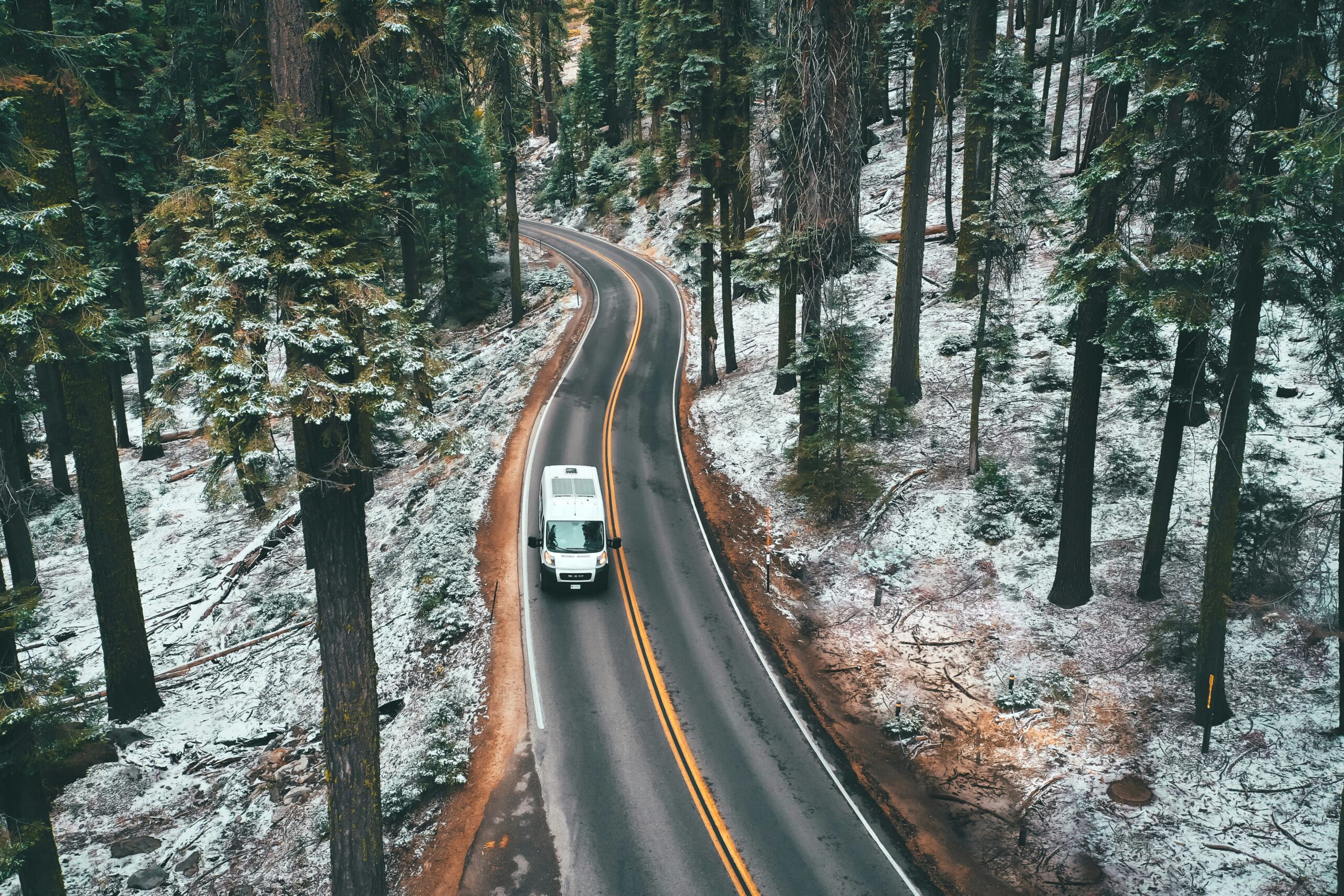
‘They can bring the vehicle from below zero to 20 degrees Celsius within two hours,’ says Viktoria Groß of the German Camping Club (DCC) in Munich. Since heating is usually powered by propane gas, ‘you should ensure access to the gas,’ advises Groß. The consumption should not be underestimated: according to ADAC in Munich, the content of a propane bottle of eleven kilograms is quickly consumed – it only lasts about two to three days.
Recommended camping site
Viktoria Groß recommends going to the winter camping camp: ‘These places offer good infrastructure. This is doubly important in winter.’ Not only is the fuel supply guaranteed, but tourists will also find facilities such as restaurants and saunas, which is especially useful after skiing. There are often bus connections to the ski resort, so you can leave your vehicle in the camp. However, it is important to reserve seats in advance, because they fill up quickly in winter.
Before departure, the camper must prepare for winter conditions. This includes the installation of winter tires (in some winter sports abroad, winter tires are mandatory!), refills of coolant and windshield washing system with antifreeze, and filling of vehicle batteries.
snow chains in a vehicle
According to Victoria Groß, snow chains should also be on board. Camper owners should practice putting them before departure, so that they can be quickly and easily adjusted in case of emergency at the snowy mountain pass. Ralph Binder recommends owners of older, less winter resistant campers to turn off the water system and empty the tanks to prevent freezing.
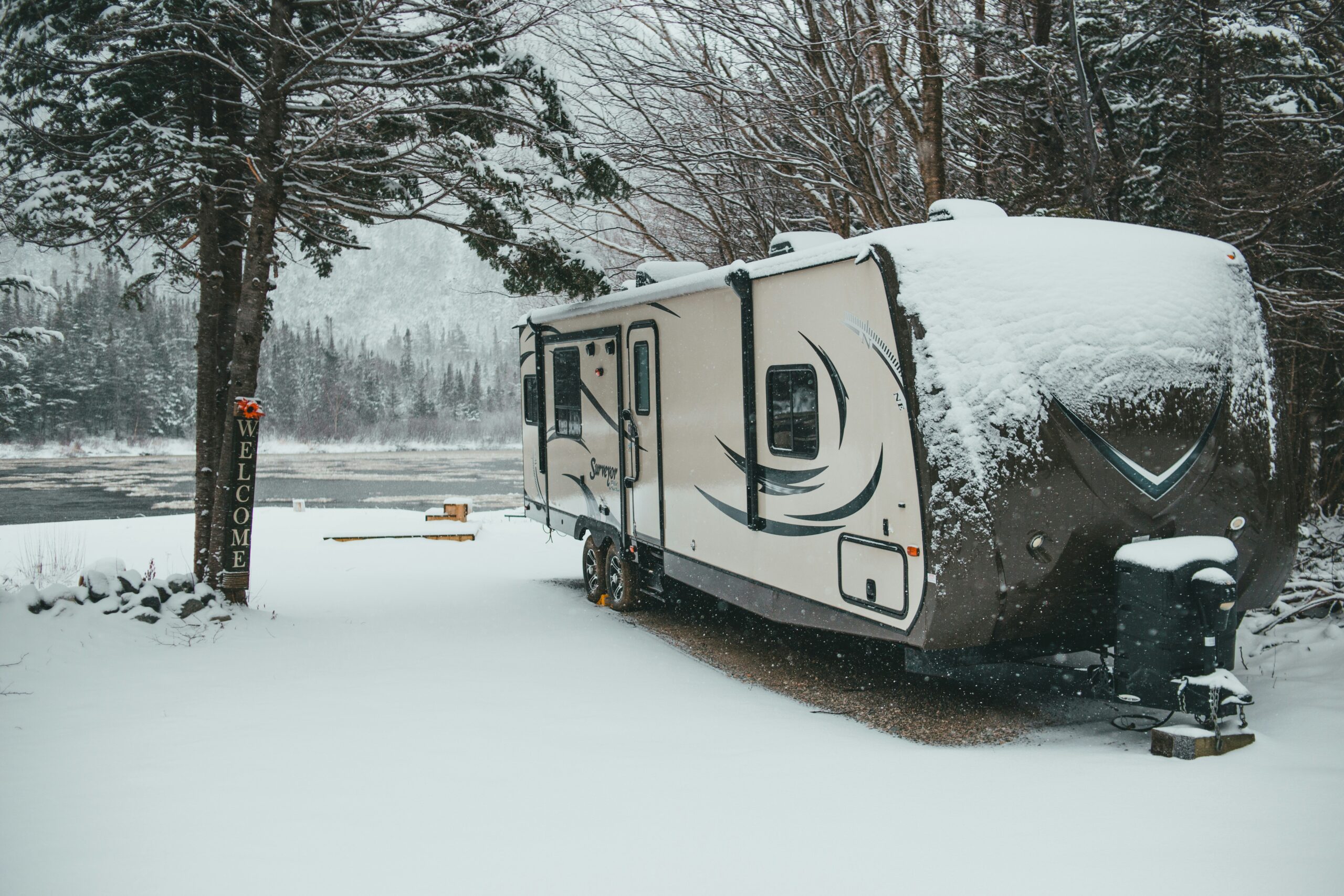
Once they arrive at camp in the winter sports area, camper owners should keep an eye on the ventilation openings of their vehicle. During heavy snowfall, they can become clogged, warns ADAC. In order to ensure that the forced ventilation system of the vehicle is working, these openings must be cleaned again. It may also be necessary to periodically clean the roof of snow. Wet snow, especially, can quickly become a burden weighing several tons.
For ventilating moisture from the interior, ADAC recommends that the sunroof remains slightly open. This improves air circulation, and moisture and stagnant air are drained upwards. The awning is essential for winter campers. According to ADAC, it not only protects against snow drifts, but also enables the storage of wet winter sportswear and skis, preventing the accumulation of moisture in the interior.
Even if all the advice is listened to, it is difficult to assess in advance whether winter camping will be attractive to an individual. Viktoria Groß recommends not driving in the Alps for 14 days to test the new vehicle. It is better to plan a long weekend first in low mountain ranges or by the sea. ‘You can try it out and see if you can handle it – and your fuel supplies will be enough for a freezing weekend.’
Cover photo: Photo by Flavie Martin he unsplash