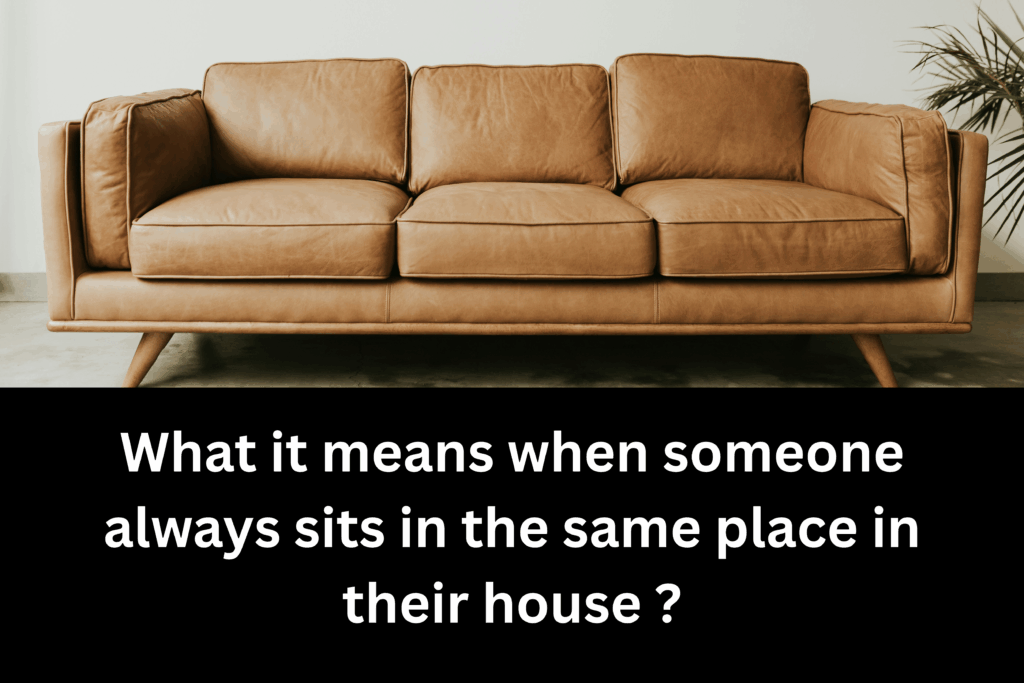
We’ve all noticed someone who always—without fail—sits in the exact same chair, on the same side of the couch, or at the same spot at the kitchen table. It can look quirky, funny, or worrying. This article explains the most common reasons behind that behavior, the psychology and neuroscience that help explain it, real-life examples, and practical, compassionate ways to react if you care about the person.
Why people choose the same seat: short answers
- Comfort & routine: That spot is physically comfortable and predictable.
- Territory & identity: People mark a place as “theirs” — it becomes part of their sense of self.
- Habit & cue-response: Repeated behavior becomes an automatic habit.
- Anxiety & control: The seat offers control when other things feel uncertain.
- Practical constraints: Mobility, vision, or hearing may make one place objectively best.
- Cognitive or medical reasons: Changes in memory, dementia, or neurological conditions can solidify fixed seating.
The psychology and brain behind the habit
Habit formation and routines
Humans form habits because they save mental energy. Repeating an action in the same context — e.g., sitting in the same chair when you watch TV — creates a cue-routine-reward loop. Over time the behavior becomes automatic. (Research on habit formation shows that repetition in a stable context makes behaviors stick.)
Territory, identity, and social signaling
Sitting in the same place can be a nonverbal way of saying “this is my space.” In families and shared homes that seat can communicate roles (“Dad’s chair”), status, or belonging. It’s part of how people create private space even in communal settings.
Comfort, sensory preferences, and ergonomics
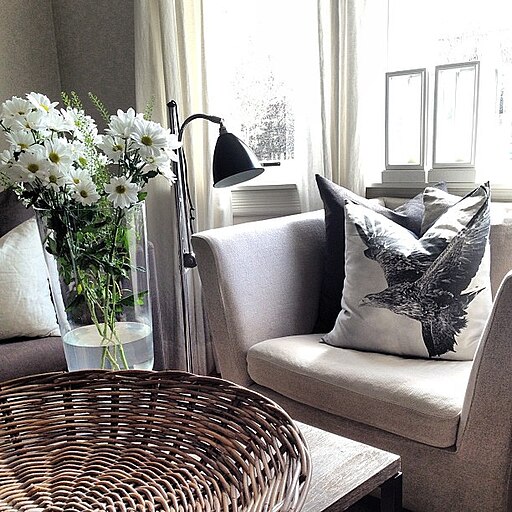
That particular spot might have better lighting, a cozier angle, easier access to a lamp or remote, or a preferred view. For people with heightened sensory needs (e.g., sensitivity to noise or light), a specific seat may be calming.
Anxiety, control, and ritual
When life feels unpredictable, routines and rituals bring order. Sitting in the same place can be a tiny act of control that reduces anxiety.
Cognitive or medical explanations
A sudden new insistence on one seat, or inflexibility with other daily changes, can sometimes indicate cognitive decline, delirium, or neurological conditions. In older adults, “anchoring” to a place may offer familiarity when memory is unreliable.
Concrete examples (realistic scenarios)
- The weekend TV chair: A family member sits in the armchair by the window every Saturday afternoon. Over the years others learned to leave it empty; it’s become part of the household ritual.
- The dinner-seat roommate: A college student always sits by the kitchen counter because that’s where the charging outlets and textbooks are close by—practical plus habit.
- The anxious partner: After a stressful life event, someone begins to favor one sofa cushion where they feel shielded from noise and can focus—anxiety-driven comfort-seeking.
- The older relative: Grandma keeps returning to the same recliner because its placement in the room and familiar view help orient her when short-term memory is affected.
How to tell whether it’s “just habit” or a sign of something more serious
Use this checklist to assess the situation:
Probably harmless if:
- The behavior has been consistent for years.
- It’s flexible during special events (they will occasionally move).
- It’s tied to practical reasons (lamp, view, outlet).
- The person is socially engaged and otherwise functioning well.
Potentially concerning if:
- The behavior is new or suddenly more rigid.
- It’s coupled with confusion, memory gaps, agitation, or withdrawal.
- The person resists necessary changes (can’t move for safety reasons).
- There are other health changes (falls, trouble speaking, dramatic mood swings).
If multiple “concerning” items appear, consider a medical checkup.
Practical, compassionate ways to respond
For family and roommates
- Observe first. Notice patterns before commenting.
- Ask with curiosity, not accusation. Try: “I noticed you like sitting by the window—what do you like about that spot?”
- Offer options gently. “Would you like me to bring a lamp over to the couch so it’s just as bright?”
- Respect territory. If the person feels safety and identity from that seat, forcing change can create stress.
For hosts or guests
- Allow the person their seat if it’s harmless. If you need that seat (e.g., it’s your home), explain kindly and offer an alternative: “That chair has been your favorite—would you like this one close by instead?”
If you’re worried about health
- Open a conversation: “I’ve noticed some changes, and I’m concerned. Would you be okay seeing a doctor together?”
- Document changes (dates, what you noticed) to share with a healthcare provider.
- Prioritize safety: if the person freezes in one place and won’t move during an emergency, seek help.
Tips to ease transitions (if you need to change seating)
- Make the alternative appealing: mimic the favored chair’s features (cushion, lamp, view).
- Introduce change gradually: small steps over days.
- Use choice: give two alternatives and let the person pick.
- Create new rituals: attach a pleasant habit to the new place (a magazine, tea cup, or blanket).
- Be patient and consistent — habits resist overnight change.
Quick scripts: what to say (examples)
- “Hey, I love that you always choose that seat — it looks so cozy. Would you like the same cushion on the couch too?”
- “I noticed you sit there every day. Is there something you like about it?”
- (If concerned) “I’m a little worried because this is new—can we talk about it? I want to make sure you’re okay.”
FAQ
Is it rude to take someone’s usual seat?
Not usually—most people will tell you if it matters. If it’s a long-standing habit, a short apology and a kindly offered alternative work well.
Can rigid seating be a sign of OCD?
Not by itself. OCD involves intrusive thoughts and repetitive behaviors performed to relieve anxiety. Fixed seating can be a habit or a coping strategy. If accompanied by distressing obsessive thoughts or functional impairment, professional evaluation is warranted.
How quickly do habits form?
Habit-formation research shows a wide range, but on average people may take several weeks to a few months to form automatic routines in a stable context. Repetition and consistent cues strengthen the habit.
When to seek professional advice
Make an appointment with a primary care doctor if the seating behavior is:
- New and accompanied by memory loss or confusion.
- Part of sudden personality change, disorientation, or increased falls.
- Associated with anxiety or depression symptoms that affect daily life.
A doctor may evaluate medical, neurological, or mental-health causes and recommend the next steps (blood tests, cognitive screening, therapy).
Final thoughts (conclusion + call to action)
Sitting in the same place at home is usually a small, human habit: a blend of comfort, identity, and routine. More often than not it’s harmless and says something about the person’s needs—comfort, control, or a desire for predictability. Yet if the behavior is new, rigid, or coupled with worrying changes, it’s worth checking in with kindness and, if needed, a health professional.
Notice the chair next time you visit someone: it might tell you more about their story than you expect. If this article helped you understand a pattern in your family or flatmates, try one of the conversation scripts above and tell us how it went—share your experience in the comments or subscribe for more practical psychology guides.