Sometimes people realize that they are better off – calmer, safer, more fulfilled – when they are alone than when they are in a relationship. It is not always a sign that something is ‘wrong’ with them or with a relationship; It can have many different causes. Here are the most common reasons, how to recognize it and what to do with it.
What does it look like – typical signs
- You feel relief when you are alone, and in a relationship you often feel tension or loss of yourself.
- Time for yourself recharges your batteries more than joint activities.
- It’s easier to make decisions when you’re alone.
- You feel that in a relationship you have to ‘act’ or adapt in a way that consumes you.
- After a break or a shorter period of loneliness, you feel more clarity and satisfaction.
Possible psychological reasons
- Introversion and the need for solitude – Some people renew themselves mentally in solitude and experience social interactions more intensively.
- Emotional Fatigue – If a relationship constantly requires emotional work, loneliness can act as a rest.
- lack of compatibility -Partners have different values, pace of life or expectations.
- Fear of losing your identity – In a relationship, you feel less like ‘you’, so loneliness returns a sense of self.
- Traumas or bad experiences – Previous relationships or family dynamics can make closeness more difficult.
- social anxiety or avoiding conflict – Some people choose loneliness to avoid stressful situations.
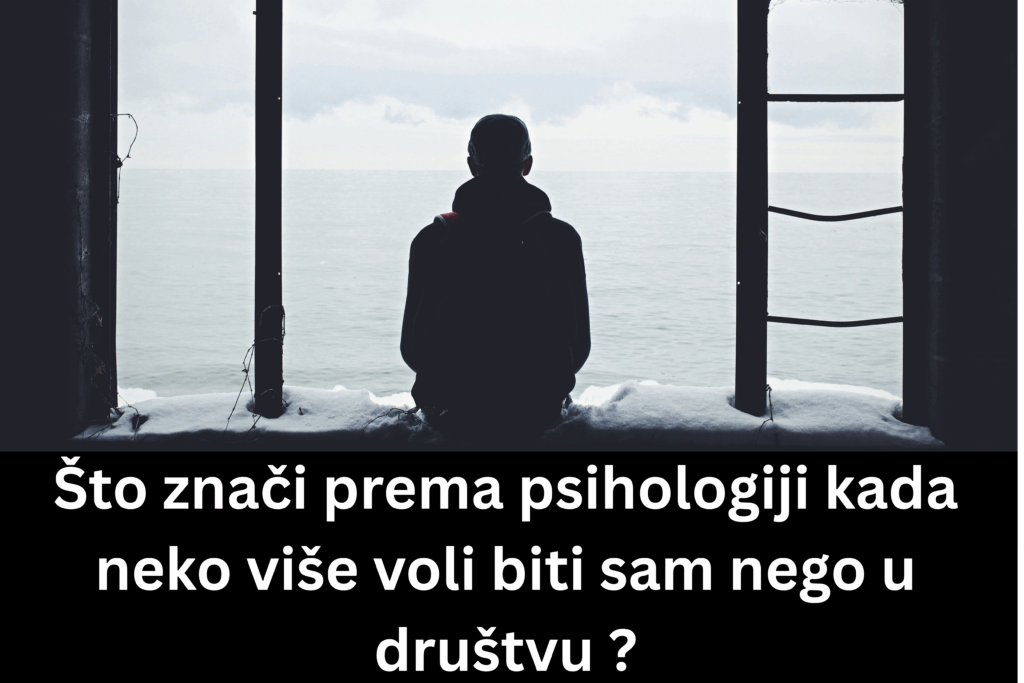
Read our post: What does it mean for psychology when someone prefers to be alone than in society?
When it’s healthy, for example
- If loneliness helps you to be emotionally more stable/stronger/stronger and later enter into relationships more clearly and consciously.
- If you are able to be close to others when you want, but you don’t feel pressure.
- If loneliness does not mean isolation, but choice – you balance between contacts and time for yourself.
When should it become worrying
- If you avoid close relationships because of loneliness, it also causes loneliness that hurts you.
- If withdrawal is related to depression, anxiety or loss of interest in everything.
- If you keep breaking relationships out of fear and never let anyone close to you – that bothers you too.
What can you do (practical steps)
- Think: Is it about choice or escape? – Write down how you feel in solitude and in a relationship.
- Set boundaries in a relationship – Say clearly what you need (more space, silence, time for hobbies).
- Talk to your partner honestly and calmly – No charges, explain your needs.
- Test compromise – Find solutions that respect your need for space and his/her need for closeness.
- Work on yourself – Therapy, journaling, self-awareness exercises and activities that fill you up.
- Give yourself a trial period – see how you feel after changes (more limits, less pressure).
Advice for partners (how to react)
- Do not immediately understand a person as ‘cold’ or ‘uninterested’.
- Ask, listen and seek compromise – not to change a person.
- Have patience, but also your limits – the relationship should satisfy both parties.
Conclusion
Being happier alone than in a relationship can mean a lot – from healthy self-awareness to raw fears. The most important thing is to understand your motives, communicate them clearly and, if necessary, seek professional support. Every person and every relationship is a different case – that’s why sincerity and work on yourself serve.
Cover photo: Photo by Kelly Sikkema he unsplash