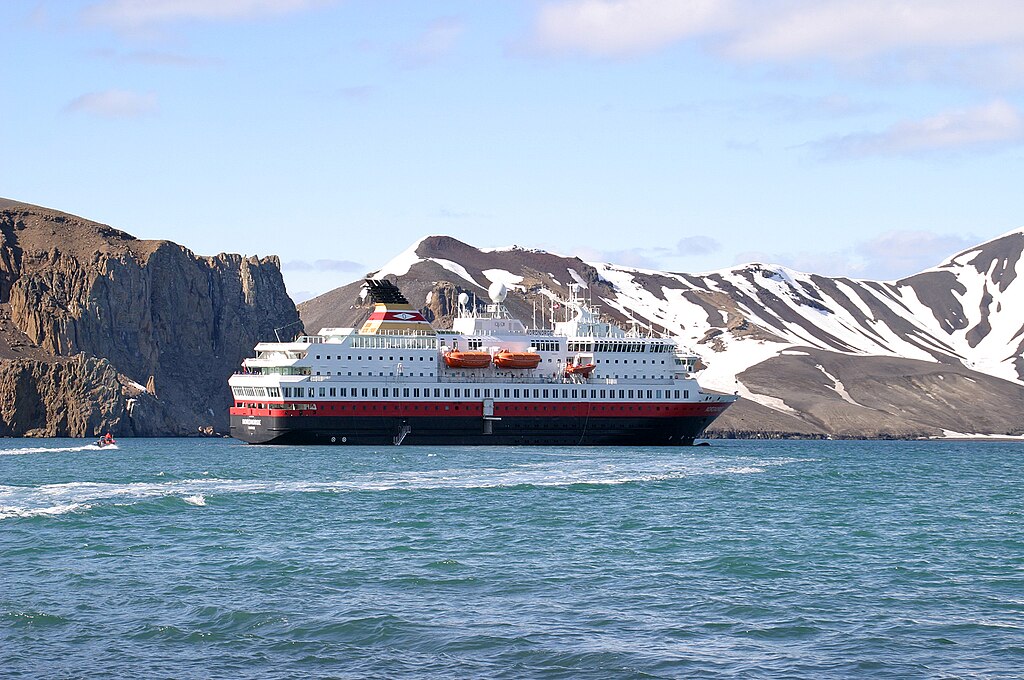
Anyone embarking on a journey to Antarctica should make sure that they choose the right boat. Traveling through the icy desert also hides dangers.
The universe in Antarctica is becoming more and more cramped: more and more cruise ships are moving towards the ice-covered coast of the southern continent to see the mountains, the imperial penguins and seals of Weddell. While around 6,000 nature lovers left in 1992, last season there were a good 46,000 passengers. Business is booming, as are the number of shipping companies sending their ships south starting in November. The result: more and more not only expeditionary ships with appropriate ice classes embark on Antarctic adventures, but also standard equipped cruisers. A trend that hides dangers?
The International Association of Antarctic Tourism Operators (IAATO), founded in 1991 by seven Antarctic tourism operators, regulates each year which ships can sail and where to dock. This is intended to prevent the joint landing of two ships in a secluded bay. At the same time, a maximum of 100 passengers may disembark, and the cruise must continue after four hours. Last season IAATO had to do it for 61 boats; Just five years ago, only 35 cruise ships could be planned.
Which ships dare to sail to Antarctica
‘Most ships sensibly navigate the ice-free passage,’ says Johannes Zurnieden, vice president of the German Passenger Association (DRV) in Berlin and is active in business with cruise ships as general manager of Phoenix Reisen in Bonn. Most ships visit the northern part of the Antarctic peninsula,which is enough for an antarctic experienceOnly icebreakers and ships with strong ice reinforcements dare to continue.
Anyone traveling to Antarctica wants to visit both penguin and seal colonies. However, the International Oceanographic Organization (IAATO) does not allow docking with ships with more than 500 passengers. Anyone hoping for an expeditionary experience should keep that in mind. The largest ships so far to the Antarctic peninsula were sent by the North American cruise line Princess Cruises: last year ‘Golden Princess’ with 2,600 passengers and 1,100 crew members, and this year its sister ship’Star Princess‘. It is a good idea to bring a good telescope to the journeys of these ships.
Rules for contact with wildlife
‘Unfortunately, there is a lack of sensitivity regarding the tonnage used to travel to these areas,’ says Sebastian Ahrens, general manager of Hapag-Lloyd Cruises in Hamburg. Hapag-Lloyd is the co-initiator of iaato-A, but now he wants strict regulations like those in sovereign states instead of pure self-regulation: ‘If, for example, you sail along certain parts of the Norwegian coast, the Norwegians will follow closely. But there are no clear rules for Antarctica,’ he says. Ahrens.
On the contrary: according to the Antarctic Treaty, the continent is freely accessible to everyone – but except for research stations, it is practically unpopulated. Only about 4,000 people – military personnel, scientists and support staff – live in an icy 14 million square kilometer desert. Since extreme cold has caused all organic processes, such as wastewater decomposition, to be extremely slow, that is a good thing.
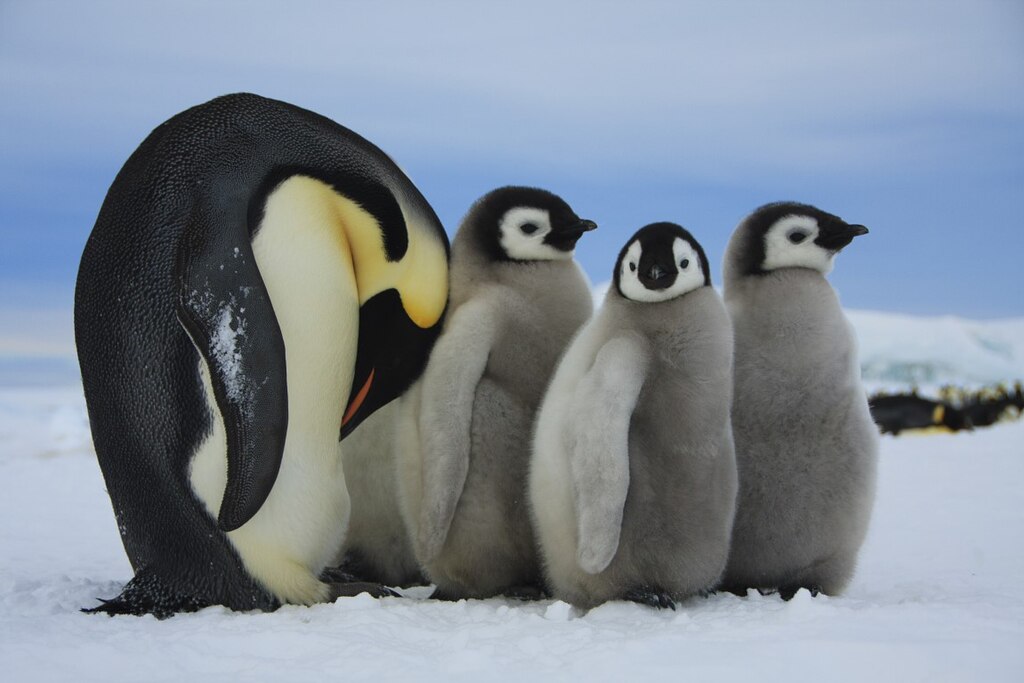
However, the more visitors travel to Antarctica, the more difficult it is for the ecological system. There are regulations for unloading. For example, shoes are disinfected before and after, and the rule applies ‘Leave nothing behind and carry nothing with you‘.A distance of at least five meters from animals must be maintained. Most visitors adhere to this rule. But not everyone adheres to it – and the more people come, the more often it is violated.
Dangers of ships without ice class
The IAATO also issued a code of conduct and quality for crews and ships. 75 percent of the crew must have previous experience in Antarctica, and ships must use diesel/gas oil instead of heavy fuel oil. Wastewater must be recycled, and waste must be taken back. ‘These criteria are absolute minimum standards that must be set for this region,’ emphasizes Caroline Schacht from the WWF Nature Protection Organization in Hamburg. ‘Unfortunately, there are still too many shipping companies that have not signed these agreements,’ explains the marine biologist.
More and more ships do not have a mark for ice navigation, which also goes to the detriment of natural experience – provided that shipping companies are careful. ‘As soon as the ice approaches, ships that are not reinforced with ice leave very quickly‘, says Benjamin Krumpen of Phoenix Reisen. Only those better equipped move on. Phoenix visits Antarctica twice a year with the ship ‘Alexander von Humboldt’ – with the label for ice sailing 1c.
Zurnieden confirms this assessment: ‘The ship that goes on an expedition in this area must essentially be an icebreaker.’ One such icebreaker is ‘Kapitan Khlebnikov’, built in Finland in 1981. Former research ships ‘Akademik Shokalskiy’ and ‘MS Ushuaia’ are also well reinforced for ice. But there are also ice reinforced expedition boats that were built exclusively for cruises: ‘MS Bremen’ and ‘MS Hanseatic’ companies Hapag-Lloyd Cruises have a high class of ice 1ASUP, while ‘MS Fram’ Norwegian postal shipping line Hurtigruten has an ice class 1b.
Challenges and trends in the growing Antarctic tourism market
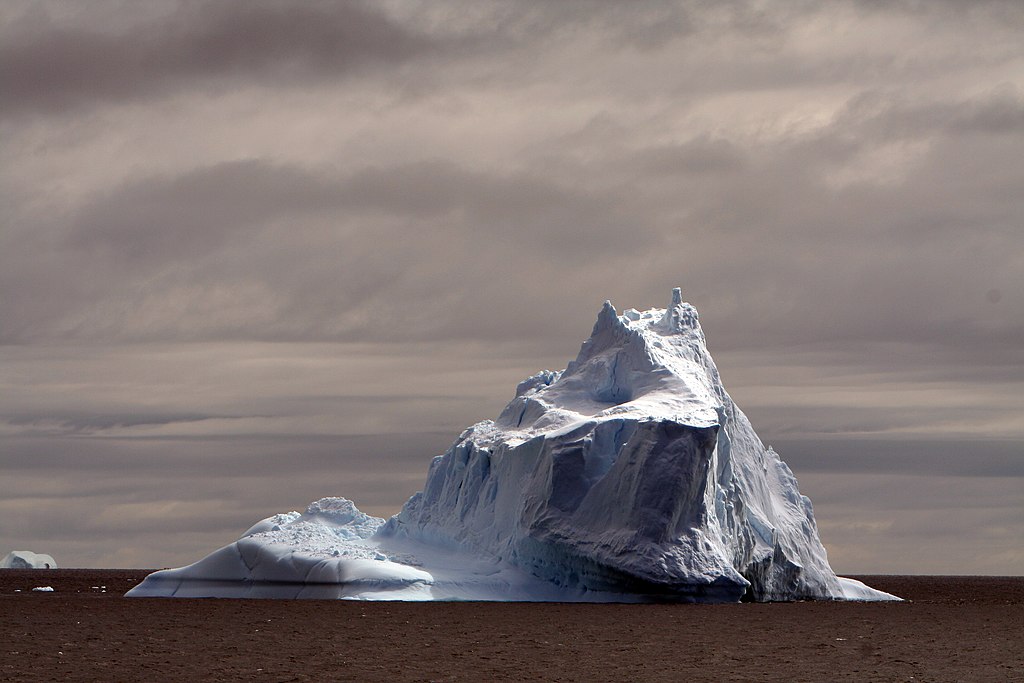
The sinking of ‘Explorer’ last winter showed the dangers of traveling through ice. The Canadian cruise ship, with a high ice resistance rating, sank 15 hours after a collision with an iceberg about 1000 kilometers south of Cape Horn. Although no one was killed because the second cruise ship came to help in time, accidents in Antarctica are generally extremely dangerous: air is below zero, water is only one degree Celsius – you quickly cool down in a lifeboat. and rescuers on land are far away.
The first shipping companies are already responding to ice pressure by pulling: ‘Vistamar‘ Plantours & Partner in Bremen will sail the Indian Ocean this season instead of among the icebergs. And Hurtigruten will send only ‘MS Fram’ to the Penguins for the 2008/09 season Nordnorge’ as before. General Manager Bernd Stolzenberg in Hamburg justified this move ‘an increasingly difficult Antarctic market’.
What attracts people to the icy desert? After all, Antarctica is the coldest and windiest continent: minus 89.6 degrees Celsius and winds of over 300 kilometers per hour have been recorded here. Only during the Antarctic summer, from the end of November to March, the temperature reaches from 0 to minus 5 degrees Celsius. Then penguins hatch and seals are born. February and March are the best months for whale watching. So, it is likely that the experience of pure nature is what attracts people. ‘Traveling in Antarctica is the most wonderful experience you can have,’ says Zurnieden – apparently that’s been said before.
Cover photo: W. BULACH, CC BY-SA 4.0, Via Wikimedia Commons