On the highway to hell: legends surround the origin of this fantastic natural spectacle. The colorful, mineral-rich pools have long served as wellness venues.
In ancient times, the moon was sick and fell ill. He then bathed in the healing waters of Rotorua and regained his strength. Māori legends such as these surround many places in New Zealand. The area between Rotorua and Taup on the northern island, in particular, is steeped in Legends and myths of the South Sea Peoples who settled the islands long before the Europeans.
New Zealand is young and dynamic in every way, and geological development is also taking place at a rapid pace. The North Island, in particular, is a tectonic cauldron. Beneath New Zealand, the Pacific Plate is pushing beneath the Australian plate, repeatedly leading to earthquakes and volcanic eruptions. From Rotorua to Tongarir, you will find not only volcanic cones, but also numerous geysers, pools of boiling mud and thermal springs.
The smell of sulfur is in the air
The road between the cities is called the ‘highway of thermal explorers’ – but you could also call it the’ highway to hell’, because twelve kilometers northeast of Rotorua are the gates of hell, one of the largest thermal areas in the region, covering four hectares. And the small town of Taupo is also breathtaking in the true sense of the word: the smell of sulfur hangs in the air, clouds of smoke block the view, and fumaroles spewing steam hiss right along the main road.
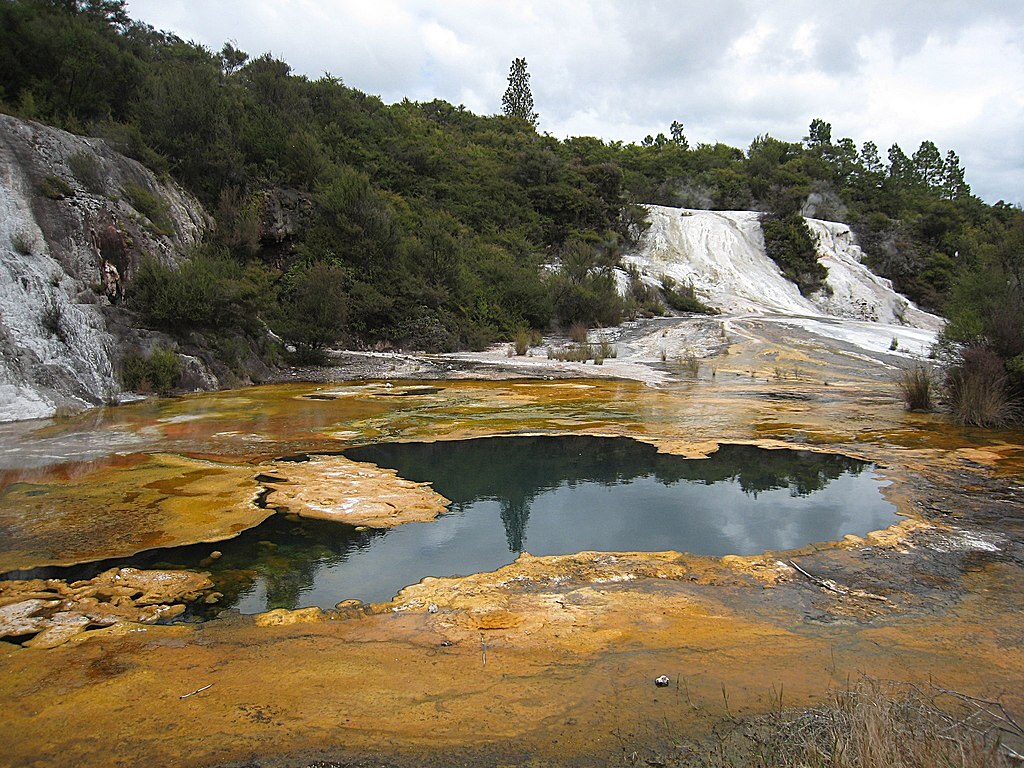
One of the most beautiful thermal resorts on the northern island is Orakei Korako, located in the ‘Hidden Valley’, about 70 kilometres south of Rotorua. It can be reached by a side road that branches off Main Highway 5 near Golden Springs. This road ends at the shore of Lake Ohakuri, from where a boat takes visitors to the thermal area in five minutes.
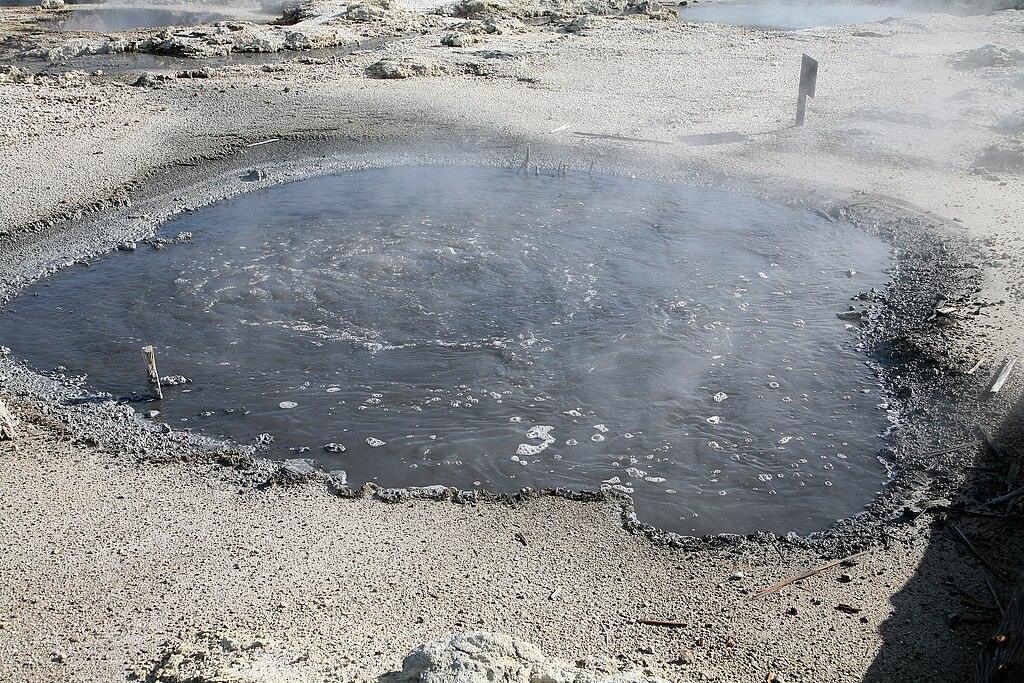
Mud holes bubbles and bumps
‘Orakei ‘means’ place of adornment ‘ in the Māori language: these colorful, mineral-rich pools once served as a wellness centre and makeup salon for Chiefs. During a two-hour walk on well-maintained wooden walks and paths, tourists are enchanted: mud pools clinking and glittering, silica deposits glowing in all the colors of the rainbow. There are also sparkling ‘champagne pools’ and white mermaid terraces worth seeing – all set in a lush green valley with giant Silver Ferns, one of New Zealand’s iconic landmarks.
Visitors to Orakei Korako are allowed to explore without a guide. However, you should stay on the trails and pay attention to the warning signs. Hot thermal water is everywhere, and inattention is punishable by Burns. The ‘diamond geyser’, for example, spews its boiling water up to eight meters into the air, sometimes every minute, sometimes every hour. The water dissipates in sunlight into tiny droplets that glow like diamonds.
New Zealand’s third largest lake
In addition to the natural beauty, the kind people make a trip to New Zealand worth the effort: even as a tourist, the Islanders will invite you to private gatherings, and a pleasant evening with good food and full glasses of wine is guaranteed. New Zealanders are interested in Europeans flying halfway around the world to visit ‘Kiwi Land’. With dry humor, they defy storms, floods and earthquakes – while enjoying life in nature and spending time with family. Therefore, many shops close at 5 pm. Instead of working late at the store, the owner prefers to put on his boots and spend the evening flycatching along the river.
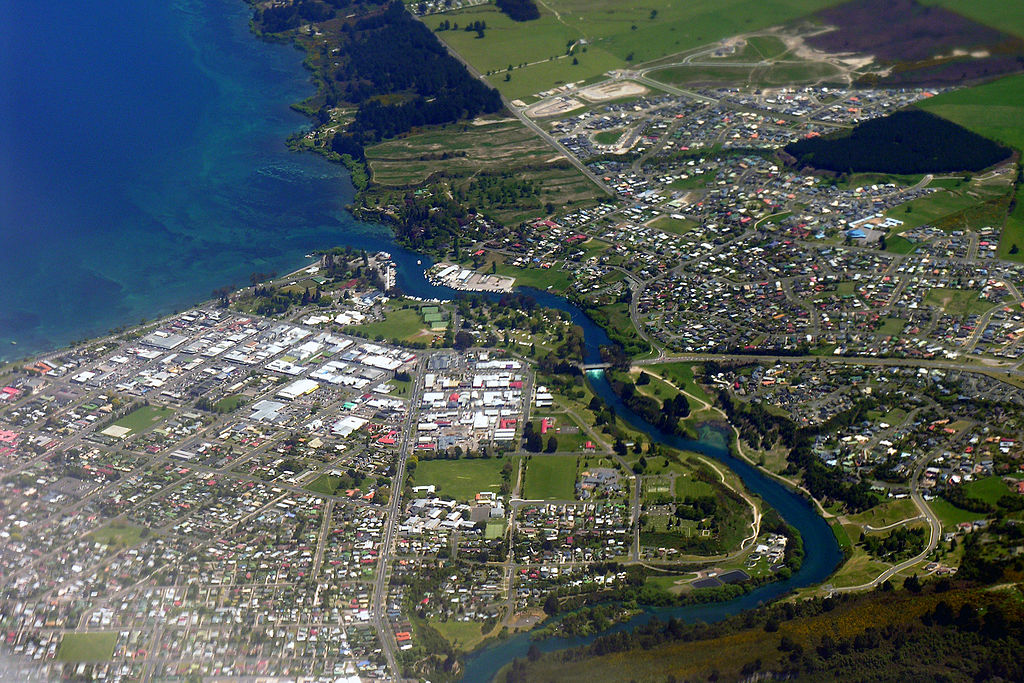
More than 100 000 Trout outwit anglers each year in Lake Taupo. Many of them are large – the water level in the lake is said to drop when anglers catch fish. This is a nice anecdote, but a bit exaggerated, as Lake Taupo is the largest lake in New Zealand and the third largest in the southern hemisphere. It was formed by a tectonic disaster more than 20,000 years ago: a supervolcano explosion left behind a huge caldera that later filled with water.
Poisonous green water
Tourists who want to dance on the active volcano can visit White Island. Located 50 kilometres northeast of Whakatane in the Bay of Plenty, the island is the only active Island volcano in New Zealand: an island without vegetation but with clinking mud pools, yellow sulphur mountains and a glowing crater boiling toxic green water. A gloomy and terrifying island, it is also a fascinating place that offers an insight into prehistoric times of Earth’s history. Volcanoes can spew ash, plover or lava at any time, and a cloud of smoke constantly hangs over the island. Hundreds of earthquakes are recorded daily, but they are usually so weak that only seismographs detect them.
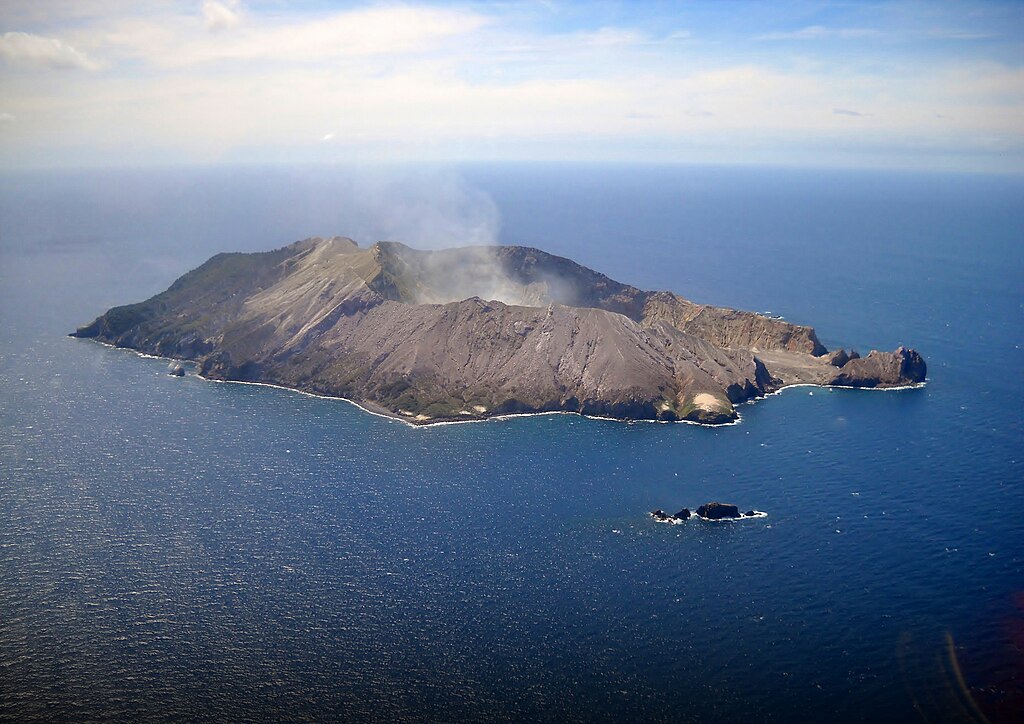
However, White Island is also accessible to tourists, who can book day trips by boat from Whakatane. Before they are allowed to enter the island, they must wear a helmet and receive a respirator. The last major eruption was seven years ago, but you never know.
Cover photo: Phillip Capper from Wellington, New Zealand, CC BY 2.0 via Wikimedia Commons