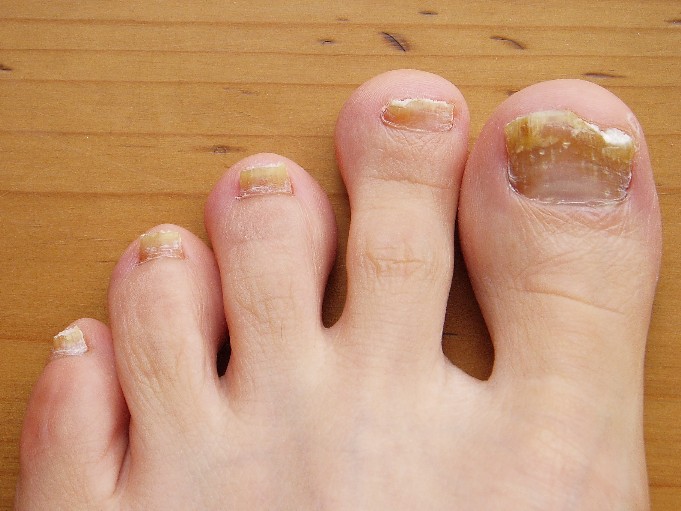
Are you looking for information on The best remedy for nail fungus? You are not the only one – onyomycosis (fungal infection of the nail) is often a persistent and unpleasant problem, and there are many tips and ‘miracle’ preparations circulating on the Internet. This article provides an expert but understandable overview of causes, symptoms, proven medical and natural treatments, and a summary of user experiences and practical preventive measures. The goal is to help you make an informed decision and talk to your doctor or dermatologist about the best option for you.
What are nail fungus (onychomycosis)?
Onychomycosis is an infection most often caused by dermatophytes (eg. Trichophyton rubrum), but also yeast (candida) and mold. Bacteria and repeated nail trauma can also favor the development of infection. The infection usually begins at the tip or edge of the nail and slowly progresses towards the root, sometimes affecting the entire nail and the surface of multiple nails.
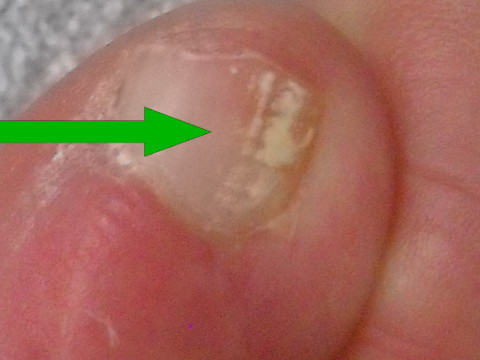
Why are nails sensitive?
- It is difficult to penetrate the nails: firm layers of keratin make it difficult to enter the medication.
- Heat and moisture (closed shoes, sweaty feet) create an ideal environment for fungal growth.
- Injuries, poor circulation, diabetes and immunocompromise increase the risk.
Symptoms: How to recognize a nail infection
Typical symptoms include:
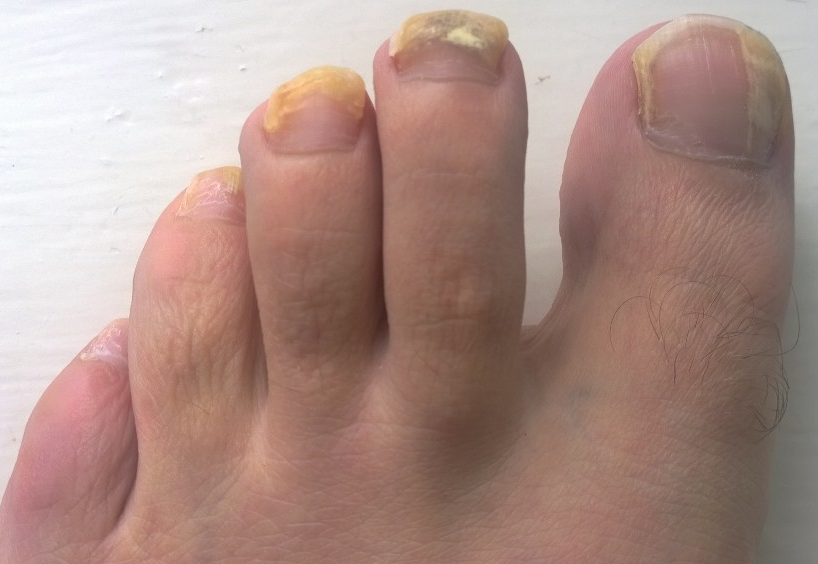
- thickening and brittleness of the nail.
- Color change (yellow, brown, white or black).
- Separation of the nail from the bed (onycholysis).
- unpleasant smell and pain when pressing or wearing shoes.
If you have diabetes, reduced circulation or immunosuppression, each symptom should be taken seriously and contact a doctor.
Which is The best remedy for nail fungus – What does medicine say?
In short: for most cases, professional guidelines and evidence point to Oral terbinafine As often the first choice because it gives the highest rates of mycological and clinical cure compared to many other options. Oral therapy has a higher success rate than the topical preparations, but it also carries the risk of interactions and side effects, so a doctor’s assessment is mandatory before administration.
Oral antifungals (pros and cons)
- Terbinafine (Lamisil): Often referred to as the ‘Gold Standard’ – in clinical analyses, it shows high rates of mycological cure (often 70–80% in suitable patients). The duration of therapy for toenails is usually 12 weeks (sometimes longer). It is necessary to assess the risk of interactions with other drugs and check liver enzymes if indicated.
- Itraconazole (Sporanox) and Fluconazole: Options when terbinafine is not suitable; Itraconazole is sometimes used in pulse therapy. and they have potential side effects and interactions.
Safety note: Oral antifungals can affect the liver – in the guidelines, it is often recommended to check liver function before and during treatment when necessary.
Topical antifungals
- Ciclopirox (varnish): Available option with lower rates of complete cure versus oral therapy, but beneficial for mild or superficial infections.
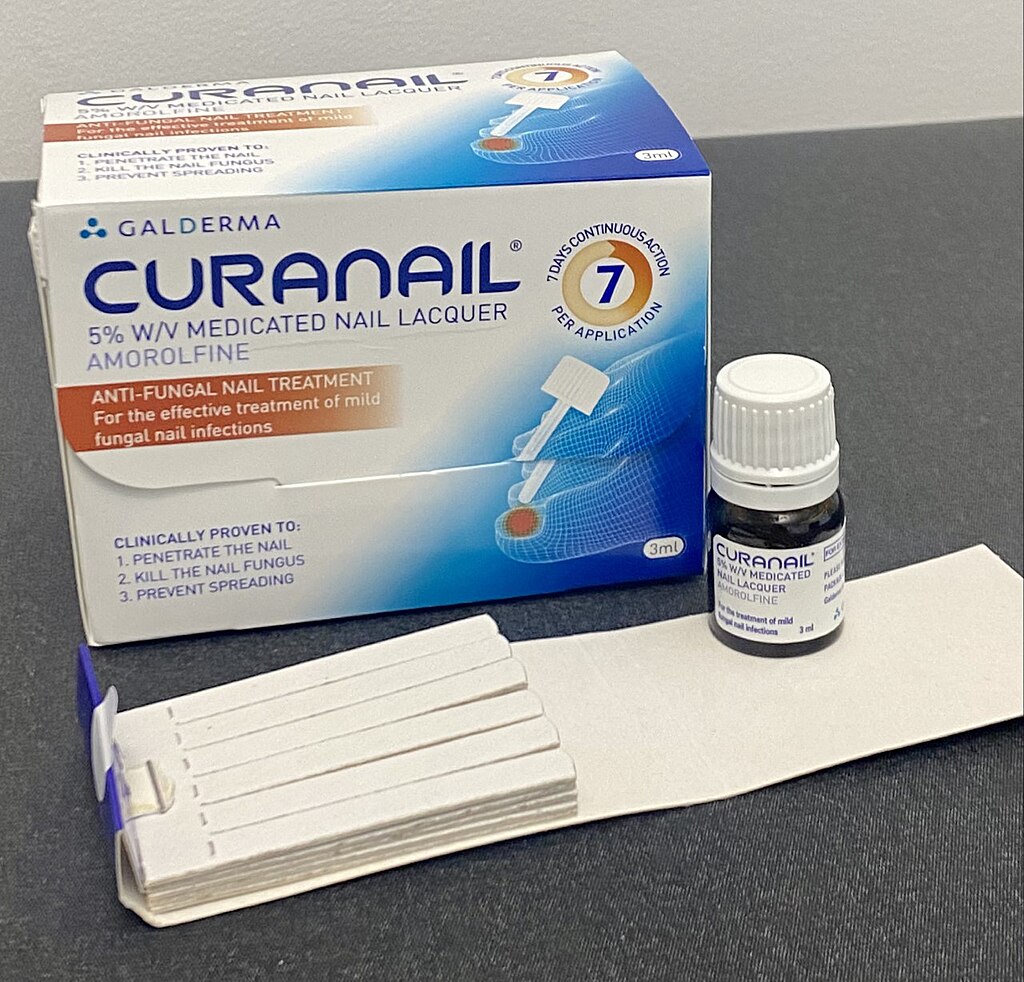
- Efinconazole (Jublia), Tavaborole: Newer topical formulations with improved penetration and evidence of efficiency, but require long-term daily use (up to 48 weeks) and can be expensive. Long-term use is often necessary for visible nail changes.
Procedural methods
- debridement It improves the penetration of topical drugs and reduces the fungal mass. The combination of debridement and topical or oral therapy often gives better results than monotherapy.
- Laser and photo-thermal procedures: While research is promising, the results are heterogeneous – some systematic reviews find improvement, while others point out uneven evidence; A laser may be an option for patients who are not allowed or will not use oral medications, but expectations should be set realistically.
Natural and home treatments – what do experiences and studies say?
Many patients first try natural methods because of the cost, availability or fear of drug side effects. Some popular approaches:
Tea Tree Oil
- has antifungal activity in laboratory conditions T. rubrum and other pathogens. Clinical results are mixed: smaller randomized trials show limited benefit or partial improvement in some patients, while others do not confirm a significant effect. Thus, Tea Tree Oil may help in mild cases or as an appendix, but the evidence is not strong enough to be recommended as a substitute for standard therapy. It can also cause contact dermatitis in sensitive people.
Vicks Vaporub, Coconut Oil, Vinegar Baths and Other Preparations
- Some minor studies and anecdotes indicate partial benefits (e.g. Vicks in small studies), but most evidence is weaker than for prescribed antifungals. Such methods can alleviate symptoms or slow progression, but do not guarantee permanent healing.
Conclusion on natural methods
Natural preparations have limited support in clinical studies. They may be an option for people with very mild changes or as an additional measure, but in case of moderate and severe infections, the best proven medical therapies are.
User experiences – what people often say (neutral and informative)
Based on the available reports, forums and summary of practice experiences, several recurring points can be drawn:
- Recovery time is long. Many users expect a quick result, but regeneration of a healthy nail can last for months – toenails take up to 12-18 months to completely renew. This process requires patience and consistency in therapy.
- Oral antifungals are often the most effective, but not for everyone. Those who used terbinafine often report significant improvement, but some had side effects or had to discontinue the drug due to interactions or elevated liver enzymes.
- Topics are slower, but safer for long-term use. Patients who used efinanazole or ciclopirox often report that they have seen a gradual improvement, but are frustrated with the duration of therapy (often almost a year).
- Natural preparations help with some, but often do not completely remove the infection. Many users report a short-term improvement or slowing of symptoms with Tea Tree Oil or Vicks, but they note that the infection often returns without medical therapy.
- Combinations often give the best results. The combination of oral therapy, local treatment, regular debridement and hygiene measures often gives the best clinical results according to practice and studies.
These points summarize typical user impressions – it is important to understand that experiences are individual and depend on the severity of infection, general health condition and adherence to therapy.
Practical tips: how to act if you suspect nail fungus
- Confirm the diagnosis – Before starting therapy, it is good to confirm that it is a fungal infection (microscopy, culture or PCR) because other conditions (psoriasis, trauma, bacterial infection) may resemble.
- Consult an expert – A dermatologist or podiatrist can recommend the best treatment according to your condition and other medications you are taking.
- Assess the risk and benefit of oral therapy – If you are a candidate for oral terbinafine, the doctor may request an examination of liver functions and a list of medications for possible interactions.
- Be patient and consistent – Topical and combined therapy require months of use and regular monitoring.
- Turn on debridement – Regular shortening and grinding of the nail can speed up recovery and help topical drugs reach fungi.
Preventive tips – how to prevent re-infection
- Dry your feet thoroughly and change your socks daily.
- Wear moisture draining shoes (breathable footwear, ventilation-enabled materials).
- Use protection in public spaces (showers, pools) – slippers or sandals.
- Regular disinfection of shoes and useful items (fixes, scissors) – do not share manicure/pedicure accessories.
- If you have diabetes or circulatory problems, regularly check your leg and nail condition with a doctor.
Prevention of relapse often requires a combination of good hygiene, changes in habits and sometimes periodic topical therapy as prophylaxis.
When to seek medical help right away?
- If you have pain, purulent discharge, or redness that spreads around the nail.
- If you have diabetes, peripheral neuropathy or poor circulation – any suspicion of infection requires a more urgent approach.
- If you notice systemic symptoms (fever, generally bad condition) associated with the infection.
Conclusion
Phrase The best remedy for nail fungus covers a variety of approaches: for many patients and according to medical evidence, Oral terbinafine It often gives the best cure rates, but requires risk assessment and monitoring. Topical therapies (efinonazole, ciclopirox) are useful, especially in milder cases or when oral therapy is not possible, but they require long and regular use. Natural preparations such as Tea Tree Oil have limited, mixed research support and may support, but are usually not sufficient alone to cure more severe infections. The combination of treatments, proper diagnosis, debridement and preventive measures usually give the best results. Before any treatment, consult a doctor or dermatologist to choose a safe and effective therapy suitable for you.
Cover photo: PepsyRock, Public Domain, Via Wikimedia Commons