
Colon cancer is one of the most common forms of cancer in the world, and the number of affected women is growing year by year. Although it was considered ‘diseases of the elderly’ for a long time, recent research shows that more and more young women are suffering from this serious disease. Colon cancer often develops slowly and without visible symptoms, which makes timely diagnosis and treatment difficult. This is precisely why knowing the first signs and symptoms is extremely important in order to detect the disease in time, increase the chance of healing and avoid more serious consequences.
In women, symptoms of colon cancer may differ from those of men, and often overlap with common digestive problems or menstrual disorders, which is why many women ignore or misinterpret them. Understanding these symptoms and identifying them early can be key to successful treatment. In this article, we discover the most common symptoms of colon cancer in women, when it is time to visit a doctor and how regular examinations can save a life.
What is colon cancer and how often does it affect women?
Colon cancer, medically called colorectal cancer, occurs when cells in the mucous membrane of the colon or rectum begin to divide uncontrollably, creating a tumor. This form of cancer most often develops from polyps – small growths on the inner wall of the intestine – which can become malignant over time. In the beginning, polyps most often do not cause any symptoms, which is why the disease is often imperceptible until it progresses.
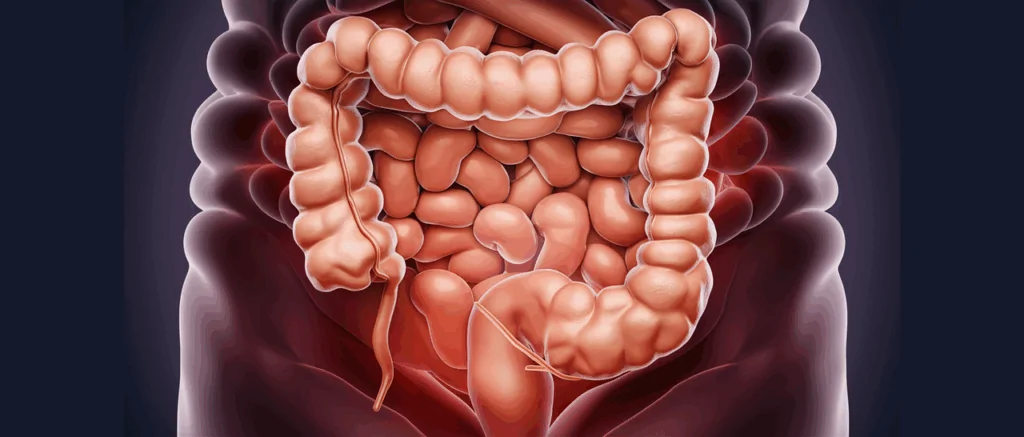
Statistics show that colon cancer is one of the most common cancers in women, right after breast and lung cancer. In Croatia, more than 1,200 new cases are detected every year in women, and the number of patients is unfortunately growing, especially among younger women under 50. Risk factors include family history, unhealthy diet low in fiber, obesity, sedentary lifestyle, smoking and excessive alcohol consumption.
Given the severity of the disease and the fact that early detection significantly increases the chances of healing, it is extremely important that women are aware of risk factors and symptoms that may indicate colon cancer.
According to the Croatian Institute of Public Health, colon cancer is one of the leading causes of cancer death in Croatia:
- Croatian Institute of Public Health – information about colon cancer
- Croatian Institute of Public Health – Statistics of Debeli Crije CancerVand
The first early symptoms of colon cancer in women
Early symptoms of colon cancer in women are often subtle and can be easily mistaken for indigestion or dietary changes. This is precisely why many women do not pay enough attention to these signs, which leads to a delay in establishing a diagnosis. However, recognizing these symptoms in time is crucial for early detection of the disease and more successful treatment.
The most common early symptoms of colon cancer in women include:
- Changes in stool rhythm – Diarrhea, constipation or alteration of diarrhea and constipation without a clear reason, which last more than a few weeks.
- Changes in the appearance of the chair – stool that becomes narrow like a pencil can be a sign of narrowing of the intestine due to a tumor.
- Feeling of incomplete bowel movements – a constant feeling that the intestines are not completely emptied after stool.
- bleeding from the rectum or blood in the stool – the presence of fresh blood or dark stools, which may indicate bleeding in the intestines.
- bloating and stomach discomfort – Pain, cramps, feeling full or excessive bloating that lasts for a long time.
It is important to emphasize that these symptoms do not necessarily mean cancer, because they can also be associated with benign conditions such as hemorrhoids or irritable bowels. However, if the symptoms last longer than a few weeks or worsen, it is necessary to visit a doctor for further processing.
Advanced symptoms and signs that you should not ignore
If colon cancer in women is not detected in time, the disease can progress and spread to surrounding tissues or other organs. At this stage, the symptoms become more pronounced and serious, and ignoring them can significantly reduce the chances of successful treatment. Recognizing advanced symptoms is important in order to start diagnostics and therapy as soon as possible.
The most common advanced symptoms of colon cancer in women are:
- Unexplained weight loss – a sudden drop in weight without changing eating habits or physical activity.
- Constant fatigue and weakness – a chronic feeling of exhaustion that does not pass even after rest, often due to anemia caused by bleeding from a tumor.
- Strong and constant pain in the abdomen or lower back – pain that occurs due to the spread of tumors to surrounding tissues or nerves.
- vomiting and nausea – especially if there is a partial or complete obstruction of the intestine.
- visible swelling of the abdomen – In some cases, the abdomen may become swollen due to fluid accumulation or tumor growth.
At this stage, symptoms indicate that the disease has already advanced, and the earlier it is detected, the greater the chances of successful treatment. That is why it is extremely important not to ignore these signs and immediately seek professional medical help.
When to seek medical attention for symptoms
Many women tend to delay a visit to the doctor, especially when the symptoms seem harmless or are occasional. But in colon cancer, time is a key factor: the earlier the disease is detected, the greater the chances of a complete cure. That is why it is important to know when symptoms require professional evaluation.
Medical help should be sought immediately if:
- Symptoms such as changes in rhythm or stool appearance last longer than three weeks,
- Notice blood in the stool or rectal bleeding,
- comes to unexplained weight loss,
- you feel Constant fatigue and weakness, for no apparent reason,
- you have severe or persistent abdominal pain, especially if it gets worse,
- Notice Difficult bowel movement or signs of partial obstruction, such as vomiting and severe cramps.
It is important not to wait for the symptoms to go away on their own or to calm down occasionally. If you have any of these signs, especially if you are over 50 or have a family history of colon cancer, do not delay the examination – a timely diagnosis can save a life.
Prevention and importance of regular check-ups in women
Although colon cancer may not always be prevented, there are numerous steps that women can take to reduce the risk of developing the disease and increase the chances of early detection. Prevention begins with healthy lifestyle habits and awareness of the importance of regular examinations.
The most important prevention measures include:
- Healthy diet rich in fiber, fruits, vegetables and whole grains, with reduced intake of red and processed meat.
- regular physical activity, at least 30 minutes of moderate activity most days of the week.
- Maintaining a healthy body weight and avoiding obesity, which is a significant risk factor.
- Smoking cessation and limiting alcohol intake.
- Regular preventive examinations, especially for women over 50 or those who have a positive family history of colon cancer.
It exists in Croatia National Colon Cancer Early Detection Program, which allows women (and men) between the ages of 50 and 74 to test for occult bleeding in the stool every two years. If irregularities are found, a colonoscopy is recommended, which can detect and remove polyps before turning into cancer.
Regular examinations and timely recognition of symptoms are key to reducing colon cancer mortality. Prevention and awareness of the importance of early detection can save many lives.