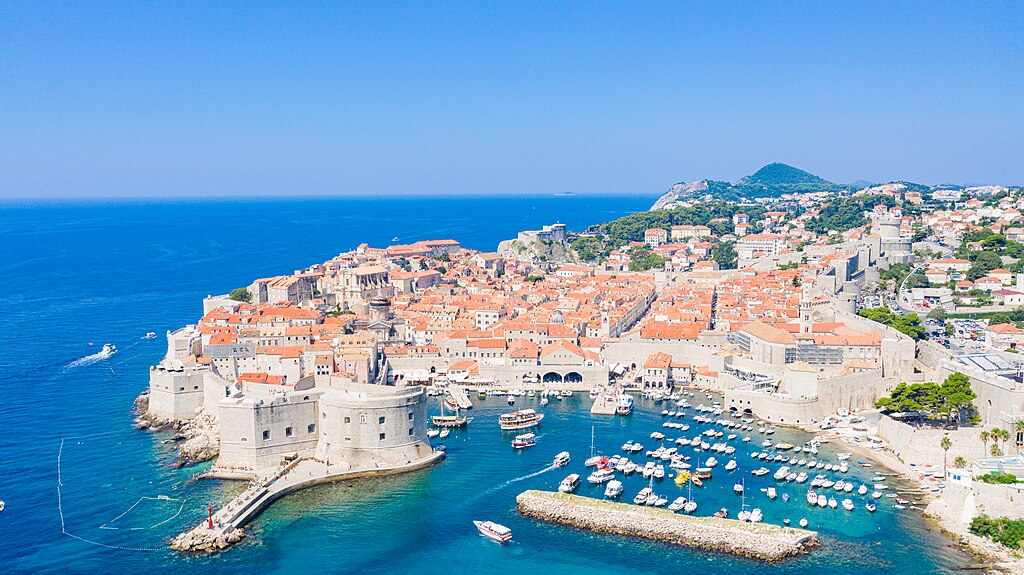
Croatia in summer is a sun-soaked paradise for global travelers. In fact, “the best time to visit Croatia is in the summer (June to August), when the weather is hot and sunny, the glittering coast is at its best, and the festival season is in full swing”. Each summer, millions flock to the Adriatic shores. By August 2025, Croatia had already welcomed 15.5 million arrivals (a new record) thanks to its booming summer tourism. From pebbly beaches to ancient seaside towns, the country comes alive in summer. In this guide, we explain why summer is ideal for visiting Croatia and share top summer destinations, lodging strategies, and money-saving travel tips for your Croatian vacation.
Why Summer is the Best Season in Croatia
Croatia enjoys a truly Mediterranean summer: long sunny days, warm clear seas (average 22–25°C in July–August), and almost no rain on the coast. This makes swimming, sailing and beach time unbeatable. As travel guides note, summer (June–August) is when visitors “flock to the Adriatic Coast to enjoy the hot weather, beaches, summer festivals, cruises, sailing and island hopping”. Nearly every city and island town is bustling, restaurants and cafés open late, and outdoor festivals (music, film, food) are in full swing. The balmy nights and vibrant nightlife add to the fun.
That said, even with high-season crowds, summer has advantages: the long daylight hours give you more time to explore, and many attractions (forts, parks, museums) stay open late. Beach facilities, water sports, and boat tours operate at full tilt. If you crave beach time and warm weather, there’s simply no better season. Just pack sun protection and book popular spots early to get the best deals.
Top Summer Destinations in Croatia
Croatia offers something for everyone in summer – from historic cities to idyllic islands and national parks. Here are the highlights:
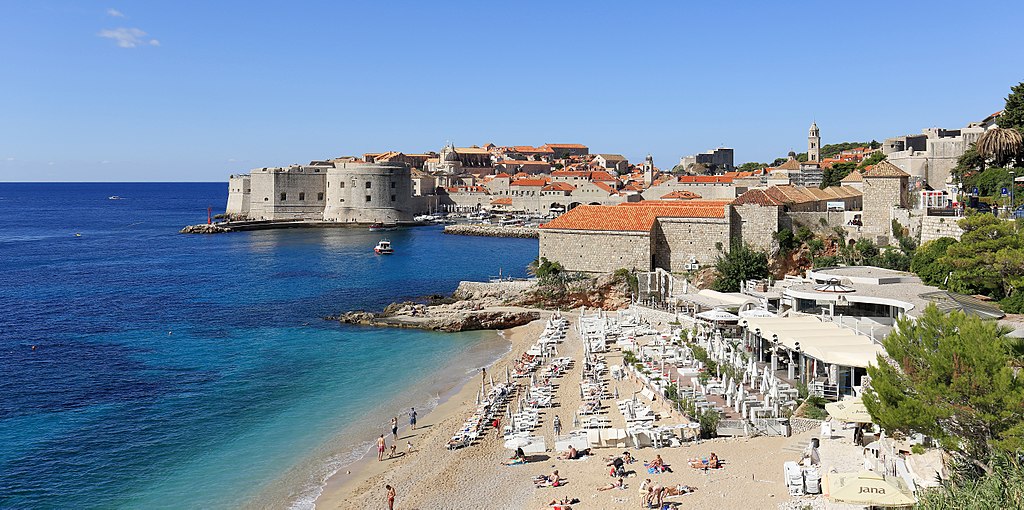
- Dubrovnik and the Dalmatian Coast: The walled Old Town of Dubrovnik is Croatia’s summer icon. Medieval ramparts sit above a pebble beach (see above), and the city’s fortress overlook the sparkling Adriatic. In summer the weather is hot and festivals abound – for example, the Dubrovnik Summer Festival brings music and theater to the squares and walls. As one guide explains, summer is when travelers crowd to Croatia’s coast for “hot weather, beaches [and] summer festivals”. The nearby Dalmatian coast is dotted with beaches and small seaside towns; for example, Fort Lovrijenac and Banje Beach give epic views of Dubrovnik’s city walls. Don’t miss sailing out to nearby islands (see below) or exploring Pelješac Peninsula’s vineyards.
- Island Escapes (Hvar, Korčula, Brač): Croatia’s islands are a hallmark of summer travel. Take Hvar, a luxury island known for its sun-drenched lavender fields, Venetian architecture and lively harbor at Hvar Town (photo above). Fine beaches like Dubovica and jungle-clad Pakleni Islands lie off Hvar Town. Each summer travelers sail or take ferries for island hopping – a trip around Hvar, Korčula or Brač lets you swim in hidden coves and enjoy sea views. In fact, travel tips explicitly mention summer cruises and sailing along the Dalmatian coast as highlights. For a quieter island, consider Korčula (charming walled old town) or Vis (a slower pace).
- National Parks & Lakes: Even though summers can be hot, Croatia’s mountain and forest parks are stunning and (relatively) uncrowded in summer. The two big draws are Plitvice Lakes and Krka National Park. Plitvice features a series of emerald lakes and waterfalls along easy boardwalk trails – summer’s lush greenery makes it look like a fairy-tale. Krka (pictured above) lets you actually swim near its falls and includes a boat trip to an island monastery. Notably, guides point out that “the National Parks will be less crowded than the coastline” even in high summer, offering a refreshing escape from the beach crowds. Arrive early or late in the day for cooler temperatures and better photo light.
Aside from these, consider these must-see summer spots:
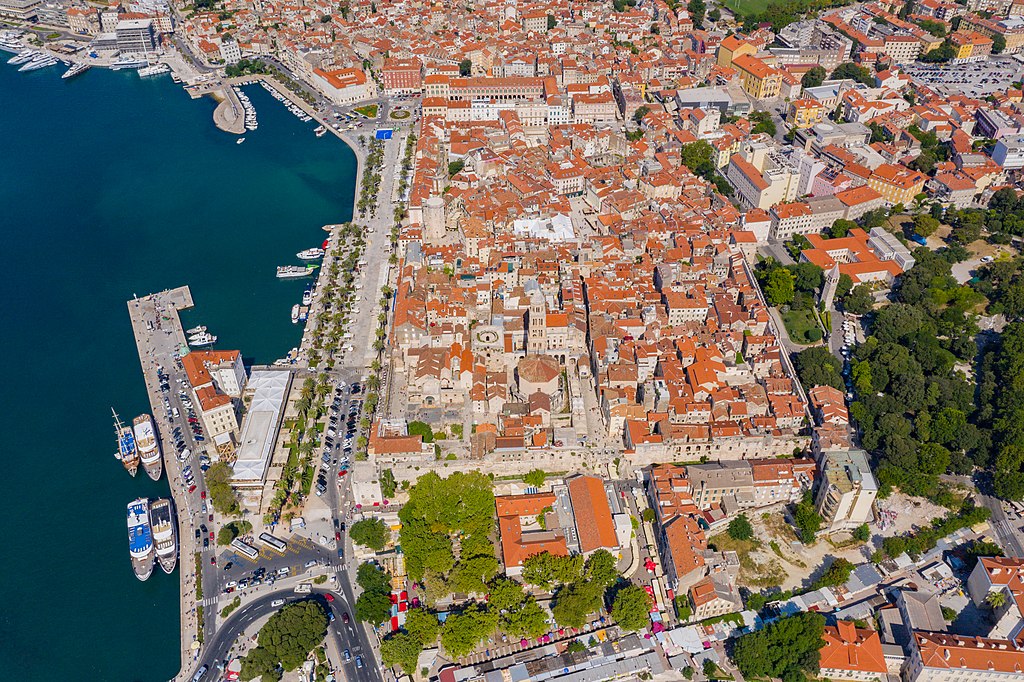
- Split & Trogir (Dalmatian Coast): The bustling port of Split grew around Diocletian’s Roman Palace. Today it has a lively waterfront promenade and a maze of ancient streets. Split is also a ferry hub for islands. Just north lies Trogir – a small medieval town on its own UNESCO island. Both make great bases for coastal day trips.
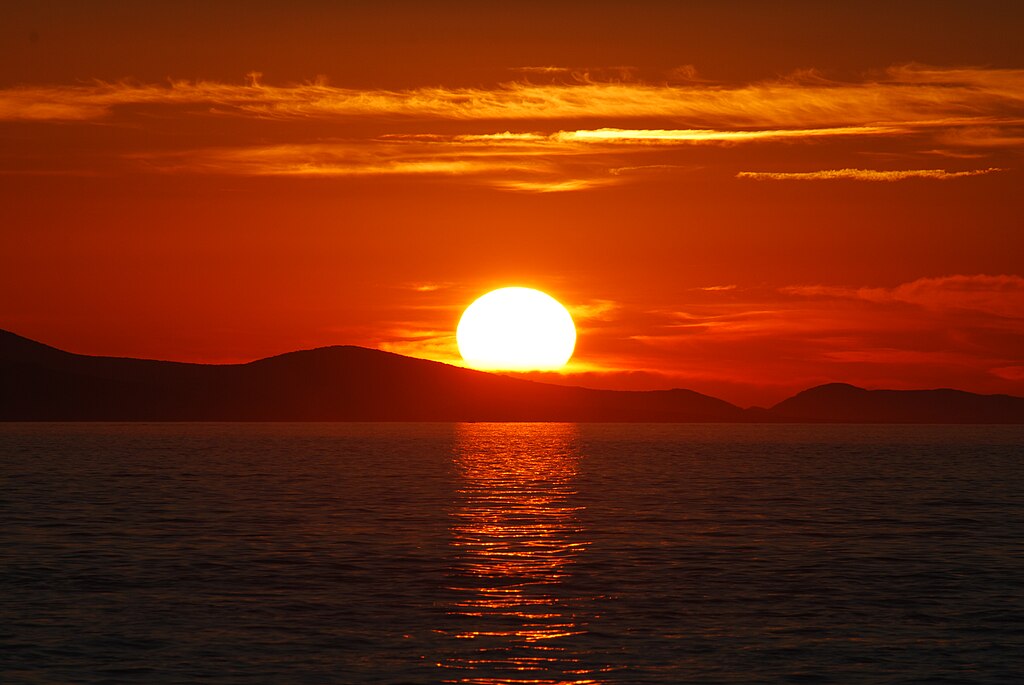
- Zadar: This coastal city blends old and new: it has well-preserved Roman ruins and a 16th-century church. Summer visitors love Zadar’s famed sea organ and “Sun Salutation” art installation – they play music and lights at sunset. It’s also cheaper than hotspots: “Zadar combines Roman ruins, magical sunsets, and that dreamy Adriatic vibe — all for a fraction of the cost”.
- Istrian Peninsula (Pula & Rovinj): In the north, Istria feels almost Italian. Pula boasts a Roman amphitheater by the sea, while picturesque Rovinj has colorful harbor and Venetian-flavored lanes. Inland Istria is full of vineyards and hill towns (like Motovun). Summer in Istria means wine festivals, olive oil tastings, and relaxing on its mild beaches.
- Zagreb: Even though it’s inland, Croatia’s capital is worth a stop. Known for its museums, art galleries and lush parkland, “Croatia’s underrated capital” has a lively café scene and summer street festivals. Many visitors fly into Zagreb, so spending a day or two here is easy. (The city’s “Zagreb Card” gives free or discounted entry to top sites if you’re on a tight schedule.)
Each of these destinations has its own character, but all share the advantages of summer’s warm weather and long days. Beaches are open, trails are clear, and even high-mountain roads (like to Plitvice) are summer-ready.
Accommodation Tips for Summer Travel
Summer is peak season in Croatia, so lodging books up early. Here are some tips for finding and choosing accommodations:
- Self-catering Apartments (Apartmani): Renting an apartment or villa is very popular. Locals often list private holiday apartments (apartmani) on Booking.com or Airbnb. These usually offer more space (and a kitchen) than a hotel room, often at a lower price. A kitchen lets you cook with fresh market ingredients (cheaper than dining out). Travel advice confirms that hotels have a “hefty price tag” in summer, while family-run apartments are “much more affordable”. In many coastal towns and islands, you’ll find dozens of apartmani, so compare options and book a few months in advance.
- Hotels and Guesthouses: Hotels (especially beachfront or historic ones) are charming but can be expensive in July–August. To save, look for smaller local hotels or “pension” guesthouses a little off the waterfront. Family-run pensions often offer simple rooms at reasonable rates. If you prefer a hotel’s convenience, book very early (spring or earlier) to avoid sold-out dates and lock in moderate rates.
- Hostels and Homestays: Croatia’s cities (Dubrovnik, Split, Zagreb) and even many islands have hostels for budget travelers. These range from dorm rooms to private rooms. For a local experience, consider a sobe homestay (rooms in someone’s house) – these are common and usually more affordable than hotels. In summer, some locals even put a “Rooms for Rent” sign on their window. One tip: if a town looks full on the hotel sites, sometimes you can simply walk in and find a room offered by a homeowner. In peak season, locals often rent spare rooms directly to tourists.
- Camping and Glamping: Croatia has hundreds of campsites, especially along the coast and national parks. Camping is a great option for families or outdoor fans. Sites typically offer tent or camper pitches as well as mobile home rentals. Note that camps fill up fast in high summer, so reserve your spot early if you plan to camp. Some “glamping” camps also offer luxury tents or cabins as a mid-range alternative.
Budget Travel Tips
Travelling in high season can strain the wallet, but smart choices can save a lot. Here are key budget tips for a Croatian summer trip:
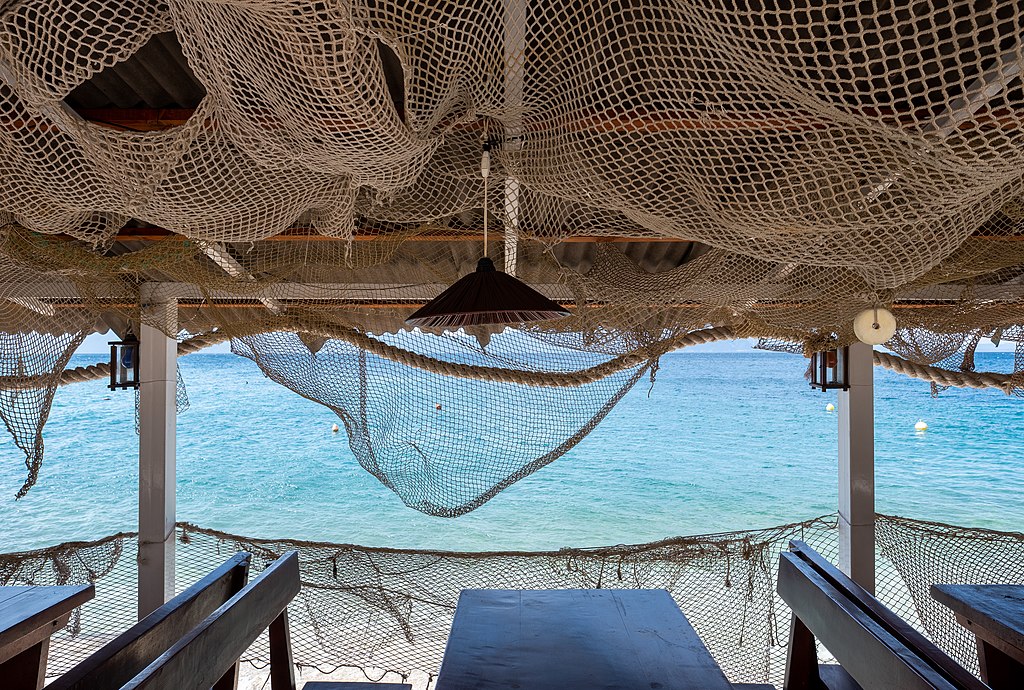
- Eat Like a Local: Coastal towns have tempting seaside restaurants, but tourist-trap eateries often charge premium prices for mediocre food. To save money and taste authentic cuisine, head inland a block or two from the main harbor or promenade. There you’ll find family-run konobas (taverns) where locals eat. These cozy spots serve hearty dishes like peka (meat/vegetable roast), grilled seafood, or ćevapi at much better prices. For example, grilled sardines are a local favorite – fresh, healthy and usually the cheapest seafood on the menu. A good rule: if a spot is crowded with Croatians and no English menu in sight, you’ve likely found a bargain.
- Choose Cheaper Towns: Some gorgeous places come with peak-season premiums. Instead of always splurging on Dubrovnik or Hvar, consider smaller towns. For instance, Šibenik (on the Dalmatian coast) has medieval charm and fortresses with far fewer crowds. Zadar offers Roman ruins and stunning sunsets — “all for a fraction of the cost” of Dubrovnik. The island of Korčula feels like a miniature Dubrovnik (stone walls, old town) but is less crowded and cheaper. Even inland destinations (like Slavonia’s Baranja region) can offer traditional cultural experiences at bargain prices.
- Be Smart About Transport: Public transport in Croatia is generally reliable and affordable. Long-distance buses connect cities and towns cheaply (especially if booked early). For islands, ferries are frequent but can book up – reserve tickets in advance during July–August. If driving, avoid toll highways when possible. The main A1 highway has toll booths that add up (a Zagreb–Split drive costs over €20 in tolls). Instead, take the scenic coastal/state roads. They’re slower but free, and the views make it worth it. Bonus: fuel is usually cheaper at local stations off the highway. If traveling with friends or family, splitting a car rental can actually beat ferry or airfare costs, and lets you explore hidden spots (wine roads, mountain villages) on your schedule.
- Avoid Bank Fees: Croatia adopted the Euro in 2023, simplifying money matters. Still, be mindful at ATMs. Tourist areas often have private ATMs (like “Euronet” machines) with very high fees. Instead, use ATMs inside bank branches (Zagrebačka Banka, Erste, PBZ etc.) or major grocery stores, where fees and exchange rates are better. Withdraw larger amounts at once to minimize repeat fees. Also, many local shops and markets prefer cash; some may add a 5–10% surcharge for credit cards. Having Euro cash handy (and small change) can save you hidden costs.
- Skip Tourist Traps: In high-season hotspots, some businesses exploit tourists. Avoid restaurants plastered with large English menus or big food pictures – these often serve bland overpriced meals. Instead, follow the locals. Likewise, skip souvenir shops on the main streets; look for artisan markets or small boutiques away from the crowds. Be wary of street vendors selling “tours” or excursions – book through official outlets or use apps for self-guided tours. Always carry some small bills (5- and 10-euro notes) so you’re not forced into shady money deals or overpaying.
- Plan Free or Low-Cost Activities: Many of Croatia’s highlights cost nothing or little beyond a park fee. For example, public beaches are everywhere along the coast and free to use (just bring your own towel and umbrella). In cities like Split, Zagreb or Dubrovnik, look out for free walking tours (tip-based, led by locals). Buying an early-morning ticket to Plitvice or Krka can save you both crowds and, in some cases, slightly lower entrance fees. And of course, simply wandering cobbled old towns, enjoying sea views, or picnicking on a hilltop all make great memories at no cost.
Conclusion
Croatia truly shines in summer. The warm, sunny weather unlocks its stunning coastline, islands and historic towns – no wonder visitors from all over the world flock here at that time. To make the most of your Croatian summer trip, plan ahead: book your lodging early (and consider apartments or homestays for savings) and scout out affordable spots as noted above. Pack a hat and sunscreen, bring cash for local eateries, and be ready for long days of sightseeing and relaxation.
Whether you’re drawn by the legendary beaches of the Dalmatian coast, the island adventures, or the natural beauty of national parks, Croatia in summer will not disappoint. Use the tips above to budget smartly (dining locally, avoiding tourist traps, taking local roads) so you can focus on enjoying every sun-soaked moment. Happy travels – and start planning your Croatian summer getaway today!