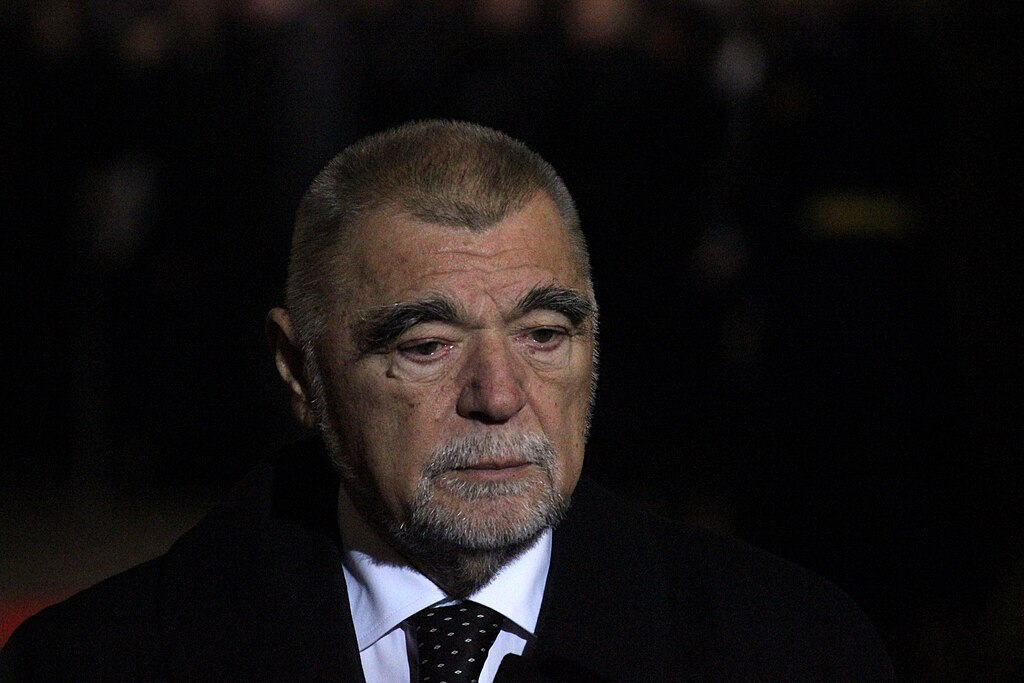
Stipe (Stjepan) Mesić He was born on December 24, 1934 in Orahovica (he celebrated his 90th birthday). He grew up in Slavonia in a family of patriotic parents: his mother passed away when he was 17 months old, so his grandmother and stepmother Mileva took care of him. He finished high school in Požega, and in 1955 entered the Faculty of Law in Zagreb (graduated in 1961). During his studies, he shared a room with Stip Šuvar and even found himself in a small film role (he played in a film Don’t turn around son) ). After completing his studies, he worked as a judge in Orahovica and legal advisor in Našice, until he moved with his family to Zagreb in 1964 (where he became the director at Universal).
Political career and state affairs
Stipe Mesić entered politics in the mid-1960s. In 1965, he was elected as an independent member of the Parliament of the Slovak Republic of Croatia, and in 1967 he became the mayor of Orahovica. After the Croatian Spring in 1971, during which he supported greater political freedoms for Croatia, Mesić was arrested, convicted of “enemy propaganda” and served a prison sentence in Stara Gradiška. In the early 1990s, he joined the HDZ of Franjo Tuđman, becoming his general secretary and one of his closest associates.
- 1990. – The first Prime Minister of the Republic of Croatia (Mandate from May to August).
- 1990–1991. – Croatian member, and then President of the Presidency of the SFRY (July to December 1991). As president of the SFRY, he was the last leader of the former Yugoslavia after Croatia and Slovenia separated.
- 1992–1994. – President of the Croatian Parliament. Due to disagreements over HDZ’s policy towards Bosnia and Herzegovina, he resigned from the HDZ in 1994 and founded the Croatian Independent Democratic Party (HND).
- 2000. – Chosen for President of the Republic of Croatia; In February 2000, he won in the second round and remained in office until 2010 (re-elected in 2005). During his mandate, Croatia became a member of the NATO alliance and continued the process of EU rapprochement, and Mesić contributed to the opening of the country to Western partners.
As president, Mesić advocated reconciliation in the region and dealing with the burden of the war past. For example, in interviews and speeches, he pointed out that Serbs and Croats “condemned to live next to each other” and called on both sides of politicians to reduce tensions. His statements about the Homeland War and the criticism of Franja Tuđman’s nationalist policy caused sharp reactions in the public, but at the same time the general public on the liberal side saw him as the leading person who strongly turned Croatia towards the West and the rule of law.
After the end of the presidential term, Mesić remained active as an international observer and peace advisor. In 2010, he was engaged in a UN mission in Kyrgyzstan to calm ethnic tensions. He often gives speeches about the importance of anti-fascism: at the gatherings of anti-fascists in Croatia (e.g. in Kumrovac at the Youth Day celebration) he emphasized that history cannot be changed and defended Tito’s legacy against those who would like to justify fascist atrocities. As a pensioner, he continues to comment on current events: he regularly calls for civic dialogue and criticizes revisionist attempts to write new historical “truths” in the region.
private life
Mesić has been married since 1961 to Milka Mesić (née Dudunić) from Hrvatska Kostajnica; They have two daughters. Milka Mesić was the first lady of Croatia during the period 2000-2010; She passed away in 2024 at the age of 85. In his free time, Stipe Mesić practices nanbudo (martial art) and often emphasizes his love for music and dance (that’s how he and Milka met at a dance dinner). As a public figure, he regularly meets colleagues from political and cultural life and participates in commemorations and humanitarian events.
Conclusion
Stipe Mesić is one of the most prominent figures of Croatian politics of recent times: he was First Prime Minister of the Republic of Croatia, The last president of the SFRY and Second President of the Republic of Croatia in two terms. His hereditary spirit, a tendency to dialogue and internationalism are often quoted as key elements of his legacy. Regardless of the political differences regarding his views, Mesić remains remembered as a statesman who strongly advocated democratic values and the opening of Croatia to the world.
The biography of Stipe Mesić provides an insight into the turbulent historical events of Croatia and the region, from the Croatian Spring to the entry into NATO. What part of his career are you most interested in? Share your opinion in the comments, and for more similar articles, follow our posts and announcements!
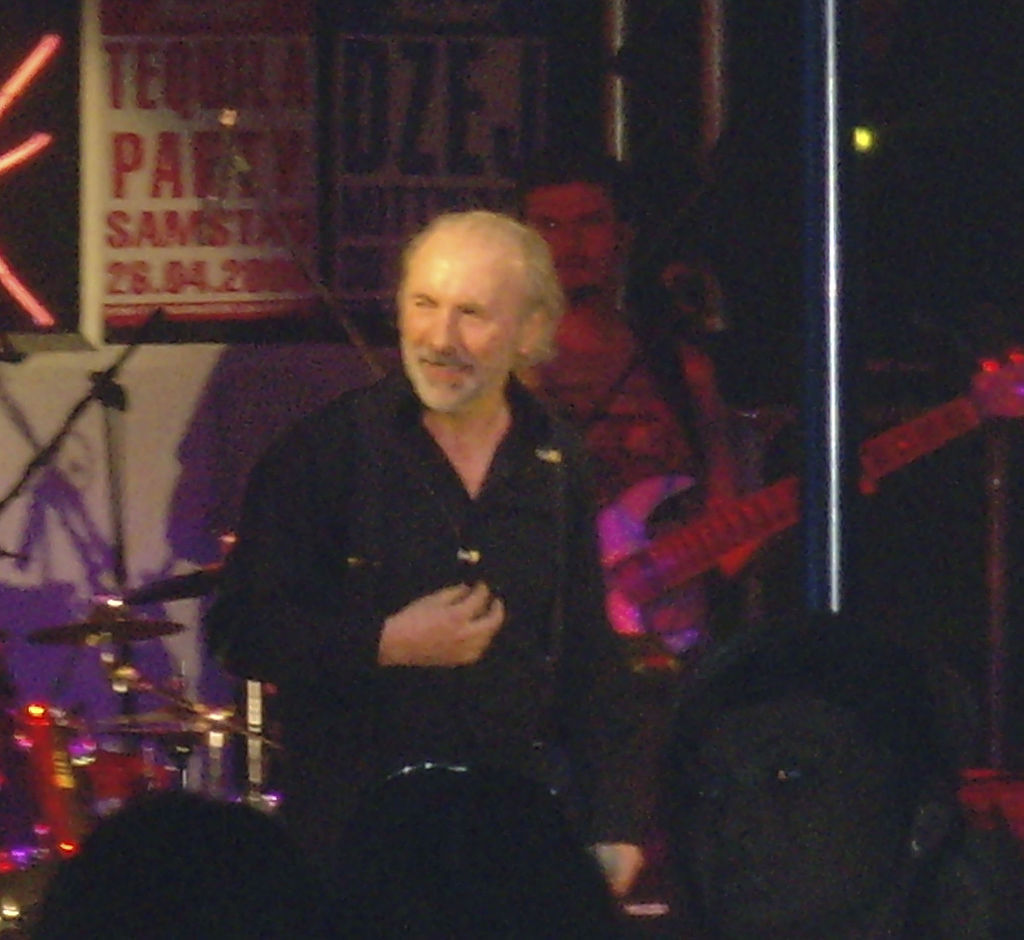
Cover photo: Limojoe Michal Reiter, CC BY-SA 3.0, via Wikimedia Commons