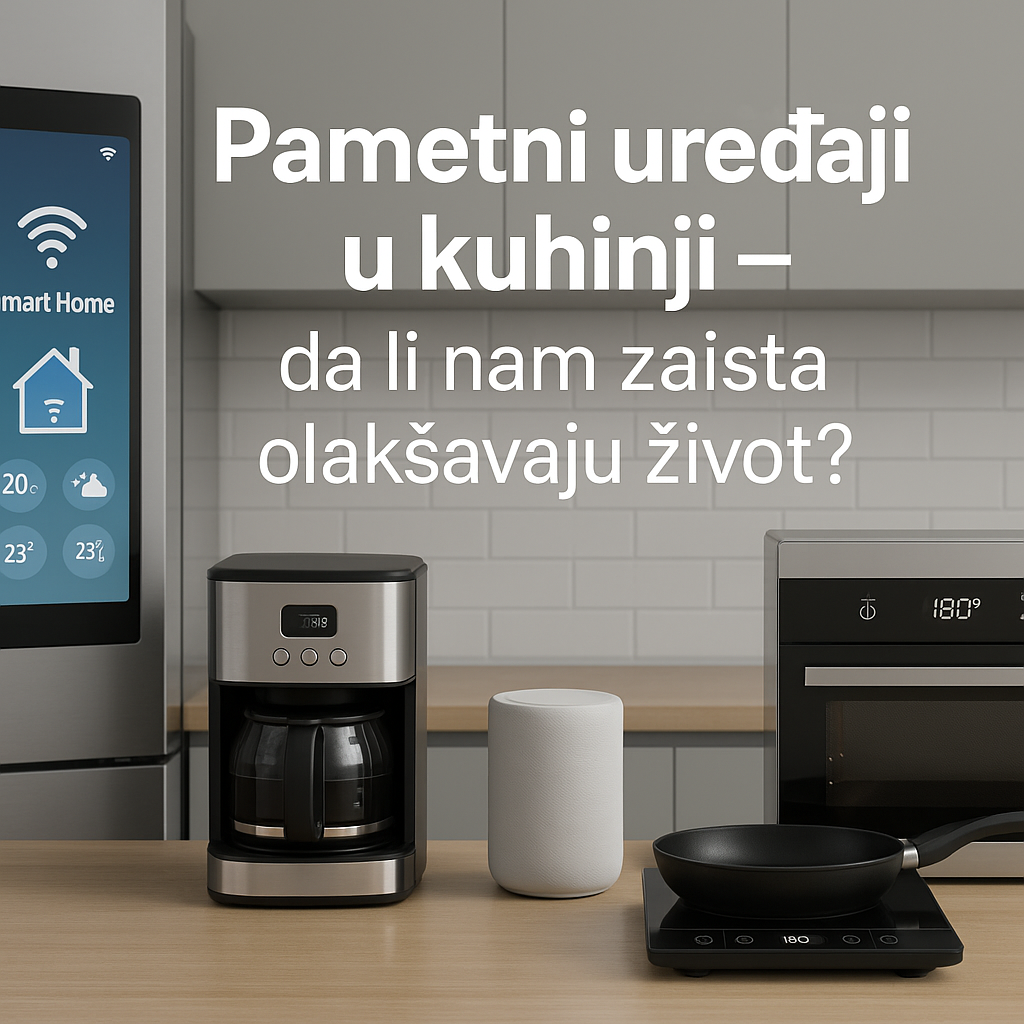
Smart appliances in the kitchen They are becoming an increasingly common sight in modern homes: refrigerators with a screen, ovens that turn on from the phone, coffee machines that make exactly at the given time and Wi-Fi thermostats built into the ovens. But when advertisements and lights are removed, the question remains the same: are these devices really useful or do they represent a set of ‘gadžet’ that brings more problems than useful?
Smart appliances in the kitchen They can greatly simplify everyday tasks — speed up preparation, reduce food waste and increase precision when cooking — but they also come with risks: privacy, security and potentially higher standby cost. Before buying, check how long the manufacturer has been providing security updates, whether the device can work without the Internet and how much benefit you really get from ‘smart’ functions.
In this detailed guide, we will break down the claims, look at the available studies and market trends, discuss the benefits and real risks (privacy, security, energy), and give a practical checklist for shopping and smart use in the kitchen.
What exactly are smart devices in the kitchen?
By ‘smart devices in the kitchen’ we mean household appliances that can be connected to the Internet or the local network, offer additional digital functions (applications, notifications, remote control, automatic recipes, sensors) and often use data to adjust work. Examples include: smart refrigerators, Wi-Fi ovens, smart coffee machines, smart dishwasher, induction panels with sensors, and integrated systems that communicate with assistant voices and other devices.
Myths and facts
-
myth: Smart devices always save energy.
Fact: I can optimize consumption in some scenarios, but additional modules and displays increase standby consumption; The result depends on the model and use. -
myth: All smart devices work only through the cloud.
Fact: Many modern devices support local functions and communication (especially with Matter and Edge Computing), but check the specifications. -
myth: If you have a smart fridge, you will never waste food again.
Fact: The system helps, but the actual effect depends largely on whether you use it consistently.
Brief overview of markets and trends
The smart kitchen appliance market is growing rapidly: Different analyzes predict double-digit annual growth rates over the next few years as manufacturers expand their bid and introduce interoperable standards. A significant increase in the share of smart devices in the total sales of household appliances in the next decade is expected.
Read our post: How Artificial Intelligence Changes Everyday Life in 2025
Also, the industry is moving towards standardization so that devices from different ecosystems can ‘talk’ more easily – Standard Matter has expanded support to large kitchen appliances such as ovens and hobs, which means that in the future compatibility will be less problematic.
Advantages of smart devices in the kitchen – what works well
-
Saving time and convenience
- Remote ignition/off the oven or coffee machine means that the preparation can be synchronized with coming home.
- Reminders and notifications (eg ‘milk is running out’, ‘washing machine finished’) help to make obligations more organized.
- Managing recipes directly on the device shortens the search time in kitchen applications.
-
Precision and consistency in cooking
- Smart ovens and sous-vide machines enable accurate temperature maintenance, which reduces the risk of overcooked or undercooked food. This is especially useful for ambitious local chefs.
-
Reducing waste and tracking inventory
- Some smart refrigerators with cameras or apps help monitor food supplies and warn of expiry, which can reduce food waste when used properly. Research and industrial views show that advanced inventory management systems can significantly reduce household waste food.
-
Energy optimization
- Through smart profiles, devices can work in more favorable tariff periods and optimize cycles (eg dishwashers that choose a shorter cycle when the dishes are less dirty), which can result in lower energy consumption when used thoughtfully. Some research shows potential savings and optimization of consumption in smart homes.
-
Integration with other devices and automation
- Example: Smoking sensors can signal a smart oven to reduce heating, or the camera in the fridge can send a grocery list directly to the shopping list in the phone. This kind of interoperability can really make everyday life easier when working reliably.
Risks and ‘black points’ – which really worries
-
Privacy and data collection
- Smart devices often collect data: usage logs, interior fridge images, voice recordings (if a voice assistant is connected). There are studies and tests that have shown that many devices send unexpected data or use unencrypted connections. This raises the question of who has access to this information and for what purposes it is used.
-
Safety vulnerabilities (IoT device hack)
- Smart devices sometimes have leaks that allow unauthorized access. Examples from the past, such as vulnerabilities discovered on some smart fridges, show that poorly protected devices can be the entry point for attackers into a home network. Regular security updates and proven manufacturers are essential for risk reduction.
-
Additional power consumption and embedded computing power
- Although smart algorithms sometimes save energy, the accessory of electronics, screens and network modules increases the basic consumption of devices in standby mode. The overall impact depends on the design of the model and how it is used.
-
Obsolescence and support (e-Waste)
- Software obsolescence (someone stops issuing security updates) can quickly make the device risky. Physical and software longevity becomes an important factor when purchasing – otherwise we will have more electronic waste.
-
Overcomplicity and “Feature Bloat”
- Many users expect simplicity in the kitchen. Too many smart functions can confuse, slow down frequent use and cause frustration (eg if a slow application prevents the oven from burning quickly). User experience (UX) is crucial.
Are smart devices cost-effective? (real savings vs cost)
The cost-effectiveness rating depends on several factors:
- The price of the device (smart model is usually more expensive than standard)
- How often do you use it (intensive use increases value),
- Is smart function really useful and stable (eg automatic steering that works flawlessly is worth more),
- Duration of support and update (more long-term support increases profitability).
Research on energy savings shows that it is possible to achieve benefits, but most often when smart devices are used within a wider smart home (load management, work in favorable tariff zones). An individual device in itself will often not return a higher price in a short time without changing habits.
Environment and food impact (is it smart = sustainable?)
There are two important aspects:
- reduction of food waste – Inventory monitoring systems and shelf life reminders can significantly help reduce food waste in households. There is evidence and industry representations that well-implemented inventory functions can reduce food waste.
- E-Waste and Energy Price of Electronics – Each additional electronic module and screen increases the amount of components that must be recycled. That is why it is important to choose producers who guarantee long-term support and the possibility of security updates.
Conclusion: Smart devices can improve sustainability (less food in garbage), but at the same time they can increase electronic waste – the outcome depends on the product design and the practice of the end user.
Security and Private Tips (specific – what to do before and after purchase)
- Check the privacy policy and type of data that the device collects. If the manufacturer actively collects images or voice records and does not offer clear control, think twice.
- Update the firmware regularly – Many vulnerabilities are handled by manufacturers through updates. If the device no longer gets an update, stop connecting it to the network.
- Create a separate network for IoT devices (Guest Wi-Fi) to isolate devices from the main network with personal data.
- Turn off unused sensors (eg microphones or cameras) when they are not needed. If you can’t physically turn off the camera, think about a model without a camera.
- Check manufacturer’s reputation and safety reviews – Consumer Reports and similar organizations sometimes publish traffic and privacy analyzes.
How to choose a smart kitchen device – a practical checklist
Check the following before buying:
- Are smart functions really useful for your routine? (if you bake regularly, a smart oven is worth more)
- How long does the manufacturer promise an update? (longer better)
- Is there a possibility of local integration (eg Matter)? – Local integration usually means greater stability and privacy.
- Can the device be used basic and without internet? (important if you want minimal cloud dependency)
- What is the actual consumption in standby mode?
- Safety and privacy reviews – Search for reports and tests (eg Consumer Reports).
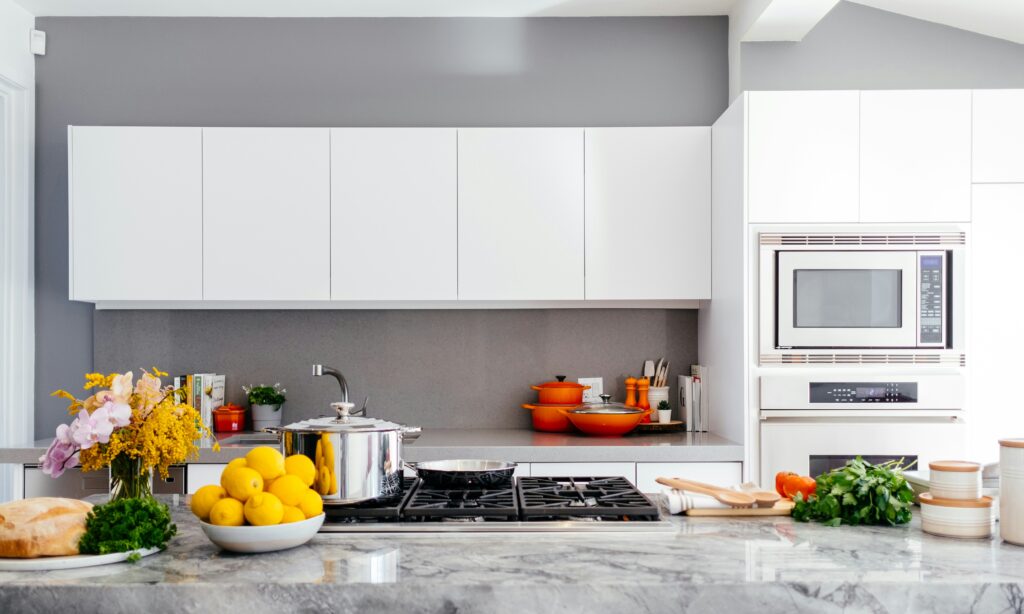
Examples of smart solutions that are worth noting (short review)
- Smart thermostats and ovens with precise control – Good for those who often prepare demanding dishes.
- programming coffee machines – Great if the morning routine is key.
- Inventory tracking systems in refrigerators – Useful if you often buy too much or forget deadlines.
- Dishwasher with adaptive cycles – They can save water and energy with frequent use.
Note: Specifications and actual efficiency vary among models – it is worth reading reviews and tests.
The future of smart kitchens – what can we expect?
- The broader support of the Matter standard, which will facilitate the integration of large kitchen appliances into existing smart ecosystems and enable local communication without Cloud mediation. This will reduce complexity and potentially increase security.
- More local computer functions (edge computing) that process data on the device itself – this reduces the sending of sensitive data to remote servers.
- Smart energy optimization: Integration with home energy storage systems and tariffs to make the most of renewable energy and batteries.
Smart kitchen appliances can really make life better – but mainly for those who will use their functions: families who want to reduce food waste, individuals who look for precision in cooking, and those who want automation of the morning routine. If you are only looking for basic functionality and minimal energy consumption, a conventional device could be a better and more sustainable investment. Choose carefully, check the manufacturer’s support, security updates and personal habits before paying the premium price exclusively for additional smart functions.
Conclusion – who should buy smart appliances in the kitchen?
Smart appliances in the kitchen can really make life easier – but mostly those who will take advantage of their functions: To families who want to reduce food waste, people who are looking for precision in cooking, and those who want automation of morning routines. If you are looking for only basic functionality and minimal energy consumption, the classic device may be a better and longer-term investment.
The key is: Choose thoughtfully, check the manufacturer’s support, security updates and personal habits before paying the ‘premium’ price only for additional smart functions.

Sources (used to verify facts and figures)
- Smart Kitchen Appliances Market (Mordor Intelligence). mordorintelligence.com
- Smart Kitchen Appliances Market (Straits Research). straitsresearch.com
- What is Matter? – Wired: ‘Herewith what theMatterSmart Home Standard Is All About’. Wired
- Whirlpool: Matter 1.3 and support for kitchen appliances. Whirlpool Pro
- Consumer Reports – smart appliances privacy and security. Consumer Reports
- Ethical Hacking / Safety Analysis of a Smart Refrigerator (Graduate Thesis / PDF). Diva Portal
- Research on energy savings and smart technologies (PMC / academic papers). PMC
- Examples of vulnerability and security discoveries (The Register). The register
- Academic and Industrial Analysis of Appliance and Impact Market (Grand View Research). grandviewresearch.com