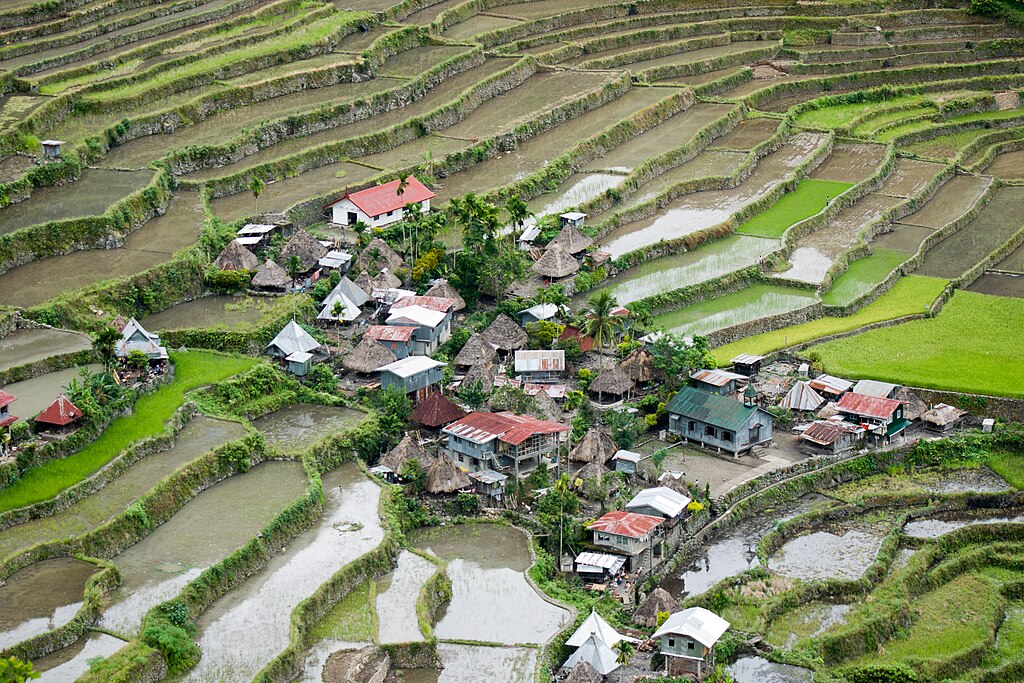
The mountain landscape of the Philippine island of Luzon causes enthusiasm even among those who live there. A fantastic adventure for tourists begins on the rice terraces of Banaue.
If someone were looking for the most beautiful workplace in the world, a young woman from the Northern Philippines would probably be among the best. Behind the low wall on which she lined up the carved figures of saints, the ‘Eighth Wonder of the World’ shines: the rice terraces of Banaue.
The name of the ‘wonder of the world’ is not an official recognition, but this shortcoming does not make the mountain landscape on the island of Luzon less fascinating. Even travel here is an experience that has little to do with many European ideas about tropical Southeast Asia, and a lot to do with adventure.
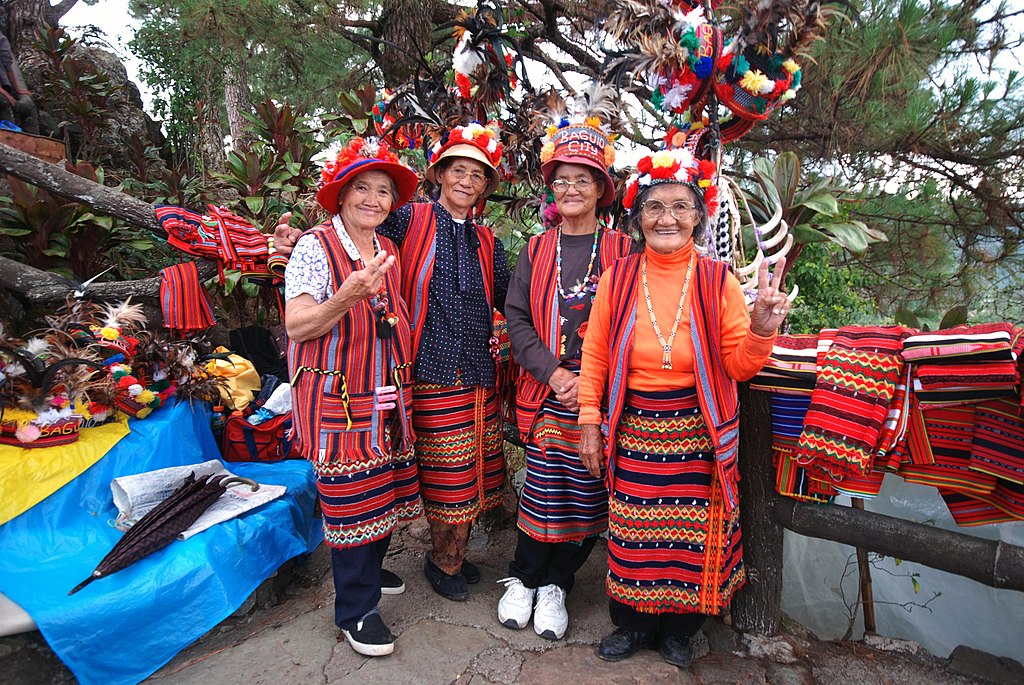
Some rice terraces have been rising up the slopes of the Cordillera region for 2000 years, and since 1995 they have been on the UNESCO World Heritage List as a ‘cultural landscape’. The locals call themselves ‘Igorots’ – mountain people – and they always feel somewhat disadvantaged compared to people from large Filipino cities.
The first destination is Mount Data
The journey to the rice terraces leads through the capital Manila, first to Laoag, and then to Bagui, a city located at an altitude of approximately 1600 meters. Daily temperatures here are much lower than in the humid, hot lowlands of Luzon; It can even get cold at night. The first stop after Baguia is Mount Data. The road usually winds uphill and downhill. The trip is best done by car with a driver or guide. Those who want to travel much cheaper can take one of the public buses, but they will have to give up some comfort.
Even between Bagui and the roughly 1,700-meter high Mount Data peak, still far from Banaue and the ‘eighth wonder of the world’, the inhabitants of the lush green hills created terraces. Many hills therefore resemble pyramids. However, rice is not grown on terraces, but vegetables: potatoes, salad, carrots. Small trucks, here called ‘jeepney’, which need to be overtaken occasionally, are loaded with cabbage up to the last square centimeter.
A freshly slaughtered cow head is leaning against a wall
Lunch at the inn, where tour guide Peter Gawe stops the driver, turns out to be a real test for Europeans: the head of a freshly slaughtered cow leans against the wall next to the entrance. Inside, flies buzz around wooden tables, and serve beef with rice. And what kind of dark liquid does it pour in cups? Is it hot tea? ‘No, it’s a beef soup,’ says Peter. Visitors have yet to ‘get used to how life works here’.
The next morning we continue towards the town of Sagada, 50 kilometers away. Although the road, winding down steep slopes, is part of the ‘highway network’, it is only partially paved. Where it is not, we travel on macadam, and in some places we can only progress by walking. We cross mud puddles several times.
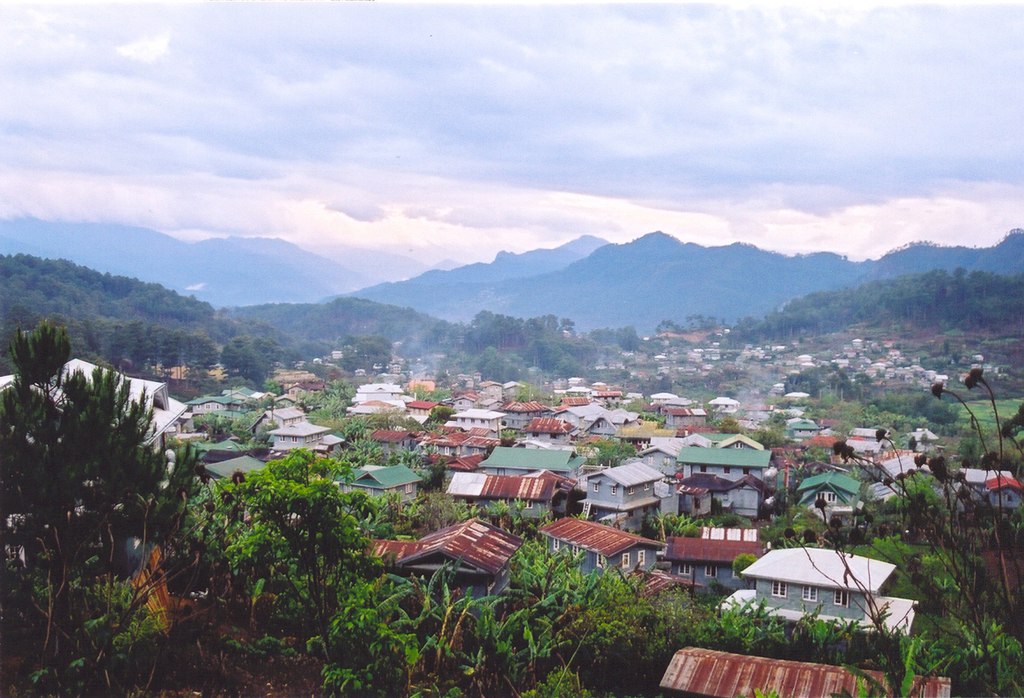
leisurely pace
Especially in the villages, it is clear that the pace of life in the cordiers is more casual than in busy Manila. Dogs frolic in the street, while a few steps away the hen is being slaughtered. Behind the next bend, three children walk hand in hand with asphalt towards the school, they are hardly bothered by car horns. Villages will see dozens of wooden coffins stacked on top of each other along the rock in semi-darkness. ‘Then people would ask: do you want to lie underground?’ Peter Gawe explains the custom.
After Sagada, the adventure tour finally turns to rice. The first terraces can be seen around the town of Bontoc. Many visitors, who admire the fields, have no idea of the sophisticated irrigation and drainage technology used here. This is even more true in Banaue, 45 kilometers away. Here, most of the walls that border the terraces on the slope and thus ensure that rice plants are always immersed in water are not built of stone like in Bontoc. At least their surface consists of solidly compacted earth. Maintaining these forts requires even more effort for farmers.
But this effort in the long run could mean ruin for the cultural landscape and the ‘eighth wonder of the world’. Rice is a cheap commodity and many families are already barely surviving from its sale. People are constantly moving, leaving their fields to heal. ‘If the government doesn’t come up with something for these people, the rice terraces of Banaue could eventually disappear,’ says Peter Gawe.
It’s not that far yet: anyone who stops at one of the gazebos can see a multitude of terraces glittering in the sun. And a young woman on a low wall can continue carving her figures of saints with one of the most beautiful jobs in the world behind her.
arrival and formalities: Lufthansa flies every day from Frankfurt am Main to Manila with a transfer to Guangzhou (China). Asian airlines like Cathay Pacific and Singapore Airlines also offer flights from Frankfurt, with transfers in Hong Kong or Singapore. Germans must have a passport valid for at least six months to enter the Philippines.
Travel season and climate: In the Cordillera, the difference between rainy and dry periods is less strict than elsewhere in the Philippines. However, the best time to visit is from January to May. It can be hot during the day, but showers can also be expected. It can be very cold at night.
Time difference: In winter in Europe plus seven hours, summer plus six hours.
Currency: 1 euro is approximately 68 pesos.
Health: Vaccination is not necessary. However, vaccinations against tetanus, polio, diphtheria, hepatitis A and rabies are recommended.
Language: Philippine and regional dialects. Almost all the inhabitants of the Philippines, including Luzon, also speak English.
Cover photo: PHOTO BY Cephoto, Uwe Aranas