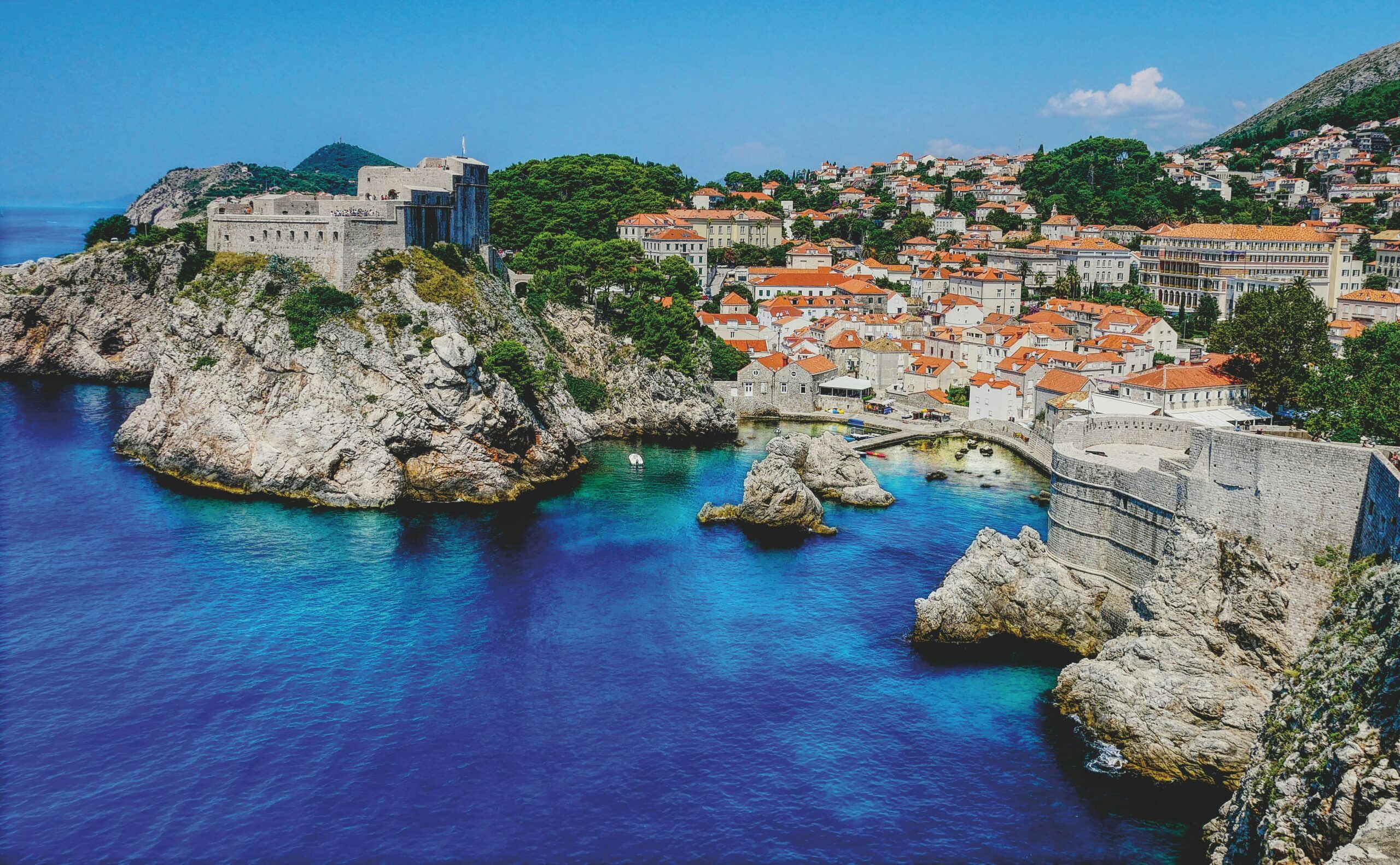
Geography and Climate of the Republic of Croatia
The Republic of Croatia, located at the crossroads of Central Europe, the Balkans and the Mediterranean, is known for its diverse geography and favorable climatic conditions. This country offers a range of natural beauty, from mountain ranges to the coast of the Adriatic Sea, which makes it an attractive destination for travelers, historians and adventurers. The key characteristics of Croatia’s geography and climate are discussed below, together with useful information from the real experiences of visitors.
- Geography: Croatia covers 56,594 km², most of which are occupied by lowlands and hilly terrain, while the internal regions are hilly. Along 1,777 km of coastline, Croatia is proud of its extremely clean sea and numerous islands.
- Climate: The climate varies from moderate continental in the interior to the Mediterranean along the coast, which allows for various activities throughout the year.
Key points
Croatia boasts a variety of landscapes, including:
- National parks: The Plitvice Lakes and the Krka National Park attract nature lovers with beautiful waterfalls, trails and rich flora and fauna.
- Mountain ranges: Velebit and Dinara offer ideal conditions for hiking and winter sports, attracting adventurers from all over the world.
- Adriatic coast: Along the coast, there are more than 1,200 islands, some of which are inhabited, such as Hvar and Korčula, while others are perfect for escape.
advantages and disadvantages
| Gains | Shortcomings |
|---|---|
| Diversity of natural beauty | Seasonal crowd during summer |
| Favorable year-round climate | High prices of services in tourist centers |
| Numerous outdoor activities | Less public transport availability in more remote areas |
User views and experiences
Analysis of reviews from platforms such as Reddit and TrustPilot reveals that many travelers consider Croatia one of the most beautiful destinations in Europe. Sonja, a user on Reddit, points out: ‘Croatia is magical! Plitvice is like a fairy tale, and the beaches on the islands are unmatched.’ Many visitors praise natural beauty, but also warn of seasonal crowds: ‘I advise you to visit in September to avoid crowds,’
On the other hand, some guests also make criticism, such as a review left by a user on TrustPilot: ‘The prices in Dubrovnik are astronomical during the summer. It is not easy to find favorable options.’ Although the climate is very suitable for tourism, users note that spaces outside the main tourist attractions should be better connected by public transport.
Ultimately, the Republic of Croatia offers a diverse geography and a pleasant climate that meets the needs of all types of passengers. Whether you are a history lover, adventurer or traveler in search of relaxation, Croatia offers experiences that will surely inspire you.
History and culture of the Republic of Croatia
The Republic of Croatia, located at the crossroads of Central and Southern Europe, is rich in history that spans more than a thousand years. This country, with its beautiful landscapes, historic cities and vibrant culture, attracts tourists from all over the world. Croatia can boast of a diverse heritage, which includes the influence of the Romans, Venetians, Austria-Hungary and other cultures. Famous beaches, national parks, and historical monuments make Croatia a unique destination for various types of travelers.
-
Benefits:
- Plenty of historical landmarks, including Roman ruins, medieval castles and baroque churches.
- A diverse cultural tradition with numerous festivals and events.
- Stunning natural landscapes that offer opportunities for various outdoor activities.
-
flaws:
- Seasonal crowds in popular tourist spots can be unbearable.
- Some historic sites may be under-maintained or difficult to reach.
- High prices in tourist areas.
Historical overview
Croatia has a complex history that can be divided into several important periods. From ancient times, when part of the territory was inhabited by the Romans, to the Middle Ages, when the first Croatian states were formed, this nation undergoes numerous transformations. After the period under Venice and the Habsburg Monarchy, Croatia became part of Yugoslavia after the First World War. Many historical events, including the Homeland War, shaped the modern Croatian state.
cultural peculiarities
The culture of Croatia results in a combination of various influences that have been shaped over the centuries. Folk traditions, dances, music and gastronomy reflect the diversity of regions. In addition, Croatia hosts numerous festivals, including the Dubrovnik Summer Games and the Zagreb Animated Film Festival, which attract visitors of national and international importance.
Adventure tourism
Croatia offers numerous opportunities for active vacations. National parks such as Plitvice Lakes and Paklenica are perfect for hiking and cycling tours. The coast of the Adriatic Sea is ideal for sailing, diving and various water sports. In addition, continental Croatia offers rivers such as Una and Mrežnica, which are popular among canoeists and rafters.
Visitor experiences
The experiences of visitors to Croatia vary, but they are generally commendable. On the Reddit platform, users share the delight of the beautiful landscapes and hospitality of the local population. One user points out: ‘Plitvice Lakes are unforgettable! Every step is like a picture.’ On the other hand, some tourists at G2 emphasize the high prices of the season: ‘The prices were shocking during the summer, but the experience was worth every penny.’
| Source | Evaluation | Comments |
|---|---|---|
| 4.5/5 | ‘Croatia is a paradise for all lovers of nature and history.’ | |
| TrustPilot | 4/5 | ‘The research of Split and Trogir was a real pleasure. But watch out for the crowds.’ |
| G2 | 4.5/5 | “Cultural festivals are the best way to get to know the local community.” |
In conclusion, the Republic of Croatia is a destination that offers a rich historical heritage, diverse culture and numerous adventure opportunities. Whether you are a historian, a culture lover or an adventurer, Croatia will leave you with unforgettable memories. The variety of experiences, from historical tours to adrenaline sports, makes this country extremely attractive to all kinds of travelers.
The power and policy of the Republic of Croatia
The Republic of Croatia, located at the crossroads of Central and Southeastern Europe, has been an independent state since 1991, which is proud of its rich history, cultural heritage and natural beauty. The government and politics of Croatia are shaped through a series of historical events that influenced national identity and social structure. Understanding the political system of Croatia is crucial for sightseeing the country, especially for those looking for unique travel destinations, historical sights or outdoor adventure activities.
- Political system: Croatia is a parliamentary republic with a multi-party system.
- Executive power: President of the Republic and the Government.
- legislation: Parliament of the Republic of Croatia.
- Local administrative system: Division into 20 counties and the City of Zagreb.
Croatia has a complex political system that includes different levels of government. The executive power consists of the president and the government, while the legislative power is represented by the parliament. It is important to note that Zagreb, as the capital, is not only a political, but also a cultural center of Croatia, where most institutions of government, museums and historical places are located.
The main arguments and historical context
Elections in Croatia take place every four years, and the party system often reflects different interests of citizens and regional specificity. Croatia became a member of the European Union in 2013, which further strengthened its international status and opened the door to the further development of tourism and economy.
| Gains | Disadvantages |
|---|---|
| stable political system | Political tensions and corruption |
| unique cultural heritage | uneven development of regions |
| Access to EU funds | High unemployment in some areas |
Researching user experiences
Users on online platforms such as Reddit and TrustPilot often share their experiences related to political life and the influence of government on everyday life. Here are some highlights:
- Reddit user: ‘Life in Zagreb is great, but the political situation can be frustrating at times.’
- Review of TrustPilot: ‘I am satisfied with Croatia’s progress as a member of the EU, but sometimes I feel that the Government does not react quickly enough to the problems of ordinary citizens.’
As one might notice, user experiences are diverse and provide insight into everyday challenges that citizens face. Experts emphasize the importance of active participation of citizens in the political process to ensure changes that bring improvements.
The Republic of Croatia, with its complex political system and rich history, offers travelers much more than just sightseeing. Understanding power and political processes can enrich the experience of every visit, and the experiences of the local population provide valuable perspectives on the country.
The economy and infrastructure of the Republic of Croatia
The Republic of Croatia, located at the crossroads of Central Europe, the Balkans and the Mediterranean, offers a diverse economic landscape that is shaped by a rich history, natural resources and strategic geographical position. This section explores the key aspects of the Croatian economy and infrastructure, providing an account of the current situation, development, challenges and opportunities for travelers, historians and adventurers.
-
Main characteristics of the economy:
- The economy is based on tourism, industry and agriculture.
- The gross domestic product (GDP) of the Republic of Croatia amounted to approximately EUR 62 billion in 2022.
- The share of tourism in GDP is about 20%, making it a key branch for development.
-
Infrastructure:
- Developed transport network, including highways, railways and airports.
- Croatia has 8 international airports, including Franjo Tuđman Airport in Zagreb.
- Ports in Rijeka, Split and Dubrovnik play an important role in maritime traffic.
-
Challenges and opportunities:
- Unemployment is decreasing, but it remains worrying, especially among young people.
- Digitization and innovation represent an opportunity for growth and development of new industries.
- Environmental challenges and renewable energies are an important topic and growing investment areas.
Advantages and disadvantages of economy and infrastructure
-
Benefits:
- A strong tourism sector that attracts millions of visitors every year.
- Original and high-quality agricultural products, such as olive oil and wine.
- Developed transport infrastructure that facilitates access and mobility.
-
flaws:
- High unemployment rate among young people.
- sometimes obsolete industrial infrastructure that requires investment.
- Access to health and public services in rural areas may be limited.
User reviews and experiences
Research on platforms such as Reddit and TrustPilot reveals diverse experiences of travelers regarding economic and infrastructure services in Croatia. Many users declare:
- ‘Croatia is a beautiful country with incredible beaches and cultural heritage, but sometimes infrastructure, like roads, seems insufficiently maintained.’
- ‘I really enjoy local food and products, especially olive oil from Istria!’
- ‘I visited several cities and I had to notice a noticeable difference in the quality of services in tourist centers compared to less developed places.’
Conclusion
The economy and infrastructure of the Republic of Croatia provide extraordinary opportunities for travelers, historians and adventurers. Considering the rich cultural resources, natural beauty and strategic location, Croatia remains an attractive destination for various types of visitors. Understanding these aspects can significantly enrich the experience of traveling and exploring this fascinating country.
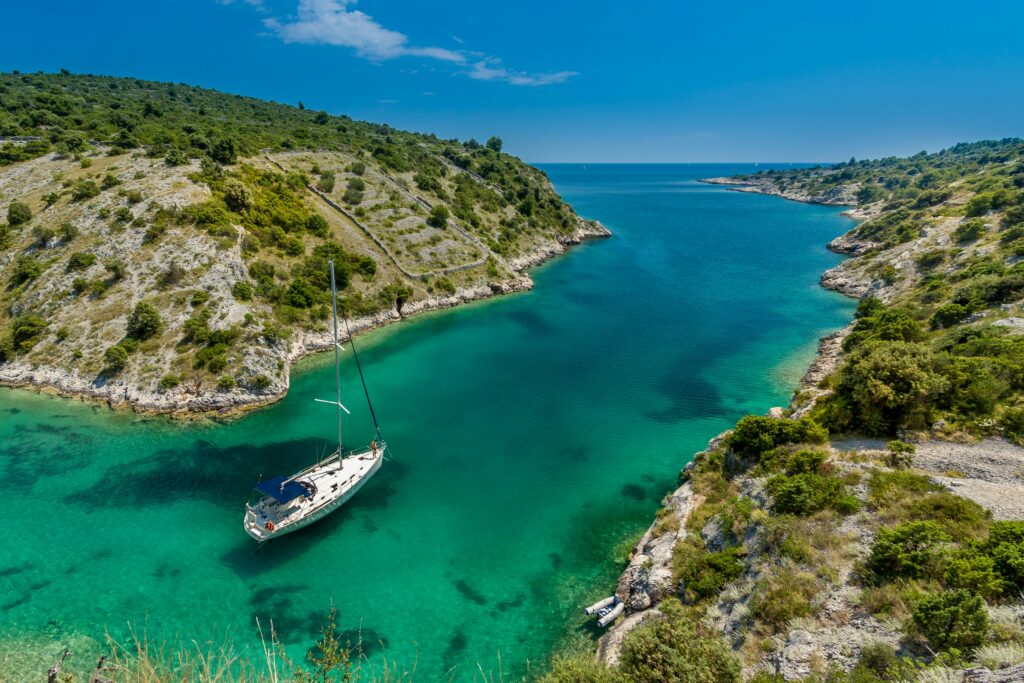
Society and Demography of the Republic of Croatia
The Republic of Croatia is a country located in Central Europe, known for its diverse culture, rich history and stunning natural beauties. With a population of about 4 million people, Croatia offers a unique combination of tradition and modern life, which makes it an attractive destination for travelers, historians and adventurers. This section includes demographic data, social structures, culture features and the influence of the tourism sector on society.
-
Benefits:
- A diverse culture and tradition that manifests itself through festivals and customs.
- Affordable opportunities for adventure tourism in nature.
- Historical locations that attract tourists and historians.
-
flaws:
- reducing the number of inhabitants due to the emigration of the younger population.
- The economy that relies on tourism can be vulnerable.
Demographic data
According to the last population census from 2021, Croatia has about 4 million inhabitants, which represents a decline compared to previous years. The share of the elderly is growing, while young people are increasingly emigrating in search of better life opportunities throughout Europe.
Culture and society
The culture of Croatia has been shaped throughout the centuries under the influence of different peoples and historical events. Croatia is known for its folk traditions, music, and especially for folklore dances. There are numerous festivals on the Adriatic that celebrate local culture, including the Festivan Ribara in Split and the Žilavka holiday in Dubrovnik.
Historical features
The history of Croatia includes significant events such as the medieval reign of King Tomislav and the struggle for independence during the 90s of the last century. This history can be explored in numerous museums and cultural centers, such as the Museum of the City of Zagreb and the Homeland War of the Museum in Zagreb.
The impact of tourism on society
Tourism plays a key role in the Croatian economy, providing opportunities for work and development, but it also creates challenges such as overcrowding of certain locations. Statistics show that 20% of Croatian GDP is the result of the tourism industry, especially the coast and the Plitvice Lakes National Park attract millions of visitors annually. As the user on Reddit comments: ‘Croatia is like heaven on earth, but visitors must be better managed in order to preserve natural beauty.’
User reviews
On platforms such as TrustPilot and G2, travelers often share their experiences about traveling to Croatia. Many praise accessibility and hospitality, while others highlight high prices in the tourist season.
- The user at TrustPilot says: ‘A wonderful country with a rich history. The visit to the Krka National Park was unforgettable!’
- However, one reviewer on G2 notes: ‘Somewhat disappointed with the prices of restaurants in Dubrovnik, but the experience is warm and beautiful.’
Tourism and attractions in the Republic of Croatia
The Republic of Croatia, located at the crossroads of Central Europe and the Balkans, offers incredible opportunities for tourism and a variety of attractions that attract travelers of all interests. From historic cities to stunning nature, Croatia has a wealth that will satisfy even the most picky travelers. This section explores the main tourist destinations, activities and unique experiences that make Croatia unique and attractive.
- Historic cities and cultural attractions: Dubrovnik, Split and Zadar are known for their rich history and UNESCO protected sites.
- Natural beauty: National parks such as Plitvice Lakes and Krka National Park offer spectacular landscapes and opportunities for adventure activities.
- Outdoor activities: Croatia offers a range of activities including hiking, cycling tours and water sports, especially on islands such as Hvar and Brač.
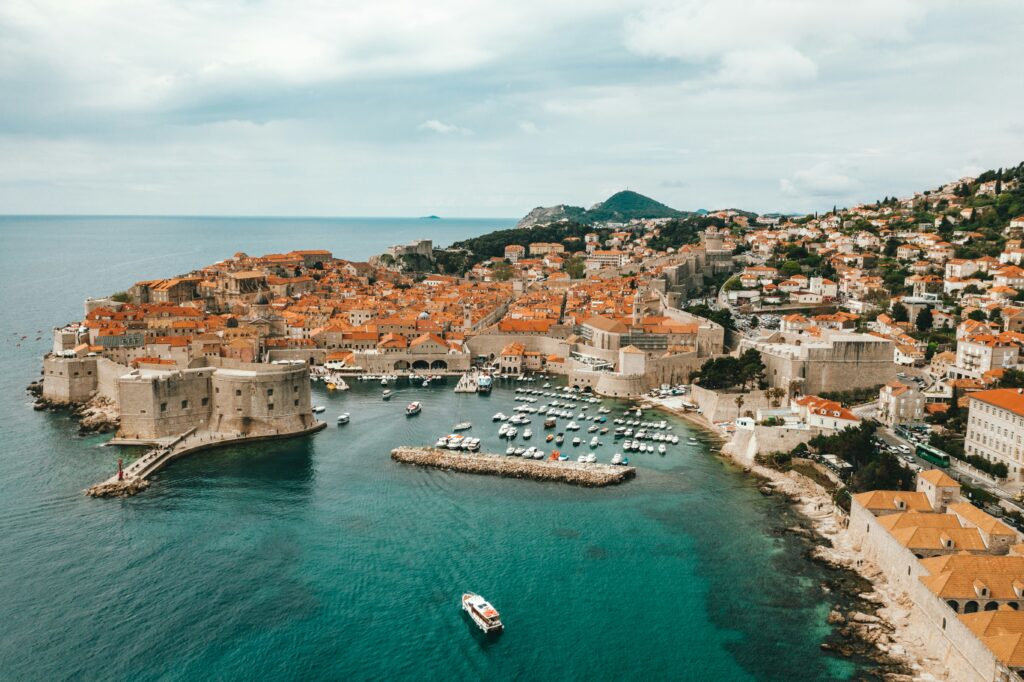
Croatia can boast of trends in tourism that complement each other, such as ecotourism and cultural tourism, which are on the rise among visitors. Data from 2022 show that more than 20 million tourists visited Croatia, and 40% of them came because of cultural and historical attractions.
Advantages and disadvantages of tourism in Croatia
-
Benefits:
- A variety of attractions that attract a wide audience.
- Rich cultural heritage with numerous festivals and events throughout the year.
- Beautiful nature that offers opportunities for active holidays.
-
Disadvantages:
- Sometimes excessive crowds in popular destinations during the summer season.
- Increase in the prices of accommodation and services in the season.
- The need for sustainable tourism due to potential negative impact on the environment.
User experiences and opinions
Users on platforms such as Reddit and TrustPilot share their experiences with traveling to Croatia. Many highlight beautiful beaches and friendly atmosphere, while some warn of traffic jams and high prices during the summer.
- ‘We visited Dubrovnik and were delighted with its beauty, but the crowds were unforgettable. I recommend a visit outside the main season.’ – User from Reddit platform.
- ‘The Plitvice Lakes National Park is an incredible place, but the prices of accommodation in flight are high.’ – Review on TrustPilot.
- ‘While the islands like Hvar are wonderful, the lack of parking and crowds can be frustrating.’ – User Feedback on G2.
Conclusion
The Republic of Croatia is an attractive destination for travelers of all interests, with rich history, diverse cultural experiences and extraordinary nature. In addition to considering the positive and negative aspects of tourism, travelers can plan their journey in a way that will allow them to enjoy all the charms of this beautiful country as much as possible. “`
Conclusion
The Republic of Croatia stands out as a fascinating destination that offers a rich cultural heritage, diverse geography and favorable climatic conditions. Through complex aspects of government, economy and infrastructure, as well as the demographic and social context, Croatia shows its dynamic nature and adaptability within the European environment. Along with the immense beauty of nature, historical sights and cultural riches, Croatia remains an attractive destination that meets the needs of various travelers, and offers unforgettable experiences that will remain in the memory for a long time. In this way, Croatia not only attracts tourists, but also strengthens its identity through rich interaction with guests and continuous improvement of its resources.
Cover photo: Photo by Matthias Mullie he unsplash.