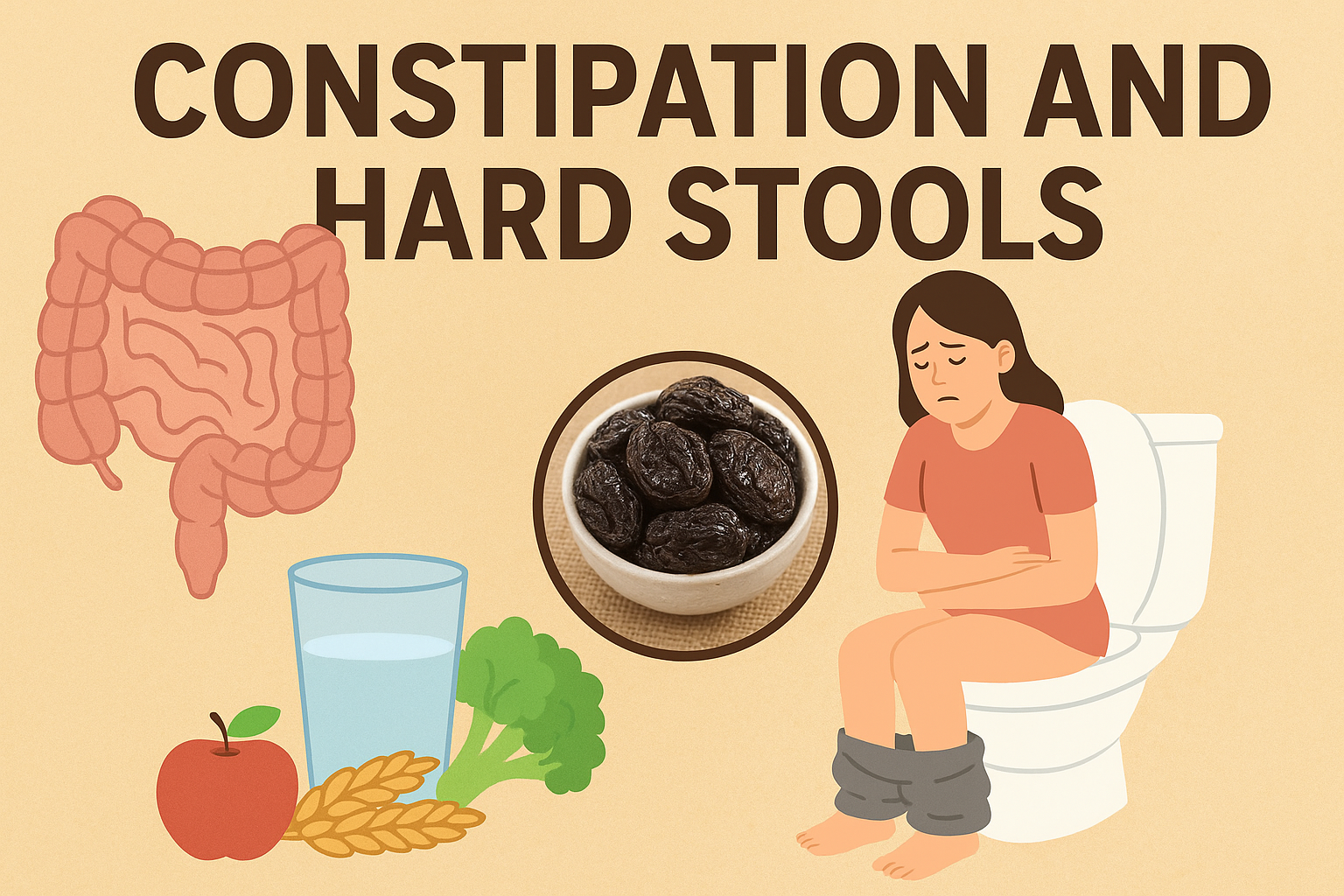
Hard stools and constipation are common digestion problems that can be very unpleasant. Causes are usually a lack of water, fiber and movement. A simple adjustment of lifestyle – more fluid, fibrous food and regular exercise – often helps – with appropriate home preparations and medicines as needed. Below is a comprehensive overview of natural and pharmaceutical ways to quickly relieve stubborn stools, for adults and children.
Why hard stools and constipation occur
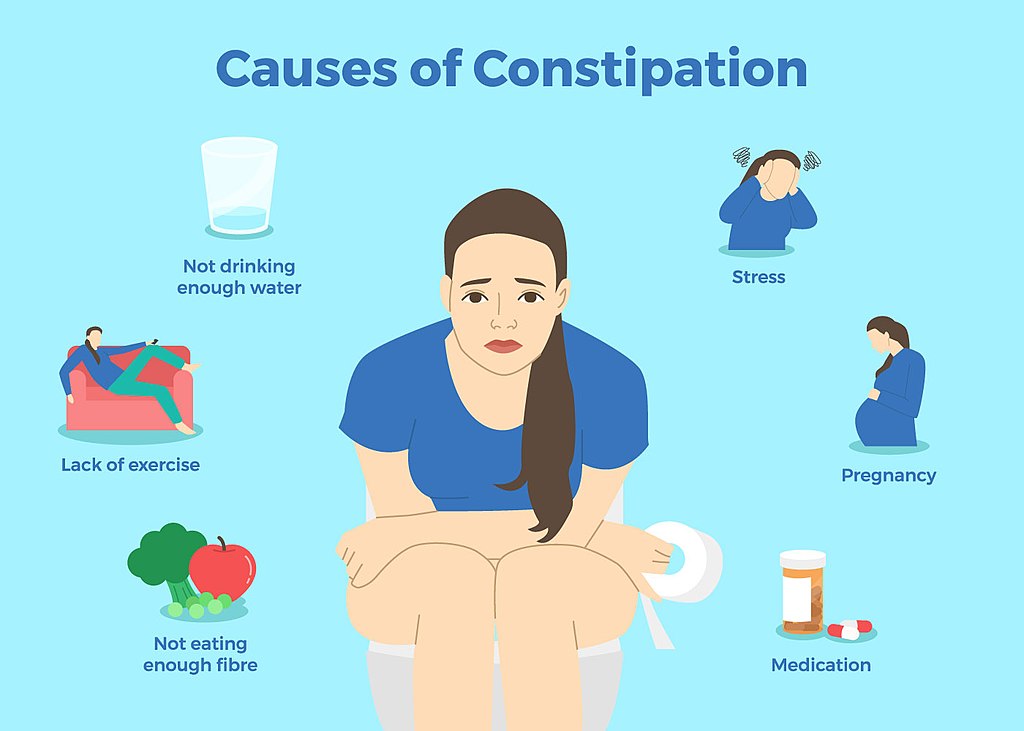
The most common cause of hard stool (constipation) Insufficient fluid and fiber intake. When we drink too little water and eat little fruit, vegetables and whole grains, the stool dries out and becomes hard. Additional factors include A sudden transition to a sedentary lifestyle and too little exercise – This slows down the work of the intestines. Stress, traveling and delaying going to the toilet can also interfere with digestion. In pregnancy and some diseases (eg hypothyroidism, IBS) constipation is an additional problem. Therefore, the basic measure is: More fluid, more movement and more fiber in diet.
- Fiber and liquid. Aim for at least 25–35 g of fiber (according to the guidelines) every day and drink plenty of water. Fibers increase the volume and softness of stool, and the water keeps it hydrated. About 25 g of fiber per day is recommended for women and about 38 g for men.
- Lack of movement. Regular exercise – and light walking for 10-15 minutes a day – promotes bowel function.
- Habit changes. Avoid delaying the emergency; Form a routine of going to the toilet at least once a day (eg 15–30 minutes after a meal). Also, pay attention to the correct position on the toilet (foot on the floor or low elevations) to facilitate the passage of the chair.
- other factors. Stress and psychological pressure can worsen constipation. Sufficient rest and breathing exercises also help digestion.
Natural remedies and home remedies for hard stools
First and foremost, try Natural measures:
A sufficient amount of water and rich in fiber Diet are key to dealing with hard stools. Good sources of fiber are fruits, vegetables and whole grains.
- Drink more water and hot drinks. dehydration dries stool; Therefore, drink at least 1.5-2 liters of water per day (more if it is warm). Warm water or mild teas in the evening or in the morning can stimulate bowel movements. Herbal teas are a great choice: Sena tea (Cassia senna) is a powerful natural laxative that irritates the wall of the colon and significantly softens the stool. Ginger tea It can help with poor digestion and flatulence, with a mild laxative effect. Other useful teas are chamomile tea or dandelion tea – they have a relaxing effect on the digestive tract. Caffeine coffee also has a mild laxative effect on many people, so a morning cup of coffee often stimulates bowel movement.
- fibrous food. Enrich the menu with foods rich in fiber: fruits (plums, prunes, apples, pears, raspberries), vegetables (broccoli, carrots, leafy vegetables), legumes and whole grains. Dry prunes (plums) and Plum juice are particularly effective – studies show that a glass of 100% plum juice per day significantly relieves chronic constipation, thanks to sorbitol and pectin, which soften the stool. And fresh prunes (or plum puree) work excellently as a natural laxative.
- probiotics. Foods rich in probiotics (yogurt, kefir, sauerkraut) can help establish a healthy intestinal flora and facilitate digestion. While the evidence is not huge, many people cite better regularity with probiotics.
In addition, pay attention to your meal schedule and regular exercise. Try the following:
- In the morning, on an empty stomach, drink a glass of lukewarm water (maybe with a little lemon or honey), then stretch slightly.
- Eat breakfast that includes fibrous foods (eg oatmeal with fruit).
- After each large meal, sit on the toilet for up to 10 minutes; If nothing happens, get up – sitting for a long time can only cause strain.
- Exercise regularly (fast walking, light running or yoga squats) for at least 10–15 minutes a day.
If these procedures do not bring relief, among folk laxatives Also mentioned are: massaging the lower abdomen in circular motions, consuming mixed almond or flax gel tea, and introducing a small amount of flax seeds or chia seeds into a yogurt or smoothie (careful sufficient fluid intake). Enemas (warm water or mineral oil) are also used for very hard stools.
Pharmaceutical options: Laxatives and stool softeners
If Natural remedies don’t work fast enoughThere are numerous over-the-counter medications available:
- Extra fiber (Fiber): Preparations based on psyllium (stool fillers, eg metamucil) increase stool volume and make it softer.
- Osmotic laxatives: These laxatives (magnesium citrate or magnesium hydroxide – ‘magnesium milk’, lactulose, sorbitol, polyethylene glycol such as miralax) work by draining more water into the intestine; softening the chair. Magnesium citrate is suitable for short-term quick relief, but do not overdo it.
- Stimulants: preparations such as Bisacodil (Dulcolax) or Senna (senokot) directly stimulate intestinal contractions. They work quickly (usually 6-12 hours after taking), so they are suitable for acute constipation. However, use only as needed – chronic use can get the bowels used. Senna in pills or tea strongly promotes discharge
- Chair softeners: substances such as Docust sodium (eg Colace) work by draining additional fluid into the stool, which facilitates the passage of stool. They are useful if the stool is extremely dry.
- Lubricants: Mineral oil (oral) coats the stool and the wall of the intestine, making it easier to pass. It is not recommended to use long-term use due to insufficient nutrition.
- Glycerine suppositories and laxative suppositories: Rectal suppositories (glycerin or with a light laxative) quickly stimulate the stool by direct irritation of the rectum. An enema with warm water or a mild soapy solution is used in very severe cases of constipation, according to the doctor’s instructions.
Each medicine should be used according to the instructions and care not to overdo it. If you do not know which medicine is suitable or if constipation is difficult and long-term, consult a doctor. In general, the most natural ‘laxatives’ are still water, fiber and prunes; Use medicines when they are really needed.
Quick help with stubborn stools
Simplified stools can help with sudden episodes Fast solutions:
- prunes and plum juice. Consume 4-6 prunes or a glass of juice. Research confirms that regular intake of plum juice alleviates constipation symptoms without significant side effects.
- warm water and lemon. A glass of lukewarm water with a few drops of lemon juice can stimulate the work of the intestines, especially in the morning.
- light movement. After a glass of water, walk around the room or do light stretching. Frequent walking (eg 5-10 minutes) gently stimulates the work of the intestines.
- Position on the toilet. When trying to empty, sitting with your legs raised (at a lower stronghold) gently imitates a squat and facilitates the path of the stool.
- Don’t rush. When you feel the need, go to the toilet and relax. Waiting and straining only make the situation more difficult. Studies advise a maximum of 10 minutes of active sitting on the toilet, without distractions (mobile phones, books).
If even after these measures there is no progress within a few days, be sure to see a doctor – it may be another health cause that needs additional treatment.
Tips for children and babies
Hard stool often bothers children as well. Here are some customized tips:
- liquid and fiber. Let the child drink water regularly (4-6 glasses a day until the age of 8, 6-8 glasses from the age of 8). Include fruits and vegetables rich in fiber in your diet – especially prunes, prunes, pears and apples with the peel. Recommendations from experts say that children need from 19 g of fiber (up to 3 years) to about 30 g (high school students) per day.
- movement. Play, running and outdoor activities promote digestion. A light massage of the abdomen (in circular motions) and ‘cycling’ with babies (moving the legs towards the abdomen) promote bowel movements.
- Time and position on the toilet. Teach your child to go to the toilet in the same terms every day (eg after a meal) and to take care of the position: feet firmly on the floor or on the hock. Let it sit still for 5-10 minutes, and praise it when it succeeds.
- chair softeners for children. If the stool is extremely hard, the pediatrician may recommend Macrogol (PEG 3350) in powder form (e.g. generic miralax or laxol), adjusted dose for children. It gently draws water into the stool without drug addiction. Glycerine rectal suppositories are especially effective in acute cases – they quickly facilitate the passage of stool, but their use should also be agreed with a specialist.
- probiotics. Some pediatricians recommend a probiotic in the periods after antibiotic therapy. While research is not decisive, probiotics like infant-kefira or powder with Lactobacillus They usually have no harmful effect, so they can help maintain the intestinal microbiota.
In any case, for small babies, it is recommended to run the leg (‘bicycle’), a warm bath and minimal addition of irresistible sources of fiber (eg puree from plums or pears) if breastfeeding/mixed diets do not relieve constipation. If the problems persist, consult a pediatrician – difficult emptying can have other causes.
Prevention and normalization of stool
The best ‘medicine’ for hard stool is prevention. Required:
- Maintain a routine: Eat regular meals with enough vegetables, fruits, cereals and liquids.
- Don’t delay the emergency: The longer the stool sits in the intestines, the more it dries out. An ordinary daily schedule (toilet in the morning and/or after a meal) helps the body to develop a discharge rhythm.
- Active life: Maintain daily physical activity to prevent ‘lazy intestines’. Also, sitting in a place with legs raised (with the help of a post) in case of emergency encourages the natural position of the squat.
- Patience: Often people become agitated and over-tension, which leads to hemorrhoids and stress. Sit comfortably, relax your body and breathing – the stool takes time, but the colonoscopy also shows that the normal average of discharge can be only a few times a week, without other complaints.
In short, A combination of plenty of water, fiber and a bit of effort in everyday life Most often solve the problem. If the problems are chronic or accompanied by pain, traces of blood or weight loss, then a medical examination is required.
Conclusion
Hard stools and constipation can be alleviated with natural methods and medicines. Increase your intake of water and fibrous foods, introduce habits of regular exercise and going to the toilet, and use mild laxatives as needed. Natural preparations such as prunes, senate tea or magnesium citrate often bring a quick relief. When home remedies do not help, verified over-the-counter drugs (softer, stimulants, suppositories) are available, which you can use with compliance with the instructions and the advice of a doctor.
Digestion health is key to the general well-being. Establish as natural a regimen of nutrition and life as possible, and your intestine will thank you with regular and soft stools. If problems persist, contact your pharmacist or doctor to discover a possible medical cause and find a permanent solution.