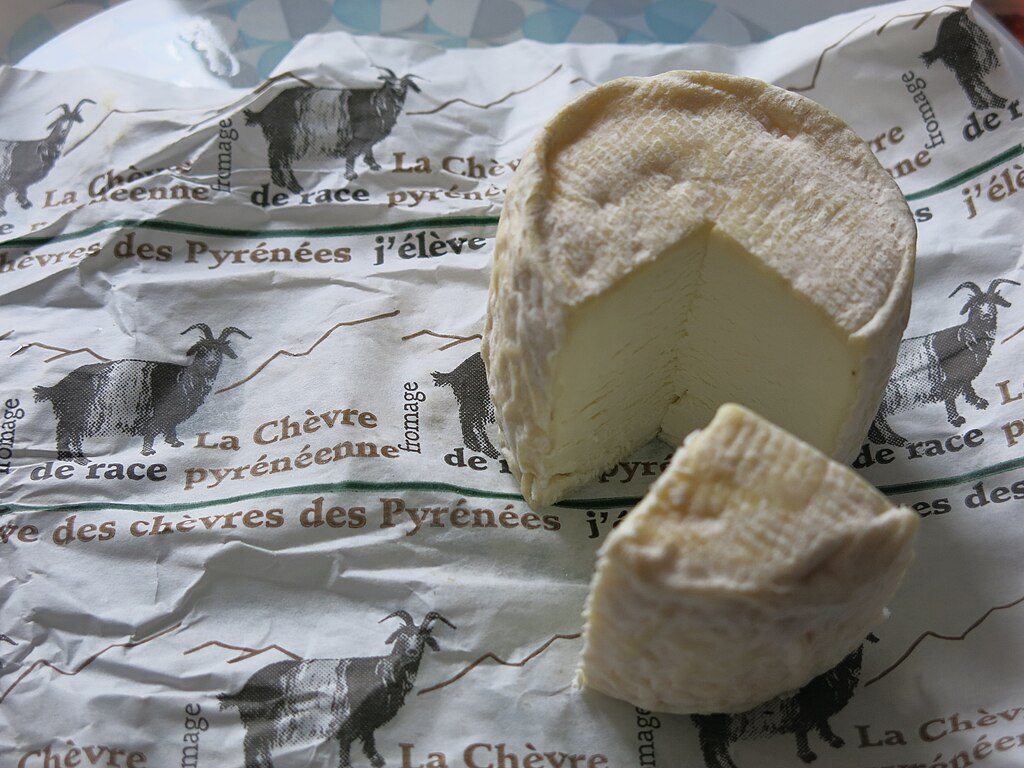
‘Cheese must be cared for“: Owners of sheep maintain their strict but obviously fulfilling traditions. More and more residents of cities are also discovering this mountain idyll at 1,700 meters.
Pierre Bouchoo mixes a large aluminum pan of warm milk with both hands up to the elbows. It slowly collects sediment and shapes it into a heavy lump. The milk comes from his sheep, which he himself milked early that morning. Bouchoo is one of the many shepherds in the French Pyrenees who still produce cheese in the traditional way. ‘The taste simply cannot be compared to industrially produced cheese,’ he says. ‘That’s why our craft won’t die out soon.”
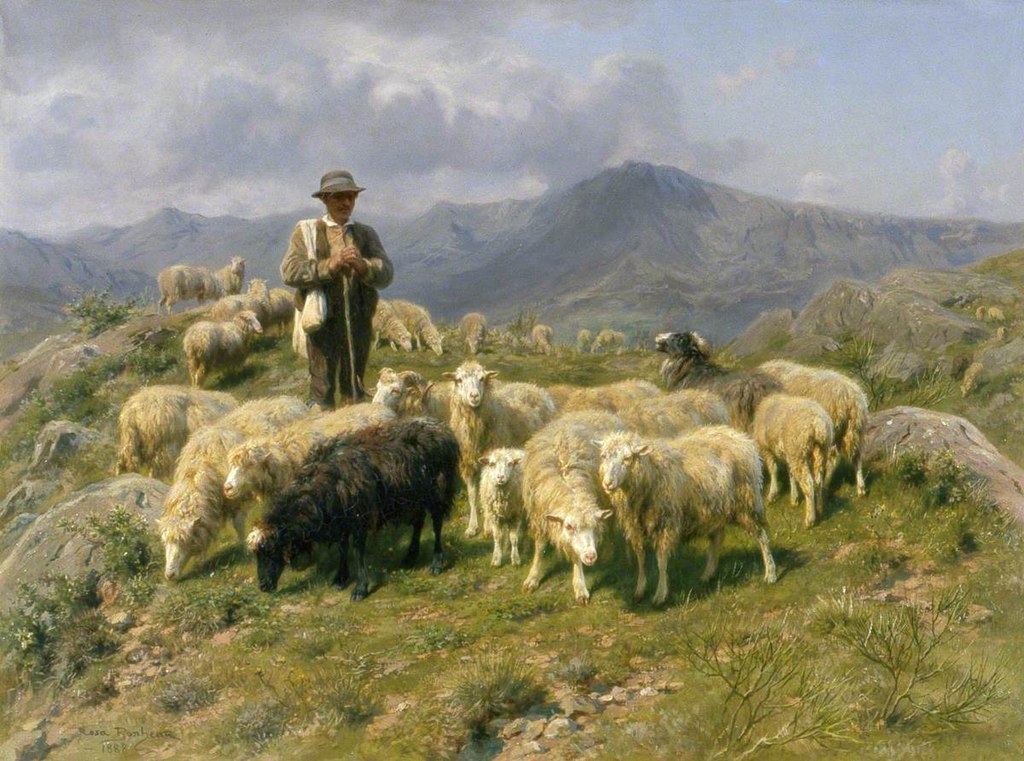
Being a shepherd in the Pyrenees is a difficult but fulfilling job. More and more young couples go to the mountains in the summer to look after the shaggy mountain sheep and process their milk into cheese. The Pyrenees are the only region in France where the number of farmers, including shepherds, has not decreased in recent years. This is partly due to the fact that mountain meadows in the Pyrenees are common property. Every villager has the right to graze his sheep in the mountains.
Beret comes from a shepherd
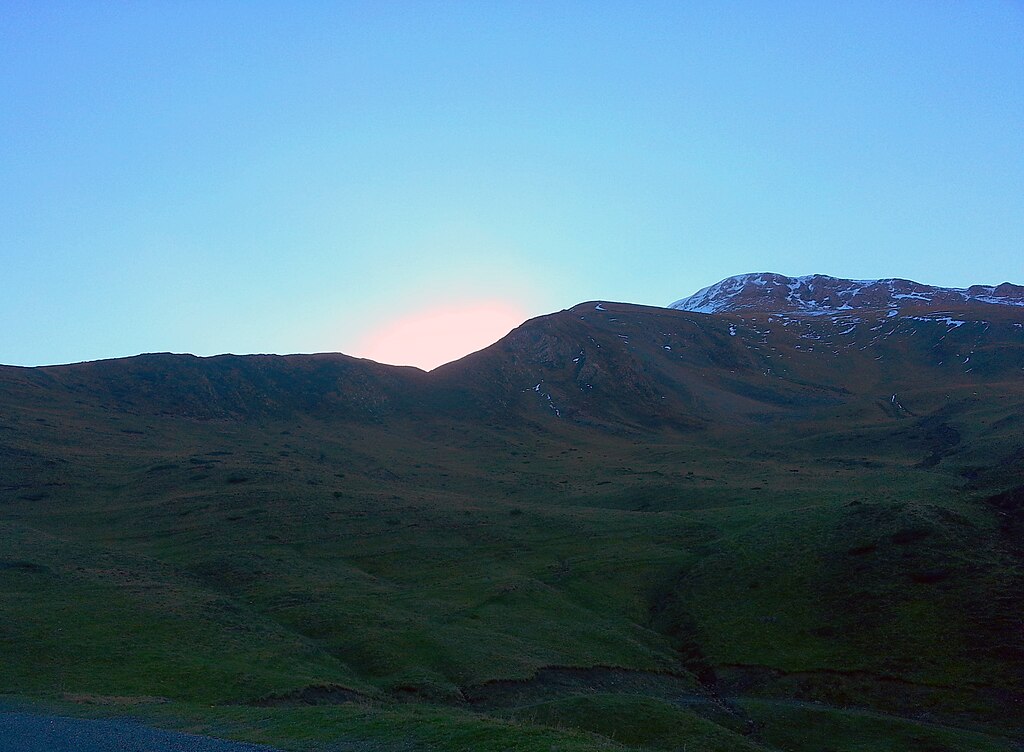
Bouchoo is in his fifties and has tanned skin. He learned cheesemaking from his father. Every year, he spends the summer months in a small stone hut at about 1,700 meters above sea level, a few hours’ walk from the Pyrenean village of Lescun. ‘The cheese from the Pyrenees has such a distinctive taste because the sheep eat so many different plants and aromatic herbs,’ he explains as he lifts the dripping lump from the milky liquid and lets it slide into the aluminum sieve.
In a small room, sticky strips of paper covered with flies hang from the ceiling, and the radio plays French chansons. Bouchoo puts a sieve on a metal work surface and sticks a half dozen knitting needles in a lump to make it easier to drain the whey. It is no coincidence that knitting needles are used in cheese production; After all, knitting is one of the traditional activities of the Pyrenean shepherds. The beret, which became a global symbol of the French, was originally a hand-knitted cap worn by shepherds in the mountains.
Taking care of cheese is like taking care of a baby
After a while, Bouchoo shakes out a whitish lump of cheese into a plastic bowl lined with a damp cloth. Put a wooden ‘B’ on the cloth, its trademark, which is embossed in relief on the bark of the cheese. ‘Once a week I bring cheese to the valley on a donkey,’ he explains. ‘The cheese then goes to the basement, where it has to age for at least 50 days.’ The longer the cheese ages, the more spicy the taste becomes. If it is too strong, it is often offered with black cherry jam, a specialty in the Pyrenees.
Read our post: Turkish hammam – experience and what to expect in a traditional bath
‘Cheese should be taken care of like a baby‘, says Bouchoo. In fact, in the French language, the same word for cheese production is also used for raising children (‘élever un features’). ‘It takes a lot of effort for good cheese – and the whole richness of the region it comes from,’ says Bouchoo, cutting a few pieces from a well-ripened cheese roll for his visitors. If you close your eyes while tasting it, you will see a mountain meadow full of flowers and herbs, while the cheese melts on your tongue.
Cover photo: tangopaso, Public Domain, Via Wikimedia Commons