From the paradise for backpackers and hippies, Peru transforms into a destination for luxury tourists. Resistance to this economic flourishing is created among the population, because most of the local population remains neglected.
Uncontrolled inflation and bloody guerilla warfare: For many years, Peru was a tourist destination that, despite its impressive sights, attracted only adventurous backpackers. Now the Andean land has become relatively peaceful, and the economy is booming. Tourism is booming. Government and industry are now focusing on the development of luxury tourism to attract wealthy tourists to the country after hippie and backpackers.
Protesters paralyze the airport
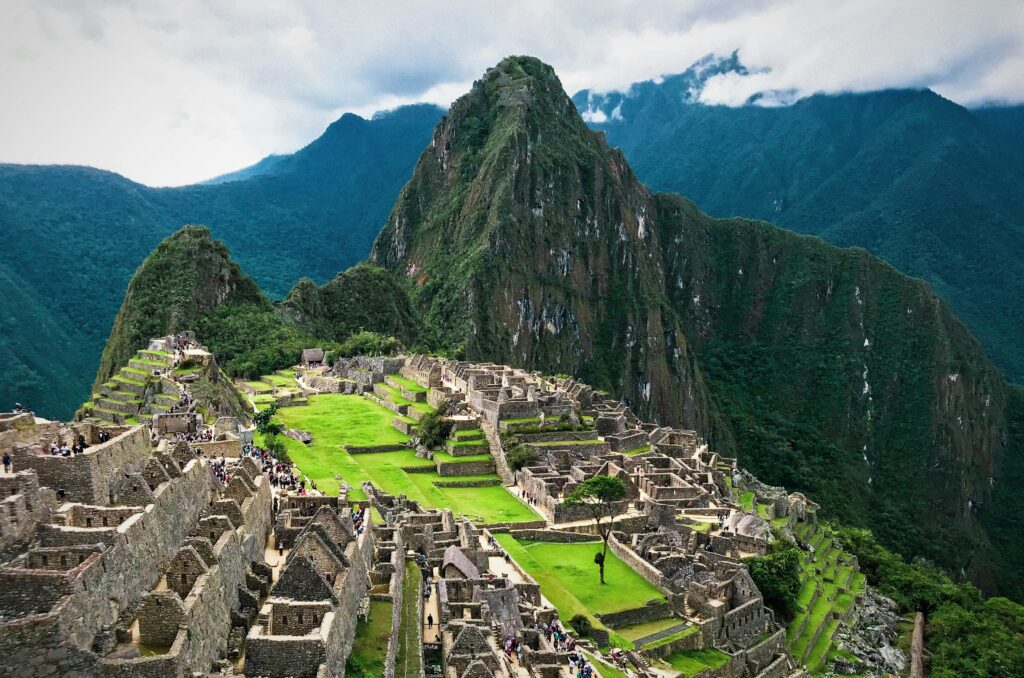
The plan seems to work. Multibillionaire Bill Gates and Hollywood star Cameron Diaz recently visited the world-famous Inca Fortress Machu Picchu. For the equivalent of 610 euros, rich tourists can book a hotel room with a view of the Citadel. In nearby Cuzco, which is located at an altitude of 3400 meters, tourists can get additional oxygen in the hotel room for 20 euros per night.
Resistance to this development is now being formed. A few weeks ago, Peruvian protesters blocked the airport in Cuzco and stopped rail traffic on the only route to Machu Picchu. ‘Cuzco doesn’t sell!’ They shouted: ‘Cuzco is not for sale!’ Many inhabitants of the plateau, where the most important tourist destinations are located, did not benefit from Peruvian flourishing, and economic growth has recently reached nine percent.
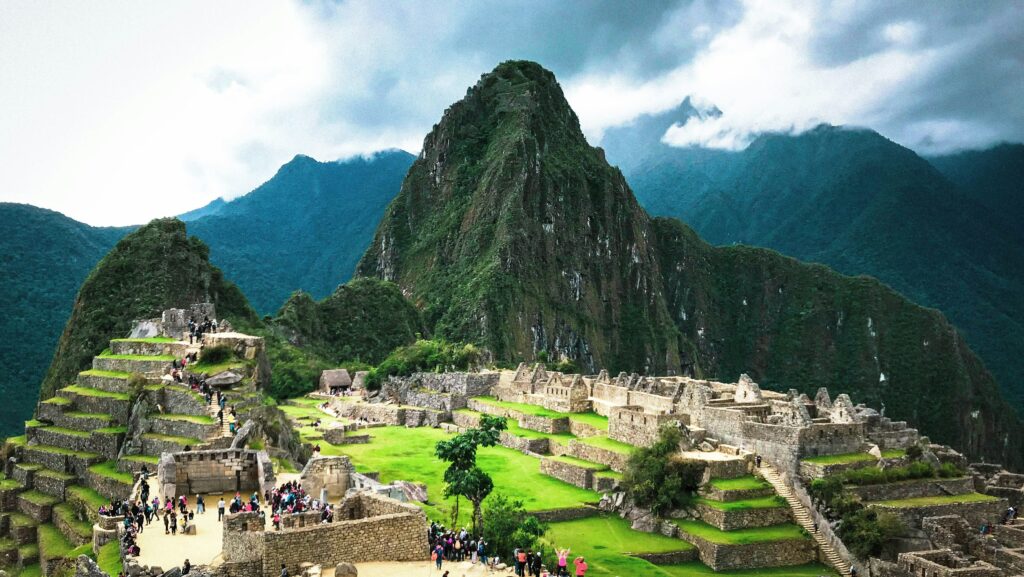
The government praises tourism as the driver of the economy. But most protesters don’t work in this sector and are more focused on the need for quality education and health care – problems that they believe will not be solved by creating several dozen additional jobs for waitresses or baggage carriers.
Locals hardly benefit from the boom of tourism
‘Most people in the Cuzco area live off agriculture,’ explained Gonzalo Valderrama, an anthropologist who joined the protests. ‘Just because there is more investment in tourism does not necessarily mean that people in the surrounding areas benefit.’
According to official data, the number of incoming tourists registered at Lima airport increased from just under a million in 2002 to more than 1.8 million last year. Of these, 160,000 tourists spent at least 630 euros per day. The number of visitors to Machu Picchu, the main Peruvian attraction, has more than doubled to 800,000 in the last decade – as well as the costs of tourists getting there.
Yoga in the Sacred Valley of Cuzca
Where hippies in striped ponchos used to dominate the picturesque Peruvian highlands, fashion photos are now being taken for the great magazine ‘Vogue’. And, of course, wellness options for tourists are now also mandatory here. Tourists with the necessary money can be treated to a massage with hot stones near ancient fortresses and temples in the sacred valley of Cuzco or participate in a yoga class at dusk. The protesters have at least partially succeeded in their protests against two new tourism laws, which are intended to facilitate the construction of hotels near archaeological sites. The Peruvian Congress amended the laws and gave local authorities a greater word in approving building permits for tourism projects.
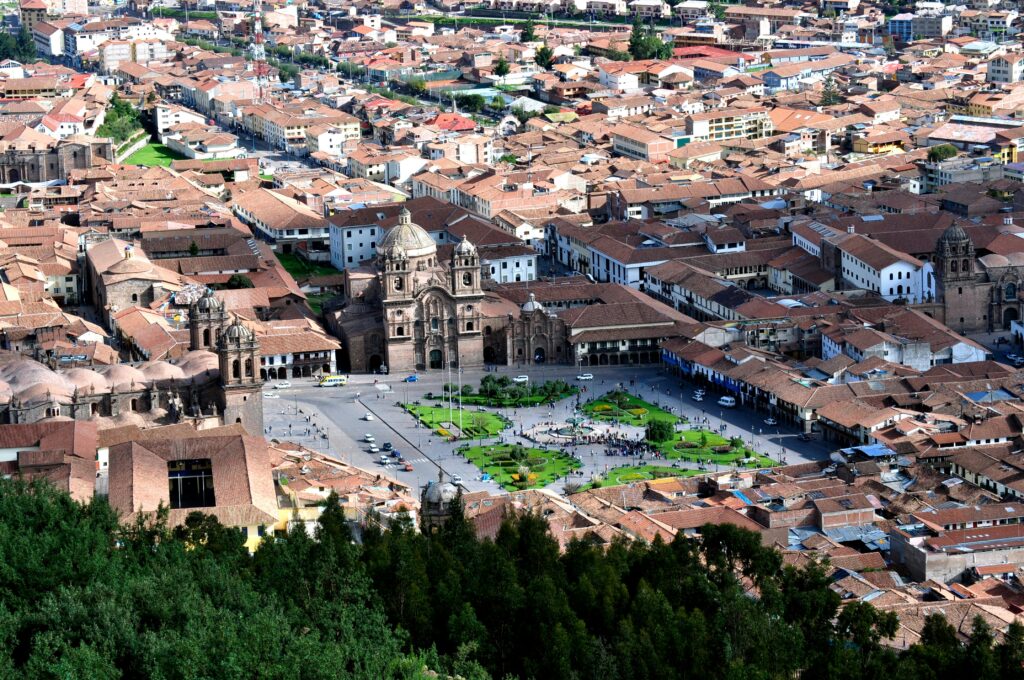
But critics believe that changes are insufficient, because there are still too many loopholes in the law. The situation has calmed down to some extent, but the market-oriented government of President Alan Garcia was forced to move the Conference of Tourism Ministers of Asia-Pacific Economic Cooperation (APEC) from the restless Cuzco to a more peaceful Lima. ‘The only thing the protesters achieve is endangering Cuzco,’ criticized the Minister of Economy, Luis Carranza.
Hotel chains build luxury hotels
‘Protests disturb the flow of money because tourists stay away.’ Experts expect further strong economic growth in Peru this year. According to industry estimates, the number of luxury tourists will increase by about a quarter to as much as 200,000. Hotel chain Starwood (Sheraton, Westin) plans to build three luxury hotels in the next three years, including one in Cuzco. Hilton also owns the property there.
Meanwhile, backpackers mourn the good old days. Along with the arrival of wealthy travelers, prices in the country have risen. For example, the ticket to Machu Picchu has risen from 72 solos (17 euros) to 122 solos (28 euros), and prices for return tickets for the train from Cuzco to Machu Picchu now start from 63 euros.
Justina, a 22-year-old backpacker from Poland, says Machu Picchu was by far the most expensive destination on her two-week Peru tour. Her advice to all travelers on a budget: ‘Find a nice place without tourists.’
Cover photo: Photo by Eddie Kiszka he unsplash