There is more life in the realm of the dead than you might think. The Paris catacombs are visited by thousands of people every year, in addition to mold and remains, while some are looking for creepy souvenirs.
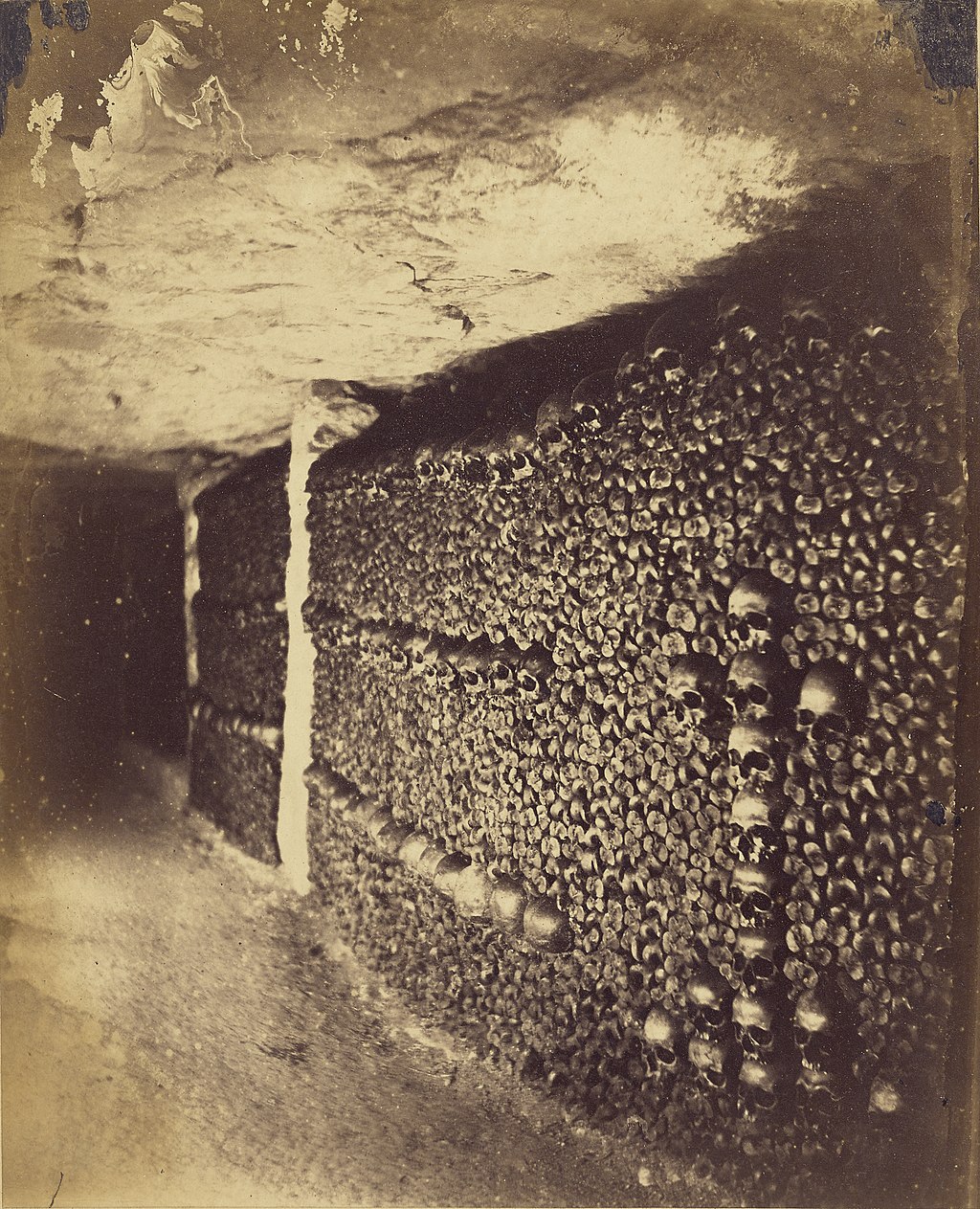
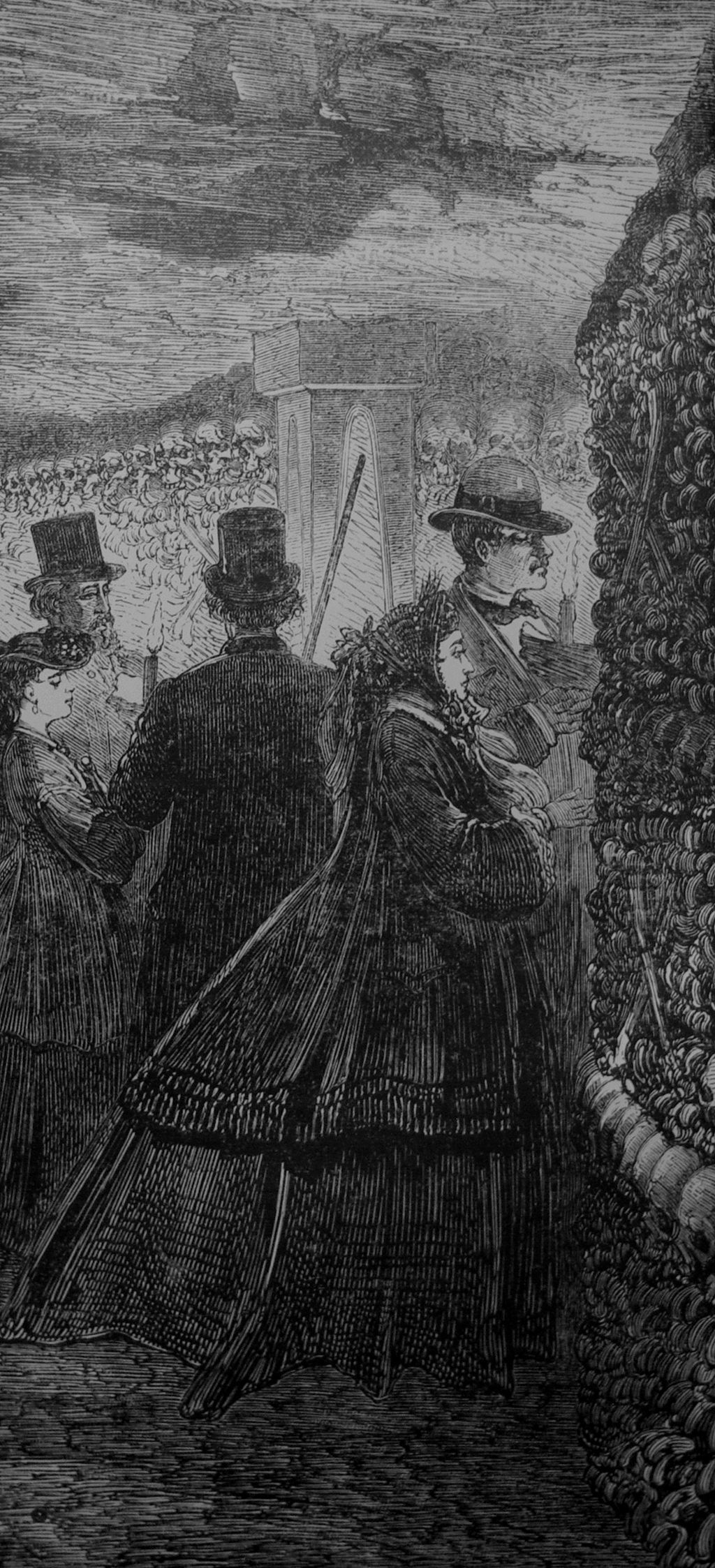
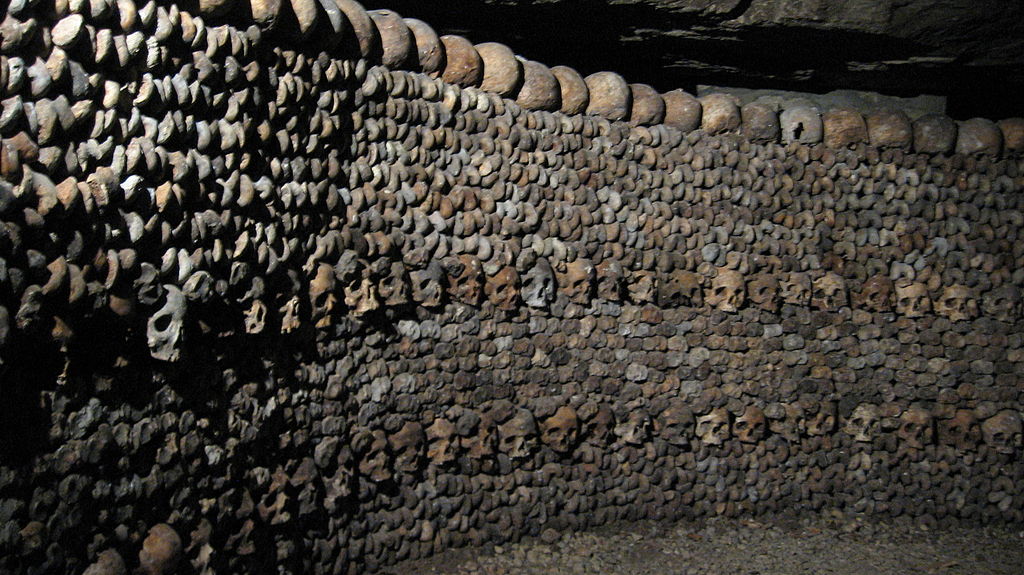
suffocating air, dark, winding passage, creaking gravel in silence, then a sign that says ‘Arrête! cest ici lEmpire de la mort‘(Stop! This is the realm of the dead!) ). In a column one by one, a horde of tourists passes by the walls of the skeleton: a layer of neatly stacked bones, then a row of skulls, another layer of bones – all the way to the low ceiling. Sometimes a macabre work of art, like a heart from a skull, breaks the proper arrangement of bones.
Here in the Paris catacombs, 20 meters below the French capital, the remains of six million people lie. Skulls, mold and creepy nature keep tourists in line. 250,000 people annually venture deep underground to discover a ossuary in former Roman quarries. Due to crowds, traffic jams in narrow passages are not uncommon. Before the visitors of the Parisian underground take a 130 steps into the bowels of the city, they receive a warning from the conductor: ‘If you are claustrophobic, don’t go!’
The peace of the dead must not be disturbed
The signs document from which of many Parisian cemeteries the bones came from. In the 18th and 19th centuries, the church transported anonymous remains here. ‘The cemeteries were completely overcrowded, a refuge for rats and pathogens, and smelled so disgusting that the only solution seemed to simply be to bury the bones underground,’ explains guide Sandra Cominotto to the tourists gathered around her in the dim light of her lamps. Patrick Süsskind vividly describes how horribly the cemeteries in their bestseller ‘Perfume’ smelled.
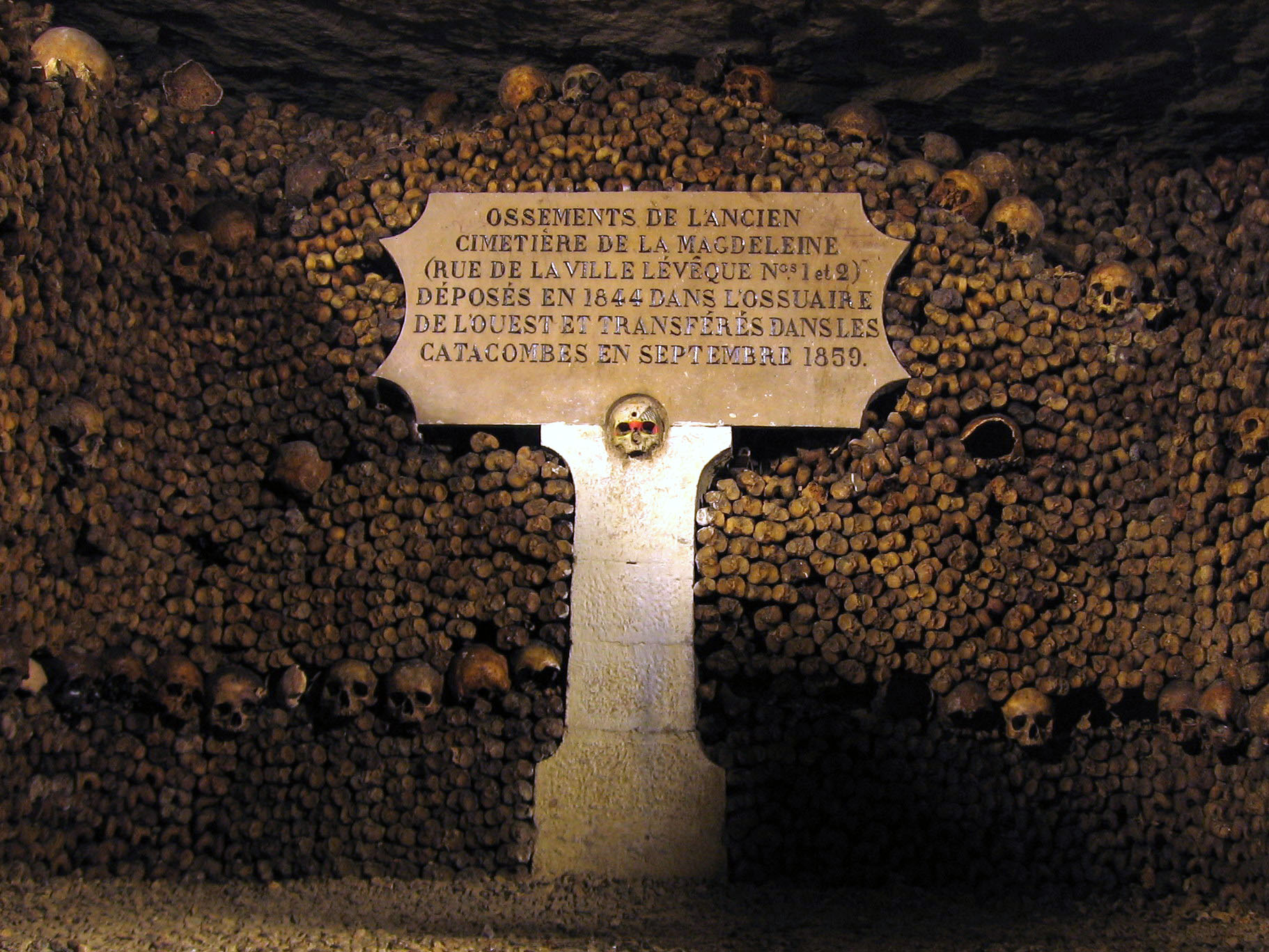
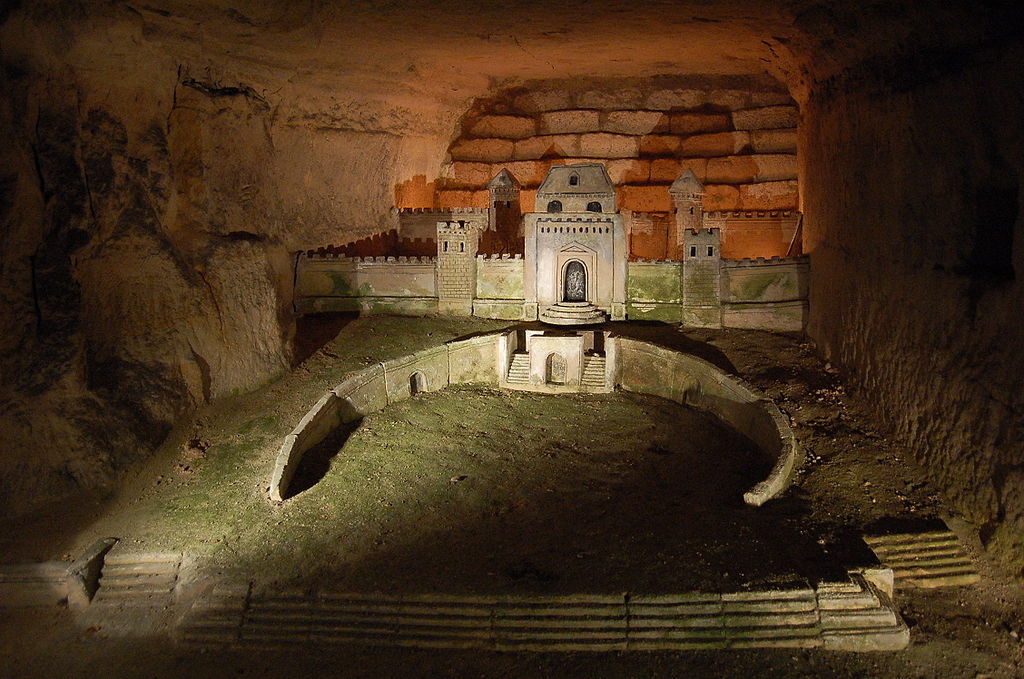
Down here, the smell is tolerable thanks to the renewed air conditioning system. The entire underground tourist attraction has just been renovated. Now there are options for draining water dripping from the ceiling everywhere. The vault, which houses the stone model of the Fort de Port-Mahon fort from the time of Louis XVI, is once again available after 13 years. and the bones are also neatly reassembled. ‘Please be quiet and make sure you don’t touch anything: this is and will remain a place of contemplation,’ whispers Sandra Cominotto in the dark. ‘The peace of the dead must not be disturbed.’
Treasury system at a depth of 20 meters
Somewhere in these endless rows of skeletons lie the skulls of revolutionary Robespierre and Danton, if they have not already ended up in the pocket of a trophy hunter. Visitors try to bring a macabre souvenir from the depths every day. Today, however, a luggage check awaits them at the exit.
What visitors to the French capital would not otherwise notice, becomes clear during a 1.7-kilometer long walk below the surface: the Parisian underground is porous like Swiss cheese, intersected by passages and vaults. Below the basement of Parisian town houses and sewers, the metro corridors first intersect the country, two lines that go one below the other. Then, 20 meters below the ground, lies a system of tunnels and vaults of former limestone and plaster quarries.
‘Don’t Look for Us’
Just a fraction of the almost 300-kilometer long tunnel system is available to the public. And yet this infamous underworld has attracted adventurers and persecuted for centuries. After smugglers and revolutionaries, during the German occupation in the Second World War, the resistance fighters hid. During the May 1968 student riots, these young, rebellious people fled from police batons into a maze of corridors.
In the 1980s, a special police unit was even established to hunt the intruders of the Parisian underground, who descended into the depths for forbidden trips and wild parties. Even today, ‘cataphys’, as self-organized horror tour enthusiasts, meet in underground locations like ‘German bunker’ from the Nazi era or ‘beach’, vaulted rooms with a sandy floor, to celebrate with joints or beer. Four years ago, the police even discovered a cinema 18 meters below the Place Trocadero near the Eiffel Tower, equipped with seats, canvas, bar, toilets, and even telephone. When the cops came back to find out where the electricity for this ‘underground cinema’ came from, they found only the message ‘don’t look for us’.
Cover photo: Slant, Public Domain, Via Wikimedia Commons