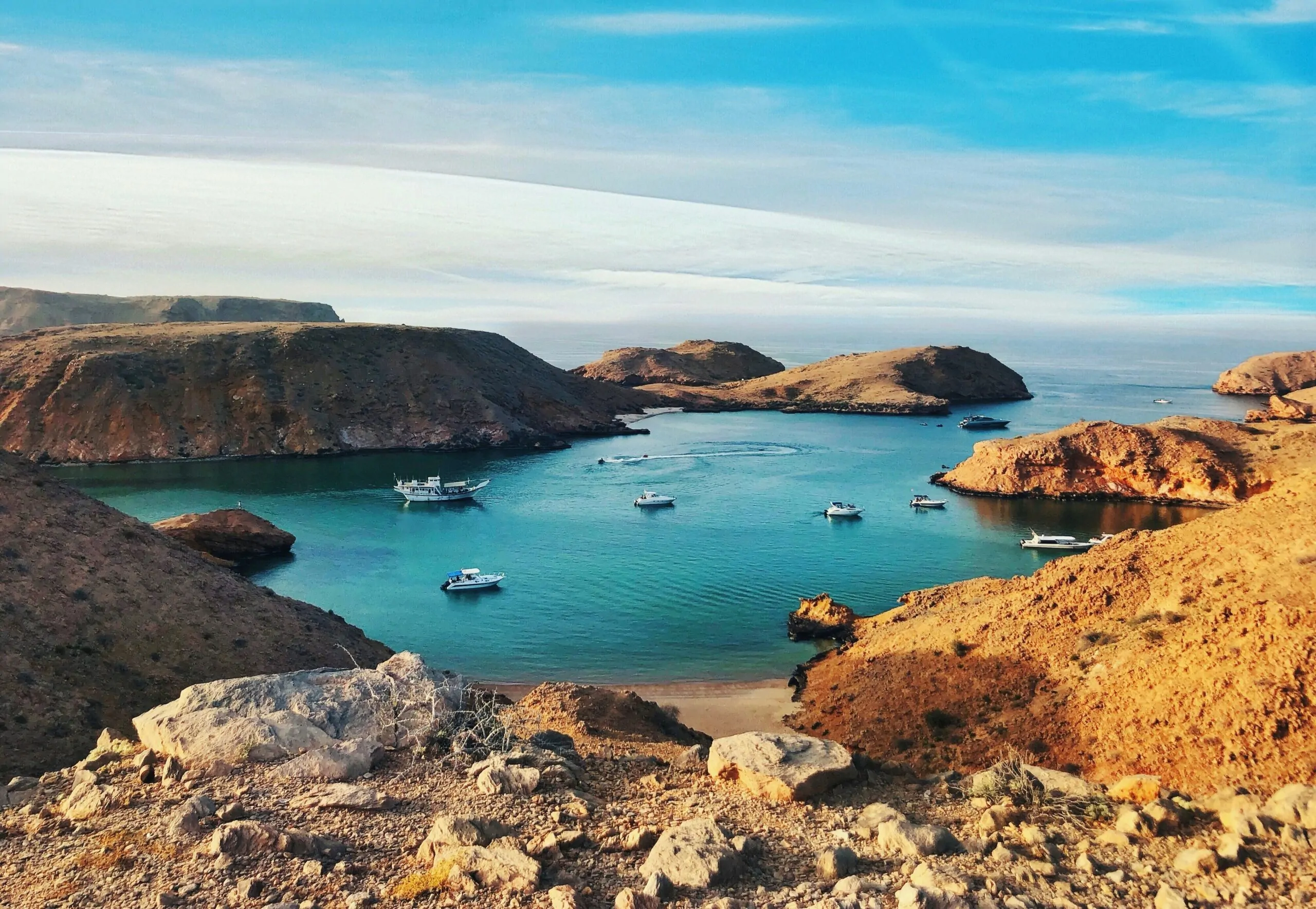
Hospitality, tradition and nature – tourists will find all this in Oman. From beautiful beaches and oases to harsh mountains, the landscapes of the sultanate on the Arabian Peninsula offer a diverse range of landscapes.
To tourists, the country still seems like the perfect piece of the ‘ancient Orient’. It takes a different path into the future than its neighbor Dubai, where one skyscraper after another rises to the sky. Sultan Qaboos bin Said carefully but purposefully guide Oman in modern times.
His achievements include an effective healthcare system, compulsory education, voting rights for men and women, and practically equal career opportunities for women – without the mandatory veil. This progress is primarily made possible by the branch of Islam known as Ibadia, which is characterized by openness and tolerance – an attitude that also benefits tourists.
Spices and incense dealers
If, for example, you are planning a trip on Friday, you will meet Omance everywhere, driving into nature with a jeep. They are especially attracted to the Wadi with their more or less fast waterways. It is not a problem to photograph people who bathe and barbecue there, start a conversation with them and be invited to a lamb skewer – Omani are traditionally hospitable.
This is also noticeable when walking ‘Old Muttrah Souq’ in the capital, Muscat – a popular gathering place for the locals who enjoy a cup of tea or moka. Tourists here still find merchants of spices and incense, dates and perfumes.
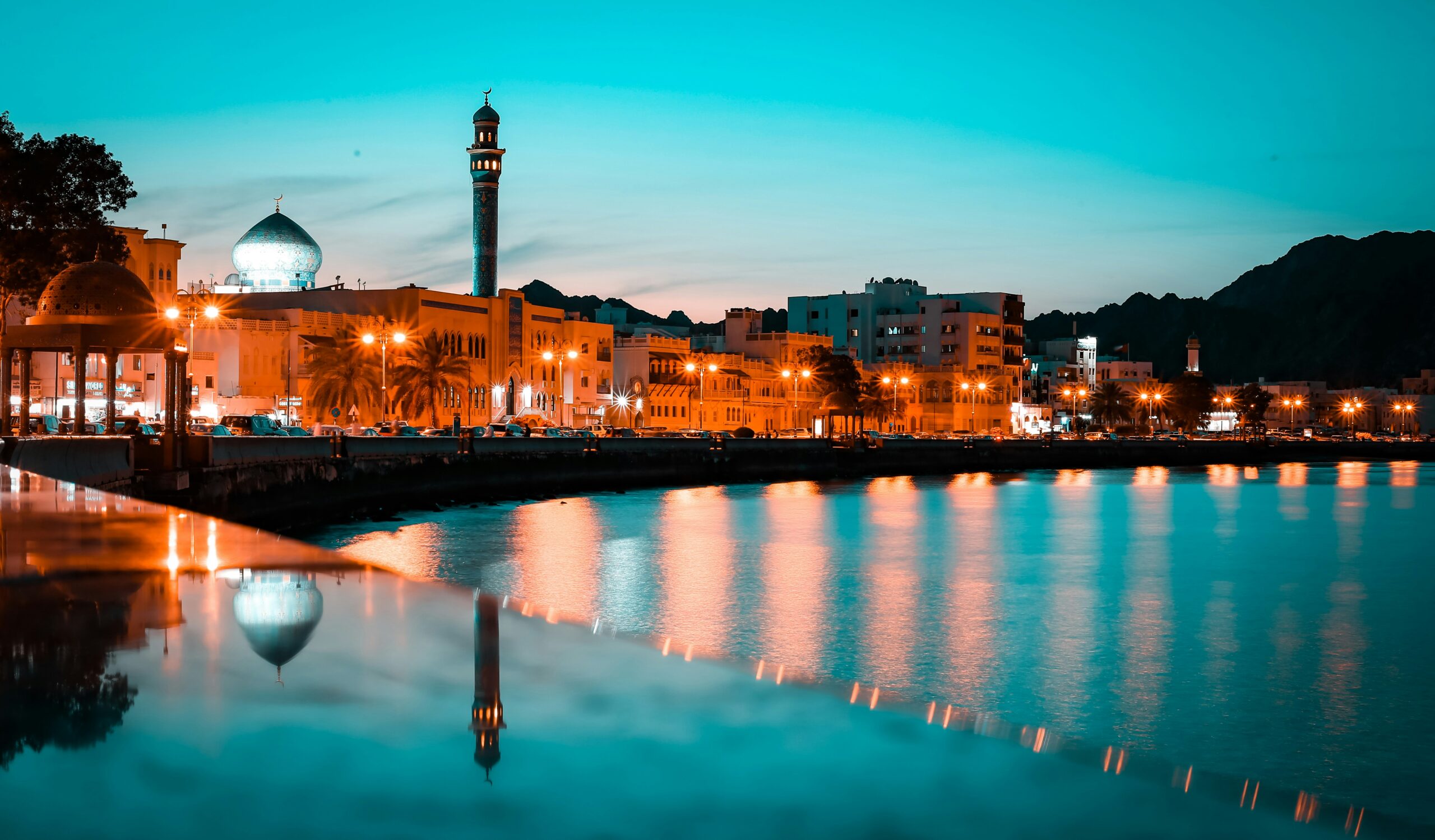
Since Oman does not want to reach the heights of Dubai at all costs, minarets like those at Sultan Qaboos Mosque in Muscat are the only architectural highlights. The city prefers expansion. The country, with its 2.9 million inhabitants, has a lot of space for this – especially along its 1,700-kilometer-long coast. So far, most hotels there fit well into the landscape. However, fishermen and conservationists are concerned about tourism: they do not like boat trips to the dolphin flock and the presence of tourists on beaches where sea turtles lay eggs. Some hotels are now trying to protect nests.
No bargaining about incense
Omani attractions, however, are not limited to the coast. A two-hour drive from Muscat, in the 3000-meter-high Hajar mountains, another fascinating landscape, cruel and barren, opens up. Between gorges and steep slopes, green oases shine: terraced fields where sheep and goats graze, dates and citrus groves, pomegranate tree plantations and rose bushes, whose leaves are used for extraction of essences for perfumes. The cultivated land is made possible by an ancient network of canals.
The popular Omani souvenir is a finely carved curved dagger. Many locals like to wear it on the belt at festivals. The price can be negotiated – bargaining is part of the job here. Only incense is not bargained. Intoxicating scented resin has a special meaning. Omani love a touch of incense on their long robes and appreciate its scent in homes and hotels. Wadi Dawqah’s frankincense trees are even on the UNESCO World Heritage List – a contribution to the preservation of Oman’s rich cultural heritage.