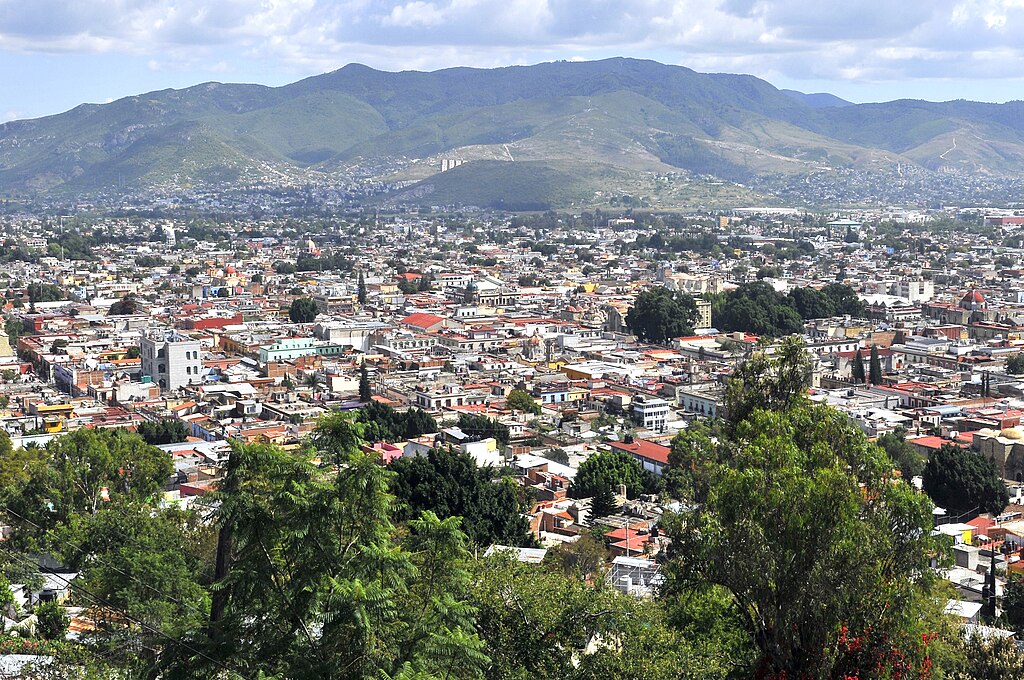
Oaxaca – Visitors are slowly returning to the Mexican colonial city after the unrest of 2006. While political problems remain unresolved, violence has subsided and most of the damage has been repaired.
Colorful flowers adorn the manicured gardens and arcades of the main square in the Mexican city of Oaxaca. Just a year ago, barricades stood there, clouds of smoke from burning debris billowing across the square. Today, the music of local bands has replaced the roar of explosions, and the stench of firebombs and tear gas has given way to the aroma of coffee and mole sauce, two of Oaxacan’s culinary specialties.
More than a year after police cleared the square of violent protesters, visitors to Oaxaca are encountering more local color than before the 2006 uprising. There are fewer tourists and more empty tables in the restaurants that line the square. A new initiative turns the streets around the square into a car-free zone on weekends. ‘It’s really nice. It’s changed a lot,’ says Alfredo Santiago, a businessman from Mexico City on vacation, enjoying the atmosphere with his son. ‘Honestly, last year we wouldn’t have come because of the problems, but now you can even bring the whole family.’
Tourism declines on Oaxaca’s Pacific beaches
The architecture of the city, founded in 1529, is considered typical of the colonial era and attracts tourists from all over the world. Like many Mexicans, Santiago was therefore horrified by television footage of burning buses and clashes between leftist activists and police.
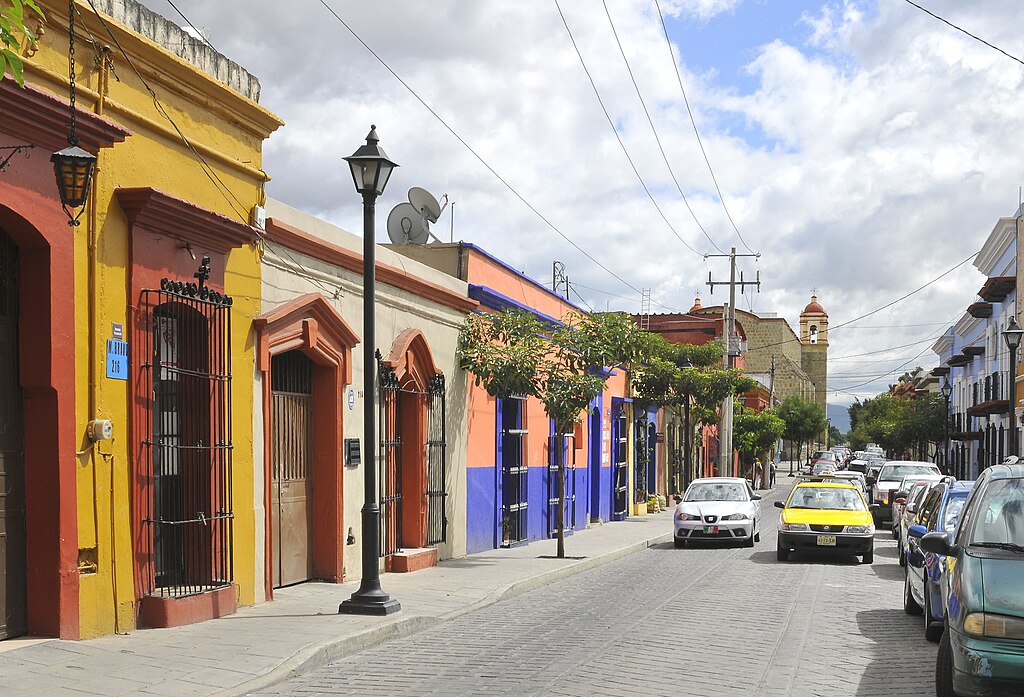
From May to November 2006, striking teachers and their supporters occupied the city center to force the governor to resign. Tourism, commerce, and traffic came to a standstill. “It was like watching Oaxaca go to ruin. We thought: Why should we go to Oaxaca? It looks like Iraq there,” recalls businessman Santiago.
The surrounding state of the same name also saw a drop in visitor numbers, although the unrest remained largely confined to the city. Despite its many attractions, such as archaeological ruins of ancient Native American civilizations, peaceful beaches and beautiful scenery, tourists shied away from the city.
Long-term disruption to local business
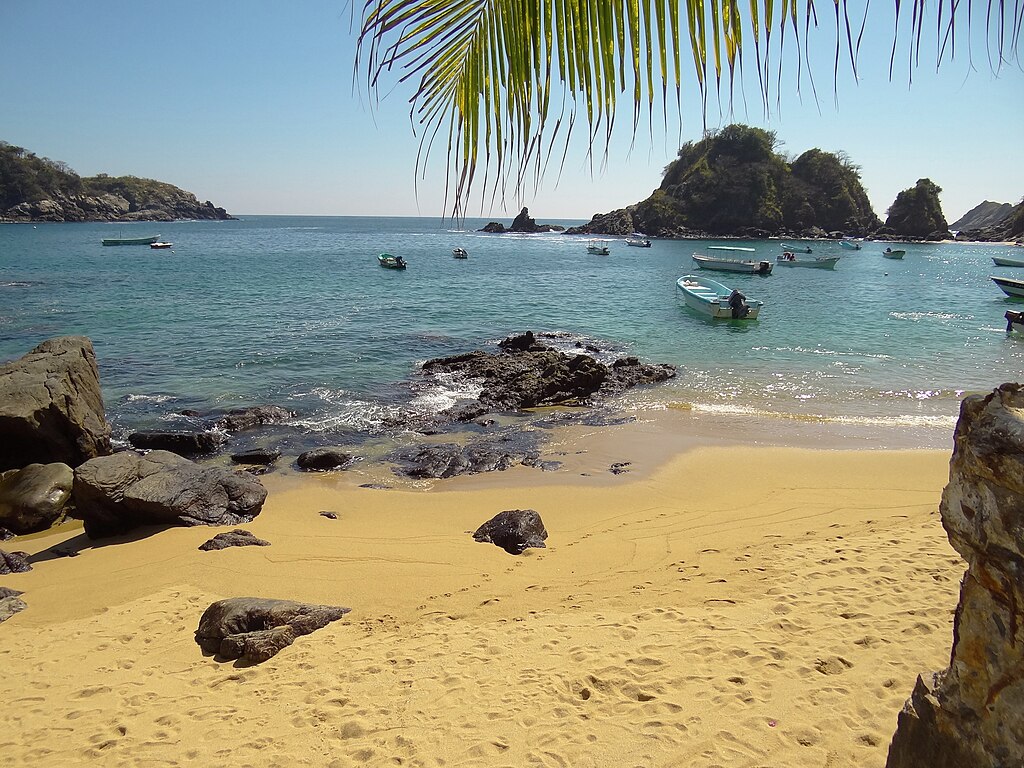
Almost no one visited the Zapotec and Mixtec sites along the road to Teotitlán, or the natural phenomenon of Hierve el Agua, a giant stalagmite in the shape of a frozen waterfall. Hiking and biking tours through the surrounding hills lost their appeal, and the Pacific beaches to the south, such as Huatulco, Puerto Escondido, Puerto Ángel and Zipolite, also suffered from a decline in visitor numbers.
But now tourists are returning from abroad. Although the political problems have not been resolved, the violence has subsided and most of the damage has been repaired. Artisans, whose black ceramics, hand-woven carpets and painted wooden sculptures are famous in the region, are once again offering their products.
Isidor Chávez Hernandez still weaves wool rugs on his loom in Teotitlan del Valle, a little less than 30 kilometers east of Oaxaca, using the same traditional methods as his grandparents. He used to sell up to six a week; now it’s two a month. “Business was practically dead for eight months,” says the 36-year-old.

Oaxaca’s recovery: a peaceful atmosphere and the return of tourists
Oaxaca residents are also hoping for a new tourism boom. “Before the problems started, we did the same thing we do now: we came to the main square on weekends,” says 45-year-old construction worker Hector Chávez as he listens to a free concert in the square. “Now the atmosphere is calm again, but tourism and the job market haven’t recovered yet.” That means visitors are likely to encounter more locals than other foreign tourists in the square.
Only the street vendors who had their regular stalls on one side of the square have disappeared. Apart from a few balloon sellers, they are banned from entering the square. Some tourists find the square a bit sterile, and the vendors themselves are understandably outraged. ‘Many vendors in the historic center have contacted us and asked for help,’ says Florentino Lopez, a spokesman for the group that organized the 2006 protests. ‘We are preparing new demonstrations. For us, the political movement in Oaxaca continues.’
And that’s what attracts some tourists: ‘That’s why I came here,’ says 43-year-old Mike Dallas from New York. ‘I’m fascinated by the way Mexicans confidently take over their own city.’
Cover photo: LBM1948, CC BY-SA 4.0, via Wikimedia Commons