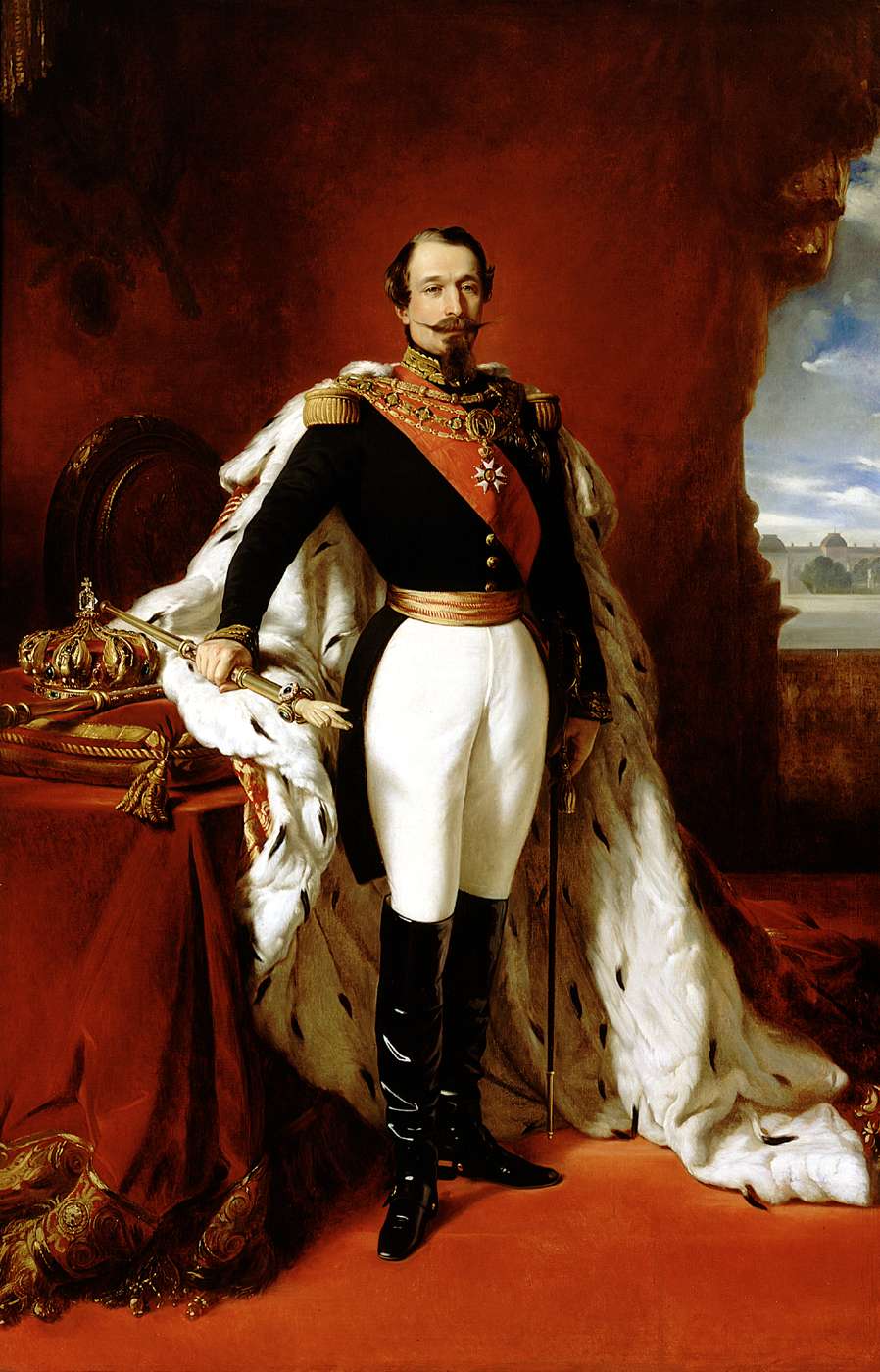
He was a French emperor for 18 years and grew up on Lake Constance with a Swiss passport. The exhibition on Lake Constance is dedicated to the life of Napoleon III.
Victor Hugo once called him ‘little’. Unlike his uncle, the ‘great’ Napoleon, Napoleon III. Little is remembered in Germany – although he was a French emperor for 18 years, from 1852 to 1870. From April 20 to October 12, a double exhibition will be held on Lake Constance on the occasion of his 200th birthday, and will primarily focus on the first 30 years of the future emperor’s life. He spent most of those years in Constanta and nearby Arenenberg, Switzerland. At that time, he had a Swiss passport and spoke Alemanski fluently.
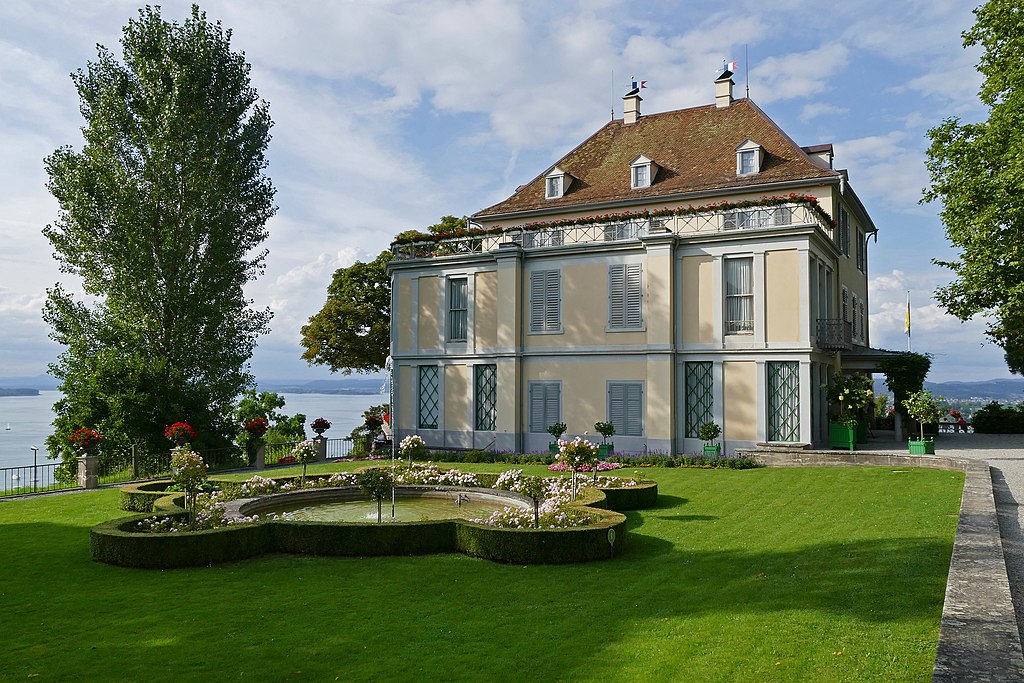
Many consider the rural family estate on Arenenberg to be the most beautiful castle on Lake Constance. Seven-year-old Prince Louis Napoleon Bonaparte and his mother came into exile here in Switzerland after the fall of Napoleon I. The organizers of the exhibition, in the castle of Arenenberg, mostly preserved in their original condition, focus on Louis Napoleon as man and the influence he experienced here.
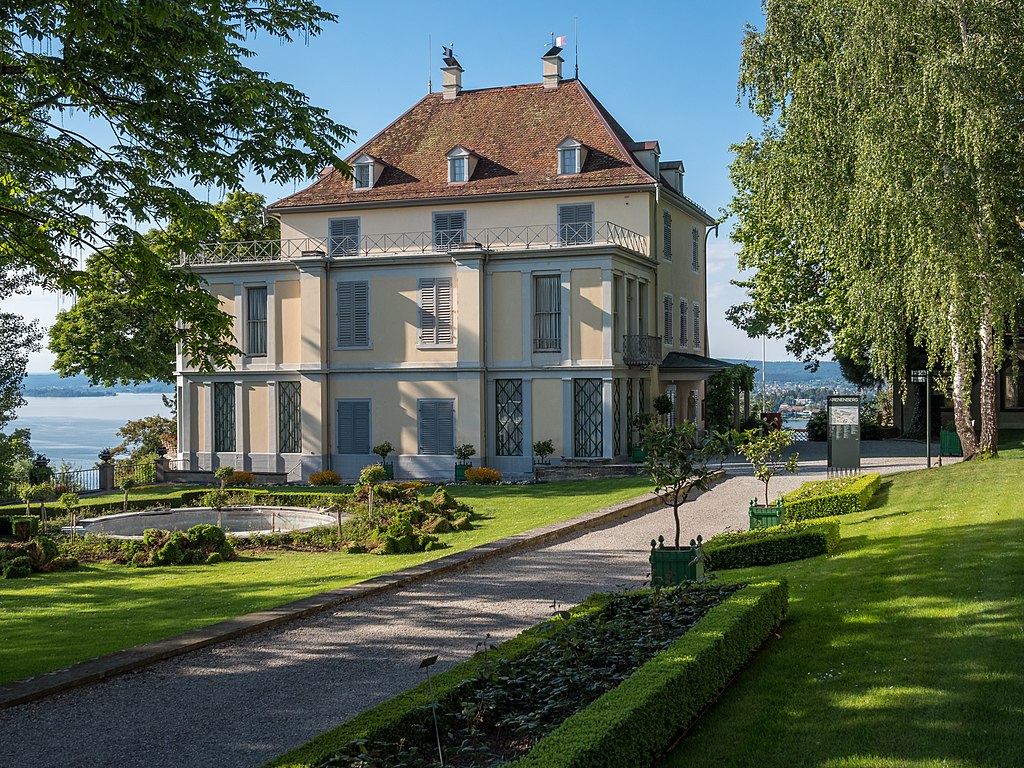
Unseen exhibits have been on display, such as small exercise swords for a child who, if the mother’s dreams come true, one day would become emperor. So that the boy could practice his role, she had him create a miniature throne. His chambers, which were not located in the current palace but in the western wing of the neighboring building, were and are oriented towards Paris.
talented man
The bright child grew into a versatile man, politically and military-oriented, who became famous as a writer. His interest in technology is proven by regular cannon shooting exercises that he conducted towards Reichenau Island in Lake Constance. The locals accepted it calmly – Bonaparte were respected in their adopted homeland. At that time, the future emperor liked to present himself to the outside world as a handsome man who enjoyed life in Constanta and had a weakness for women. It is certain that he had children at least twice, but it is very likely that he did not stop there.
The exhibition in Konstanz shows Napoleon in his time, and also represents a social, economic and political environment. France owes him the right to strike and regulated working hours. The basic principles of the welfare state also date from the time of Napoleon III. One of the exhibits of the exhibition is the so-called limousine carriage, in which he traveled to the Prussian king William I after the capitulation in the 1870 Franco-Prussian War.
The accompanying program offers additional original locations: visitors can peek behind the otherwise closed doors of the city palace in Konstanza on guided tours that follow Napoleon’s footsteps or independently explore the shore of the lake from Konstantence to Steckborn, also known as ‘Napoleon’s the shore’.
Cover photo: EnglandFan~Commonswiki, CC BY-SA 4.0, Via Wikimedia Commons