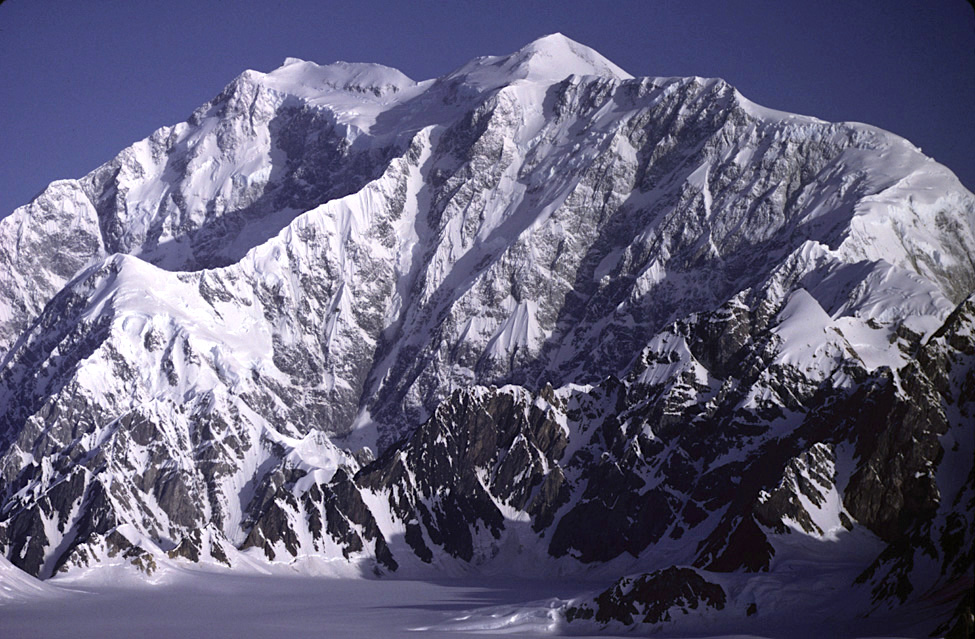
Mount Logan, located in the Yukon Territory of northwest Canada, is Canada’s highest mountain at 5959 meters (19,551 feet). It is the highest peak in Canada and the second-highest mountain in North America after Denali (Mount McKinley) in Alaska. Part of the St. Elias Mountains and located within Kluane National Park, Mount Logan is renowned for its massive icefields and breathtaking scenery.
The Alps are a relatively small mountain range. Travelers visiting Mount Logan in Canada enjoy beautiful views. This peak, almost 6000 meters high, is part of the Kluane National Park.
The view from the seaplane is really impressive, revealing the ice fields as far as the eye can reach, the harsh plains and mountains where the ice seems to hold on to the ground. A few clouds in the deep blue sky cannot deter the sun, which is why the ice in the Kluane National Park in Yukon, northwest Canada, is shining.
and ensures that the highest Canadian mountain, Mount Logan, is properly lit on the horizon. With 5959 meters, is the highest peak in Canada and, after Mount McKinley in Alaska, the second highest peak in all of North America. The Alps, in comparison, look almost like a low mountain range.
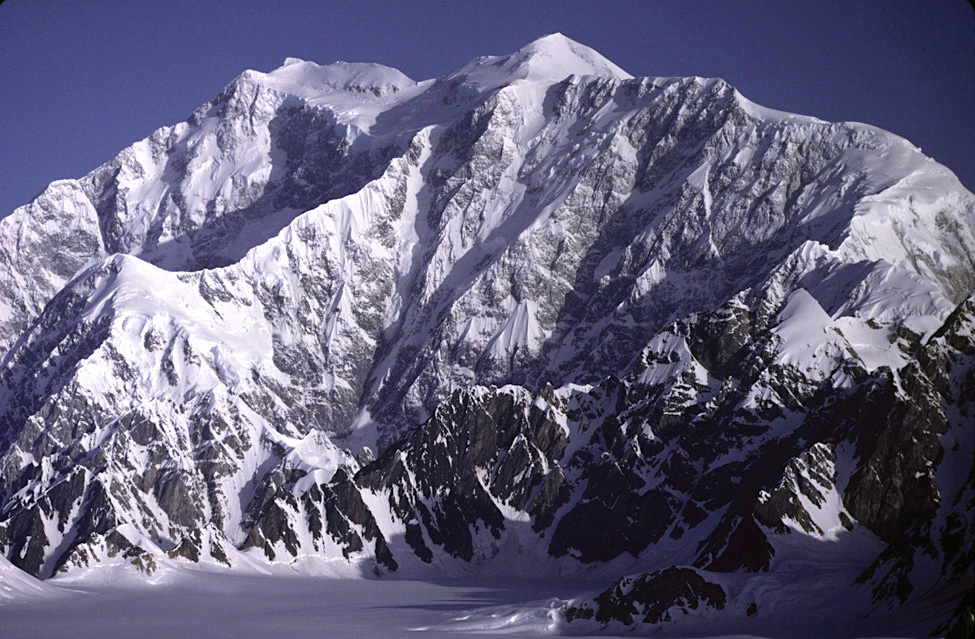
But Mount Logan, at least from a small plane, doesn’t look nearly as imposing as some Alpine peaks. ‘It is located in the middle of the vast glacial areas of the St. Elias Mountains on the border with Alaska,’ says pilot Denny. And since glaciers are not flat, the mountain does not rise very high.
Dozens of trails to the top
It was not until 1890 that Europeans discovered a mountain in eternal ice and a year later named it after geologist Sir William Edmond Logan. It was about 35 years before two Canadians won it. “There are now a dozen routes to the top,” says Denny. However, the climb is considered one of the most difficult in North America. Although Europeans discovered its beauty in southwestern Yukon only around 1900, vast glacial areas were anything but unexplored for indigenous peoples. The first tribes settled there about 5000 years ago.
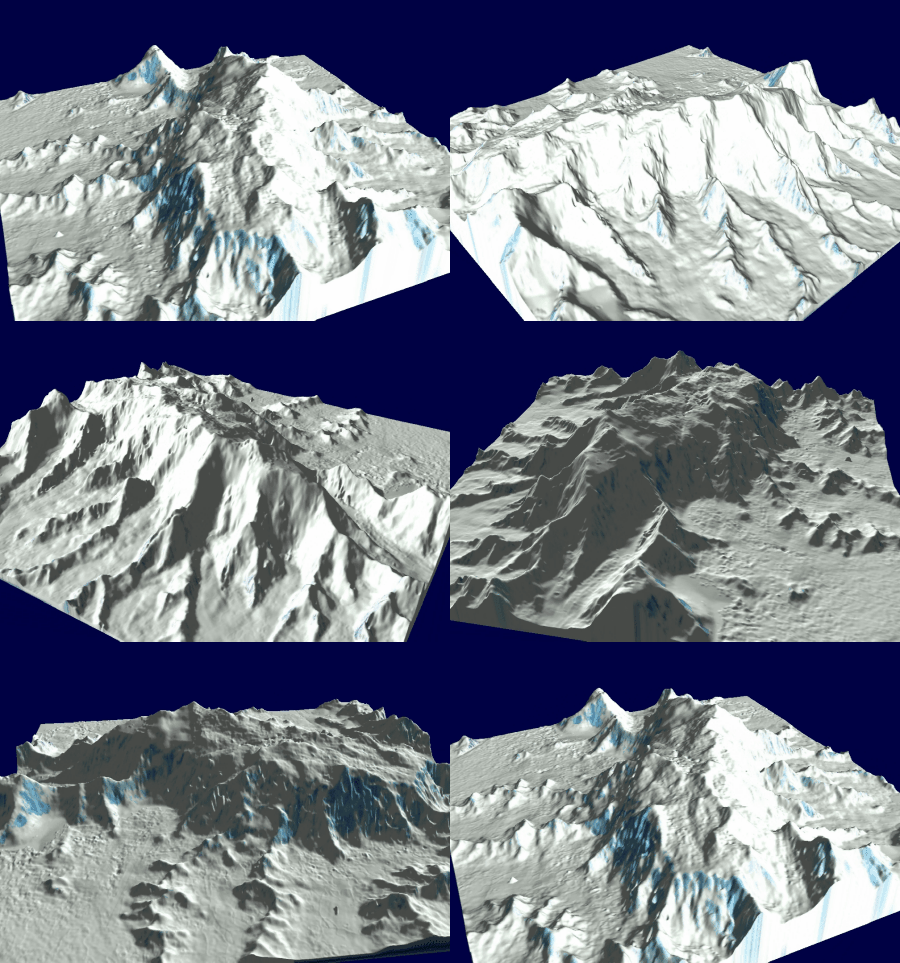
Not only is the peak almost 6,000 meters high one of the natural superlatives in the national park, which was established by the Canadian government in 1972. The park itself is also unmatched: ‘We have the largest non-polar ice field in the world here,’ says the pilot. together with Wrangell-St National Parks. Elias and Glacier Bay in Alaska and Tatshenshini Alsek National Park in the neighboring Canadian province of British Columbia, Kluane makes up UNESCO’s world heritage site. An area of approximately 22,000 square kilometers has had this status since 1980.
Crackling and roaring of glaciers
Ice and snow are the dominant elements. But the very greatness of it is really only understood when a small seaplane flies along the edge of one of the glacial fields. There is a constant crash and rumbling, and huge pieces of ice break into the sea. From the water, the glacial field looks like a wall of glaciers. ‘The ice here is about 300 meters thick, or more than 300 meters,’ says pilot Denny.
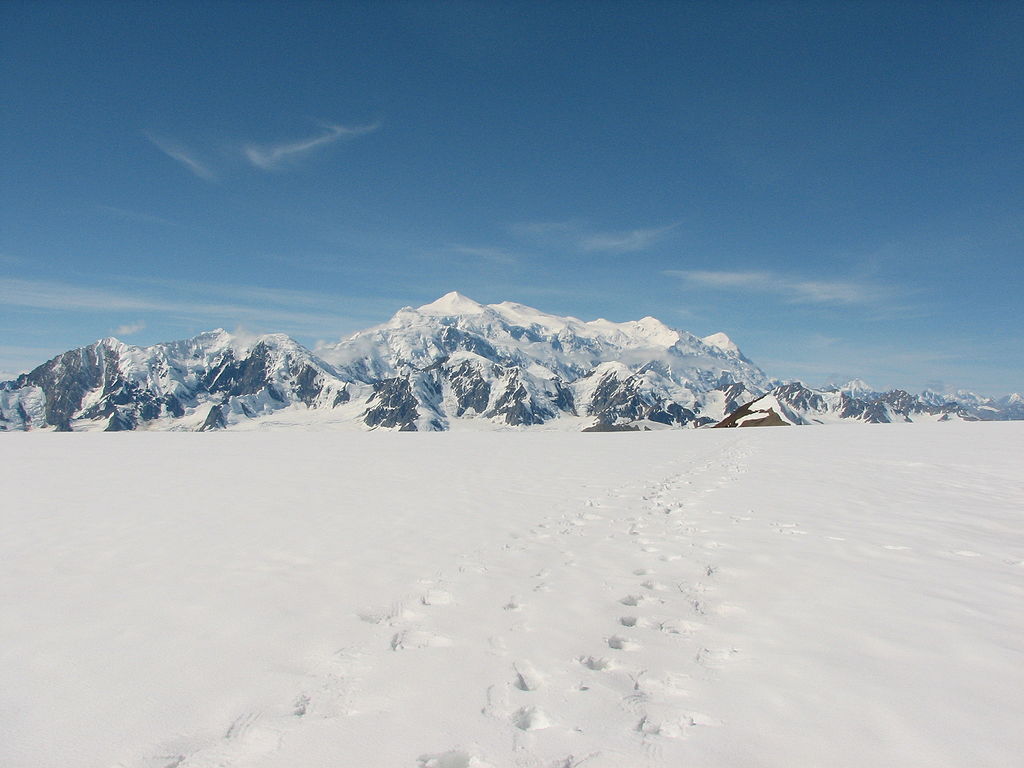
From the air, the numerous lakes are striking, shimmering in an almost unreal turquoise shade in the middle of vast white fields. These places are hard to reach on foot, but there are many other ways to experience these beautiful natural landscapes. Rafting, flying, cycling, riding, canoeing and sleds with dogs are just some of the options. The starting point for most of these tours is the small town of Haines Junction.
A Majestic View from Above
Travelers visiting Mount Logan often take a seaplane to appreciate the vast glaciers and rugged mountain terrain. From the air, the highest mountain in Canada reveals endless icefields stretching as far as the eye can see, sparkling under the sun. The snow and glaciers in Kluane National Park create a stark contrast with the deep blue sky, showcasing Canada’s biggest mountain in all its glory.
Although Mount Logan is taller than most peaks in the Alps, it does not appear as sharp or imposing from a distance. “It is located in the middle of the vast glacial areas of the St. Elias Mountains on the border with Alaska,” explains pilot Denny. The uneven terrain of glaciers softens the mountain’s profile, but its scale remains awe-inspiring.
History and Exploration
Mount Logan was first documented by Europeans in 1890 and was named a year later after Canadian geologist Sir William Edmond Logan. Indigenous peoples had inhabited the region for thousands of years, long before European explorers arrived. Today, there are multiple climbing routes to the summit, but ascending Mount Logan, Canada’s highest peak, is considered one of the most challenging climbs in North America.
The Park and Its Superlatives
The highest point in Canada sits within Kluane National Park, which features the world’s largest non-polar icefield. The park, established in 1972, together with Wrangell-St. Elias, Glacier Bay in Alaska, and Tatshenshini-Alsek in British Columbia, forms a UNESCO World Heritage Site covering approximately 22,000 square kilometers. The park is home to the highest Canadian mountain and numerous other spectacular peaks, glaciers, and turquoise lakes.
From a small plane, visitors can see glaciers that are over 300 meters thick, with constant rumbling and cracking as ice slowly moves. The aerial view highlights countless lakes shimmering in almost unreal shades of blue and green, a sight impossible to capture on foot alone.
Activities Around Mount Logan
While climbing to the summit is reserved for experienced mountaineers, the region offers numerous ways to experience Mount Logan, Yukon Canada, and its surroundings:
- Rafting along pristine rivers
- Canoeing on glacial lakes
- Dog sledding across snowy plains
- Cycling and trekking through the rugged landscape
- Aerial tours for a breathtaking view of the tallest peak in Canada
Most tours and adventure activities start from Haines Junction, a small town that serves as the gateway to this incredible natural landscape.