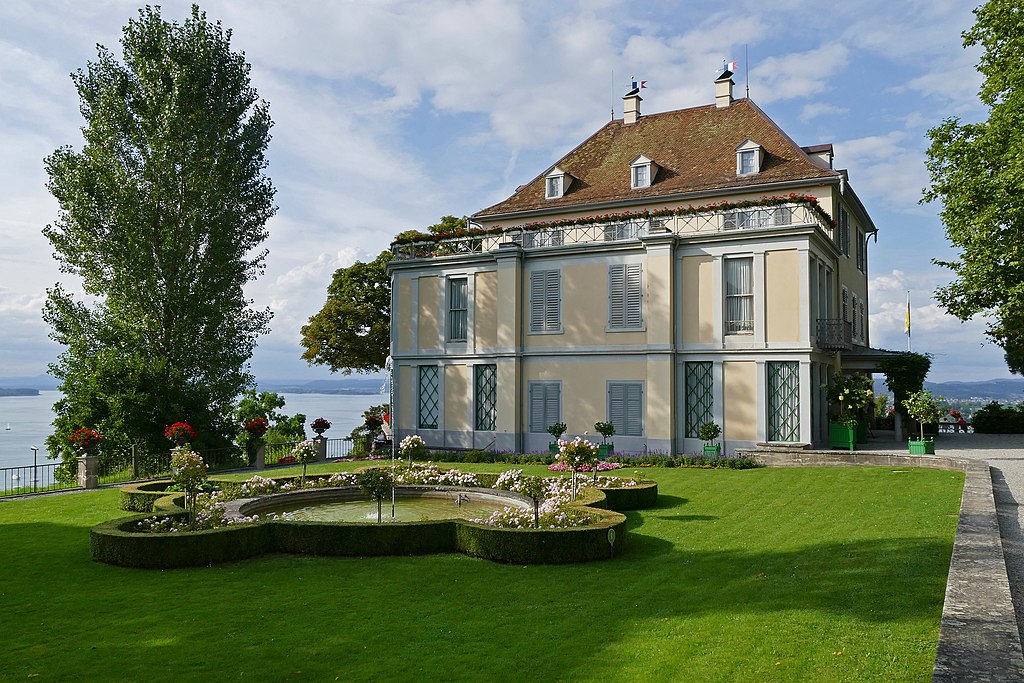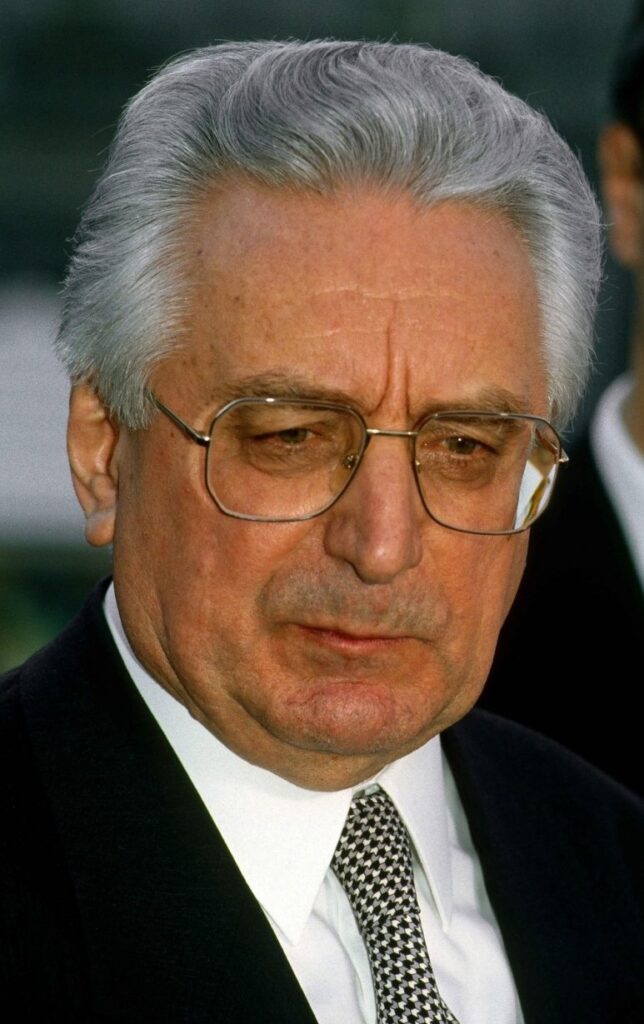
Student dormitory Dr. Franjo Tuđman Split acts as a continuation of the support and accommodation system for students and cadets integrated into the defense and education institutions of the Republic of Croatia. This home enables young people from Dalmatia and the coastal area to access high-quality military and academic education without the need for long trips to Zagreb.
Military Academy Croatia Dr. Franjo Tuđman: General overview
Military Academy Dr. Franjo Tuđman is the main institution for higher education within the Armed Forces of the Republic of Croatia, whose task is to educate future officers, OR officers (officers with special powers), and experts from civilian areas to work in the defense and security system. It is located in the Petar Zrinski (Črnomerec) Barracks in Zagreb, and connects military discipline with academic standards, offering structured study programs, military practice and international orientation.
History and development
The roots of the Academy go back to the 1990s, the period of formation of the modern Croatian army after the Homeland War. Initially, it operates as a center for officers formed in the early years of independence (1992), then it passes into the identity of the barracks complex ‘Petar Zrinski’ (1993), and finally evolves into today’s institution named after the first Croatian president, Dr. Franji Tuđman. This institutional transformation follows changes in defense needs and efforts to harmonize military studies with European standards of higher education.
Mission and role in the Armed Forces of the Republic of Croatia
The Academy has a mission to create capable, ethical and professionally competent military leaders who can operate at a tactical and strategic level. Vision focuses on lifelong learning, adaptation to contemporary threats (such as hybrid wars and cyber challenges) and development of officers who will work within the NATO and EU frameworks. The Academy also acts as an advisory and research center in the development of doctrines, security studies, and the professionalization of the armed forces.
Study programs – a combination of military education and academic standards
The Military Academy offers university study programs that acquire graduate level, along with integrated military practice and the formation of military leadership. The programs include military engineering, military leadership and management, aeronautics (pilot and air traffic), maritime study, and applied defense disciplines. The courses are structured through the ECTS system and created in cooperation with classical universities, so that diplomas are recognized in the world of higher education.
campus, facilities and infrastructure
The academy operates within the ‘Petar Zrinski’ barracks in Zagreb, a historically military space converted into a modern educational center. Funds are invested in lecture halls, convention center, simulator systems (especially for aviation), accommodation capacities and sports facilities. Practical training takes place in the campus and as part of the operational units of the Croatian Army, Navy and Air Force – through field exercises, command exercises and special centers.
Reception, selection and life of cadets
Enrollment requires a high school degree, health and psychophysical tests, and selection procedures that assess academic abilities, leadership potential and psychological suitability. The life of the cadets is strictly structured – semesters alternate with intensive practices, tactical exercises and unit internships. In addition to standard military and educational training, physical education, ethics and professional development are also important.
teaching staff and academic networks
The Academy consists of military experts and civilian professors. Faculty and lecturers come from the armed forces, academia and professional institutions. Cooperation with the University of Zagreb and other universities includes joint research, guest lectures and inter-university modules. The Academy participates in Erasmus+ and Emilyo programs for the sake of international exchange of cadets and professors.
Research, doctrine and contribution to defense studies
Although primarily an educational institution, the Academy encourages research in the fields of defense, security and strategic studies. Research is focused on operational arts, military leadership, civil-military relations, cybernetics and regional security. Teachers and cadets participate in the development of doctrines that shape the plans and readiness of the armed forces.
International cooperation and NATO integration
The Academy actively nurtures foreign ties through NATO modules, European defense education networks, Erasmus+ and bilateral agreements with academies of other countries. This encourages mobility, joint modules (eg multicultural training) and joint exercises – all for the purpose of interoperability with partner countries.
Practical training and specialized centers
The study curriculum is practice-oriented: cadets go through live exercises, command simulations, tactical maneuvers and branch-specific technical training (maritime, aviation, land army). Special centers and departments, sometimes in cooperation with operational units, provide realistic conditions for logistics, command and work with military technologies.
Careers and job outcomes
Academy graduates move to the armed forces as officers in selected branches, occupying duties in units, commands, logistics and educational structures. Thanks to the conditions of recognized academic diplomas and ECTS systems, it is possible to continue to postgraduate studies at civil universities. The career path includes specialization courses, international missions and NATO programming.
The role of the student dormitory Dr. Franjo Tuđman Split
Student dormitory Dr. Franjo Tuđman Split provides accommodation, logistical support and benefits for students and cadets in Dalmatia who study on military and related programs. The home acts as a regional segment of the military cadet education system, reducing geographical barriers and enabling young people from the south of Croatia to participate in military education with direct accommodation. The home encourages unity, mutual cooperation and regional involvement in the development of the military academic community.
Challenges and directions of future development
The Academy faces challenges of rapid technological change, new security threats and competition for quality candidates. Priorities include strengthening curriculum in cyber and hybrid operations, deepening research excellence, increasing language and international components, and further modernization of infrastructure. It is crucial to maintain a balance between strict military formation and academic freedom in order to create officers capable of modern operational context.
Why are the Military Academy and the Student Dormitory Dr. Franjo Tuđman Split
Military Academy Dr. Franjo Tuđman, together with the Student Dormitory Dr. Franjo Tuđman Split, represents a strategic connection between education and military service in Croatia. The Academy creates professional and internationally competent military leaders, while the Home in Split provides youth from the Adriatic area with access to higher military education without the need to move to Zagreb. This system strengthens defense capacities, promotes regional involvement and ensures stable development of human potential in the armed forces.
Sources (official pages and credible information)
- Ministry of Defense of the Republic of Croatia – Dr. Franjo Tuđman Croatian Defense Academy (anniversary and institutional overview). moh.hr
- Ministry of Defense – Graduation Ceremonies and Academy News. moh.hr
- Croatian Defense Academy / University Military Studies (University of Zagreb – Military Studies / ECTS Information). https://vojni.unizg.hr/en
- Historical Overview and Institutional Timeline (Croatian Soldier). Croatian soldier
- Presentation and Institutional Profile (CDA Presentation, Emilya / Academic Mobility Materials). Emily.eu