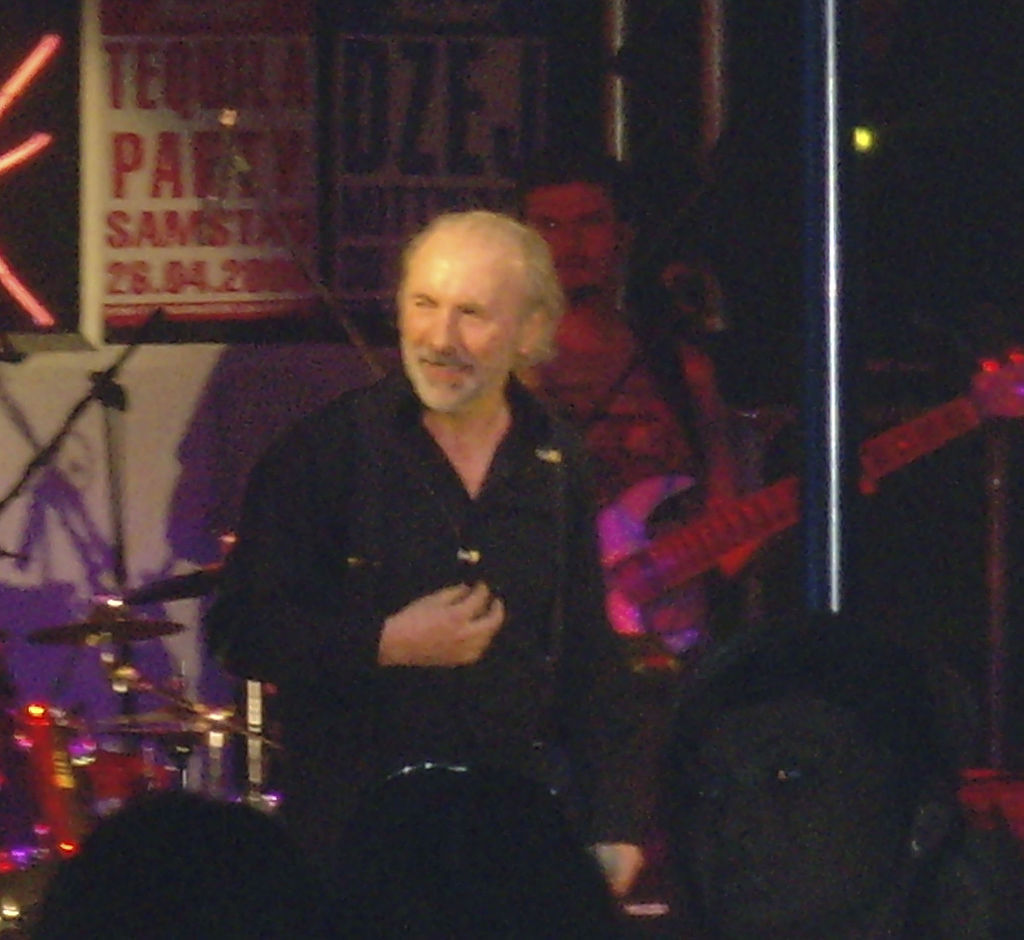
Milan Mladenovic, 1982. Milan Mladenović was one of the most important Yugoslav rock musicians. Born in 1958 in Zagreb, he lived and studied in Sarajevo and from 1970 until his death in 1994 in Belgrade. As a frontman of a cult group Ekatarina Velika, his name became synonymous with Yugoslav Art-Rock And it inspired many young musicians. Mladenović was also known as a poet and anti-war activist. His talent and charisma were manifested already at an early age – with world music that he listened to in Sarajevo, he studied guitar with the legendary Gari Garčinča. Already as a teenager, he showed a penchant for uncompromising attitude and artistic refinement, which will mark his further work.
beginnings and new wave in Belgrade
After moving to Belgrade in 1970, Milan founded a school band with his friend Dragomir ‘Gagi’ Mihailović lemon tree. At the end of the 1970s, lemon wood was actively performing at Belgrade festival guitars and independent concerts, primarily in the Youth Center on New Belgrade. Arriving at the center of the former Yugoslavia opened the door for him new wave – a genre dominated by young punk and rock groups.
Mladenović (second from left) in the cult line-up of Šarlo Akrobata at a concert in SKC in 1980. In the spring of 1980, Milan joined Dragomir Mihailović, Dušan Kojić – and Ivan Vdović – VDU in founding the group Charlo Acrobat. The first concert was held in the Belgrade Student Cultural Center (SKC), the opening act for the iconic Slovenian punk band Pankrti. Charlo Akrobata soon became one of the most significant symbols of Yugoslav new wave. In 1981, they released their only album ‘Brighter or duller man is when…’, which is considered one of the key albums of the period. The sound and energy of Šarla – in which Milan sang and played the guitar – tore apart the standards of the rock scene at that time and created a cult among fans and critics. The album included songs like “Nobody Like Me” and “She wakes up”, whose untamed poetry announced Mladenović’s future role as a poet among rock musicians.
Catherine II and Ekatarina the Great – the rise of the legend
After the breakup of Šarl in 1981, Milan and Gagi founded a new group Catherine II, in which keyboardist Margita Stefanović and bassist Bojan Pečar soon joined. debut album “Catarina II” (1984) contained hits like “Aut”, “Autumn” and “a joyful day”, and most of the texts were written by Mladenović himself. After that, the band changed its name to Ekatarina Velika (abbreviated Eq).
Under the new name EKV experienced a huge success. First album “Ekatarina Velika” (1985) received excellent reviews, especially the 1986 record. ‘With the wind to your face’, which launched the band at the very top of the Yugoslav rock scene. In the following period, EKV regularly conquered audiences with ever-increasing stadiums and halls across the country. Albums such as “Love” (1987), “Just a couple of years for us” (1989) and “Dum Dum” (1991) made the group one of the biggest rock stars of the era. At the end of 1993, EKV released its unfortunately last album “Someone is watching us”. However, the whirlwind of war and diseases left their mark on his music – the songs were more emotional and dark, but Milan, as a producer, showed that the band still has the strength for artistic inspiration.
Anti-war activism and career ending
At the beginning of the wars in Yugoslavia (1991–1992), Milan actively stood up against violence and nationalism. Together with the musicians, the Partibrejkers group and the electric orgasm founded an anti-war project rimttituki. In January 1992, they recorded a single “Listen to here” with a key message “Peace, brother, peace”, which was promoted by the media with concerts on the streets of Belgrade (on a truck on March 8, 1992). The song became an anthem of the anti-war campaign among young people. At the same time, he played solidarity concerts with EKV; In 1993, EKW, Partibrejkers and Electric Orgasm held anti-war concerts in Prague and Berlin, and Milan became a symbol of resistance to the barrush of war propaganda.
Last year and death
In 1994, Mladenović decided to visit Brazil, where he was invited by his longtime friend and musical collaborator Mitar Subotić (sub) ). He recorded an album in Sao Paolo “Angel’s Breath” (1994) with Suba and Brazilian musicians, mixing rock with exotic rhythms and poetic lyrics. Unfortunately, shortly after returning to Belgrade, Milan’s health problems worsened. In August 1994, EKV held its last concert in Budva, and on November 5, 1994, Milan Mladenović died prematurely from complications of pancreatic tumors prematurely at the age of 36. He was buried at the New Cemetery in Belgrade, and the news of his death shocked the entire region.
Discography and key songs
Milan Mladenović left behind a rich oeuvre through work in various formations and projects. Some of the most important records and songs include:
- Charlo of the acrobat – A brighter or duller man is when… (1981): The cult album of the newly founded band Šarlo Akrobata, full of energetic and witty lyrics. Many consider it one of the most important albums Yugoslav new wave.
- Catherine II – Catherine II (1984): The debut album of the group Katarina II (future EKV) with hits “Autumn”, “Aut” and “a joyful day”. Most of the lyrics were written by Milan, making the album extremely distinctive.
- Ekatarina Velika – Ekatarina Velika (1985) and with the wind on your face (1986): EKV’s first two albums that launched the band among the stars. It is special ‘With the wind to your face’ was a hit-parade moment and today is one of the greatest successes of the domestic rock scene.
- Ekatarina Velika – other studio albums: “Love” (1987), “Just a couple of years for us” (1989), “Dum Dum” (1991) and “Someone is watching us” (1993). These albums confirm Milan’s maturity as the band’s author and leader.
- Angel’s Breath – Angel’s Breath (1994): Cooperation with Mitra Subotic in Brazil, a combination of Yugoslav art rock and Brazilian rhythms.
- rimttituki – Listen here (Single, 1992): Anti-war project with Partibrejkers and electric orgasm, with the main message “Peace, brother, peace”.
heritage and influence
After Milan Mladenović, his legacy is continued to be lived by new bands and musicians. The endowment of Milan Mladenović, founded in 2018, nurtures his heritage and encourages the creativity of young authors. endowment awards annual Milan Mladenović Award which promotes music inspired by his work. Even today, Mladenović is considered one of the top authors of the former Yugoslavia – his albums and lyrics have left a lasting mark on regional culture. According to the endowment assessment, ‘there is no doubt that the place of Milan Mladenović and all his bands… is at the very top of the history of the Yugoslav rock and roll scene’.
Milan’s poetry, sincerity and progressive sound continue to inspire listeners throughout Croatia, Serbia, Bosnia and Herzegovina and beyond. famous songs “Love”, “Circle”, “She wakes up” and many others are regularly on the top lists of Yugoslav nostalgia. His unique combination of rock energy and emotional lyrics has paved the way for many new generations of artists.
The conclusion: Milan Mladenović will be remembered as a charismatic leader, singer and songwriter who lived for art and peace. Even today, many find inspiration in his name to create brave music without compromise. If you want to get to know his legacy better, listen to Eq and Charlo Akrobata, explore Milan Mladenović’s endowment or share your favorite verses – this is how we keep the spirit of legend alive for new generations.
Sources: The facts about the life and career of Milan Mladenović are based on data from the biographical archive of Milan Mladenović’s endowment and the Global Voices article, as well as on relevant encyclopedic records. All statements quoted can be checked in the attached sources.