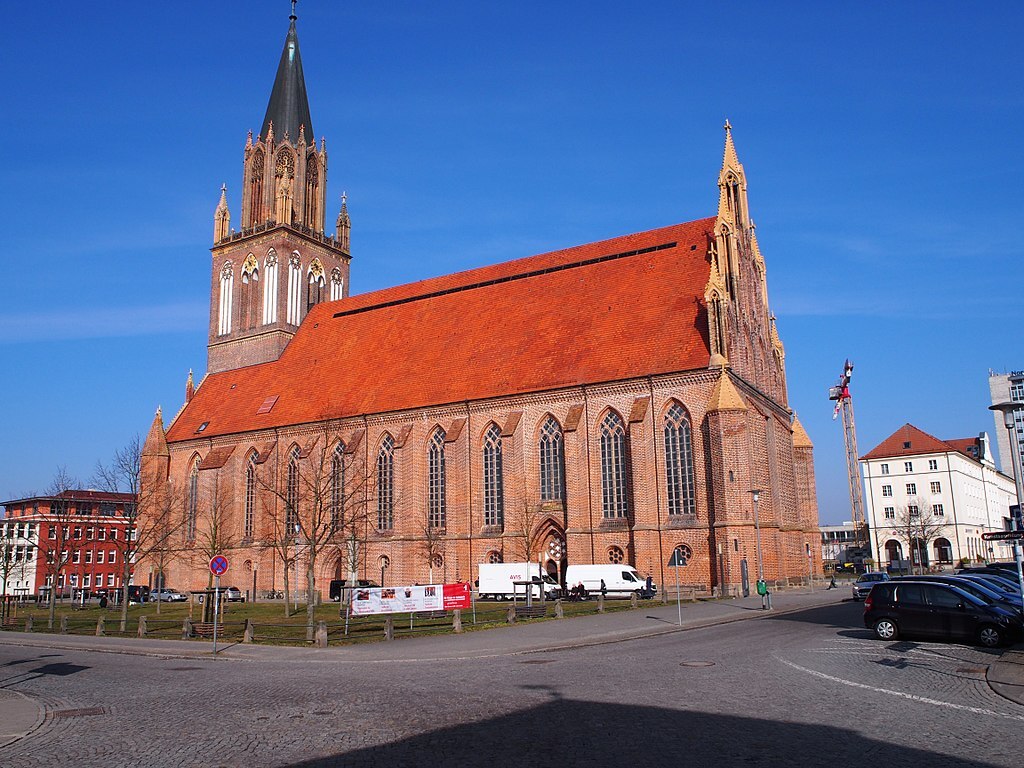
Many churches and monasteries in Mecklenburg-Western Pomerania date back to the Middle Ages. Today, most of it has been restored, and some serve very modern purposes, such as churches for cyclists or for radio games.
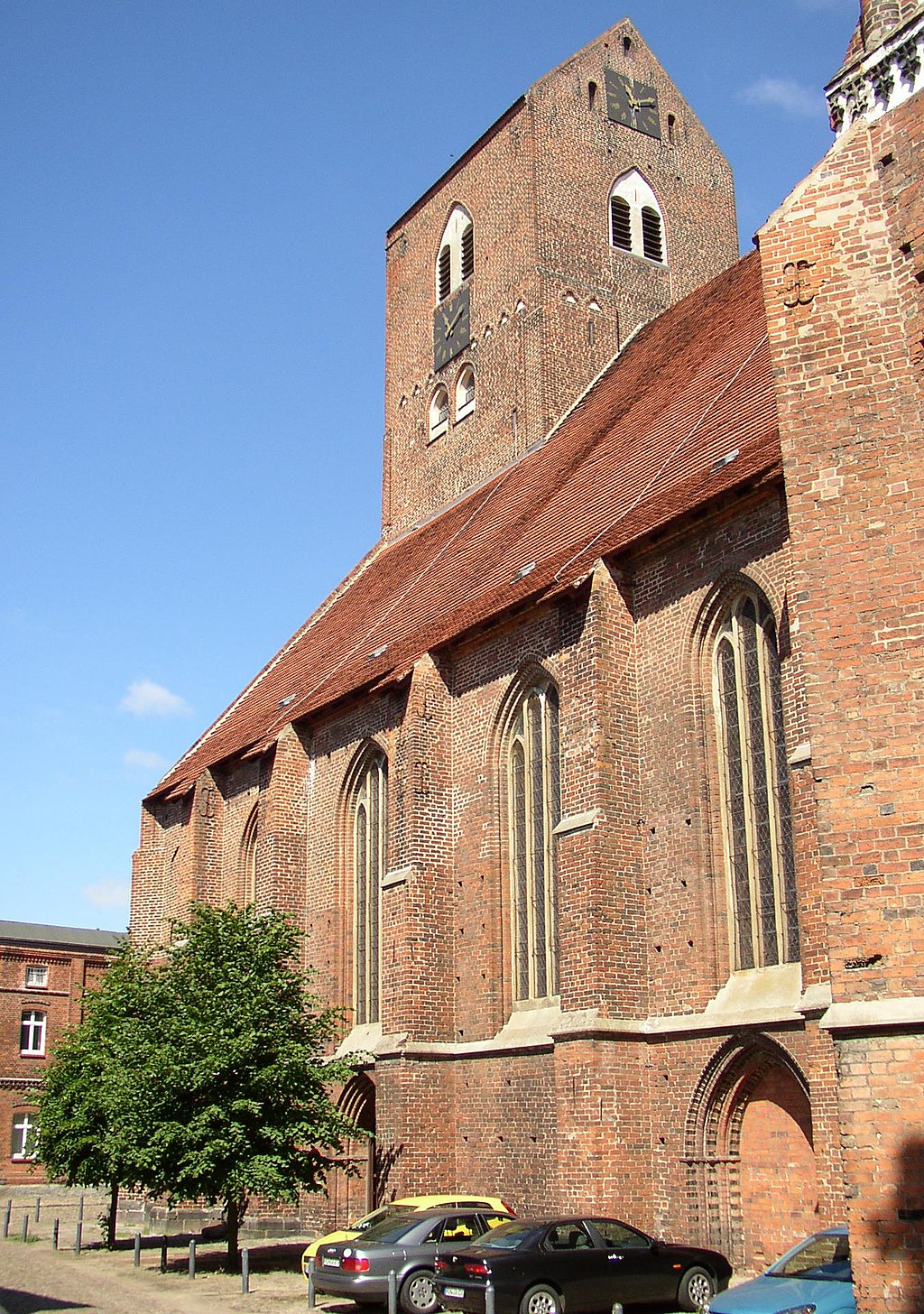
The water in Mecklenburg-Western Pomerania is never far away. And dark red brick towers, visible from afar, are almost equally ubiquitous. ‘The state can boast of a huge treasury of rural churches. Even parish churches often have a monumental size of cathedrals,’ says prof. Gottfried Kiesow, president of the German Monumental Protection Foundation, on the uniqueness of the architectural monuments of Mecklenburg-Western Pomerania. For many of them, the Cistercian or Benedictine monks laid the foundation stone in the Middle Ages, during the flourishing of the Hanseatic cities.
‘Most brick churches were built then: buildings of astonishing beauty and massive size,’ says Andreas Flade, senior member of the Mecklenburg Evangelical-Lutheran Church in Schwerin. Brick churches still characterize the image of the capital of the federal state, as well as neighboring Hanseatic cities: in Wismar, for example, conservators have been working on the restoration of the church of St. Jurja, who was badly damaged in the Second World War.
Stellwagen organ in Stralsund – the largest baroque organ in Europe
It is now used again for cultural and religious events. ‘It is a living construction site and was once considered the most faithful replica of St. Mary’s Church in Lübeck,’ explains Gottfried Kiesow. A sightseeing platform will be built on the large tower. ‘From there, a beautiful view of the Gulf of Wismar opens.’
Read our post: Riding in Turkey: Capidagus and the Sea of Marmara
Excavations revealed massive remains of foundations and columns. The 3D animation inside the tower explains how this gigantic building could have been built in the Middle Ages. Outside, visitors of all ages can see how bricks were made in the Middle Ages in a demonstration factory.
Three large churches in the Hanseatic city of Stralsund share something else besides red brick: their musicality. ‘expressionCity of organAccording to him, Mathias Pech, cantor of St. Nicholas Church, is by no means an exaggeration. builders. They were dedicated in 2006 after a three-year restoration. This fall, they will once again be put into operation and organ in St. Mary’s Church. Stellwagen’s organ is the largest that still exists in Europe and the only large baroque organ preserved in the North German brick basilica.
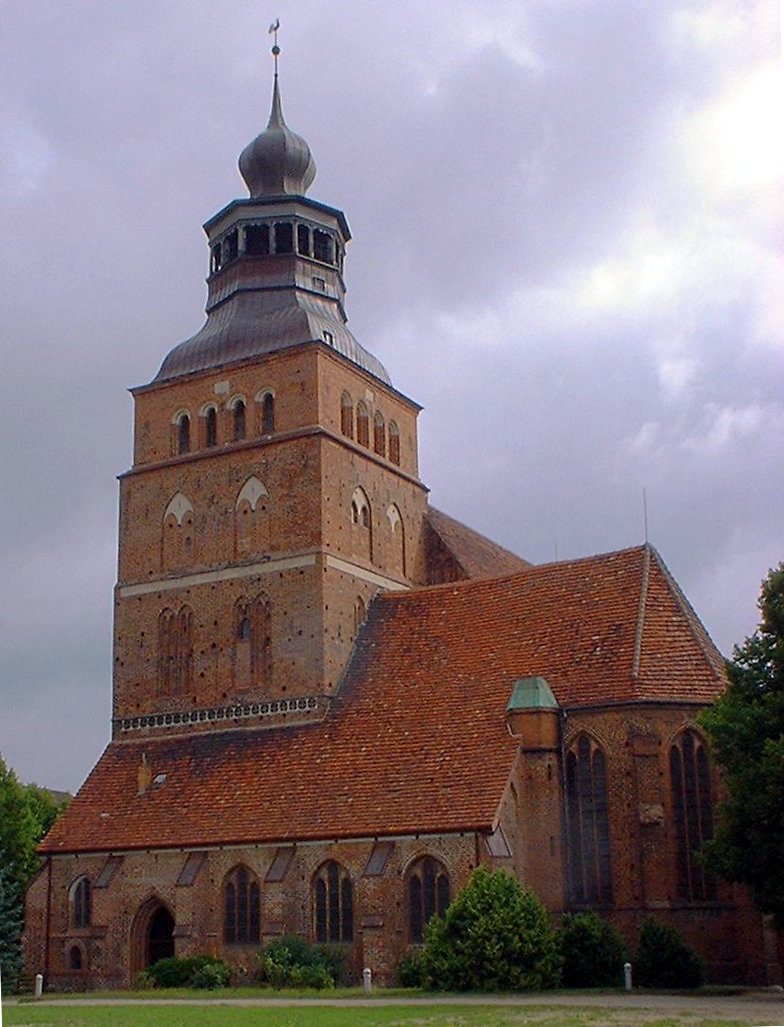
Contemporary Mecklenburg-West Pomerania Churches: Church for Cyclists and Radio-Drama Church
Third Church in Stralsund, St. Jakobi, used as a cultural church for concerts. It is an example of how places of worship can be used in a federal state where only one in five persons belongs to the Christian denomination. ‘They are more only partly necessary as churches,’ says Andreas Flade. ‘But they are still necessary: as a reminder of faith – there are also places of contemplation and thinking for tourists.’ For example, a short prayer service is held every noon in the church of St. Mary in Rostock.
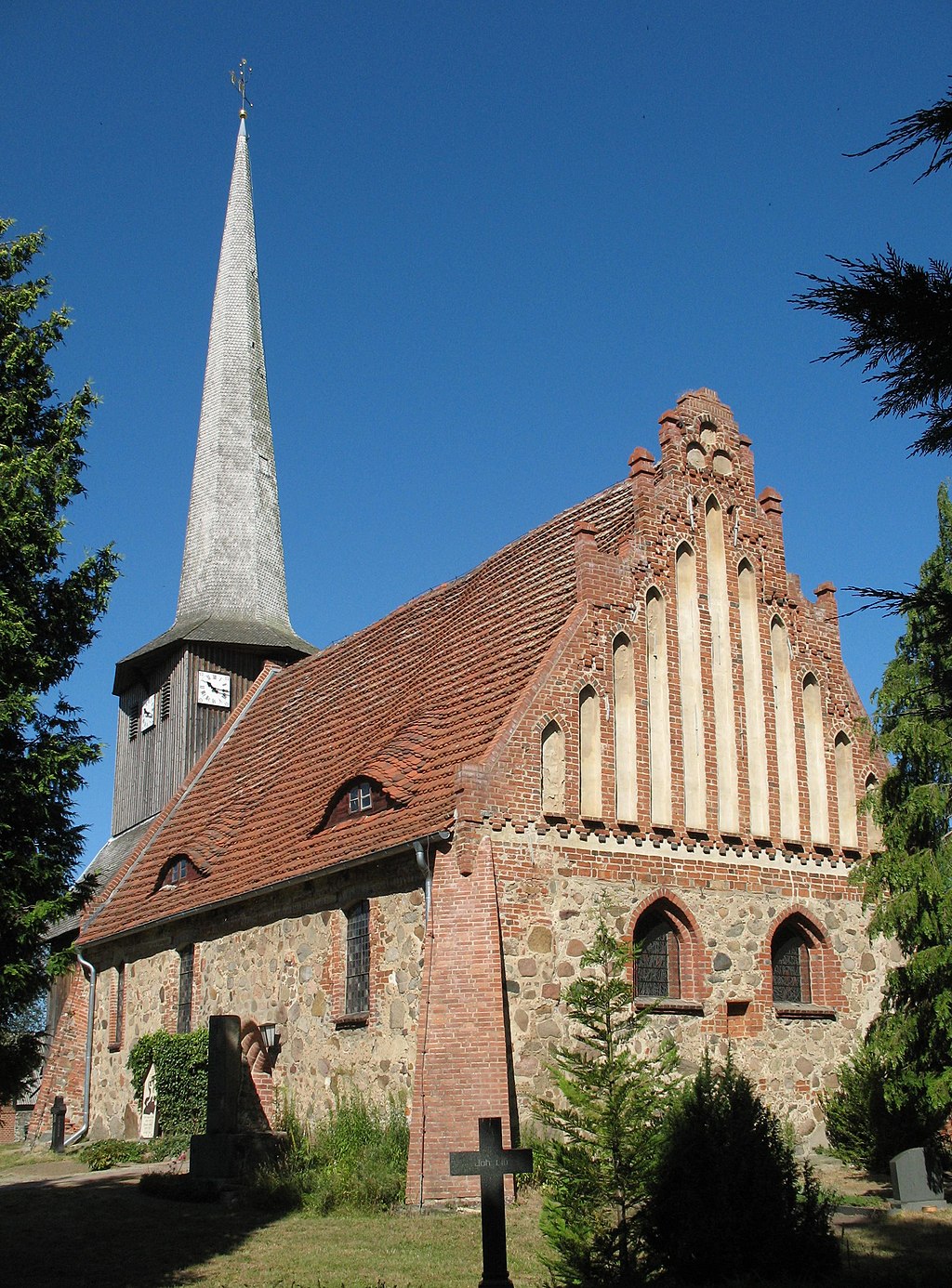
The regional church decided to preserve the character of its churches, and at the same time seek new purposes. For example, a cultural church in Landow on Rügen, a church with a radio drama on Lake Müritz and a church for cyclists in Ribnitz-Damgarten have already been built in the federal state.
For Harald Ringstorff, the current prime minister of the state, there are many examples of modern life within the old walls and a wide range of possible purposes: he believes that the monastery of Dobbertin and the monastery of the Holy Cross in Rostock are successful examples: While in the monastery in Rostock there is The cultural and historical museum of the Hanseatic city and the only university church in East Germany, Diakonie (deacon service) established itself within the monastery walls of Dobbertina.
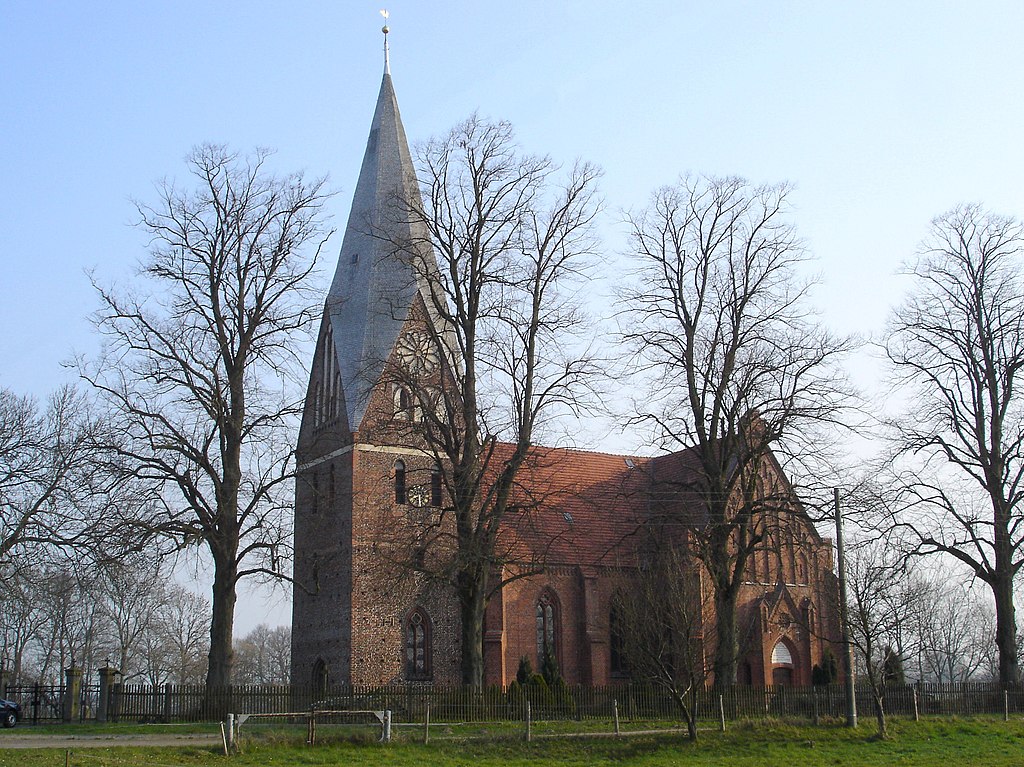
Pilgrimages in Mecklenburg-Western Pomerania – escape from stress and everyday life
It houses residential areas, a school and workshops for people with disabilities, as well as a public cafe and a branch of Theodor Fontane Society. Fontane found inspiration for his ‘Stechlin’ in this monastery, as well as his trusted friend Mathilde von Rohr, a nun in the monastery. Today, the monastery discovered the Mecklenburg-Vorpommern festival.
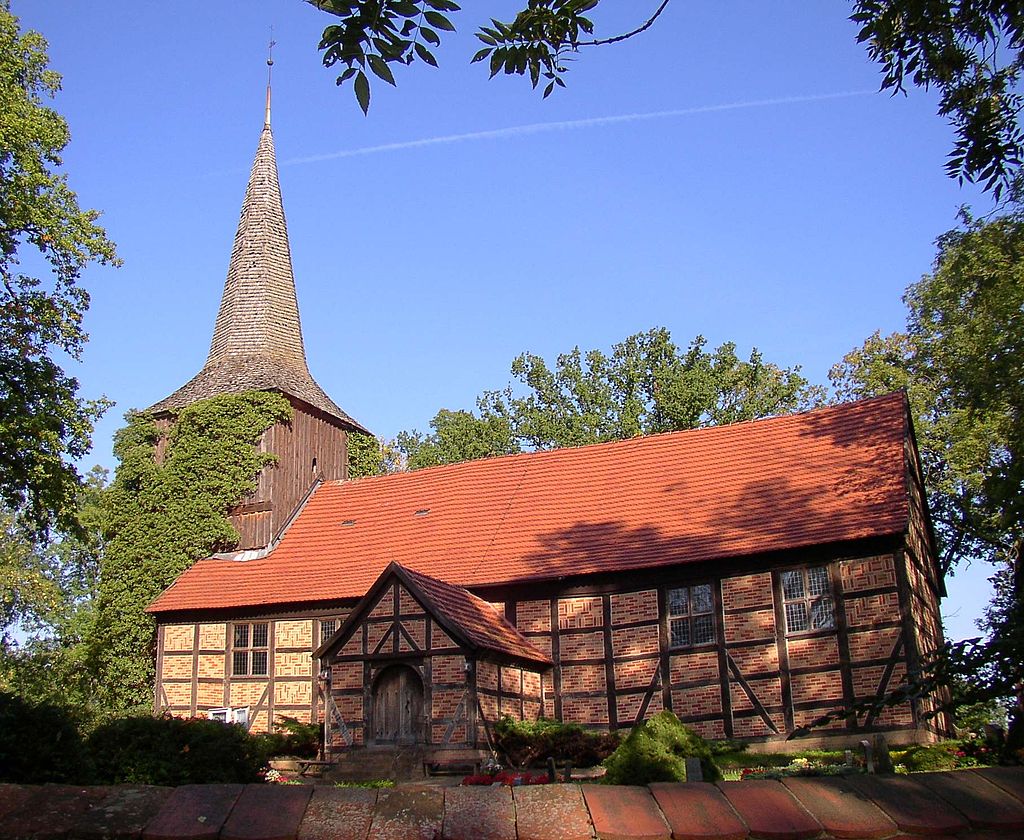
Efforts are currently being made to better connect 26 monasteries in the state. Old pilgrimage routes are historical traces of a once successful network. Many Germans enjoy hiking on vacation. ‘Forty percent of them would go on a pilgrimage,’ says Bernd Fischer, general director of the Mecklenburg Tourist Board-West Pomorje. ‘Pilgrimage is an escape from stress and a busy life. Our landscape, combined with unique architecture, offers a special experience.’
Cover photo: Anaconda74, CC0, Via Wikimedia Commons