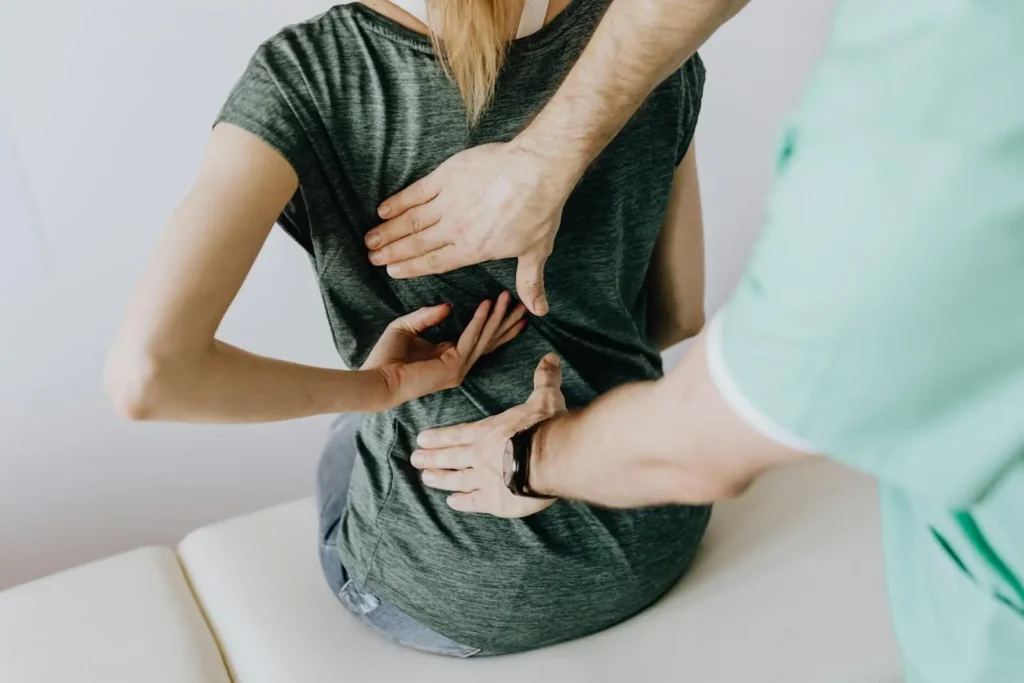
Pain in the lower back in women is one of the most common health problems today, which affects women of all ages – from teenage girls, through women of reproductive age, to older ladies. The lower back, or lumbar region, is exposed to stress every day due to posture, physical activities, carrying burdens, but also natural changes in the female body such as menstruation, pregnancy or menopause. This is precisely why pain in the lower back in women often has complex causes, which can be associated with musculoskeletal, hormonal or even emotional factors.
Although most women feel this kind of pain at least once in their life, it is important to understand the reasons for its occurrence, recognize possible more serious symptoms and know when it is time to seek professional help. Early reaction and proper care can prevent the development of chronic pain that significantly reduces the quality of life. In this text, we will explain in detail what causes lower back pain in women, how to distinguish them from other health conditions, what treatments to use to relieve pain, and what you can do to prevent their occurrence in the future (We recommend that you also read a detailed tutorial on Lower back pain in women on the Mayo Clinic page) ).
The most common causes of lower back pain in women
Pain in the lower back in women can be the result of a wide range of causes – from harmless, such as short-term muscle tension, to more serious health problems that require medical attention. Here are the most common reasons why women face this unpleasant problem:
Menstrual cycle and hormonal changes
Hormonal oscillations during the menstrual cycle can cause cramps and pain in the lower back, especially immediately before or during menstruation. In some women, the pain can be so intense that it affects everyday activities.
Pregnancy
During pregnancy, the body goes through numerous physical changes: the ligaments relax, the center of gravity moves, and the lower part of the back takes on additional load, which all together often causes pain.
Spine and muscle problems
Degenerative changes (such as disc herniation, spondylosis or stenosis), poor posture, improper lifting of the load or sudden movements can cause muscle and ligament strains in the lumbar region.
endometriosis
Endometriosis, in which the lining of the uterus grows outside the uterus, can cause chronic pain in the pelvis that spreads to the lower back, especially during menstruation.
Diseases of the urinary system
Urinary tract infections or kidney stones often manifest as pain in the lower back, and in women they are more common due to shorter urethra.
Osteoporosis
The loss of bone density in menopause increases the risk of vertebral fractures, which can cause acute or chronic pain in the lower back.
Obesity and a sedentary lifestyle
Excess body weight increases the load on the spine, and lack of physical activity weakens the muscles of the trunk, which can result in pain.
It is important to emphasize that lower back pain in women often occurs due to a combination of several factors – for example, bad posture, stress and hormonal changes. Therefore, it is crucial to approach the problem comprehensively, with consultation with a doctor when necessary. More information about specific causes can be found at Cleveland Clinic page on back pain in women.
What symptoms accompany lower back pain?
Pain in the lower back in women rarely occurs alone – it is often accompanied by additional symptoms that can help identify the cause of the problem. Some of the most common symptoms include:
Pain that spreads to the hips, buttocks or legs – this may indicate nerve irritation, such as sciatica or disc herniation.

Stiffness and reduced mobility – the feeling of ‘tightness’ in the lower back makes it difficult to bend, stand up or turn.
Tingling, weakness or numbness in the legs – symptoms that can be a sign of a more serious problem with the spine or nerves.
Pain that intensifies during certain activities – for example, when lifting loads, sitting for a long time, standing or walking.
Pain associated with the menstrual cycle – in some women, the pain occurs or intensifies immediately before or during menstruation.
Pain accompanied by symptoms of infection – such as fever, painful urination or changes in the urine, which may indicate a urinary tract infection or renal problem.
A feeling of pressure or pain in the lower abdomen – it can be associated with gynecological conditions such as endometriosis, fibroids or cysts.
If symptoms such as loss of control over urination or stool, sudden weakness in the legs or severe, continuous pain that does not subside appear along with back pain, it is necessary to seek medical help urgently, as this may indicate a serious condition.
When lower back pain in women requires a visit to a doctor
Although lower back pain in women is usually harmless and transient, there are situations in which it is important to immediately seek professional help. A timely visit to the doctor can prevent the condition from worsening and serious complications.
You should see a doctor if:
- Pain lasts longer than a few weeks without signs of improvement, despite rest, change of activity or use of mild analgesics.
- The pain is so strong that it interferes with everyday activities, sleep or movement.
- Feel weakness, numbness or tingling in the legs, especially if the symptoms worsen.
- There is a loss of control over urination or stool (incontinence), which can be a sign of serious nerve damage (Cauda equina syndrome).
- The pain is accompanied by high fever, chills, unexplained weight loss or severe fatigue, which may indicate an infection or malignant disease.
- Pain appeared after an injury, fall or traffic accident.
- You have a history of osteoporosis or are in menopause and suspect a fracture of the vertebrae.
Do not delay a visit to the doctor if you feel that the pain is getting worse or if you are worried about the intensity of symptoms. Early diagnosis enables more effective treatment and faster recovery.
Effective treatment and pain relief methods
Treatment of lower back pain in women depends on the cause and severity of the symptoms, but most cases are improved by a combination of conservative methods. The approach to treatment should be individualized, and the goal is to relieve pain, improve mobility and prevent the recurrence of problems.
The most commonly used methods are:
Rest and adaptation of activity – short-term rest (a day or two) can help with acute pain, but lying down for a long time is not recommended because it can worsen the condition. It is important to gradually continue with light activities.
Application of heat or ice – cold compresses can reduce inflammation in the first days after the onset of pain, while warm compresses help relax the muscles with chronic pain.
Pain medications – non-steroidal anti-inflammatory drugs (eg ibuprofen) or analgesics can be used for short-term pain relief, but should not be taken longer without consulting a doctor.
Physical therapy – targeted guided exercises to strengthen the muscles of the trunk and back help restore mobility and reduce pain. A physiotherapist can also recommend manual techniques or electrotherapy.
Exercise and stretching – Regular stretching and strengthening exercises of the back and abdominal muscles can significantly reduce the risk of recurrence of pain.
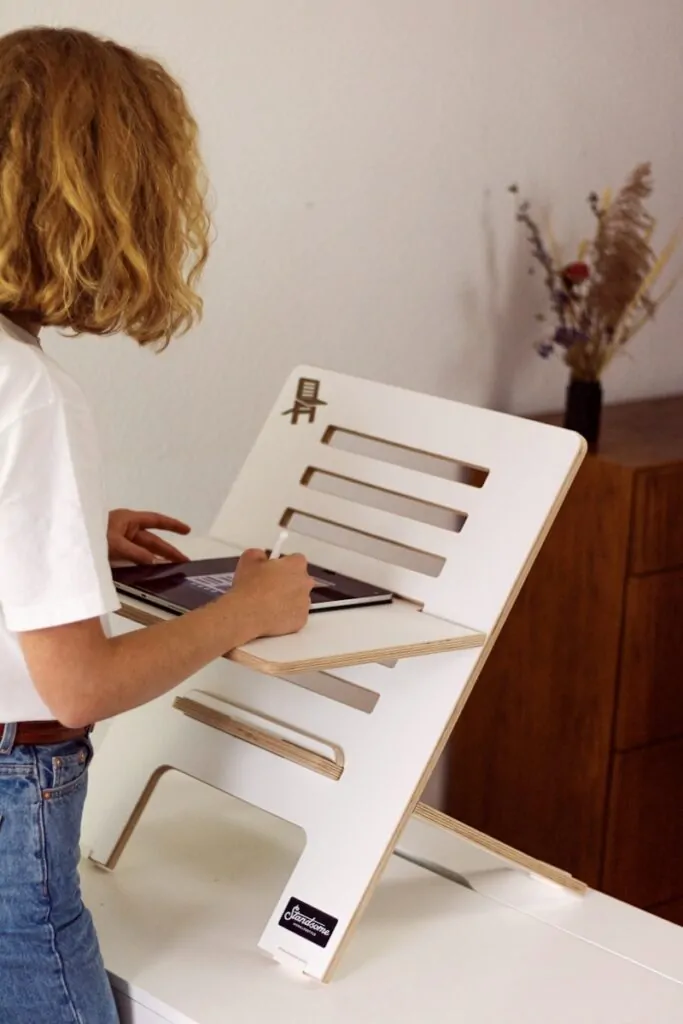
Changing lifestyle habits – losing extra pounds, proper posture and ergonomics in the workplace can prevent pain in the long term.
Complementary methods – techniques such as massage, acupuncture or yoga can help relax muscles and reduce stress, which often contributes to pain.
Treatment of the underlying cause – in specific conditions such as endometriosis, osteoporosis or problems with the spine, it is necessary to target these conditions.
In rare cases, when the pain does not respond to conservative treatment or is caused by serious problems such as a herniated disc that press on the nerve, surgery may be necessary.
Tips for preventing lower back pain in women
Although lower back pain in women cannot always be completely prevented, there are many measures that can significantly reduce the risk of their occurrence or recurrence. Prevention is based on strengthening muscles, maintaining proper posture and healthy lifestyle habits.
Exercise regularly – exercises to strengthen the muscles of the back, abdomen and pelvis help stabilize the spine and reduce the load on the lower back.
Pay attention to proper posture – when sitting, keep your back straight, your shoulders relaxed, and your feet flat on the floor. Avoid sitting or standing in the same position for a long time.
Lift the load properly – bend your knees, and keep your back straight when lifting objects from the floor, and keep the load as close as possible to the body.
Maintain a healthy body weight – excess weight increases the pressure on the spine, especially on the lower back.
Wear comfortable shoes – shoes with adequate support reduces the load on the spine. Avoid or limit high heels to short periods.
Sleep on a quality mattress – a mattress of medium hardness provides good spine support. It is preferable to sleep on the side with slightly bent knees.
Avoid stress – Chronic stress can lead to back muscle tension. Relaxation techniques such as deep breathing, yoga or meditation can help prevention.
Take care of the health of the spine – regular examinations, especially in the case of chronic diseases or hormonal changes, can help early detect problems that can cause pain.
By adopting these habits, you will not only reduce the risk of lower back pain, but you will also contribute to general health, greater mobility and quality of life. If you want to learn more about the treatment and prevention of back pain, visit NHS back pain guide.