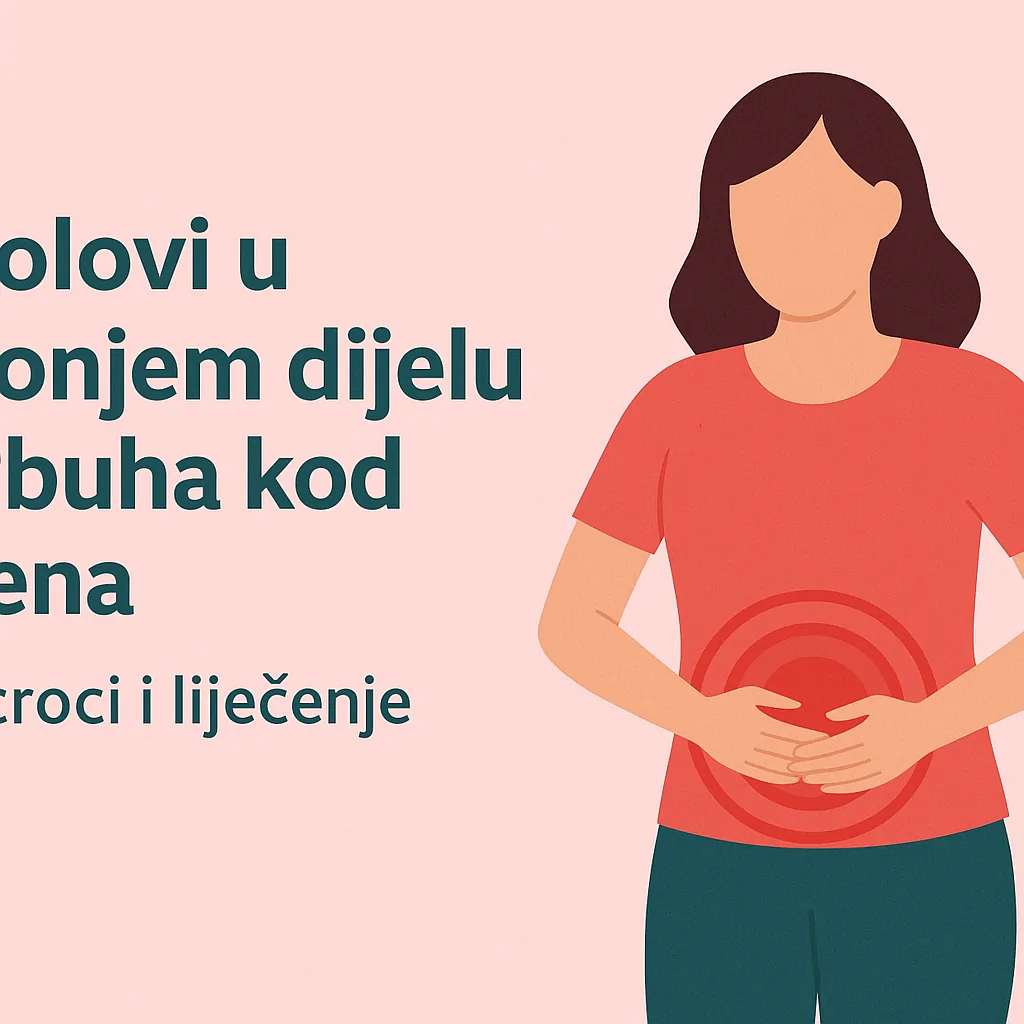
Pain in the lower abdomen in women can occur for various reasons, and are often associated with the organs of the reproductive system, bladder, intestines or musculoskeletal system. Some causes are completely harmless and transient, while others may require immediate medical intervention. Below are the most common causes:
1. Menstrual pain (dysmenorrhea)
One of the most common causes of pain in reproductive age is cramps during menstruation. The pain occurs a few days before or at the beginning of menstruation, and is caused by contractions of the uterus that expel the mucous membrane.
2. Ovulation (Mittelschmerz)
Some women feel mild to moderate pain on one side of the lower abdomen in the middle of the menstrual cycle, when the follicle breaks and the release of the ovum occurs. This pain is usually short-lived and is not a cause for concern.
3. Endometriosis
Endometriosis occurs when tissue similar to the uterine mucosa is located outside the uterus, often on the ovaries, fallopian tubes or pelvic wall. This can cause severe pain, especially during menstruation, but also during sexual intercourse or urination.
4. Ovarian cysts
Functional ovarian cysts are common and often do not cause symptoms. However, larger cysts can cause dull or sharp pain in the lower abdomen, especially if they rupture or twist (torsion).
5. Urinary tract infections (IMS)
Bladder or urethra infections can cause pain and pressure in the lower abdomen, frequent urination, burning and a feeling of incomplete emptying of the bladder. If not treated, they can spread to the kidneys.
6. Pelvic inflammatory diseases (PID)
This serious infection of female reproductive organs, usually caused by sexually transmitted diseases (eg chlamydia or gonorrhea), can cause severe pain, unpleasant odor discharge, fever and sensitivity in the lower abdomen.
7. Irritable bowel syndrome (IBS)
IBS can cause pain, bloating, constipation or diarrhea. Although it is not a serious condition, the symptoms can be very unpleasant and long-lasting, and they worsen due to stress or diet.
8. Constipation
Retention of stool in the intestines can cause unpleasant pressure and pain in the lower part of the abdomen. The cause can be poor diet, dehydration or lack of physical activity.
9. Pregnancy
In early pregnancy, pain can be the result of stretching of the uterus. However, severe pain combined with bleeding can be a sign of an ectopic pregnancy, which requires immediate medical attention.
10. uterine fibroids
Fibroids are benign growths on the uterus that can cause pressure, pain, heavy bleeding and discomfort, especially during menstruation.

Every woman knows her body best, but it is important not to ignore pain that is intense, long-lasting, frequent or worse. Below we will explain how to distinguish between types of pain and when to consult a doctor.
The difference between acute and chronic pain
Understanding the difference between acute and chronic pain in the lower abdomen is crucial for identifying potential health problems properly and choosing the appropriate treatment method. Although both types of pain can have similar symptoms, they differ in the duration, causes and how they affect a woman’s daily life.
acute pain
Acute pain occurs suddenly, lasts for a short time and is often a sign that something is currently happening in the body that requires quick attention. It usually lasts from a few minutes to a few days, up to several weeks at most.
Examples of acute lower abdomen include:
- appendicitis
- ectopic pregnancy
- torsion (twist) cyst on the ovary
- bladder infection
- spontaneous abortion
- sudden ovulation pain
Acute pain is often sharp, strong and accompanied by additional symptoms such as nausea, vomiting, fever or vaginal bleeding. If the pain suddenly appears and quickly worsens, it is important to seek medical help immediately.
Chronic pain
Chronic pain lasts longer than three months and usually develops gradually. It can be constant or occur occasionally, and is often a sign of a long-term or recurring health problem.
Examples of chronic pain in the lower abdomen include:
- endometriosis
- Irritable bowel syndrome (IBS)
- uterine fibroids
- Chronic urinary tract infections
- Pelvic inflammatory diseases that are not completely cured
Chronic pain can affect quality of life, cause fatigue, mood swings, anxiety and sleep disorders. Such pain requires detailed diagnostics and a long-term approach to treatment.
Why is it important to distinguish between them?
Recognizing the type of pain helps determine the urgency of the situation. Acute pain often requires quick intervention, while chronic pain requires systematic monitoring and treatment of the underlying cause. If you are not sure which type your pain belongs to, it is best to consult a doctor who will make an accurate assessment based on examinations, interviews and diagnostic tests.
Gynecological causes that you should not ignore
Many women experience pain in the lower abdomen as part of the daily cycle – whether it is menstruation, ovulation or hormonal changes. However, there are gynecological causes that are not common and that may indicate serious conditions. Ignoring such pain can lead to complications, fertility problems or even life-threatening situations. Below are the most important gynecological causes that need to be recognized and treated on time.
1. Endometriosis
Endometriosis is a condition in which tissue similar to the uterine mucosa grows outside the uterus – most often on the ovaries, fallopian tubes, bladder or intestines. This can cause chronic pain, especially during menstruation, painful intercourse, infertility and increased bleeding. Pain in endometriosis is often intense, piercing and does not go away with the usual painkillers.
2. uterine fibroids
Myomas are benign (benign) tumors of the uterus that can appear inside, on the surface or in the wall of the uterus. Larger fibroids can cause pain, a feeling of pressure in the pelvis, profuse or long-term menstrual bleeding, and frequent urination. Although they are not malignant, they can affect fertility and require monitoring or surgical removal if they cause serious symptoms.
3. Ovarian cysts
Most ovarian cysts are harmless and disappear on their own, but larger cysts can cause unpleasant symptoms such as pain, pressure, flatulence, and even ovarian torsion – a condition in which the ovary twists and interrupts blood flow. This condition requires immediate medical attention because it can lead to tissue necrosis.
4. Pelvic inflammatory diseases (PID)
This infection is often the result of untreated sexually transmitted diseases (most often chlamydia or gonorrhea), and can affect the uterus, fallopian tubes and ovaries. Symptoms include lower abdomen, fever, unusual vaginal discharge, pain during intercourse and irregular bleeding. If left untreated, it can lead to scars and infertility.
5. ectopic pregnancy
An ectopic pregnancy occurs when a fertilized egg is implanted outside the uterus, most often in the fallopian tube. It is an emergency medical condition that can cause severe pain, vaginal bleeding, dizziness or fainting. If it is not recognized in time, the fallopian tubes and internal bleeding may occur, which threatens a woman’s life.
6. Adenomyosis
Adenomyosis is a condition in which the uterine mucosa penetrates the muscle layer of the uterus, which can cause painful and abundant menstruation, a feeling of heaviness in the pelvis and chronic pain. Although it is less known than endometriosis, it also significantly affects the quality of life.
Why is early diagnosis key?
Many of these gynecological diseases develop gradually, and women often attribute them to ‘normal women’s problems’. However, pains that are strong, recurring, long-lasting or worsening should never be ignored. Early recognition of symptoms and a timely visit to a gynecologist can prevent complications and preserve reproductive health.
When pain requires immediate medical attention
Although many causes of lower abdomen in women are not dangerous and can be treated at home or under the supervision of a doctor, there are situations when pain may indicate an emergency that requires rapid medical intervention. In such cases, any delay can lead to serious complications and even endanger life.
Here are signs and symptoms that indicate that you should seek medical attention immediately:
1. Sudden, strong and unexplained pain
If the pain appears suddenly, for no apparent reason, and is very strong, it can be a sign of a serious condition such as ovarian torsion, cyst rupture, ectopic pregnancy or appendicitis. These conditions require immediate diagnosis and often surgical treatment.
2. Pain combined with vaginal bleeding
Bleeding that is not related to menstruation, especially if it is abundant, painful or accompanied by dizziness and weakness, may indicate miscarriage, ectopic pregnancy or other serious gynecological disorders.
3. High temperature with pain
An elevated body temperature in combination with pain can mean that it is an infection such as pelvic inflammatory disease (PID), urinary tract infections that spread to the kidneys, or even internal inflammation of the intestines. If the temperature exceeds 38 °C, with pain, you should react immediately.
4. Difficult or painful urination, blood in the urine
These symptoms may indicate a serious urinary tract infection, urinary tract stones or even damage to the bladder. If you also have pain in the lower abdomen, don’t wait – ask for help.
5. Dizziness, weakness or loss of consciousness
These symptoms, especially if they occur with severe pain and bleeding, can mean serious internal blood loss (eg, when exploring an ectopic pregnancy or cyst) and require immediate hospital admission.
6. bloating and inability to empty the bowels or gases
If the abdomen is very bloated, sensitive to touch and you have a feeling of pressure, with the inability to urinate or emptying the bowels, it may be an obstruction of the bowel or inflammation that requires immediate medical evaluation.
7. Pain after a recent gynecological procedure or delivery
If you experience severe pain, fever or bleeding after a procedure such as curettage, childbirth, insertion of a spiral or surgery, this may indicate complications that you must not ignore.

Conclusion:
Pain in the lower abdomen should not always cause panic, but if it is strong, sudden or accompanied by other alarming symptoms, do not wait for it to ‘go by itself’. A timely visit to the doctor can literally save a life. In case of any of the above symptoms – contact the emergency room immediately.
Diagnostics and treatment options for lower abdomen
When a woman feels pain in the lower abdomen that is unusual, long-lasting, strong or recurrent, it is important to carry out proper diagnostics to determine the exact cause and determine the appropriate treatment. Since the causes can be very diverse – from digestive and urinary to gynecological – the approach to diagnostics must be comprehensive.
diagnostic methods
1. History and physical examination
The doctor will first ask a series of questions related to the type of pain, its duration, intensity, connection with the menstrual cycle, digestion, urination or sexual intercourse. This is followed by palpation of the abdomen to assess sensitivity and localization of pain.
2. Gynecological examination
If a gynecological cause is suspected, an examination of the vagina and uterus is carried out, sometimes in combination with a PAPA test and taking swabs to analyze possible infections.
3. Laboratory tests
Blood tests can reveal signs of inflammation (elevated CRP, leukocytes), anemia, hormonal disorders or pregnancy. Urine analysis is used to diagnose urinary tract infections, while stool tests may indicate intestinal inflammation or parasites.
4. Ultrasound (UZV)
The most commonly used method for suspicion of gynecological and urological causes. Transvaginal ultrasound provides a detailed representation of the uterus, ovaries and other structures in the pelvis.
5. CT and magnetic resonance (MR)
These advanced imaging methods are used when ultrasound is not enough, especially for suspected tumors, complications in the intestines or pelvic abscess.
6. Laparoscopy
A minimally invasive surgical method that allows direct viewing into the internal organs of the pelvis. It is often used to confirm endometriosis, removal of cysts or fibroids.
Treatment options
Treatment depends on the cause of the pain, but in most cases the approach involves one or more of the following methods:
1. Medical treatment
- Analgesics and anti-inflammatory drugs (eg ibuprofen, paracetamol) – to relieve pain and inflammation.
- antibiotics – in case of bacterial urinary tract infections or pelvic inflammatory diseases.
- Hormonal therapy – for regulating the menstrual cycle, treating endometriosis, fibroids or polycystic ovary syndrome.
- Laxatives or bowel medications – in case of constipation or irritable bowel syndrome.
2. Surgical procedures
If the cause of pain is more serious – such as ovarian torsion, large cyst, fibroid, ectopic pregnancy or endometriosis in an advanced stage – surgery may be necessary. Depending on the condition, it can be a classic operation or laparoscopy.
3. Lifestyle Changes
In mild forms of pain, such as menstrual cramps or indigestion, changes in diet, regular exercise, stress reduction and enough sleep can have a great positive effect.
4. Physiotherapy and alternative methods
In some cases, pelvic floor physiotherapy, acupuncture or herbal preparations (under the supervision of experts) can help reduce chronic pain, especially in musculoskeletal causes.
5. Psychological support
Chronic pain can affect mental health. Psychological counseling, cognitive-behavioral therapy or group support can help women who have been struggling with discomfort and uncertainty for years due to unexplained pain.
Inclusive
Diagnosis and treatment of pain in the lower abdomen in women require an individual approach, a thorough examination and cooperation between the patient and the doctor. Self-medication without an accurate diagnosis can conceal serious conditions, so it is important to seek professional help in time and monitor the recommended therapy.