
In everyday language, lawyer and attorney are often used interchangeably – especially in the United States. Both terms refer to someone trained in law, but their precise meaning depends on context and jurisdiction. Essentially, a lawyer is someone who has studied law (usually has a law degree), while an attorney is typically a lawyer who is licensed to practice and represent clients in court. In the US these terms overlap heavily (one online legal resource notes “Attorney and lawyer mean the same thing”), but they can carry different connotations – and outside the US, the titles change significantly. Below we explain each term, how Americans and Brits use them, and what that means when you need legal help.
Definitions: Lawyer vs Attorney
- Lawyer: A generic term for someone educated in law. In the US, a lawyer typically holds a law degree (Juris Doctor). The U.S. legal encyclopedia Wex defines a lawyer as “an individual who is authorized to practice law,” and notes that a lawyer is also called an attorney or attorney-at-law. In other words, lawyer is a broad label for anyone trained in law.
- Attorney (or Attorney-at-Law): Formally, this means a lawyer who is admitted to the bar and authorized to represent clients in court. Merriam‑Webster defines an attorney-at-law as “a practitioner in a court of law who is legally qualified to prosecute and defend actions” (i.e. a courtroom lawyer). Cornell’s Wex puts it simply: “An attorney is someone authorized to practice law; a lawyer, also called attorney-at-law.”. In practice, this means an attorney has passed a bar exam (or other licensing requirement) in their jurisdiction.
- Key point: In the U.S., “all attorneys are lawyers” but “not all lawyers are attorneys”. Every attorney is by definition a lawyer (trained in law), but someone with a law degree who hasn’t passed the bar exam may be called a lawyer (or J.D.) but not an attorney.

In many everyday settings, Americans don’t distinguish between the terms: it’s common to hear “I need a lawyer” or “I need an attorney” to mean the same thing. Even the American Bar Association defines a lawyer (also called attorney) as “a licensed professional who advises and represents others in legal matters”. In short, U.S. usage treats the words almost as synonyms.
However, one subtle difference often mentioned is about practice rights. In theory, a lawyer is anyone who has studied law, whereas an attorney (attorney-at-law) is specifically empowered to act in court on behalf of others. For example, one legal blog explains: “‘Lawyer’ refers to someone trained in law. ‘Attorney’ refers to someone licensed to represent you in court.”. In reality, though, once someone becomes an attorney, they are fully a lawyer, and the terms are used interchangeably by most people.
Education and Licensing (US)
To illustrate the difference, consider the training path in the U.S. Both lawyers and attorneys share the same education, but only attorneys become licensed practitioners:
- Earn a bachelor’s degree (any major, often a pre-law field).
- Attend law school to earn a Juris Doctor (J.D.) degree. At this stage, you are a law school graduate.
- After graduation, to become an attorney, you must pass the state bar exam and be admitted to practice.
Becoming an attorney usually involves years of study and bar prep – imagine a law student working on case briefs late into the night. Only after passing the bar exam does a graduate become an attorney-at-law【20†】.
Until the bar is passed, someone with a J.D. can call themselves a lawyer (as in “trained in law”), but not an attorney. Once licensed, they can represent clients in court and use titles like “Attorney at Law” or “Esquire.” Note that these titles (Attorney at Law, Esquire, Counselor) are largely stylistic – they all refer to a licensed lawyer. For example, Esq. is an honorary suffix for a practicing attorney. The key fact is: a licensed attorney has the full authority of a lawyer in legal matters.
In practice, Americans rarely care about these nuances. A lawyer working on a corporate deal who won’t set foot in court might still call themselves an attorney, and a courtroom litigator is often just called a lawyer. What matters most is bar membership: if someone is listed on a state bar website, they’re authorized to practice law. If not, they may have a law degree but cannot legally give you advice or represent you in court.
Solicitors, Barristers and Attorneys in the UK
In the United Kingdom (England and Wales), the situation is quite different. The UK legal profession is split mainly into solicitors and barristers (with solicitors handling client work and paperwork, and barristers representing clients in higher courts). The generic term lawyer can refer to either, but the word “attorney” is not commonly used in the UK. Instead:
- Solicitor: A qualified legal professional who advises clients, drafts contracts, and may represent clients in lower courts. Solicitors do most of the preparatory work and client interaction.
- Barrister: A lawyer who is specialized in courtroom advocacy and litigation. Barristers represent clients in higher courts and are typically hired by solicitors when needed.
-
Attorney (UK): Except for special cases, this term is rarely used as a title for a UK lawyer. When you do see attorney in British legal contexts, it usually refers to:
- Power of Attorney: A legal document granting someone the authority to act on another’s behalf (e.g. managing finances or healthcare). The person appointed is often called an attorney-in-fact, but they may not be a lawyer at all. In the UK, granting someone Power of Attorney means giving them authority (they become an attorney) in that narrow sense – not that the person is a lawyer.
- Patent/Trademark Attorney: A regulated specialist who helps register and enforce intellectual property rights. These professionals are officially called patent attorneys or trademark attorneys in the UK, but this is a separate, technical role (regulated by bodies like CIPA/CITMA).
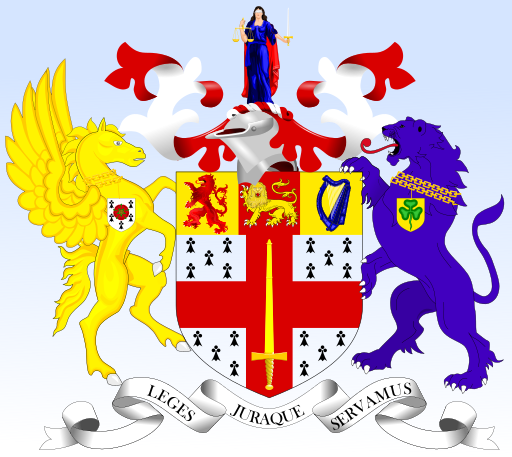
British resources emphasize this distinction. For example, a UK business law guide notes: “In the UK, ‘attorney’ is almost never used as a synonym for lawyer… if you see ‘attorney’ advertised in the UK, double-check their qualifications.”. Another explains that historically “attorney” was once a legal profession in England (the “poor relation” of solicitors) but was abolished in the 19th century; today the term survives only to denote someone legally empowered to act for another (i.e. under a power of attorney).
To summarize UK usage: A “lawyer” in the UK is usually a solicitor or barrister, while “attorney” isn’t used to describe solicitors/barristers (except in specialized senses like POA or patent work).
Other Common-Law Jurisdictions
English-speaking countries outside the US share similar usage to either the US or UK. For instance:
- Canada: People almost always say lawyer. “Attorney” is uncommon except in titles (e.g. Attorney General).
- Australia and New Zealand: Follow the UK model – legal professionals are barristers or solicitors, and “attorney” is not used for them.
- India, Pakistan, etc.: Usually refer to legal professionals as advocates or lawyers. “Attorney” might appear in phrases like “power of attorney” but not as a general job title.
In short, outside the US, the word “attorney” rarely means a general lawyer. It’s safe to assume that in UK, Australian, Canadian, or similar contexts, “lawyer”/“solicitor” is the standard term and “attorney” usually signals something else (often a legal power-of-attorney).
What Does This Mean for You?
Whether to call someone a lawyer or attorney depends on where you are and what role they fill. Here are some practical guidelines:
- In the U.S.: Feel free to use “attorney” and “lawyer” interchangeably for any licensed legal professional. The important thing is that they’re licensed by the state bar. When in doubt, verify their bar membership on the state’s lawyer directory.
- In the U.K.: If you need legal help, you’ll most likely seek a solicitor (for most legal work) or a barrister (if you need court representation). Calling someone “my attorney” might confuse a UK lawyer. Instead, just say “my solicitor” or “my lawyer.” If someone in the UK offers themselves as a “business attorney” or similar, check their credentials – they may not be regulated as a solicitor or barrister.
- Special contexts: Remember that “attorney” can also mean a legal agent with power of attorney. For example, if your parents appoint you as their attorney-in-fact to manage finances, that use of attorney just means you have legal authority – it doesn’t mean you went to law school.
Regardless of title, the critical factor is expertise and licensing. A person calling themselves an attorney or lawyer should be properly qualified. In both the US and UK, you can look up legal professionals in official directories (state bar associations in the US; the Law Society or Bar Council in England) to confirm they’re legitimate. Focus on their education, regulatory status, and experience rather than the title on their card.
Conclusion
In everyday conversations, the terms lawyer and attorney are often used to mean the same thing – but the details vary by country. In the United States, there’s essentially no everyday difference: most people call their counsel either lawyer or attorney, and licensed attorneys are simply lawyers who passed the bar. In the United Kingdom and similar jurisdictions, “attorney” is not a common job title; instead, lawyers are called solicitors or barristers, and “attorney” usually appears only in phrases like power of attorney or for IP specialists.
Key takeaways:
- US: “Attorney” typically means a licensed lawyer. People use “lawyer” and “attorney” almost interchangeably.
- UK: Use “solicitor” or “barrister”. The term “attorney” generally refers to someone with legal authority (e.g. under a POA) – not your average solicitor.
- Licensing matters most: Always verify that any legal advisor is properly credentialed (state bar in the US; Law Society or Bar Council in the UK).
Knowing these differences helps you address legal issues correctly. If you need legal advice, look for a qualified professional: in the US, contact a licensed attorney (check your state bar); in the UK, seek a regulated solicitor or barrister. The title (“lawyer” or “attorney”) is less important than the person’s expertise, qualifications, and ability to represent you. Make sure whoever you hire is in good standing with the appropriate legal authorities, and they’ll be able to guide you correctly regardless of the job title they use.
Sources: Authoritative legal sites and dictionaries were consulted, including legal encyclopedias and bar association guidelines. These explain how “attorney” and “lawyer” are defined and used in US law versus UK law. For further research, consider resources like FindLaw, the ABA, or official law society publications.
Cover photo: Joe Gratz, CC0, via Wikimedia Commons