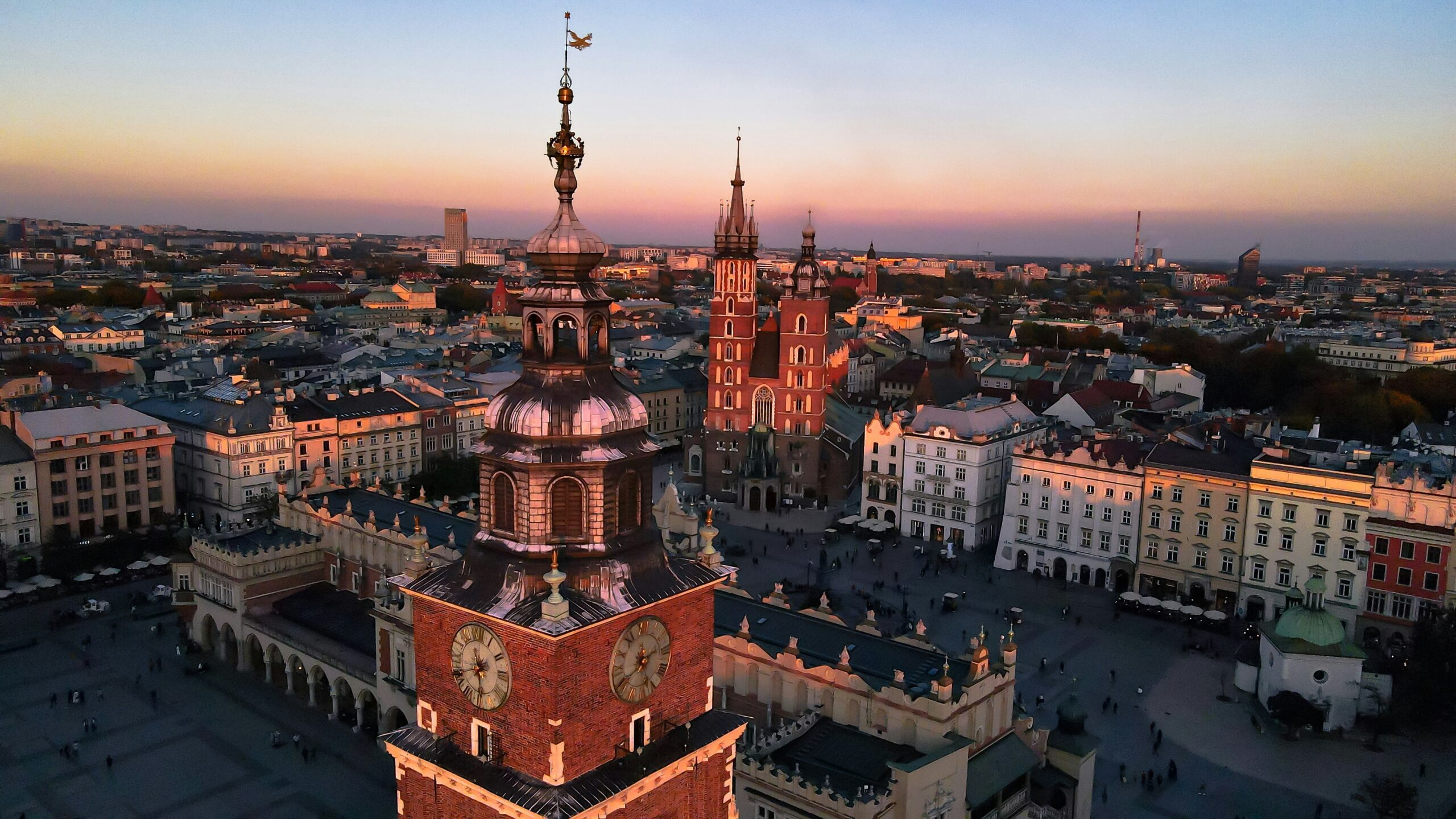
It’s not just the proximity of the Auschwitz concentration camp what makes Krakow a magnet for visitors. History and modern Poland come together in this episcopal city.
The melody hangs over the city for only a few seconds, and then the sound of the trumpet suddenly stops. The so-called ‘Hejnal’ blew the wind into every corner of the center of Krakow. It reminds residents and tourists not only that the whole hour passed, but also the Tatar attack on Krakow in the 13th century. According to legend, the trumpeter was mortally wounded in that last tone.
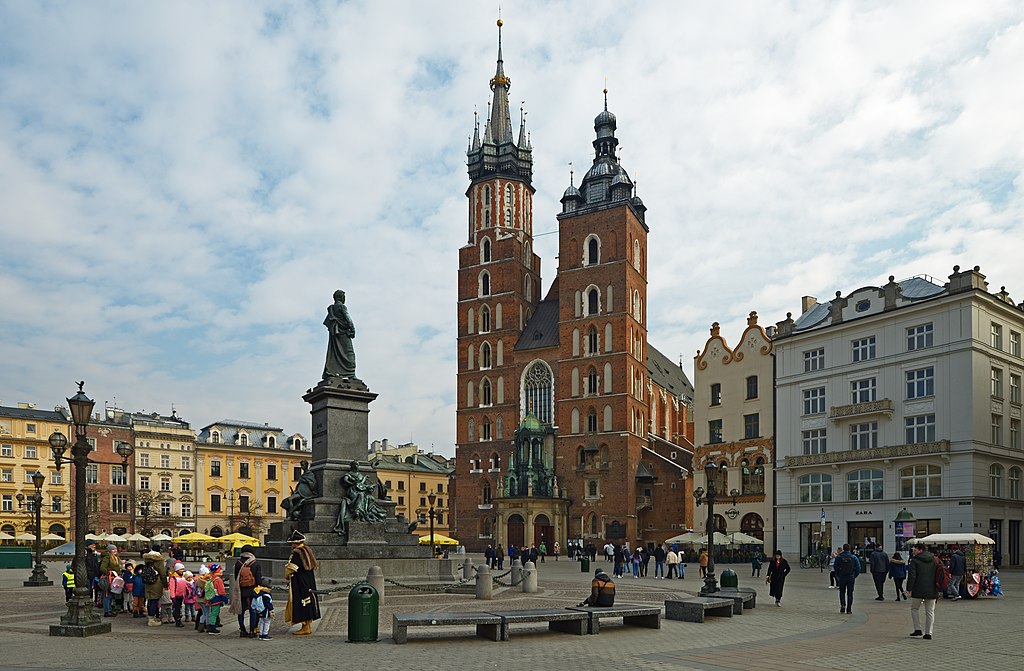
The awakening of ‘Hejnal’ is a centuries-old tradition in this southern Polish city near the high Tatras. They blow from the tower of the church of St. Marije, which is located in the market – Rynka. In Krakow, whose history goes back to the Stone Age, the church of St. Mary is a refuge of peace. The specialty of this three-nave Gothic basilica from the Middle Ages are its two towers of different heights.
If it doesn’t impress you, you will be amazed by the interior. Popular Polish artist Jan Matejko designed it in vibrant colors at the end of the 19th century.

Its gorgeous wall paintings provide a suitable setting for the world-famous 15th-century Veita Stoss main altar. Every morning, a masterpiece made of oak and pear opens in front of hundreds of tourists.
Apart from the plaque near the entrance to the church, there is little that would mark Pope John Paul II, who served as the archbishop of Kraków until 1978 and was a native of the nearby town of Wadowica. During his last visit three years ago, about 1.5 million people from all parts of Catholic Poland attended an outdoor mass. Today, many of his compatriots pray for his recovery in the church of St. Mary. The fact that the inhabitants of Krakow live in the most powerful and popular Pole in the world makes them proud – especially compared to the inhabitants of Warsaw.
John Paul II. He held his last mass in Krakow on the largest European historical square. Next to the Basilica of St. Marije, the tower of the City Hall and Suknenica are the main buildings of this square. It has been growing for centuries and is therefore characterized by several architectural styles, Suknenica offers space for many small shops and cafes. While sightseeing or shopping, this is the perfect place to relax and enjoy coffee in the sun.
Restaurants, pubs and jazz bars are abundant on the outskirts of Rynka, in numerous star-shaped side streets. In addition to tea, national drinks are Polish beer and vodka. Half a liter of local beer costs about six zlotys. Divided by four – which roughly corresponds to the exchange rate – it is only 1.50 euros. Zlot is divided into 100 groschi and remained stable since the currency reform in 1995.
This also benefits tourists, who can exchange money in zlotys in hotels, exchange offices and banks. The safest way is to simply lift the zloty from the ATM – although there is a small fee. Polish currency cannot be taken out of the country.
On the last evening, you can spend the remaining money with a clear conscience in the Krakow restaurant. In addition to traditional Polish cuisine, more and more specialized restaurants are opening in the Old Town. Anyone who wants to enjoy Polish food should look for something on the menu.
bigos, barszcz czerwony or pork chop (schabowy cutlet). Bigos is a hearty sauerkraut dish with bacon. If you don’t like cabbage, you should at least try the cooked beef in a Polish way with vegetables and horseradish or beetroot sauce.
While most foreign tourists can easily afford even the most expensive restaurants, Krakow residents resort to so-called milk bars. ‘Bar Mleczny’, which usually consists of a small dining room, offers several hot dishes for the equivalent of two to three euros until early evening. The milk bar ‘U Stasi’ at Mikolajska ulica 16 (Ul. Mikolajska), for example, is charmingly located in the back yard. It’s easier to find a place at ‘Bar Mleczny’ at Grodzka Street 47. Although almost all restaurants have English menus, you’ll have to watch the chefs at the dairy bar in action or learn a bit of Polish.
Accommodation in Krakow is like food: everything from cheap to luxury is available.
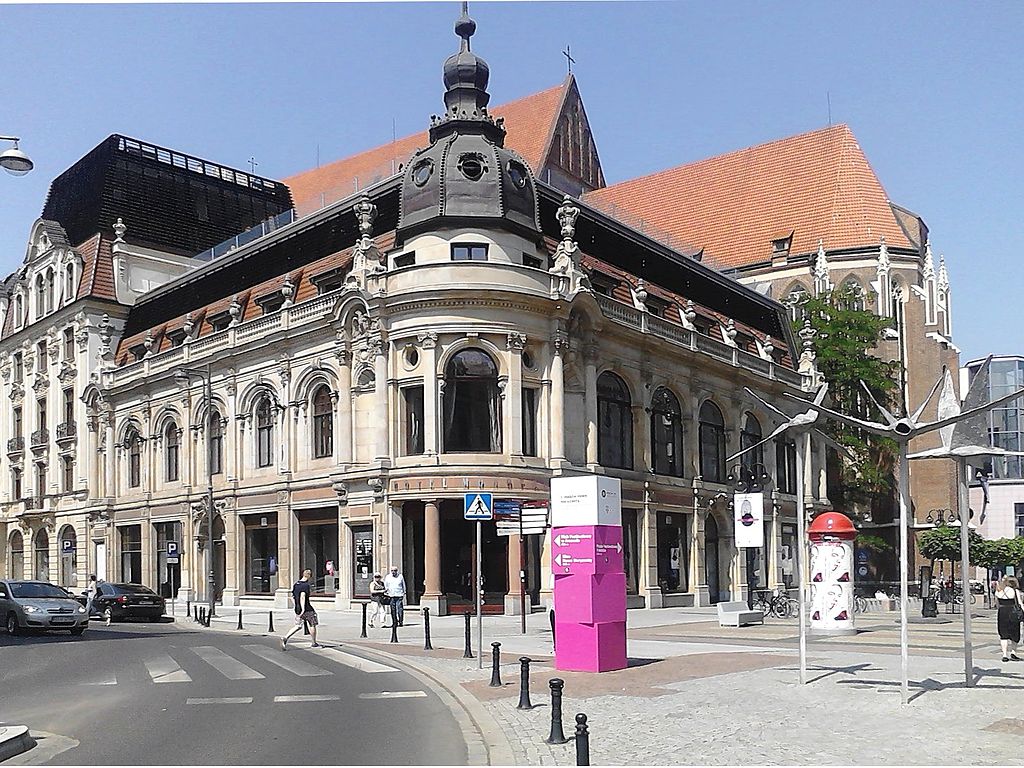
The city center is surrounded by a park belt, Planty, next to which there are several good hotels with three to four stars, such as the monopoly at Gertrudy Street 6. The Old Town is only a few minutes’ walk away. But the best place to stay is, of course, in the center.
Affordable accommodation such as youth hostels and student hotels can be found in more distant neighborhoods and costs between eight and 25 euros per night. Even more expensive hotels offer special prices in the off-season. During the summer months, the reservation should be made at least 30 days in advance. This can be done online or through the Polish Association of Hoteliers (phone: 012 422 6057).
Krakow offers several campsites, mostly located on the outskirts of the city. The former Kazimierz Jewish Quarter is also a great place to stay and celebrate. What was the home of nearly 64,000 Krakow Jews to ghettoization by the Nazis in 1939 and the later Holocaust, is now the iconic quarter of the city. The film ‘Schindler’s List’, which Steven Spielberg partly shot in Kazimierz in 1993, played a role in it. Thanks to the public interest, numerous foundations from all over the world donate money to preserve old buildings.
In Kazimierz, passengers do not rush from place to place, but walk slowly through the streets. In Szeroka Street, which is more of a square than a street, there is a Remuh synagogue – one of the six synagogues open to visitors. It is associated with a cemetery that dates back to 1551, impressive for its ancient tombstones. Men are allowed to enter Jewish temples and cemeteries only with a head covering, but it can easily be borrowed.
In the cafe Szeroka no. 1 You can experience what life and work in Kazimierz was like. The interior facade consists of replicas of small Jewish shops. There is the shop of the merchant Abraham Rattner and the carpenter Benjamin Holzer.
After a day in Kazimierz, it is worth visiting the Nazi concentration camp Auschwitz/Birkenau. From the main railway station, numerous bus companies offer excursions to the town of Oswiecim, where Adolf Hitler built his unprecedented extermination camp in 1941. The train also departs around 11:00 am. Return by train is possible in the afternoon or early evening. From Oswiecim Station, the Auschwitz I and Auschwitz II (Birkenau) camps are within walking distance.
Admission is free, but donations are requested. The cynical slogan ‘work releases’ is highlighted above the entrance. The camp, with its 40 two-story stone blocks, gas chamber, crematorium, gallows, death wall and several functional barracks, is fully preserved.
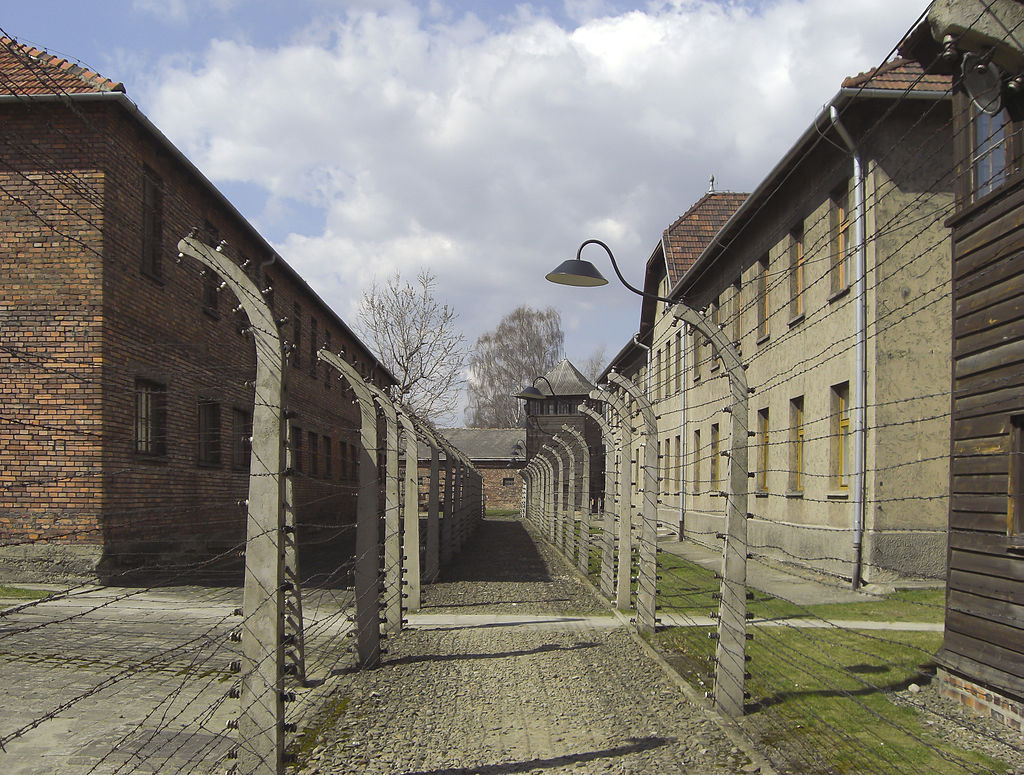
The exhibition spaces are placed in a total of 14 blocks. From April to October, the warehouse can be visited daily from 8:00 a.m. to 5:00 p.m. It is recommended that children under the age of 13 do not visit the exhibition.
When the capacity of the camp was no longer enough, the construction of Auschwitz II began in 1943. Birkenau was by far the largest Nazi extermination camp. Even the walk from the main camp to Birkenau is impressive, as the massive entrance building is visible for a good mile before the destination. The last part of the route runs parallel to the railroad, which was transported directly to death by thousands of people – mostly Jews – during World War II. As soon as they got off the freight wagons, they were taken straight to the gas chambers. Only those who were able to work, mostly men, were interned.
Barracks give an impression of how they lived and were harassed. Some of the stone and wooden sheds are open. Upon entering, you get a sense of how cold and bloated it must have been in the winter, and steamy in the summer. Hundreds of people had to sleep in cramped rooms on brick or wooden beds on three floors, which still exist.
the path of the prisoner
The so-called central sauna, where newcomers tattooed, disinfected and took away their belongings, is now a museum. The route through the exhibition is the same one that the prisoners had to go then.
On the way back to Krakow, most of Auschwitz’s visitors remain in silence – interrupted by brief conversations about their experiences. As soon as the train arrives at Krakow Central Station, ‘Hejnal’ breaks the evening silence, spreading a sense of security.
Cover photo: Photo by Kevin Perez Camacho he unsplash