Kenya offers more than just rides in safari parks and views of Kilimanjaro: Lake Victoria and the Lamu archipelago in the Indian Ocean, where the sound of the waves meets the call to pray the muezzin, for example.
The Shimba hills southwest of the coastal metro of Mombasa inspired Ernest Hemingway to write about the ‘green hills of Africa’. Just a two-hour drive from Kenyan beach hotels with shorelines bordered with coconut palms, the wilderness awaits you. In the small Shimba Hills National Park, the encounter with elephants is almost guaranteed. And Tsavo National Park, one of the largest in East African country, is also only a few hours’ drive away.
Kenyans are friendly. But that is not the only reason why tourists feel that they are being treated with special civility. Kenya largely depends on the money that visitors from all over the world bring to the country. Apart from the export of cut flowers, tourism is the most important economic sector of the country, even more important than growing tea and coffee in the highlands.
Safe Travel to Kenya: Enjoy a Safari adventure without worry
Samuel Owiyo is also a waiter at a four-star hotel on the north coast of Mombasa. He’s very busy right now. But most restaurant guests are locals. A few whites are not European tourists who stay longer and spend money; They work in Nairobi and come to the coast only on weekends. ‘You have to tell your friends in Europe that I can come here without any danger,’ says Samuel, almost pleadingly.
Pictures of bloody unrest after the presidential election inflicted a heavy blow to the Kenyan tourism industry. The cancellations left the hotels empty and the beaches deserted. Many hotel employees believe that travel warnings were excessive and unnecessary. While shops were looted and huts were burned in Mombasa, violence was concentrated in slums. Lots of hotel staff live there, but not tourists.
The wild nature of Kenya: Safari and encounters with large animals
Along the coast of the Indian Ocean, coral reefs and marine national park offer excellent diving and snorkeling opportunities. Those who prefer a less active experience can enjoy the view of colorful fish in crystal clear water from a glass-bottomed ship or dhow, a traditional Arabic sailing ship, and, depending on the season, with little luck, spot dolphins.
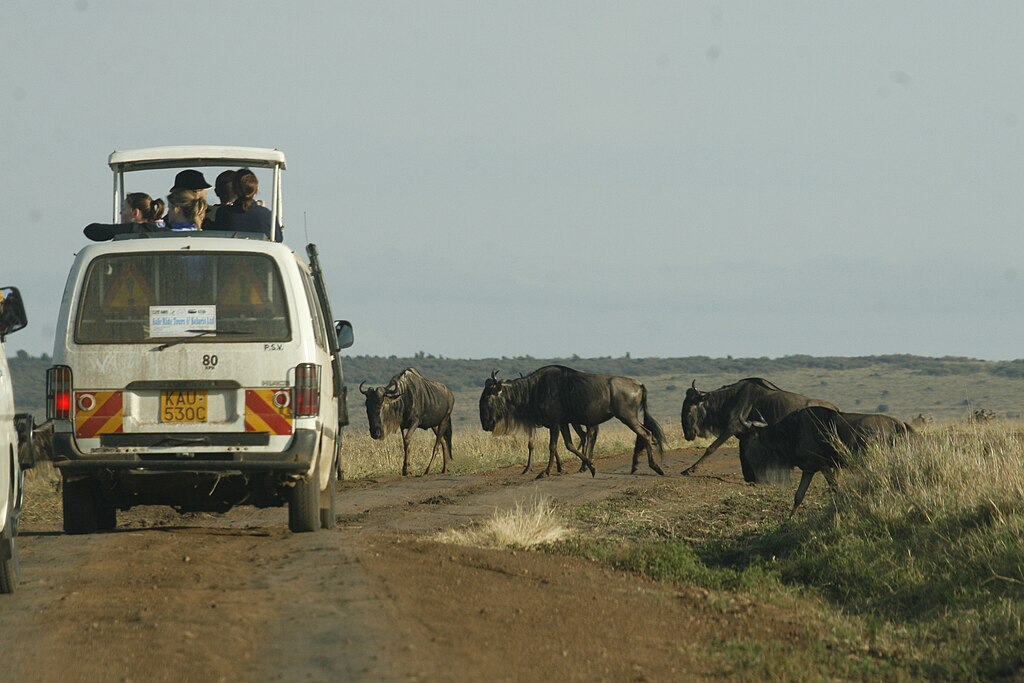
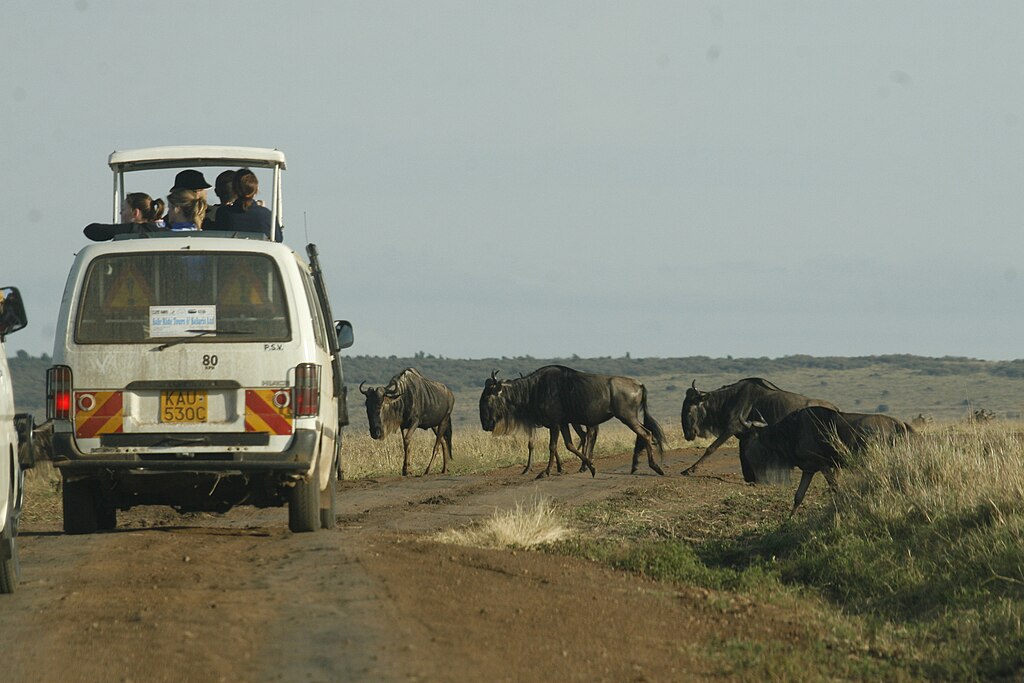
In addition to Tsava, among the most visited parks are the Amboseli National Park, where, if weather permits, you can see the top of the Kilimanjaro mountain in neighboring Tanzania, and the Masai Mara, which is considered by many to be the most beautiful national park in Kenya. At least in the savanna landscape, it is often easier to spot animals than in Tsavo Park, where dense vegetation after a rainy season presents an additional challenge.
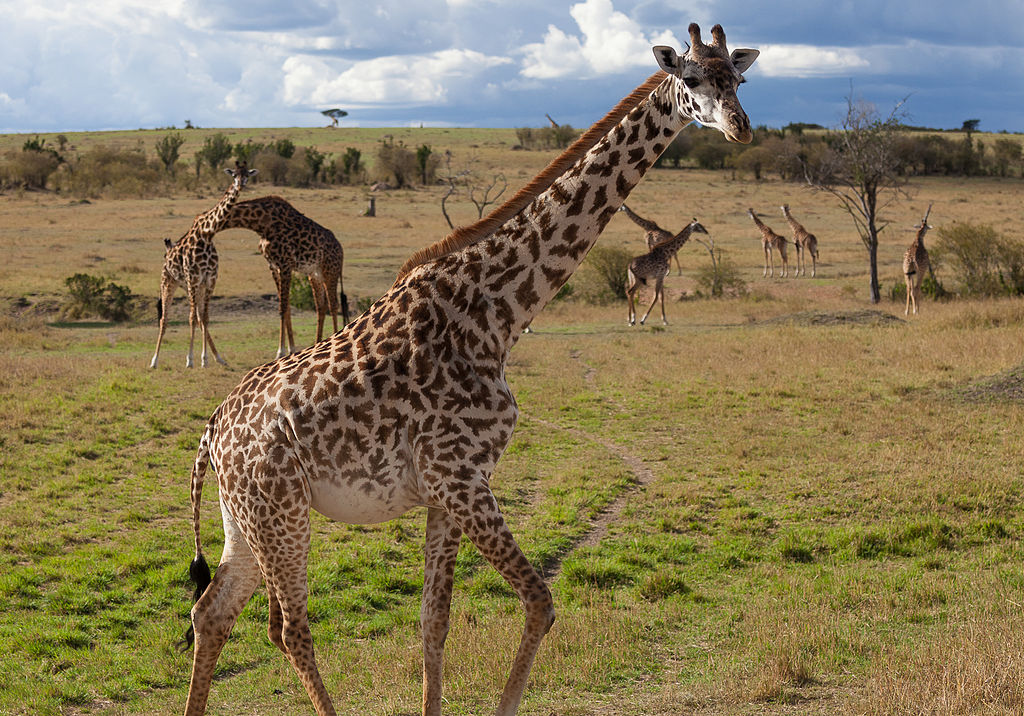
Giraffes, zebras and all kinds of antelopes are a guaranteed sighting on safari rides, and herds of elephants are also easy to spot. Lions and cheetahs usually retreat during the day, but at dusk visitors have a good chance to see these big cats with the help of local safari drivers. Some luxury accommodations allow their guests to enjoy dinner overlooking a nearby watering hole or breakfast overlooking the hippos that bathe in the morning.
Respect for Local Culture: Tips for Visiting the Lamu Archipelago
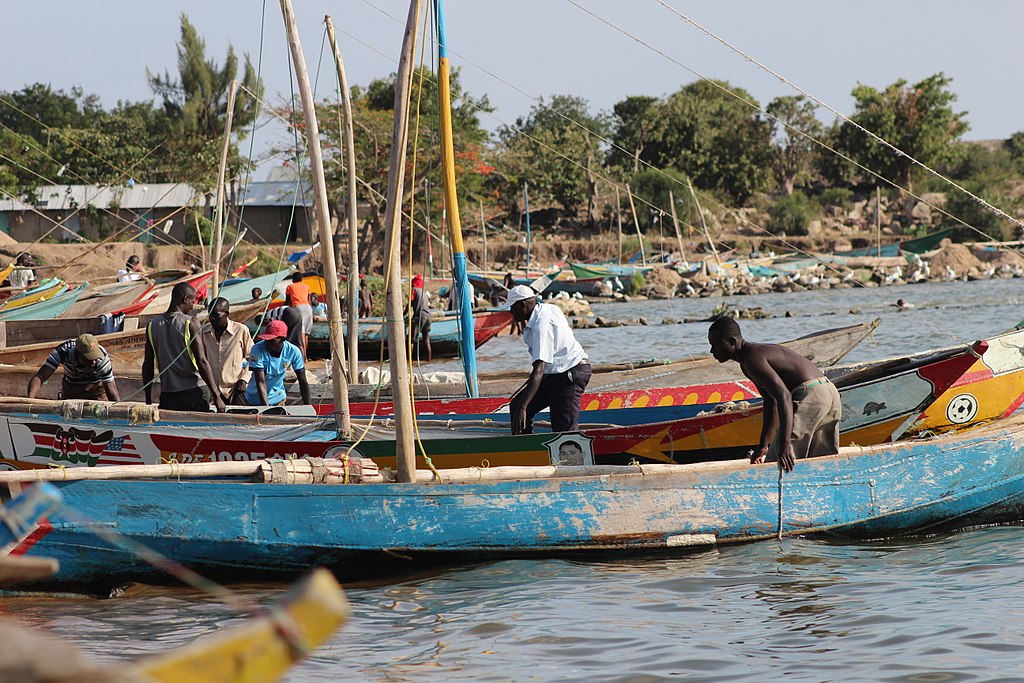
Apart from the famous tourist attractions, there are still areas in Kenya that are only now being developed for tourism and mostly hidden gems remain. Lake Victoria, on the border with Uganda and Tanzania in western Kenya, is not only the largest lake in Africa and the second largest freshwater area in the world, but also a true bird paradise. Eagle fishermen, pelicans, cormorants and herons compete with fishermen of the surrounding villages and enthusiastic fishermen.
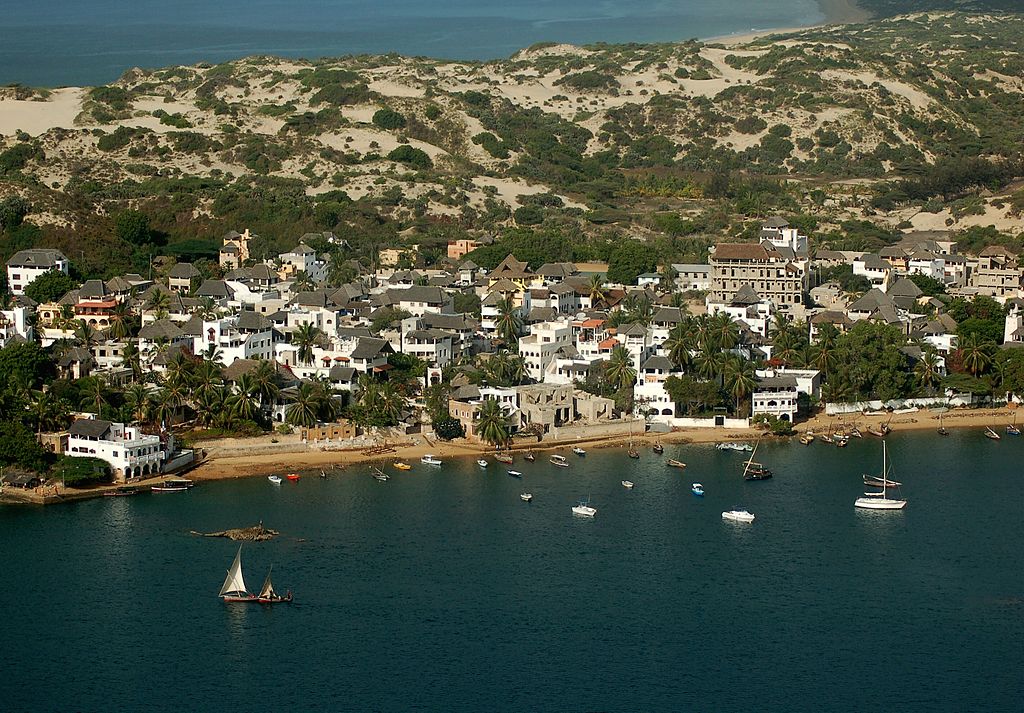
On the other hand, a visit to the Lamu archipelago in the Indian Ocean is like traveling in a thousand and one nights. For centuries, Omani merchants have shaped the development of Swahili culture on the Kenyan coast, and in Lamu this heritage has mostly remained untouched. There are no cars in the narrow streets of Lamu; Donkeys and ships are the only means of transport on the island. Women and men with a veil in traditional white robes are a common sight.
On Lamu, the roaring of donkeys and the noise of the sea are mixed with the call to prayer from numerous mosques. The inhabitants of Lamu are tolerant, but also proud of their culture. And they want Lamu to keep his traditional way of life in the future. Therefore, foreign visitors are encouraged to show respect. ‘Our children see you and observe you,’ reads a letter from the local tourist office, which is distributed in hotels on the island. In particular, visitors are asked to dress appropriately.
Cover photo: Demosh From Nairobi, Kenya, CC BY 2.0, Via Wikimedia Commons