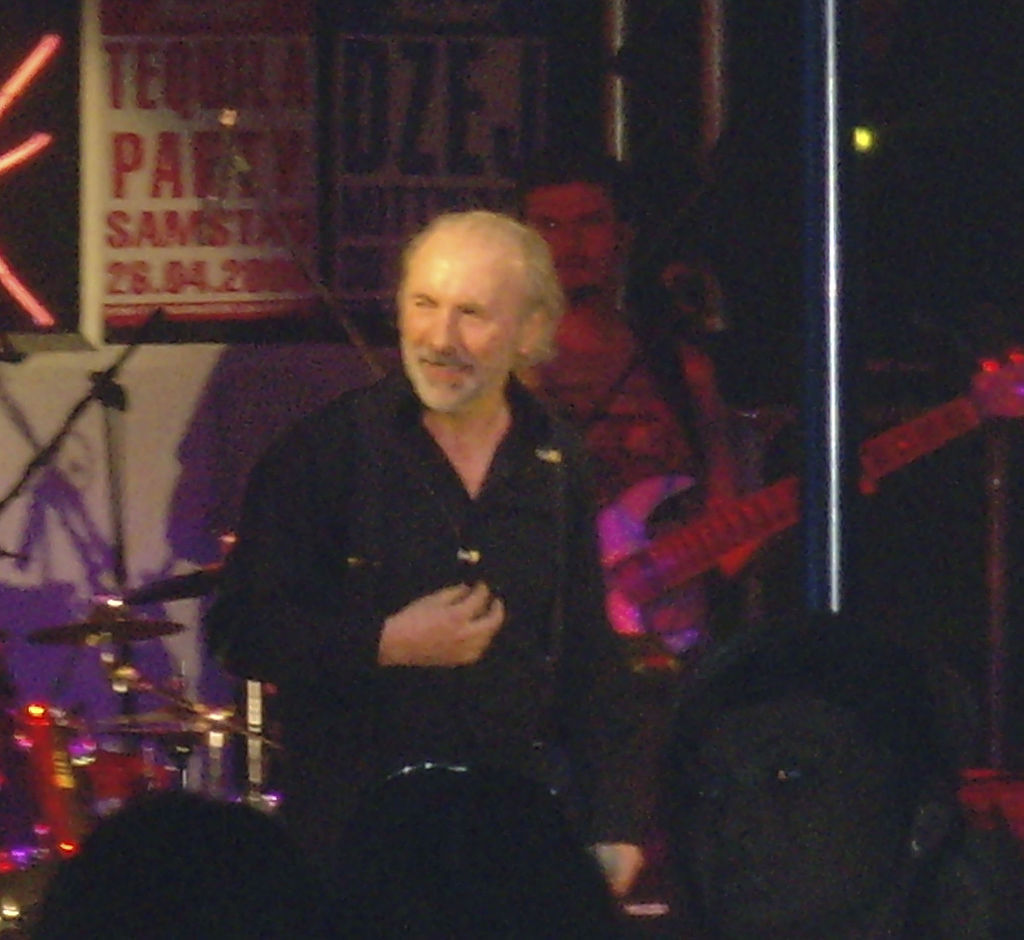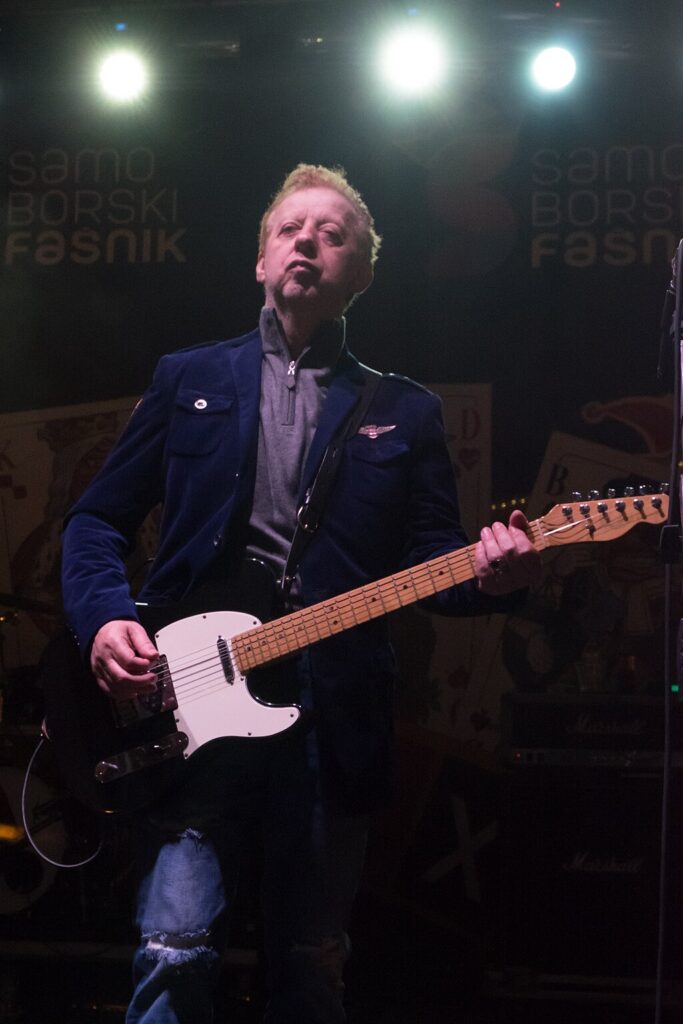
Jasenko Houra (born June 3, 1960) is a Croatian musician and guitarist, best known as the leader and songwriter of the cult rock band Prljavo kazalište. During his rich career, he created numerous hits that we still listen to today, and the band eventually became one of the most influential institutions of the domestic rock scene.
Early life and education
Jasenko was born in Virovitica as the only child of a doctor and painter. In his youth, he moved with his parents to Dubrava, Zagreb, where he practiced tennis as a child, and then football. His mother supported his musical ambitions, while his father insisted on his education. As a 17-year-old, he decided to seriously deal with music, but his father gave him financial support for the instrument only on the condition that he return all the borrowed money with interest. After the release of the first album, Houra, as I say, fully settled all the debt.
Career and musical success
Houra made its debut with the band Prljavo kazalište in 1979 with an album that critics declared one of the best domestic rock debut releases. In 1980, their most popular album was released “Black and white world” – sold in about 200,000 copies – on which Houra introduces ska rhythms into rock songs. With the success of that album, the band embarked on international tours, and Houra confirmed the status of a successful songwriter and composer.
One of the highlights of his career was the album “Stop the Earth” (1988), which contains the emotional ballad “My Mother (Rose Croatia)” dedicated to Hour’s late mother. The text of that song, especially the line “The Last Rose of Croatia”, caused a strong national charge. After the release of the album, the band held big concerts at home and abroad, and the peak was reached on October 17, 1989 at Ban Jelačić Square in Zagreb, where, despite the official ban, there were more than 250,000 gathered young people.
Most famous hits and albums
- “Marina” – One of Hour’s most famous singles, often performed live.
- “To my mother (Rose Croatia)” – an emotional dedication to Hour’s mother, which became a symbolic song with strong emotions.
- “Happy Child” – An optimistic single about youth and freedom.
- “Street Hero” – The title song of the album of the same name from the early 80s.
- “Black and white world” – an energetic hit with an album that brought ska elements to the sound of the band.
Everything behind Houra is 14 studio albums of Dirty Theater (with five compilations and six live releases). His song “My home is Croatia” was used in an advertisement for the 2004 World Cup, which speaks of a patriotic charge in his lyrics.
Prizes and awards
Dirty Theater under Hour’s leadership has won a number of prestigious awards, including:
- Porin for Album of the Year (1994) – For the album Kick your heels, say everything for Croatia.
- Porin for best video program (1994).
- Porin for the best rock album (1998 and 1999).
-
Porin for Best Album Design (1999 and 2006).
These confessions confirm that Hour’s music and creativity left a mark on domestic music.
Personal life and outstanding projects
He is a journalist by education and even spent half a year of school on exams for a basketball coach, while today he runs a sports management agency. In Switzerland, he has a registered company for the sale of valuable art, a business that he started with the help of his late cousin Žarko Dolinar. His beautiful hobby is also art – his favorite painting is his portrayed childhood, painted by his mother painter.
He is married to a Canadian, Dianne, and they have three children. He tries to protect the family’s privacy, and none of his sons and daughters followed his father’s paths in music. He especially stood out when he distinguished himself from the performance of five of his most famous songs – “My Mother”, “Black and White World”, “Happy Child”, “From Time to Time” and “Hero of the Street” – donated to the Ana Rukavina Foundation for the treatment of children.
He is still very active today: preparing a musical according to a novel colored bird, is writing a book about rock ‘n’ roll in which he records a quarter of a century with Dirty Theater, and he also works on a new album. Thanks to such dedication, Jasenko Houra remains a prominent participant in the music and cultural scene, even after four decades of work.
Conclusion
Jasenko Houra remains one of the key figures of the Croatian rock scene. With his hits, performances and artistic ideas, he laid the foundations of the famous career of Dirty Theater, and at the same time showed a wider engagement – from sports and business to humanitarian work. The legacy he created, as well as the story of his persistence and creativity, are an inspiration to new generations of musicians. If you want to feel part of his musical magic, listen to his songs at concerts or festivals and explore the rich heritage he built – that’s the best way to conclude this story about the eternal rocker.
Sources: Information was collected from Jasenka Houra’s biographies on portals biography.com and Večernji.hr, and accompanying texts and interviews. Prize data are taken from reliable sources of music chronology.
Cover photo: Rom@nski photo from Rakov Potok, Croatia, CC BY 2.0, Via Wikimedia Commons