
In our digital age, the stakes for information security have never been higher. Global losses to cybercrime are projected to rise from $9.2 trillion in 2024 to $13.8 trillion by 2028, underscoring the urgent need for skilled defenders. In practice, cybersecurity professionals protect networks, systems, and data from malware, phishing, ransomware and other attacks. These “frontline soldiers” build defenses like firewalls, monitor networks for intrusions, and respond to breaches to keep our data safe. With cyber threats growing fast, there are more job openings than ever. In the U.S. alone, one analysis notes roughly 457,000 cybersecurity job openings in 2025.
Given these trends, many people ask: Is cybersecurity a good career choice? The answer is a resounding yes for those who enjoy technology, problem-solving, and making a real-world impact. Cybersecurity offers high demand, strong pay, and meaningful work. Below we explore the key benefits, typical roles, required skills, and even some challenges to help you decide if this field is right for you.
High Demand and Job Security
- Explosive Job Growth: Cybersecurity roles are growing much faster than average. The U.S. Bureau of Labor Statistics projects 29% growth for Information Security Analysts from 2024 to 2034 – many times the 3% average for all jobs. Globally, the World Economic Forum ranks information security among the top 15 fastest-growing professions through 2030. In practice this means that cybersecurity job postings are surging year after year.
- Record Talent Shortage: Demand outstrips supply. Industry reports estimate a global cybersecurity workforce gap of roughly 4.8 million unfilled roles. In other words, there are far fewer trained cyber experts than needed. This shortage is so severe that even workers with modest experience and realistic salary expectations find jobs almost instantly.
- Variety of Industries: Every sector needs security. Large tech companies, financial institutions, healthcare providers, government agencies, and even retailers now hire cybersecurity experts. The breadth of demand means you can work in an industry that interests you. For example, as businesses move operations to the cloud, demand is especially strong for cloud security engineers and DevSecOps specialists. Financial and healthcare firms also hire pentesters, incident responders, and auditors to protect sensitive data.
- Low Unemployment: Because demand is so high, unemployment in cybersecurity is essentially zero. Skilled cyber pros often have their pick of jobs, which also gives them bargaining power on salary and benefits. In fact, over half of U.S. employers say they’re willing to raise starting pay for candidates with in-demand security skills. In short, finding a job in cyber is usually easy – the bigger challenge is managing all the offers!
- Long-Term Job Security: Cybersecurity isn’t a fad – it’s a permanent need. As long as organizations face cyber threats, security experts will be essential. Industry observers note that peace of mind and career longevity are big pluses: the skills you build today will keep you in demand for years to come. In a fast-moving economy, a stable career with steady openings is a rare advantage.
Strong Salaries and Benefits
- High Pay: Cybersecurity jobs rank among the best-paying IT careers. According to the U.S. Bureau of Labor Statistics, the median salary for information security analysts was $124,910 per year in 2024. In other words, half of entry-level and experienced analysts earned more than that. Salaries tend to be even higher for specialized or senior roles. For example, staffing firm Robert Half reports typical starting salaries around $122,250 for a Cybersecurity Analyst and $157,250 for a Security Architect.
- Accelerated Pay Growth: Even junior cybersecurity professionals often start with well above-average pay. One industry analysis notes the bottom 10% of U.S. cybersecurity workers still earn around $82,500, while the median is about $115,000. As you gain experience or certifications, salaries can climb quickly. Many employers also offer bonuses, stock options, and comprehensive benefits to attract cyber talent.
- Flexibility and Perks: Cybersecurity roles often come with modern benefits. Many companies offer remote work options, flexible hours, and generous time off, especially since security work can often be done remotely. It’s common for cybersecurity teams to allow flexible schedules as long as systems stay protected. You’ll also find a variety of work environments – from small startups to large corporations, from government to consulting. If location or work style is important, chances are you’ll find a cyber role that fits.
- Meaningful Impact: Beyond pay, many cybersecurity pros find their work deeply rewarding. You’ll actively protect people and organizations from cybercrime. Whether stopping a phishing attack, uncovering a data breach, or building a secure network, your efforts have tangible effects. As one career guide puts it, cybersecurity workers often feel a strong sense of purpose – they are “protecting customers and even national security”. For those who value meaningful work, that can be a powerful motivator.
- Career Advancement: The field is full of growth paths. With experience and education, you can move into roles like Security Architect, CISO (Chief Information Security Officer), or specialized consultant. Organizations also reward proficiency: many support continuing education, certifications, and conferences. As Nexus IT notes, there’s virtually no ceiling on learning in cybersecurity. New technologies and regulations mean professionals keep adding skills, so career growth is an integral part of the job.
What Cybersecurity Professionals Do
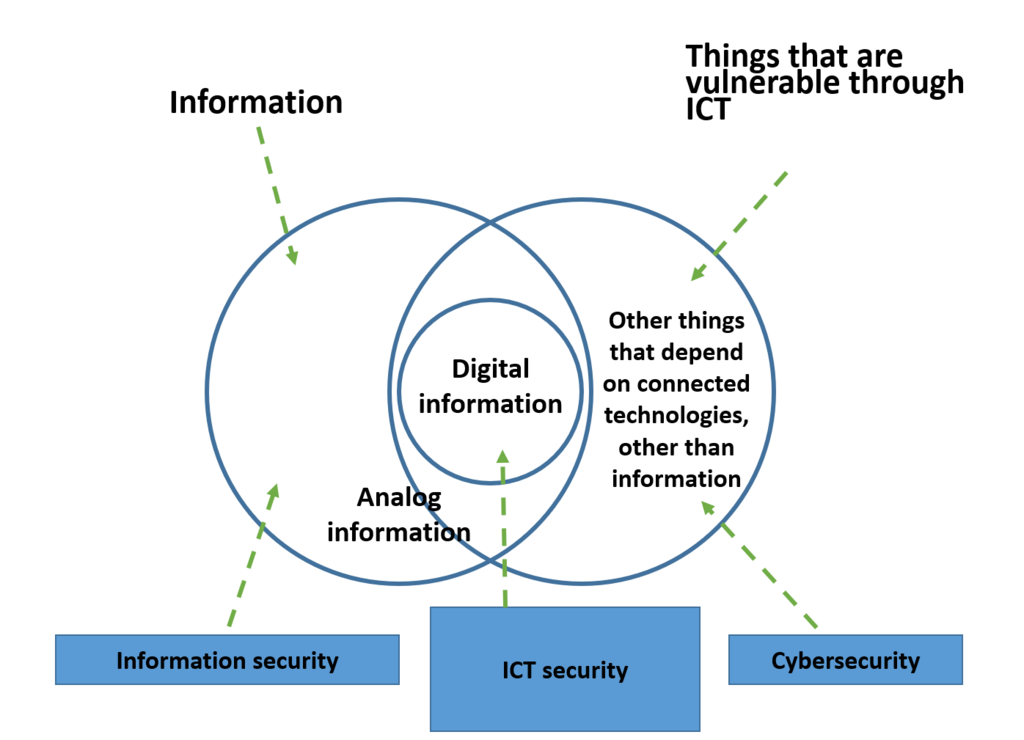
Cybersecurity is a broad field with diverse roles. Common responsibilities include:
- Threat Detection & Response: Cybersecurity analysts and incident responders monitor networks for breaches, investigate suspicious activity, and neutralize attacks. They use tools like intrusion detection systems, SIEM platforms, and threat intelligence feeds to stay ahead of hackers. When a breach occurs, they act quickly to contain and remediate it.
- Vulnerability Assessment and Penetration Testing: Ethical hackers (penetration testers) and security engineers probe systems for weaknesses. They simulate attacks to find vulnerabilities (e.g. unpatched software, misconfigured servers) and suggest fixes. This proactive work is essential to prevent security holes before they’re exploited.
- Network and Systems Hardening: Cybersecurity engineers and architects design secure networks. They configure firewalls, VPNs, encryption, and access controls to protect data. This includes implementing best practices like Zero Trust architectures and segmentation. The goal is to build systems that are secure by design.
- Policy and Compliance: Many security jobs involve creating and enforcing security policies. Specialists ensure organizations meet regulations (like GDPR or HIPAA) and industry standards. They develop procedures (like incident response plans) so the whole company knows how to handle cyber threats safely.
- Security Research and Innovation: Some pros focus on research – studying emerging threats, developing new security tools, or working on cutting-edge areas like AI for threat detection, IoT security, or blockchain security. These roles help the industry adapt to new risks.
- Education and Training: A key part of cybersecurity is raising awareness. Experts often train employees on safe computing practices (phishing recognition, password hygiene, etc.). They help build a “security culture” across the organization.
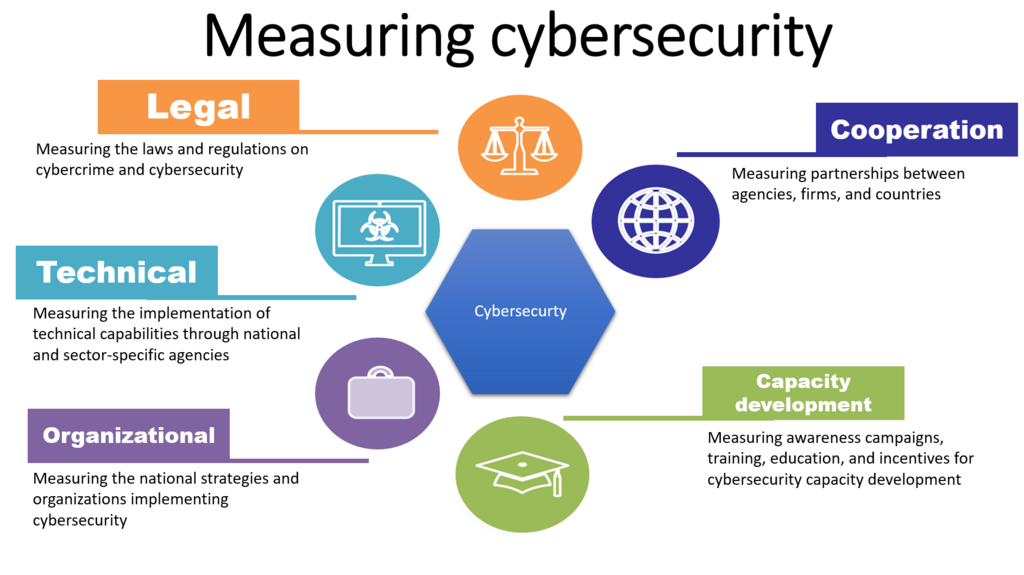
Because cybersecurity is multidisciplinary, the skills and focus vary by role. For example, a Security Architect (designing secure systems) will use different tools than a Forensics Analyst (who investigates post-attack evidence). But all these roles share a common goal: protecting data and systems from cyber threats.
Essential Skills and Education
Becoming a cybersecurity professional requires a mix of technical expertise and soft skills:
- Technical Skills: At a minimum, expect to know computer networking (TCP/IP, LAN/WAN, VPNs), operating systems (Windows, Linux, Unix), and fundamental security concepts (firewalls, encryption, authentication). In-depth knowledge of one or more areas is common – for example, network security, cryptography, malware analysis, or secure software development. Familiarity with security tools (IDS/IPS, SIEM, vulnerability scanners) and scripting/coding (Python, bash, PowerShell) is often required. Many roles also value specialized skills like cloud security (AWS, Azure, GCP), penetration testing tools (Metasploit, Burp Suite), or digital forensics techniques.
- Soft Skills: Cybersecurity pros frequently list critical thinking, problem-solving, and communication as just as important as technical know-how. You must be detail-oriented and able to think like an attacker. Good communication is crucial – you’ll often explain risks and fixes to non-technical managers or clients. Teamwork and adaptability are also key, since you’ll collaborate across IT departments and stay flexible as threats evolve.
- Education and Training: Most cybersecurity jobs require at least a bachelor’s degree in Computer Science, Information Technology, or a related field. However, the field values hands-on skills and certifications too. Employers often look for industry certifications like CISSP, Security+, CEH, CISA and others. These credentials demonstrate specialized knowledge (for example, CEH for ethical hacking, CISA for auditing). In fact, many successful cybersecurity professionals come from diverse backgrounds – you could enter the field with degrees in engineering, mathematics, or even self-taught experience.
- Continuous Learning: Cybersecurity evolves constantly. New vulnerabilities and technologies emerge all the time, so lifelong learning is part of the job. Successful professionals read security blogs, attend conferences, and earn new certifications regularly. The industry expects you to stay current, which can be challenging but also keeps the work interesting.
Pros of a Cybersecurity Career
Cybersecurity careers offer many advantages. Key benefits include:
- High Demand and Growth – As noted, demand is skyrocketing. There are more openings than qualified candidates, which means strong job security and many options.
- Attractive Salaries – You’ll enjoy one of the highest pays in IT. Median salaries often exceed six figures. Employers know security is critical and pay well to recruit talent.
- Meaningful Work – You help protect organizations and people. Stopping fraud, preventing data leaks, and blocking attacks can be very satisfying. Many who stay in cyber do so because they feel they’re making a real difference.
- Diverse Career Paths – The field has many specialties. You can focus on defending networks, analyzing malware, auditing systems, training users, or even writing security software. This variety means you can tailor the career to your interests (e.g. some like the detective work of forensics, others like the technical challenge of cryptography).
- Work Flexibility – Cybersecurity roles often support remote work and flexible hours. Once you master your responsibilities, you can often work from anywhere. Governments, corporations, and startups in every region need security pros, so you can find opportunities globally.
- Continuous Learning and Growth – Every day is different. New threats and technologies mean you’ll always be learning. If you thrive on solving puzzles and learning new tools, cybersecurity offers that excitement. Plus, formal and informal training opportunities (classes, bootcamps, CTF competitions) are widely available.
- Job Security – Given the shortage and ever-present threats, cybersecurity jobs are extremely secure. As long as organizations exist, skilled security professionals will be needed.

Challenges and Cons
No career is perfect. Consider these potential downsides of cybersecurity:
- Stress and On-Call Work – When things go wrong, it can be intense. If a major breach or attack occurs, you may work long hours under pressure to fix it quickly. Hackers don’t stick to 9-to-5 schedules, so on-call and emergency response is common. The stakes can be high (loss of customer data, downtime), which means stress in critical moments.
- Repetitive Tasks – During “quiet” periods, much of the job involves monitoring systems and updating defenses. Some find that routine and maintenance tasks (applying patches, auditing logs) can become repetitive. It’s important to have curiosity and patience for these tasks, or the job can feel monotonous.
- Constant Learning Curve – The flip side of ongoing learning is that it can be exhausting. You must frequently study new attack techniques and security tools. If you’re not passionate about learning, the pace can feel relentless. Some professionals report frustration when companies don’t invest in new tools or training. In short, cybersecurity requires dedication to stay up-to-date, which can be a burden for those who prefer a steady skill set.
- Frustration with Organizational Resources – Many security pros say their biggest challenge is limited resources. Some companies underestimate security needs, so teams may be understaffed or underfunded. In those environments, you might feel unsupported or frustrated if you can’t implement all the protections you believe are necessary.
- High Responsibility – Because security is critical, the job carries heavy responsibility. Mistakes can have big consequences (data loss, financial damage). This responsibility is rewarding to some, but it can also add pressure. You need resilience and careful attention to detail at all times.

Overall, the pros outweigh the cons for many people, but it depends on your personality. Cybersecurity suits those who love solving problems, enjoy continuous learning, and feel energized by complex, high-stakes work. It may be a less ideal fit for someone who prefers a very relaxed pace, or who dislikes being on-call.
Future Trends in Cybersecurity Careers
The cybersecurity landscape is shifting with new technologies:
- Cloud and Virtualization: As organizations move to cloud platforms, expertise in cloud security (AWS, Azure, Google Cloud) is in heavy demand. Many companies now require cloud security engineers who can secure virtual networks and data in the cloud.
- AI and Automation: Artificial intelligence and machine learning are becoming tools for both attackers and defenders. Cybersecurity teams increasingly use AI for threat detection and response. While some worry AI might replace routine security tasks, most professionals believe AI will augment rather than replace their roles. In fact, the push to adopt AI skills (like security data analytics) is creating new subfields in cyber defense.
- IoT and Emerging Threats: Internet-of-Things (IoT) devices, 5G networks, and smart infrastructure introduce new vulnerabilities. Cybersecurity career paths now include specialties like IoT security and operational technology (OT) security to protect connected devices and critical infrastructure (power grids, manufacturing robots, etc.).
- Regulation and Privacy: New data protection regulations (GDPR, CCPA, NIS2, DORA, etc.) mean companies must hire security pros to ensure compliance. Privacy and compliance roles (such as Data Privacy Officer) are growing as a cybersecurity-related career option.
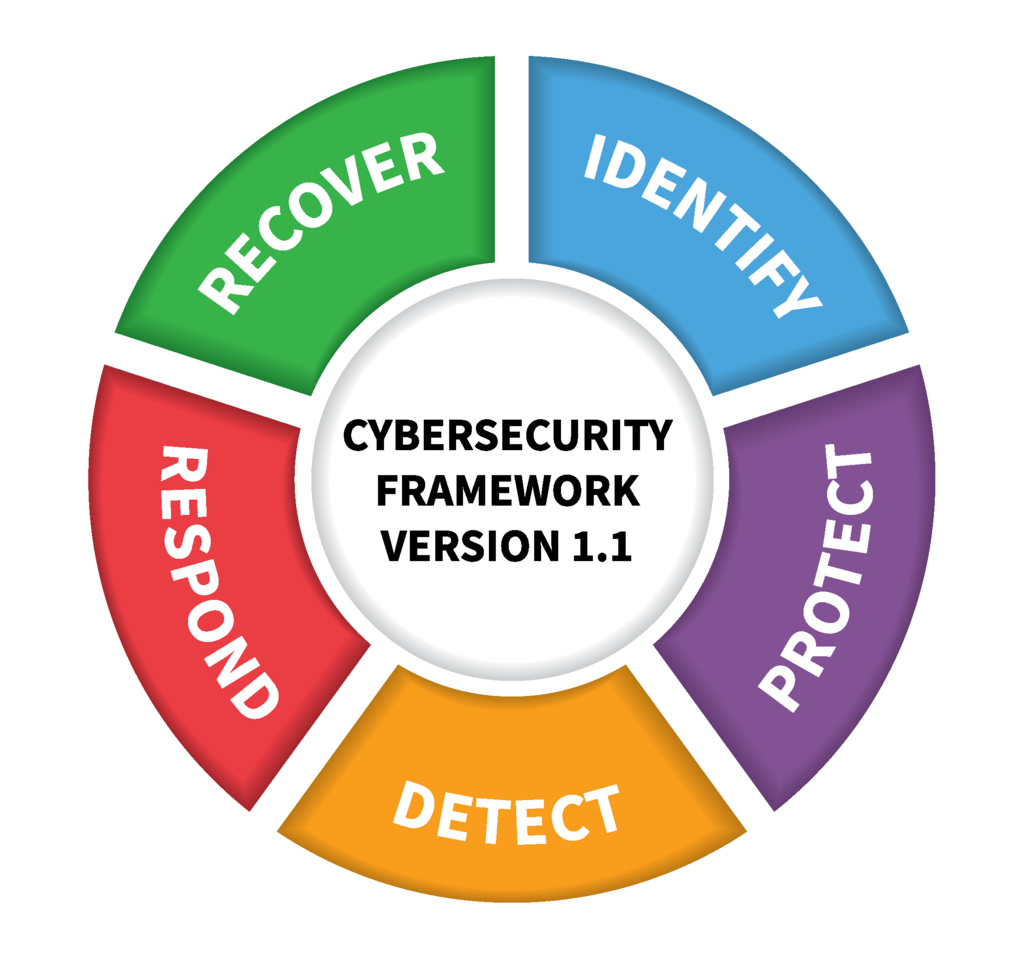
In general, the field remains future-proof: as technology changes, security challenges evolve too. This means cybersecurity careers will continue to adapt and grow. Analysts expect steady demand for security skills even in 2030 and beyond.
Conclusion
In summary, a career in cybersecurity is a compelling choice for many. It offers strong job prospects, high salaries, and the satisfaction of protecting organizations and people. The demand is huge, and it’s one of the fastest-growing areas in IT. However, it does come with challenges: you must be prepared for high responsibility, continuous learning, and sometimes high-pressure situations.
If you enjoy problem-solving, stay updated on technology, and want a meaningful, in-demand career, cybersecurity could be an excellent fit. To get started, consider building a foundation in IT (networking, systems) and obtaining security certifications (such as CompTIA Security+ or CISSP). Engage in hands-on practice (setting up home labs, capture-the-flag exercises) and network with professionals. With dedication, a cybersecurity career can be rewarding both personally and financially.
Ready to explore cybersecurity? Start by learning the basics of computer security, consider a degree or certification, and apply for entry-level security roles or internships. The field welcomes curious minds from diverse backgrounds. Given the ongoing cyber threats in our world, skilled cybersecurity pros have never been more needed – and as the data shows, they are richly rewarded for their vital work.