Iron is a key mineral for blood and energy – its most famous role is in transporting oxygen through the blood (part of hemoglobin)r. Without enough iron, the cells remain without enough oxygen, which leads to fatigue, weakness and other symptoms of anemia. In addition, iron is a cofactor in metabolic reactions for energy generation. Therefore, it is important to regularly enter a variety of food rich in iron.
Why is iron important?
- oxygen transfer: Iron is an integral part of hemoglobin in red blood cells – without it, oxygen from the lungs cannot reach tissues. Iron deficiency thus causes anemia and chronic fatigue.
- Cellular metabolism: In every cell, iron participates in energy production. As a cofactor of various enzymes, it enables cellular reactions that generate energy from food.
- Symptoms deficiency: Low iron intake leads to weakness, weakness, dizziness, pale skin and problems with concentration. Pregnant women and children are particularly sensitive; Iron deficiency in pregnancy can increase the risk of premature birth, and in children it is reflected in growth and immunity.
Iron deficiency is common: according to the WHO, iron deficiency anemia affects about 810 million people in the world. It is therefore important to include High iron foods in every meal.
Sources of iron in food
Food rich in iron contains this mineral in two forms: heme-iron (easier to absorb, found in animal foods) and non-heme iron (from plant food). Both types should be entered. A good strategy is to combine them in the diet and take them with vitamin C. The most important groups of foods rich in iron include:
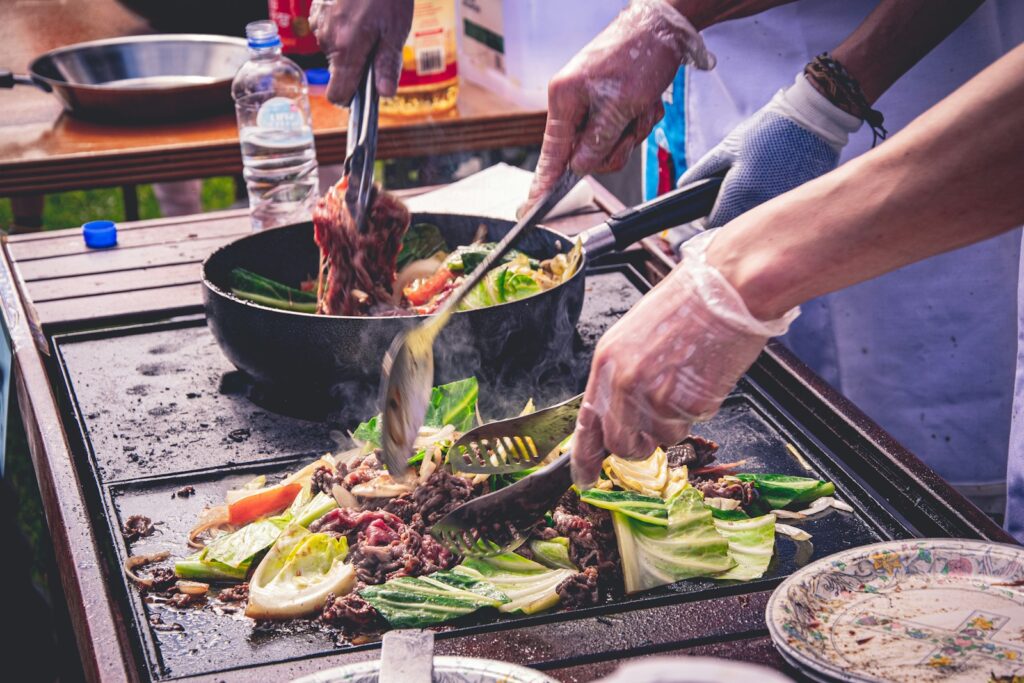
- red meat and offal – the richest source of heme-iron. 100 g of beef liver contains about 6.5 mg of iron. Pork liver and goose offal are an even richer source of iron, and beef, lamb or crumbs are also a good alternative. It is all iron in a heme-shaped that the body uses well.
- shellfish and fish – Seafood is also rich in iron. One medium oyster can have 3–5 mg of iron. Cod, salmon and tuna give less iron than clams, but they are a good dietary supplement.
- Legumes (beans, lentils, chickpeas, soy) – An excellent plant source of iron. For example, 100 g of chickpeas contain about 6.2 mg of iron, and beans about 5 mg. Legumes are great especially for vegetarians.
- leafy vegetables – Dark green vegetables such as spinach, kale, Swiss chard and broccoli contain non-heme iron. For example, 100 g of fresh spinach has about 3.6 mg of iron. Although it is not absorbed as heme-iron, combining such vegetables with vitamin C (lemon, paprika) improves intake.
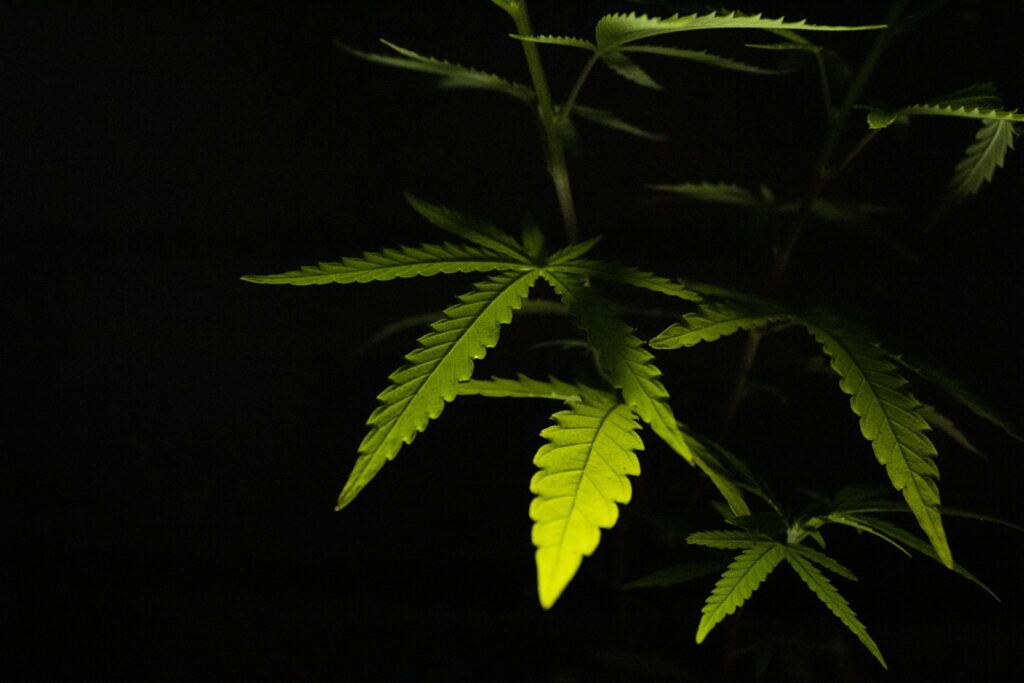
- Nuts and seeds – They have a high proportion of iron. For example, 100 g hemp seeds It contains about 19.9 mg of iron, pumpkin about 11.2 mg, chia about 6.4 mg. Of the nuts, almonds have 4.7 mg/100 g and cashews have 3.8 mg. Pumpkin seeds and flax seeds are an excellent snack, and nut butter also contributes to iron intake.
- Whole grains and enriched products – Oatmeal, quinoa, rye bread, etc. contain a good amount of iron. For example, Spar states that some oatmeal exceeds 90% of the recommended daily amount of iron. Quinoa has about 1.8 mg/100 g, and enriched cereals (eg breakfast cereals) additionally help.
- Dried fruits and berries – Dried apricots, raisins and plums have a concentrated source of iron. 100 g of dried apricots contain about 3 mg of iron, and raisins about 2 mg. Fresh berries (blackberries, blueberries, aronia) contain less iron, but a lot of vitamin C, which helps the absorption of iron from a meal.
- the rest – Egg yolks are a moderate source of iron, and green peas, broccoli and pepper add some minerals. An interesting source of iron is Dark chocolate (100 g contains ~11.7 mg iron), but it is very high in calories and contains sugar.
All these foods – from meat and legumes to nuts and vegetables – can be easily included in everyday meals. The key is to eat and not rely on just one food.
How to improve iron intake
When planning a meal, it is important to improve iron absorption and avoid factors that reduce it. Here are some tips:
- Vitamin C helps: Consume foods rich in vitamin C (eg lemon, paprika, kiwi, berries) with meals with iron. Vitamin C turns iron into a form that the body absorbs more easily. E.g. Adding lemon to spinach salad greatly improves iron utilization.
- Avoid inhibitors: Coffee and black tea contain tannins, and milk and yogurt calcium, which block iron absorption. If you consume these drinks, be careful not to drink them with a high-iron meal.
- Reduce phytates and oxalates: Whole grains and legumes have phytates, and spinach oxalates – iron-binding compounds. It is good to soak beans and lentils before cooking or eat them with rich sources of vitamin C.
- Regular meals with iron: For people who have low iron levels, it is crucial to eat ‘iron food’ every day. This means including at least one source of iron in every main meal – for example, breakfast with whole grains, lunch with meat or legumes and dinner with vegetables rich in iron.
especially for pregnant women and children
Pregnant women have increased needs – the recommended intake is about 27 mg of iron per day. That is why it is important that the diet of pregnant women includes food rich in iron every day. In addition to the already mentioned foods, pregnant women are recommended to take red meat (or liver) with vegetables, and, if necessary, dietary supplements prescribed by the doctor. Babies up to six months usually breastfed receive enough iron from the mother; After the sixth month, sources of iron (porridge with meat, egg yolk, pureed vegetables such as beets, spinach) should be gradually introduced according to the medical advice. Children and breastfeeding women can expect a moderate need (~11–15 mg/day depending on age and gender), which should also be met with a varied diet.
In each phase of life, a varied diet full of food rich in iron It is key to a good blood count. If necessary, consult a doctor or nutritionist – blood diagnostics may reveal a real need for additional iron intake.
Conclusion: By introducing a combination of animal and plant-rich foods in our daily diet, we significantly help our body. Eat meat or legumes regularly, leafy vegetables, nuts, whole grains and dried fruits. In addition, eat foods rich in vitamin C and avoid iron inhibitors to ensure maximum utilization. In this way, you can effectively support a healthy level of iron in the blood, increase energy and improve overall health.