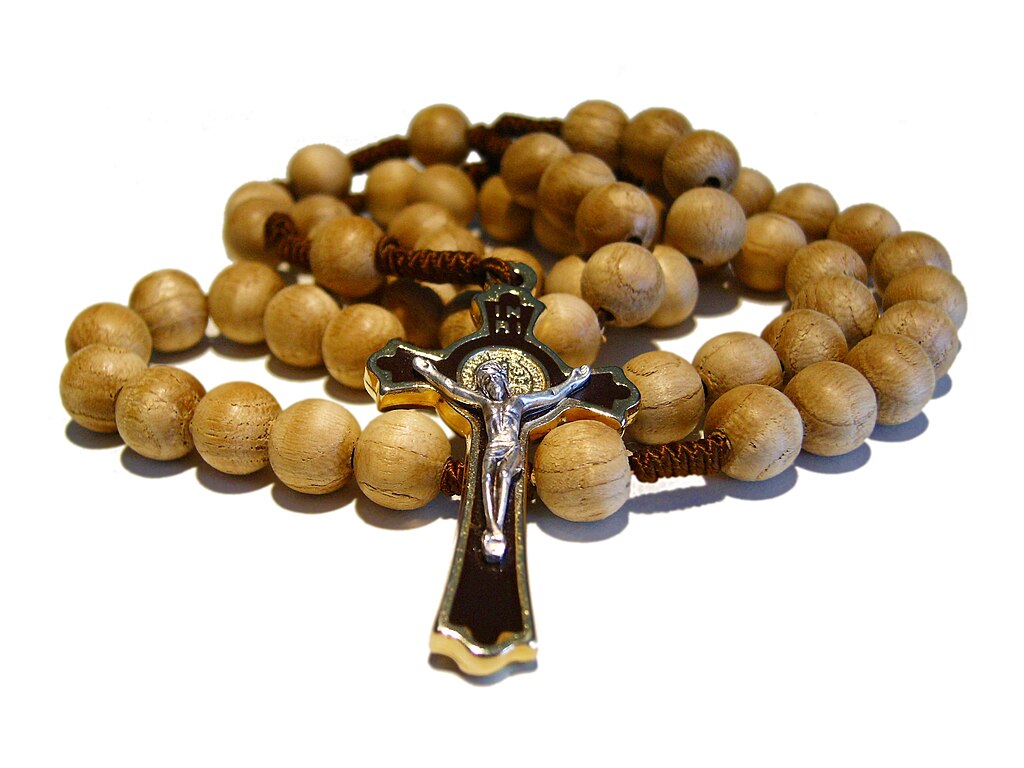
If you are wondering How do you pray the rosary, this is a guide that will reliably guide you through each step: from basic prayers to different types of rosaries (Pompeian rosary, rosary of divine mercy, golden rosary and others), and how to incorporate daily prayer of the rosary into your schedule. The text explains Mysteries of the Rosary, schedule by days (rosary on Mondays, rosary on Wednesdays, rosary on Thursdays, etc.), practical advice for praying and answering the most common questions.
Content
What is a crown and why is it important?
crown, often called Our Lady’s Rosary or Mary’s Rosary, is a fundamental Catholic devotion that combines prayers and meditation on the key events of Christ and Mary’s life. Rosary prayer It consists of the repetition of the Lord’s Prayer, the Hail Mary and the Glory to the Father in structured tens, while the supplicant considers the individual Mysteries of the Rosary. Praying the rosary nurtures a contemplative attitude, encourages regular spirituality and can become strong Daily prayer of the rosary.
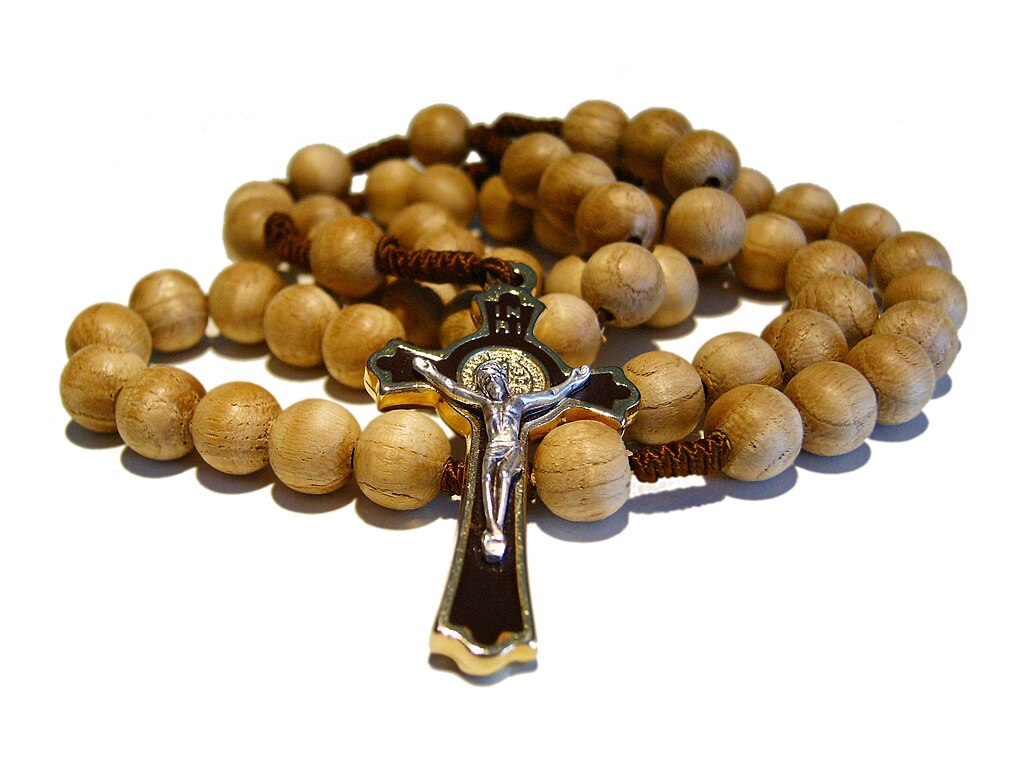
Basic prayers you need to know (short reminder)
Word than we start with practical steps, it is important to know the basic texts used:
- The sign of the cross
- Belief (apostolic belief) —often called i Belief prayer
- Lord’s Prayer (our Padre)
- Hail Mary (Ave Maria / Hail Mary Prayer) — Usually pray in strings of 10 (ten)
- Glory to the Father (Gloria Patri / Glory to the Father)
- Hello Queen (Salve Regina) —Press often at the end
- additional prayers: Prayer for intention, Fatima prayer, Litany (as needed)
These prayers are the foundation and are used in most forms of the rosary. The order and content instructions are provided in the official guides of the church.
How to pray the rosary — step by step (standard rosary)
This section explains the basic procedure for rosary as prayed — The most widespread five-ten structure.
Preparation
- Find a quiet space; You can light a candle or put a picture of the Blessed Virgin.
- Hold the rosary in your hand, start with the sign of the cross.
Order
- The sign of the cross.
- On the cross: apostolic belief.
- On the first big bead: Paternoster.
- On the following three small beads: three times Hail Mary (for faith, hope and love or for intentions).
- Glory to the Father and (if desired) the Fatima prayer.
- announce first mystery (eg first joyously) And on a large bead, say Paternoster.
- You say 10 on ten small beads Hail Mary, as you reflect on the mystery.
- After ten: Glory to the Father and (optional) a short prayer for intention.
- Repeat for all five mysteries.
- In the end: hello queen or another closing prayer.
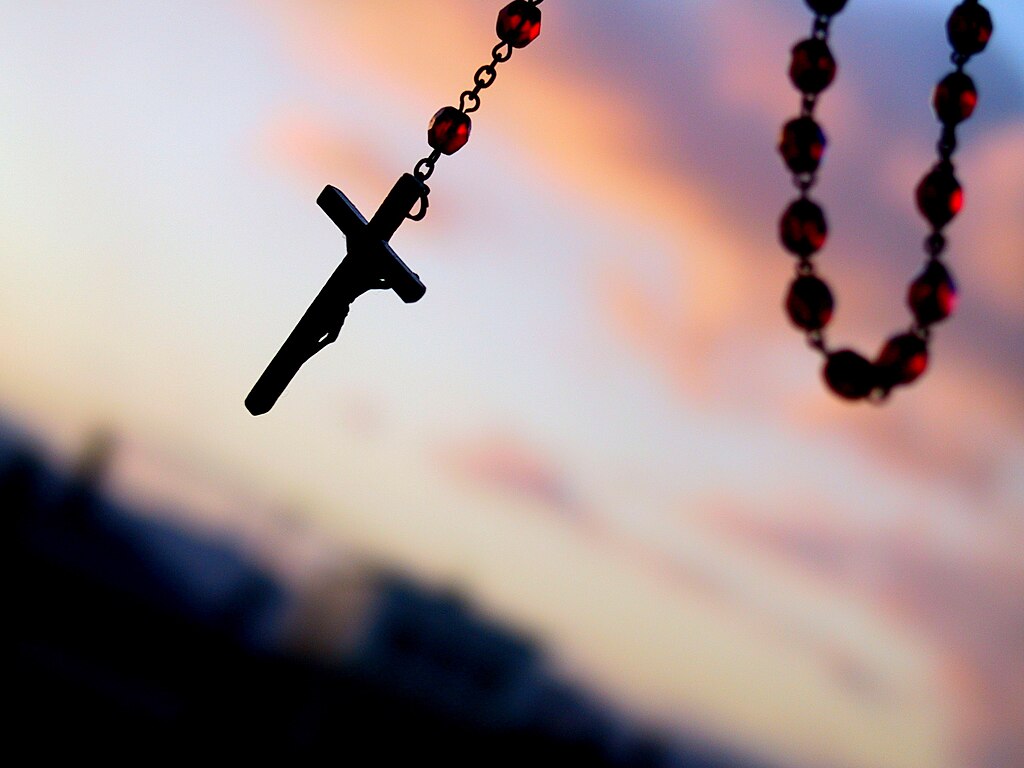
We can describe this process more simply: mystery, Pray the Lord’s Prayer, ten Hail Marys with meditation, then Glory to the Father – and so five times.
Mysteries of the Rosary — Arrangement and Meaning
Understanding Mysteries of the Rosary It is key to disciplined and meaningful begging. There are traditionally four groups (joyful, sad, glorious and light), and each group contains five mysteries.
Joyful Mysteries (Joyful Rosary / Joyful Mysteries of the Rosary)
- Annunciation of the Lord
- Visit of the Blessed Virgin Mary
- the birth of Jesus
- offering in the temple
- Redemption in Nazareth
(The Joyful Rosary is usually prayed on Mondays and Saturdays — Rosary on Mondays, Rosary Saturday, is often mentioned as Joyful rosary.)
Sorrowful Mysteries (Sorrowful Rosary / Sorrowful Mysteries)
- Jesus in the Garden of Gethsemane
- Lashing
- Coronation of thorns
- Carrying the cross
- Crucifixion and death
(usually they pray on Tuesdays and Fridays — Rosary Tuesday, Rosary Fridayie some traditions Rosary on Fridays as a day for representation for the Passion of Jesus.)
Glorious Mysteries (glorious Rosary / Glorious Mysteries)
- Resurrection
- Ascension to heaven
- Descent of the Holy Spirit
- Mary’s Assumption
- Coronation of the Blessed Virgin
(Traditionally they pray on Wednesdays and Sundays — Rosary on Wednesdays, Rosary on Sundays — often called Our Lady’s Rosary Sunday.)
Mysteries of Light (Crown of Light / Mysteries of Light)
- Baptism in Jordan
- Publishing in Cana
- Announcement of the Kingdom of God
- Transfiguration
- establishment of the Eucharist
(This group was introduced in 2002 and is often prayed on Thursdays — Our Lady’s Rosary Thursday, Rosary on Thursdays of the Mysteries of Light.)
Rosary by day — Practical arrangement (keywords)
To make it easier to include a crown in a weekly rhythm, here’s a short list that uses terms like Rosary on Mondays, Rosary on Wednesdays and similar:
- Monday: joyful mysteries— Crown on Mondays / Our Lady’s Rosary Monday
- Tuesday: sorrowful mysteries— Rosary Tuesday / Our Lady’s Rosary Tuesday
- Wednesday: glorious mysteries— Wednesday Rosary / Our Lady’s Rosary Wednesday
- Thursday: Mysteries of Light Thursday Rosary / Our Lady’s Rosary Thursday
- Friday: sorrowful mysteries (again) Friday Rosary / Our Lady’s Rosary Friday
- Saturday: joyful mysteries— Rosary Saturday / Our Lady’s Rosary Saturday
- Sunday: glorious mysteries— Rosary on Sundays / Our Lady’s Rosary on Sundays
This schedule helps in praying the rosary by day and enables structured meditation on various aspects of Christ and Mary’s life.
Types of rosaries for prayer — What rosaries are there?
There are many variants and devotions that bear the name Rosary. Most often we mention:
- Our Lady’s Rosary (Standard Five) — The most widespread.
- Pompeian Rosary (54-day Novena / Pompeian novena) — A long-lasting novena that is prayed for 54 days.
- Rosary of Divine Mercy — Special devotion from the message of St. Faustina.
- Rosary of St. Josip — Prayer and meditation dedicated to St. Josip.
- Golden Rosary (rosary to the Sacred Heart of Jesus / Golden Rosary of the Heart of Jesus) — Especially directed towards the Heart of Jesus.
- Rosary for the deceased / Rosary for the deceased — Prayers for the souls of the deceased.
- The rosary of liberation — A prayer directed for spiritual liberation and protection.
- Christmas rosary and other seasonal devotions.
- The rosary of victory — Devotion in which the rosary is prayed with a prayer for victory (spiritual or social).
All of these types use similar prayers, but differ in intentions, texts and sometimes additional litanies.
How to pray the Pompeian Rosary (How to pray the Pompeian Rosary)
The Pompeian Rosary (54-day Novena) is based on intense devotion over 54 days. There are several approaches, most often:
- The first way: Pray one (or more) tens of the rosary per day for 54 consecutive days. For the first 27 days, pray for a certain intention; For the next 27 days, you give thanks without changing your intention.
- The second way (classic): Every day, pray 15 tens (three full crowns) for 54 days — less often today due to weather requirements.
It is important to continue without interruption (if the day is missed, it is recommended to continue and not repeat the day). The instructions vary slightly depending on the source, but the intention and perseverance are essential. How to pray the Pompeian Rosary In practice, it means: to determine the intention, to take time every morning or evening and pray consistently.
The Rosary of Divine Mercy and the Rosary of Jesus/Jesus
Rosary of Divine Mercy (Chaplet of Divine Mercy) is often prayed on ordinary beads. The basic structure includes initial prayers, a series of tens with special appeals for God’s mercy and final prayers. It is traditionally recommended to pray at 15:00, but it is not mandatory. Related devotion is also called Jesus Rosary or Rosary to the Heart of Jesus, whose goal is to honor the Sacred Heart of Jesus and often includes special litanies — that is why it is sometimes mentioned as Golden crown.
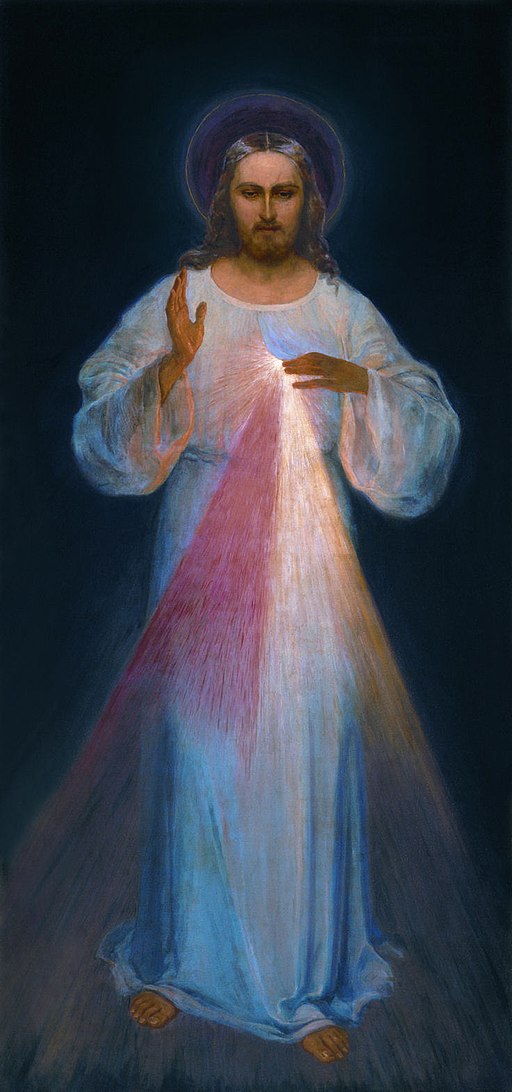
if you are interested How do you pray a golden rosary, It contains specific intentions and litanies to the Heart of Jesus, so it is good to follow a good text or manual.
Prayer of the Rosary for intention and daily prayer of the Rosary
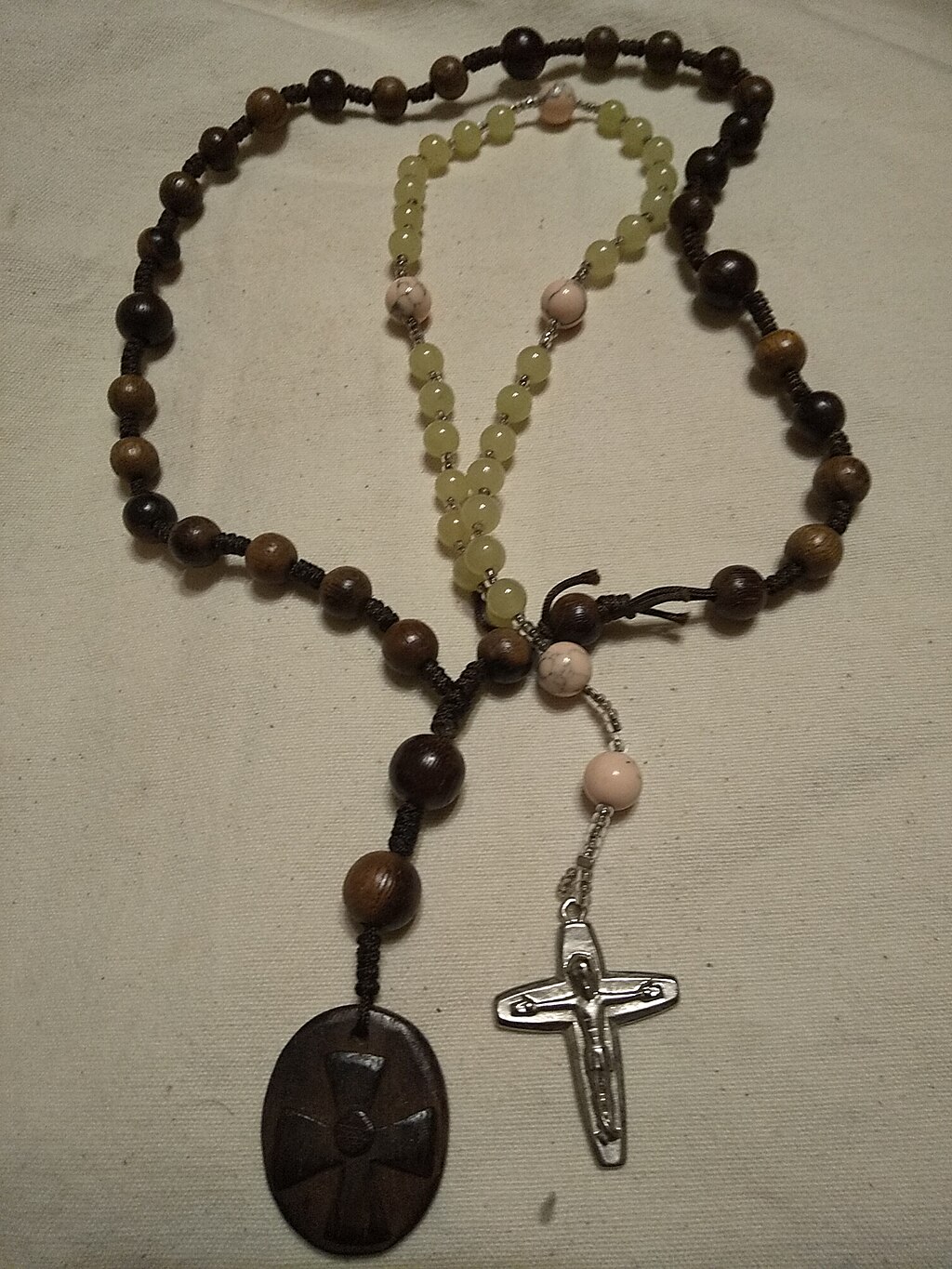
The rosary is particularly fertile to pray for a specific intention: family, sick, world peace, own spiritual progress. Prayer of the Rosary for intention It can be inserted before the beginning — pronounce clearly to whom or what you are devoting your prayers to. When it comes to daily prayer of the rosary, Choose a fixed time of the day (eg morning prayer Monday, morning prayer Thursday, evening prayer Saturday) to create a habit.
Practical tips: how to pray the rosary so that it is not mechanical
- Before every ten, read a short passage from the Gospel related to that mystery.
- Set a specific intention before you begin.
- If you are new, start with only one tenth and gradually increase.
- Sung versions or classical music (classical music) can help concentration, but it is not necessary.
- Use beads or an application, but don’t rely only on rhythm — the essence is in meditation.
Rosary and special forms: Rosary for the deceased, Rosary of liberation, Rosary of victory
- Rosary for the deceased: Pray for souls in purgatory; You can include additional prayers for forgiveness and mercy.
- The Rosary of Liberation: It includes prayers for protection, address and liberation from negative influences — often in pastoral accompaniment.
- The crown of victory: traditionally prayed in times of danger or important events; The intention is to ask for God’s help and protection.
Conclusion
now that you know How do you pray the rosary, you have a practical guide to basic structure, layout of mysteries (joyful, sad, glorious, light), and information about various types of rosaries (Pompody Rosary, Rosary of Divine Mercy, Golden Rosary, etc.). Whether you strive for daily prayer of the rosary or look for how to pray the rosary for a special intention, the most important thing is to do the prayer with faith, attention and perseverance.
Sources:
- Vatican – How To Pray The Rosary (Vatican.va)
https://www.vatican.va/content/vatican/it.html (Search ‘Rosary’ on the official instructions page) - United States Conference of Catholic Bishops — How To Pray The Rosary
https://www.usccb.org/how-to-pray-the-rosary - The Divine Mercy — How To Pray The Chaplet (the rosary of Divine Mercy)
https://www.thedivinemercy.org/message/devotions/pray-the-chaplet - ewtn — The Rosary: A Complete Guide (Handbook and texts)
https://www.ewtn.com/catholicism/devotions/rosary - Shrine of our Lady of Pompeii / Pompeian Novena Resources (Instructions for 54-day Novena)
https://www.sanctuario.org/ (Search information about Pompeii or Pompeian Rosary Novena) - franciscan media How To Pray The Rosary (practical guide)
https://www.franciscanmedia.org/how-to-pray-the-rosary
Cover photo: dti, Public Domain, Via Wikimedia Commons