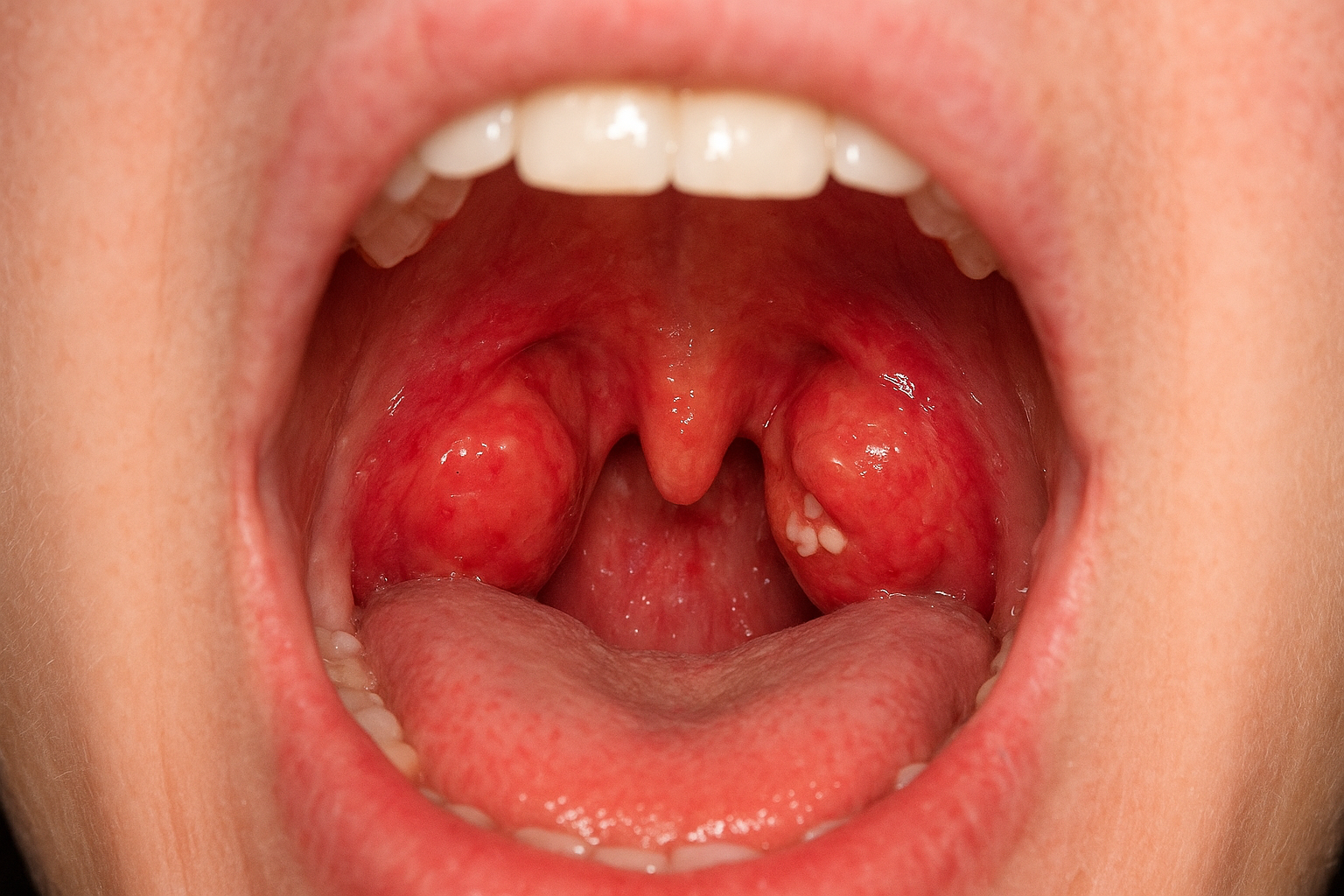
How to cure sore throat and tonsils: Inflammation of the throat and tonsils (angina) is an unpleasant condition that causes pain and burning in the throat and difficulty swallowing. Although many medicines and home prescriptions have promised ‘healing in 4 hours’ or ‘for one day’, experts warn that there are no quick miraculous solutions. It is mainly a viral infection (as with a cold), while bacterial inflammation (eg streptococcal) is less common. Symptoms often include sore throat, fever, swollen and red tonsils, as well as slightly swollen lymph nodes on the neck. With adequate rest and sufficient fluid intake, there are numerous ways to relieve symptoms and stimulate recovery.
Symptoms and causes
- Pain and burning in the throat With difficulty swallowing, often accompanied by a feeling of hardness when swallowing.
- Swollen, red tonsils (tonsils), sometimes with white purulent deposits or purulent plugs.
- elevated temperature And general weakness – fever occurs more often in bacterial inflammation.
- headache, muscle pain, hoarseness or cough – especially with viral infections.
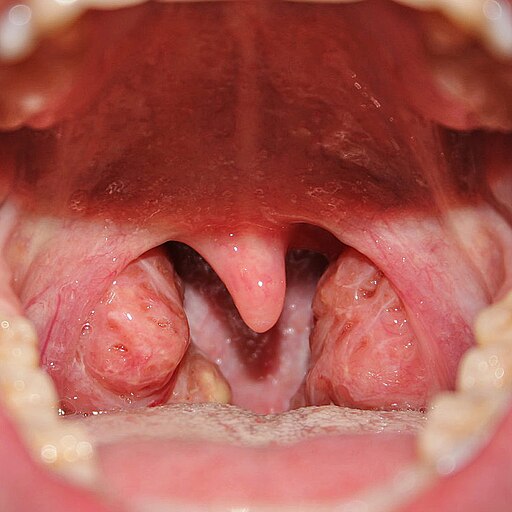
The causative agents are most common cold viruses (adenoviruses, rhinoviruses, etc.), while bacteria are most known in streptococcal sore throat. Streptococcal angina usually leads to very high temperature, purulent discharge and pronounced symptoms. It is important to distinguish viral from bacterial inflammation because viral passes on its own, while bacterial (with confirmation of a swab) should be treated with antibiotics.
How to cure sore throat and tonsils: natural remedies and home preparations
Support for natural remedies can significantly relieve a sore throat. Honey, for example, is known for its soothing properties – in warm tea with lemon or chamomile, honey relieves the irritated mucous membrane. Warm chamomile, mint or ginger tea reduces inflammation and warms the body, which helps the immune system. Nourishing herbal drinks (sage tea, thyme, marshmallow) generally soothe the throat.
- Gargling with warm salt water – Warm water with half a teaspoon of salt relieves swelling and pain and can partially destroy bacteria. Rinsing with salt water is a simple and proven way to quickly relieve discomfort in the throat.
- Hot drinks with honey and lemon – Lemon with honey or warm water soaked in basil leaves helps strong hydration and reduce inflammation. Add some ginger or mint for an additional anti-inflammatory effect.
- neck wraps – Warm compresses on the neck (eg a cloth soaked in salt water, sage tea, eucalyptus oil or clay) can relax the muscles and improve circulation. On the other hand, cold compresses or cold snacks (like ice cream) can relieve intense pain in the short term.
- Hot shower or steam inhalation – Inhalation of hot steam (eg on a kitchen bowl with hot water and steam) moisturizes the airways and can calm inflammation of the pharynx. Adding a few drops of eucalyptus or tea tree essential oil additionally opens the airways.
- Traditional recipes – some home ones “Magic” They also include unusual recipes. For example, the Russian recipe for gargling includes a warm solution of grated beets and 9% vinegar. Although some people praise it, it should be noted that medical evidence about the effectiveness of this recipe is lacking. Use such methods with caution and never as a substitute for medical advice.
All these natural measures help hydrate the throat, reduce inflammation and boost immunity. However, no home remedy will currently heal angina – can already eliminate the symptoms while the body solves the infection on its own. It is important to continue to take care of hydration, rest and healthy diet (eg hot chicken soups, yogurt with honey) in order to provide the body with the necessary nutrients for recovery.
Medications and medical advice
Combine natural measures with proper remedies for faster recovery. analgesics like paracetamol or ibuprofen Relieves sore throat and lowers feverr. You can adjust these medications as needed (eg every 6-8 hours). Also, the mucous membrane can help – moisturizing sprays or lozenges for the throat (with honey, menthol or anesthetic) and cough syrups to calm irritation. Polyclinic Synthesis advises that Do not buy antibiotics without a prescription – An antibiotic is only necessary for a confirmed bacterial infection.
If a doctor determines bacterial angina (eg, group A streptococcus), it is usually prescribed penicillin During 7-10 days. Alternative antibiotics (erythromycin, azithromycin) are used for penicillin allergy. It is important to complete the entire course of antibiotics – although the symptoms may resolve after just one day, premature discontinuation of therapy can trigger complications and resistance of bacteria. On average, antibiotic treatment prevents the spread of infection and late complications such as rheumatic fever.
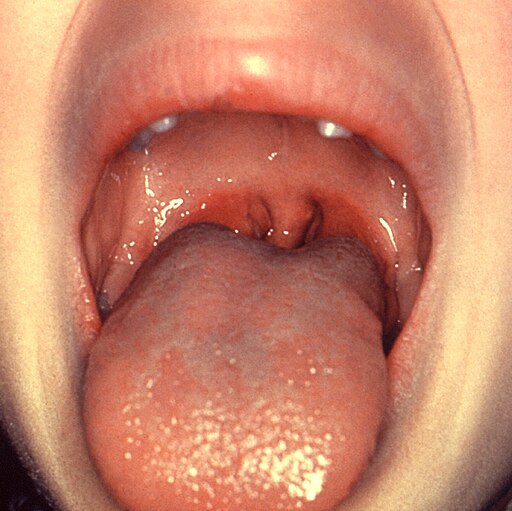
In severe, chronic or relapsing cases (more inflammation per year), the doctor may consider Removal of the tonsils (tonzylectomy) as a long-term solution. Today, this operation is recommended only when frequent angina significantly impair the quality of life. As long as the tonsils are preserved, continue with home care and pay attention to the signs of complications.
When to see a doctor
In most cases, it is enough to monitor the symptoms for 2-3 days with home treatment. However, contact your doctor if:
- High temperature (>38.5°C) It lasts more than 48 hours and does not respond to medication.
- Pain in the throat worsens or makes it impossible to swallow heavier food or drink.
- swollen lymph nodes They become very painful to the touch or spread down the neck.
- Purulent deposits appear On the tonsils with intense pain – these are signs of possible streptococcal inflammation.
- complications occur Like pain in the ear, severe sinus pain, rash on the body or malaise.
- Symptoms do not subside After 3-4 days, they even intensify.
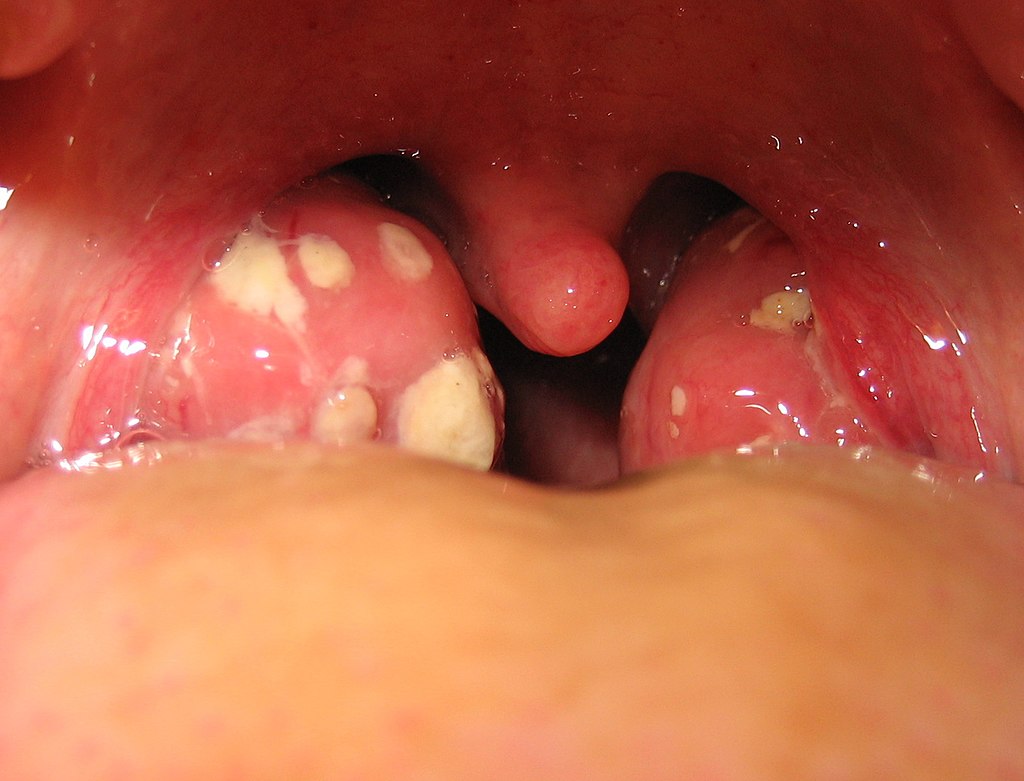
For example, Polyclinic Synthesis advises to consult a doctor if the condition does not improve or worsens after a few days of home treatment. The first signs of streptococcal angina (high temperature, swollen nodules, without cough) require quick intervention. Pay special attention to children, elderly or immunocompromised people – their complications can progress faster.
Conclusion
Although there is no instant-cura for inflammation of the throat and tonsils, the combination of rest, hydration, natural preparations and appropriate therapy significantly speeds up recovery. It is important to drink plenty of fluids (water, tea, soup) and rest your voice. Impaired immunity falls more easily on infections, so enough sleep and nutritious nutrition help defend the body. Follow tips on gargling with salt water and using hot drinks – they provide instant relief.
If the sore throat persists or you have a high fever, be sure to seek medical help. If necessary, the doctor will prescribe drugs (such as antibiotics) and additional tests. We hope that these tips will help you overcome a sore throat faster. For additional questions, visit our blog or contact us – your health is important to us!
Sources: The information in this article is based on expert medical resources and advice (Synthesis Polyclinic, Polyclinic Mazalin, Swimming Health, Portal Go healthy, etc.). All home recipes and natural preparations are listed for informational purposes; In case of worsening symptoms, we recommend consulting a doctor.