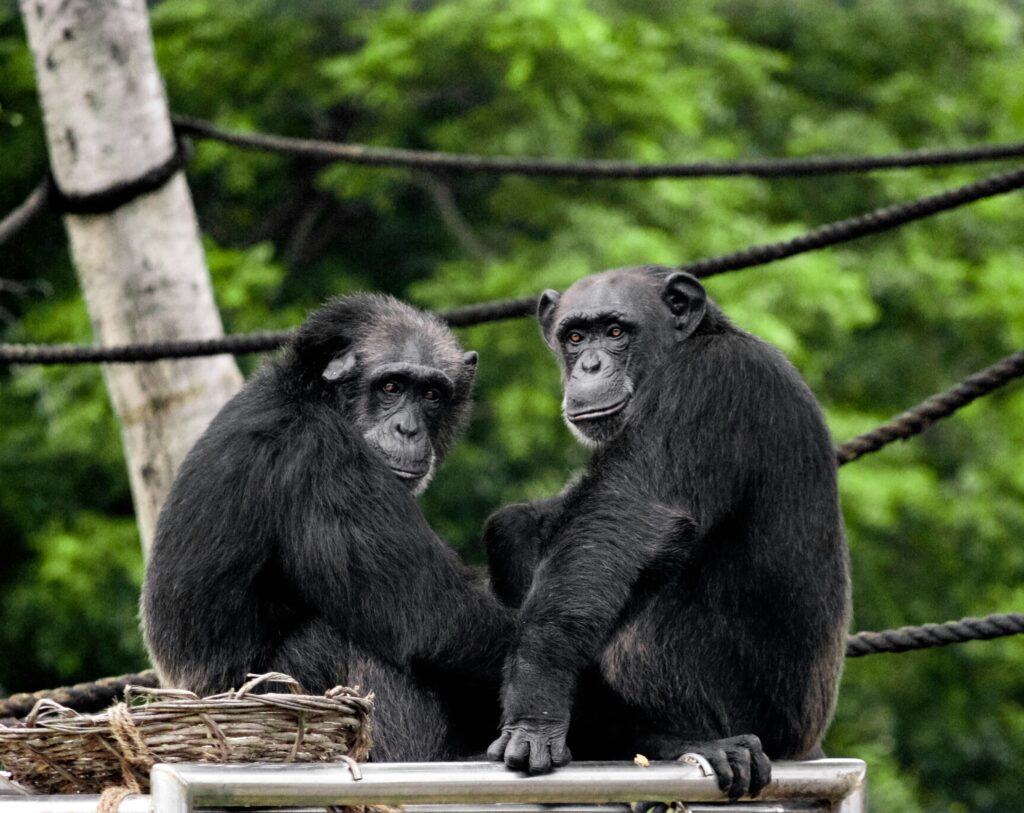
Habitat loss and poaching threaten chimpanzees in Africa. in Côte dInfections that are also dangerous for humans also appeared in Ivoire.
At least six chimpanzees have died from anthrax bacteria infections in Taï National Park in Côte DIvoire. Tropical rainforests were not previously considered an area of pathogen spread Bacillus anthracis . Now evidence from German researchers shows that both the population of these great monkeys and people in the region are at risk.
deadly infection
Anthrax, along with habitat destruction and poaching, is another serious threat to the survival of chimpanzees population in Taï National Park, researchers report with Robert Koch Institute (RKI) in Berlin and Max Planck Institute for Evolutionary Anthropology (MPI) in Leipzig. Animals are classified as a separate subspecies, Pan troglodytes Verus.
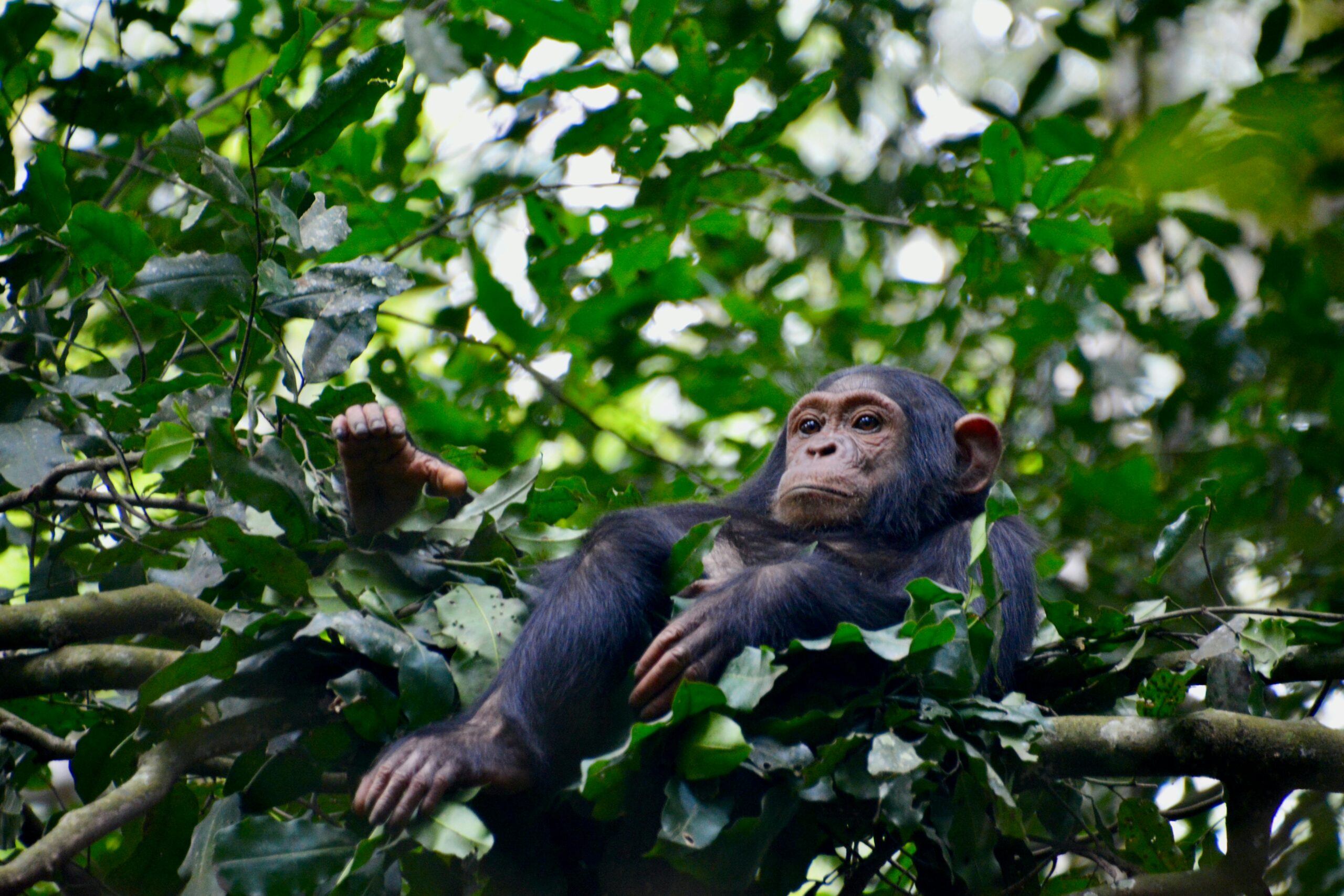
In 2002, a research team led by Fabian Leendertz of the Robert Koch Institute (RKI) started a death survey in three groups of chimpanzees in the National Park. The progress of the disease in some chimpanzees has suggested an acute infectious disease, according to researchers in the current issue of the journal Nature. Organ and tissue damage, as well as microscopic staining techniques, suggested bacterial infection as the cause of death.
Danger to the population
At the Robert Koch Institute (RKI) in Berlin, samples were analyzed for traces of DNA using molecular biological methods. This allowed researchers to detect anthrax pathogen in six chimpanzees that died within nine months. Anthrax is suspected to be the cause of death in at least two other chimpanzees, the Institute announced.
‘This shows once again that the rainforest hides a previously unknown potential for pathogens that could pose a threat to people as well,’ says Reinhard Kurth, president of the Robert Koch Institute (RKI). Disease research in large monkeys provides evidence of pathogens that can pass to humans. For example, it is now assumed that HIV-1, the virus that causes AIDS around the world, has been transmitted from chimpanzees to humans.
How chimpanzees in Taï National Park have become infected with anthrax pathogen has not yet been determined, despite extensive observation data on their behavior and food intake. Therefore, the risk of transmission to humans cannot be assessed. There is a danger that the virus will spread among the population by consuming animals that have caught poaching. Demand for the so-called ‘wild meat’ also increases the risk of transmission of previously unknown pathogens to humans, scientists say.
Cover photo: Photo by Satya Deep he unsplash