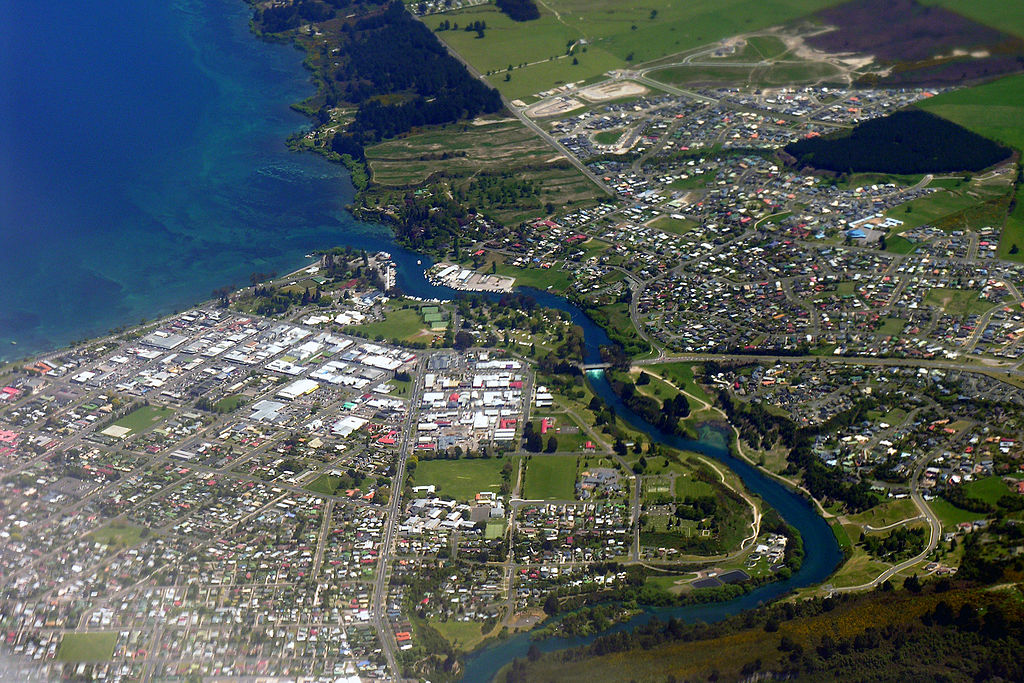
Every other inhabitant of Groningen is under 35 years old. This is also noticeable on the streets. And architecturally it’s exciting: Italian architects have brought their designs to life here.
Groningen makes it easy for visitors to fall in love with the city: there is plenty to see and do. The old town is as pleasant for walking as it is for shopping. And, last but not least, in terms of architecture, Groningen has so much to offer that even visitors from Amsterdam come to see what’s new.
About 183,000 people live here, including 23,000 students. Half of the population is under the age of 35 – a national record. Groningen leaves a youthful impression in many ways. This is mainly due to the fact that almost everyone here is cycling – usually at a fast pace.
Olle Grieze – the iconic tower of Groningen
In the Middle Ages, Groningen belonged to the Hanseatic League. You can still see some of it with Aa. The river used to be a connection to the open sea. A few old brick warehouses, typical of many Hanseatic towns, still stand along the banks. For a long time this was the quarter of sailors and shipbuilders. The Maritime Museum in Brugstraat commemorates this era. “Our landmark, however, is Olle Grieze,” says Koos Lammers, the “old, gray” tower of St. Martin on the Grote Markt. “It slopes slightly to the right,” explains the city guide. He’s also been through a lot. “It was completed in 1482,” says Koos. Later it burned down and was rebuilt – at a height of 97 meters.

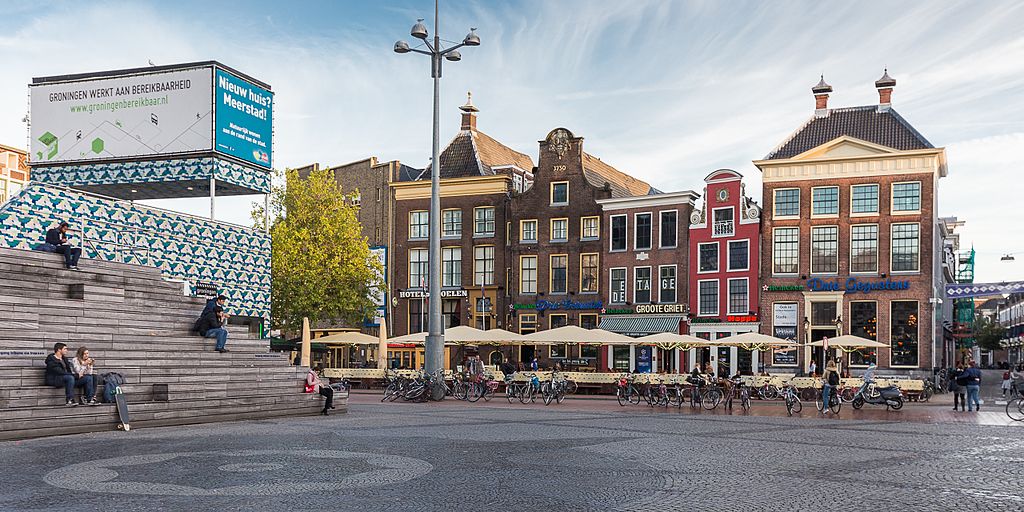
The Grote Markt is still the heart of the city: residents of Groningen regularly come here not only for shopping, but also for more than enough restaurants, cafes and pubs. “Drie Gezusters” alone has 21 bars. On the eastern side of the market, buildings with typical post-war architecture are planned to be demolished in the near future to make way for new ones. Architecturally, Groningen is ambitious in many respects: A walk through the city center is sure to draw attention to several unusual buildings.

History and architecture – old traditions of Groningen
The Grand Town Hall is part of it, as is the 17th-century Goldkontor not far from it. Since the mid-1990s, the building with an impressive gable has been connected to a modern annex by a glass and steel roof. Visitors are briefly amazed to see if it is just daring or successful – and then they see for themselves: That’s how it works. Adolfo Natalini’s design goes back to old traditions: “Italian architects worked here in earlier centuries,” says Koos. In any case, there is no shortage of historic buildings with outstanding architecture: the neoclassical grain exchange at Vismarkt is just one example.
There are local Groningen patriots who firmly believe that the most architecturally unusual museum in the country is located in their city. The Groninger Museum regularly hosts valuable exhibitions. But there are also visitors who come just to see the building itself. One part of the museum was designed by the Austrian architect Coop Himmelblau.

The floor looks uneven and the walls are also slanted. Pipes are visible under the ceiling. However, the larger part of the building was designed by Alessandro Mendini – as an allusion to Italy – an architect who loves color and fun. He even designed the walls in vivid colors – not always to the delight of the exhibition organizers.
Cover photo: JoachimKohlerBremen , CC BY-SA 4.0 , via Wikimedia Commons