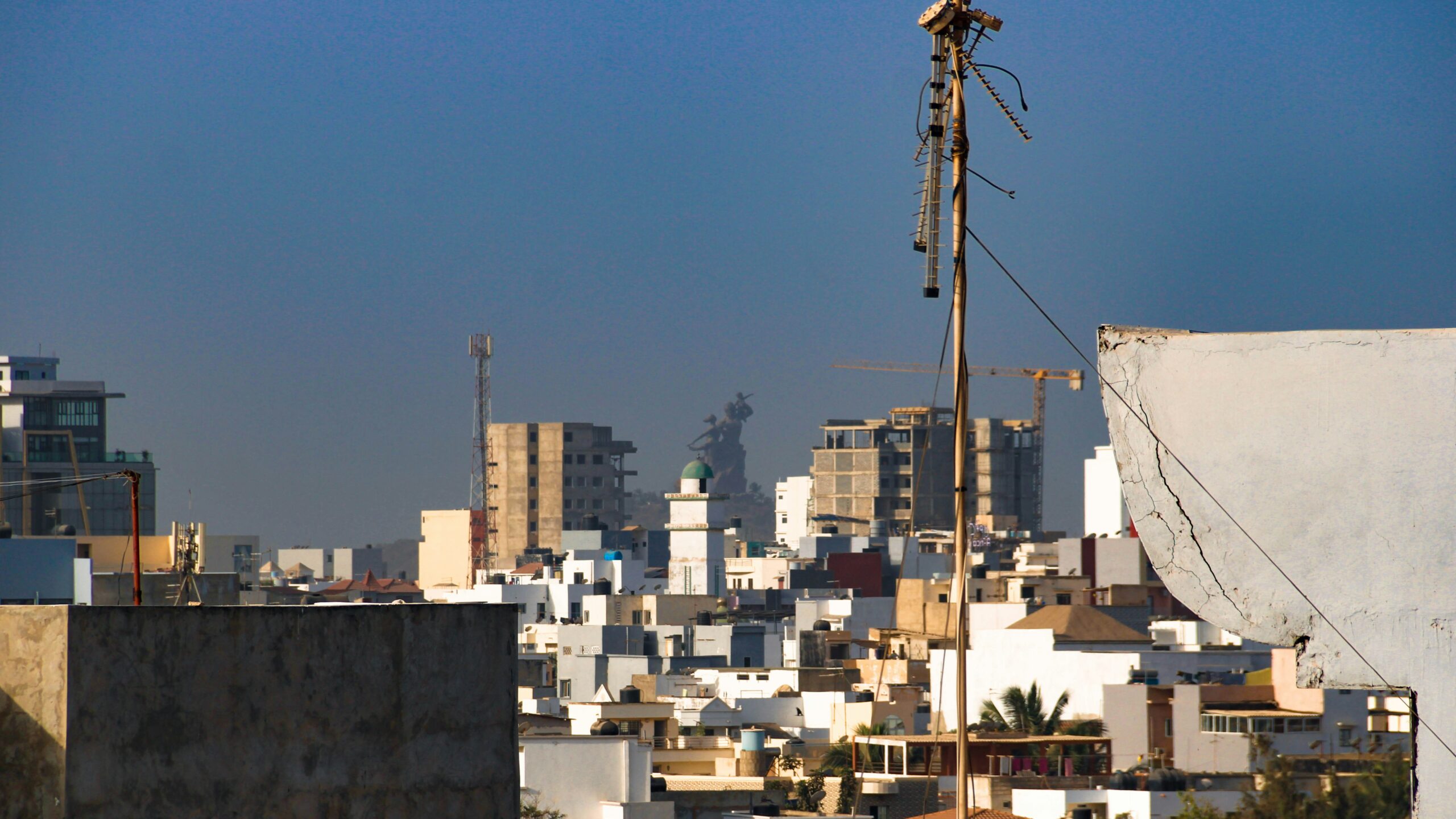
Numerous artists and studios are crowded into narrow streets, and ‘Maison des Esclaves’ is a reminder of the times of slavery. Even the cell phone antenna on the Senegalese island of Goree is stylistically disguised as a palm tree.
It’s just a short ferry ride, full of tourists and schoolchildren. But as the port of Senegal’s capital, Dakar, with its container ships, moves into the distance, and the island of Goree becomes larger in the bow, visitors realize that they are getting ready to travel back in time.
On a small island with narrow streets, home to only 1,300 people and many art studios, it seems like time has stopped. There are no cars – and why should there be? The island, which is only three kilometers from the coast, can easily be visited on a two-hour walk.
The already casual African pace of life has slowed down a bit on the Goree. No one should claim that the islanders are closed to the 21st century: a radio antenna for a mobile telephone network, which also operates on the island, stands – disguised as a palm tree – on the edge of an imposing fortress, and there is even an internet point under the shady banjan tree on the dusty square in front of the town hall.
impossible to get lost
Upon arriving at the port, the only people on Goree are those who wait, creating a small crowd as they rush towards visitors as tour guides or souvenir sellers. However, it is probably impossible to get lost on the island, so you can explore the old town that is on the World Heritage List yourself.
The Mediterranean atmosphere prevails in alleys, among houses painted in yellow, red and ocher tones, with green or blue eyelids. Only fine, pale Saharan sand and people in colorfully printed clothes remind us that the island’s French and Portuguese past has long since passed.
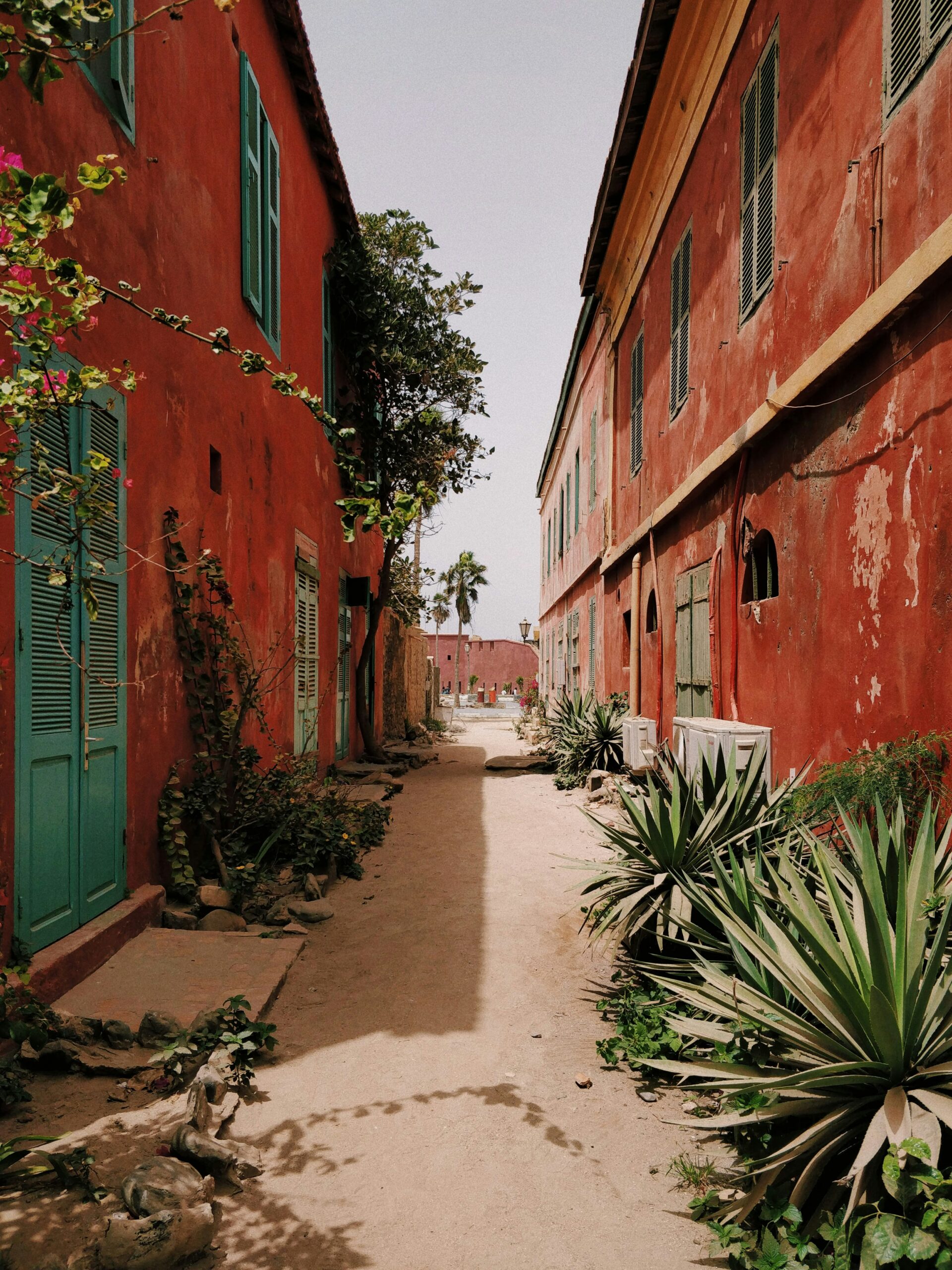
The first stop is a red brick building with a wide staircase that leads to a bright yard. The almost Baroque building represents a dark chapter in the history of the island: ‘Maison des Esclaves’ contains a museum that marks the slave trade in Europe and North America, which has been an important industry in Goree for centuries.
Pilgrimage to ancestral home
African American visitors, in particular, perceive a visit to the museum as a pilgrimage to the homeland of their ancestors. While they used to usually carry the novel ‘Roots’ in luggage, they now often wear ‘My Father’s Dreams’ by US President Barack Obama. Pope John Paul II, South African icon of freedom Nelson Mandela, and US presidents Bill Clinton and George W. Bush also walked through dark, narrow rooms where enslaved Africans were imprisoned. And they watched through the ‘door of no return’ leading to the Atlantic.
Millions of Africans passed through the slave fortress of Goree, according to one of the panels. Shawna Washington of Detroit in the US, who walks through dungeons with almost pious respect, also talks about ‘the misery of millions of our brothers and sisters’. However, recent historical research contradicts these figures, and given the cramped conditions in the fort, it seems unlikely that a large portion of the 20 million African slaves were delivered from Goree. In addition, the scarce resources of drinking water on the island would make it impossible to feed thousands of slaves.
African heritage
‘Now it is also suspected that the slaves were actually brought through the gate without returning to the ships,’ says the museum guide, pointing to the high waves behind the fort: ‘There are rocky ridges out there, and from here to the pier there is only a short walk. The slaves are probably brought to the port.’ However, for Shawna, while laying flowers on the door that opens to the Atlantic, the results of the research mean nothing: ‘It is important to me to be close to my African heritage in a place like this,’ he says.
Musician Fabrizzio Terenzo found his personal paradise on the island with his dark past. The Italian and his Senegalese wife, along with their large family, have a house very close to the port. ‘I’m back home here,’ he says. The son of a UNESCO diplomat, spent the formative years of his childhood in Zaire, today the Democratic Republic of the Congo.
Terenzo says that he first encountered racism in Europe: ‘In Africa, as a white boy, they may have looked at me and looked at me, but everyone was so warm to me. Then at school in Paris I heard Africans called monkeys. That was disgusting.’ It seemed logical to return to Africa, where he worked for a long time for a child protection organization.
multi-day tourists
Most visitors to Goree are one-day excursionists who, after visiting the museum, walk the streets or climb the hill to the fort with thick walls and cannons. A colony of artists now settled there. Terenzo also comes to talk to painters and sculptors every day before climbing among the cliff rocks – where the echo is particularly good. There he takes his trumpet and improvises. Pure tones merge with the wind and screams of seabirds.
Music also plays an important role in Dakar clubs. After all, Senegal, together with neighboring Mali, is considered the place with the best music scene in West Africa. Artists like Youssou NDoura, Baaba Maala and Baobab Orchestra are popular not only outside their borders, but also outside Africa.
Dakar has a lot to offer, with its music scene, marketplaces, a mix of French and African heritage and the former Ngor fishing village with beach, especially popular among surfers. However, most tourists attract 260 kilometers north of St. Louis, the old French colonial capital.
Annual Jazz Festival
Located on an island between the Atlantic Ocean and the Senegal River, St. Louis was founded in 1659 as the first French settlement in Africa. Today, the annual jazz festival attracts many visitors at the beginning of summer, but the Old Town, characterized by French colonial architecture and at the same time UNESCO’s world heritage, is never truly empty.
The more than 500 meter long iron bridge that connects the island to the mainland and the railway station has visibly taken its toll. While tourists, sellers at the market with heavy bundles on their heads and brightly colored minibuses create chaos on the bridge – albeit neatly – some trucks get stuck in some of the deep holes.
You can experience the colonial atmosphere at Hotel de la Poste. Built in the middle of the 19th century, the oldest and most expensive hotel in the city was once a meeting place for postal pilots who stopped here. Jean Mermoz, a friend of Antoine de Saint-Exupéry and supposedly the inspiration for the character of the pilot in ‘The Little Prince’, stayed in room 219, where pictures of the famous pilot are kept. From St. Louisa, Mermoz, who was assumed to have disappeared after the flight in 1936, took off on the first flight to South America in 1930. Small planes adorn all the doors of the rooms.
Silver souvenir
The old town is full of memorabilia, which mainly sell wooden carvings and silver jewelry from Senegal and other West African countries. It is advisable to bargain around the price and not trust sellers too much to sell original ancient Dogon doors from Niger or ritual masks from Mali. Low, carved wooden folding chairs are a bulky item in luggage, but typical of West Africa.
In the area around the Hotel de la Poste, many houses and their wrought iron balconies got a fresh layer of paint, and the bougainvillea adorns the walls. However, in more remote parts of the Old Town, restoration work is progressing slowly. But the charm of decaying beauty here has even more character than streets beautified for visitors.
Cover photo: Photo by sweder breet he unsplash