The Pfalz region is not necessarily associated with culinary delicacies. Still, there is much to discover in the region, including wines, chocolates and domestic snails.
When the peasant war raged in Pfalz in 1525, things did not look good for Eva von Neuleiningen. With the mob in sight, the countess invited the angry peasants to her castle for a drink at the last minute – so they left satisfied that evening. This episode shows that food and drink have always played an important role in Pfalz.
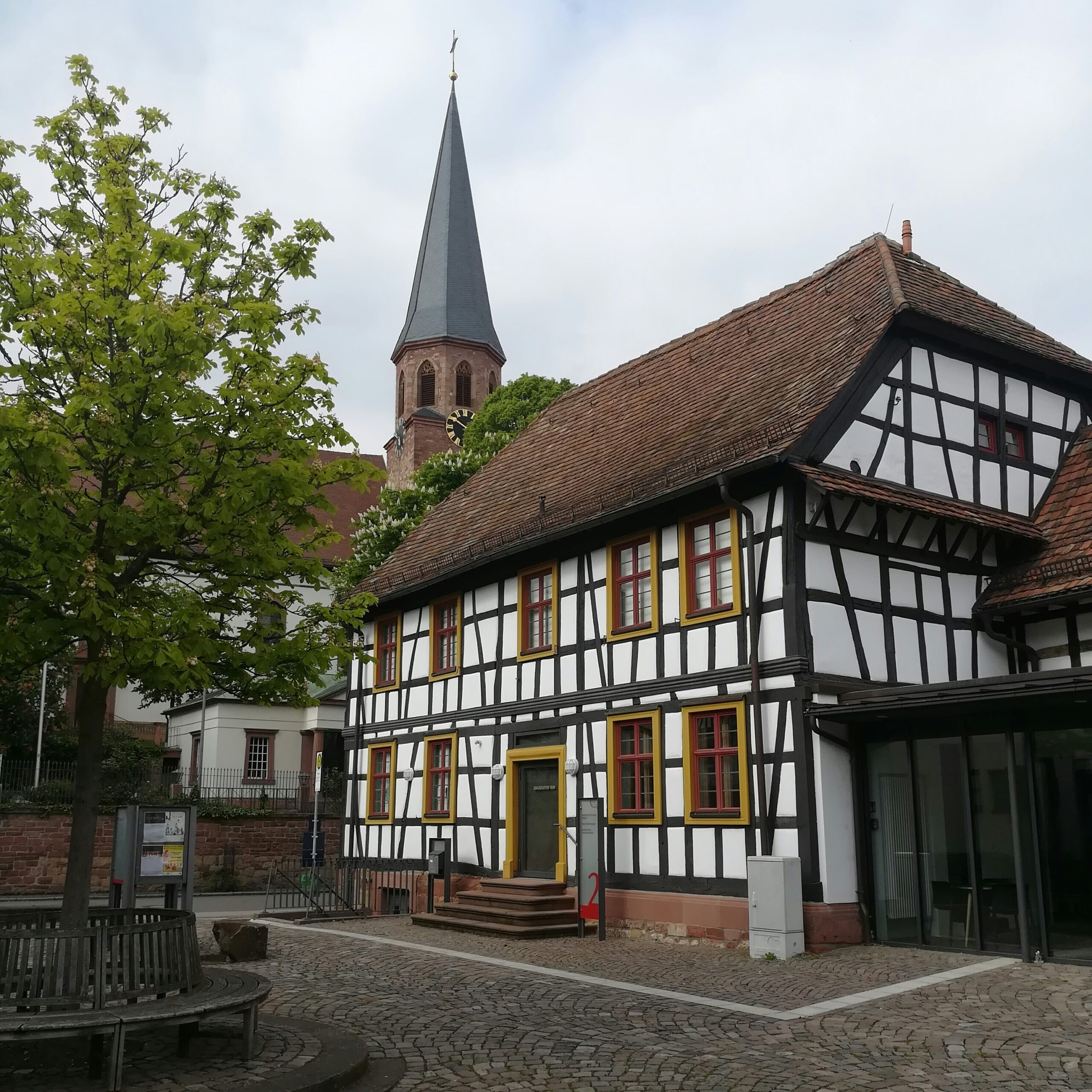
Neuleiningen near Bad Dürkheim lies on a hill on the edge of the Faala forest, above the Rhine plain. The village has less than 900 inhabitants, but it can boast of nine restaurants and inns, as well as three wineries. Many other towns in the Palac forest, especially along the wine road, are very similar.
There are about 3,600 wineries in Falačka, some of which are well known. Powerful old sandstone houses in many city centers testify to the fact that winemaking was, or is still a lucrative business for at least some.
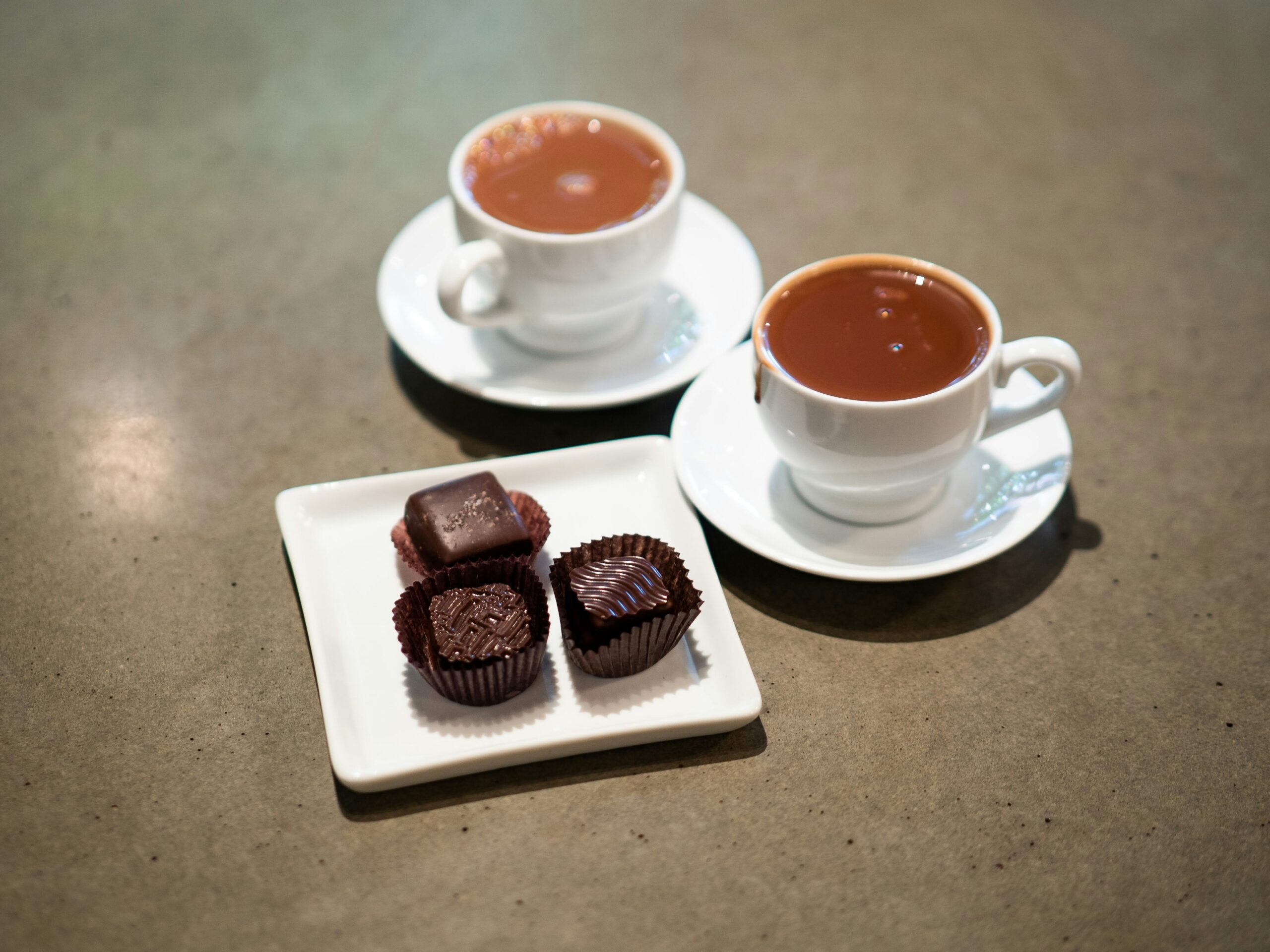
pralines with a delicious filling
René Rebmann does not make fine wines from the region on his own, but uses them as fillings for his chocolates. ‘We use liqueurs and spirits from local wineries,’ explains the 29-year-old. In his small patisserie in an old house with a wooden structure in Leinsweiler on the southern wine road, he produces more than 60 types of chocolates.
At Klaus Hambel, however, you eat standing up: Saumagen (sausage-stomach) is being prepared by Hambel in his butcher shop in Wachenheim, and guests are regularly invited to watch him as he prepares him. And, of course, you can also taste the unofficial national dish of Pfalška.
Saumagen is the unofficial national dish of the Pfalska region.
The ingredients are less spectacular than is often assumed, although they vary somewhat from butcher to butcher. Hambel, who also supplies restaurants, uses pork neck, coarse ham, potato cubes, salt and various spices – and marjoram is especially important.
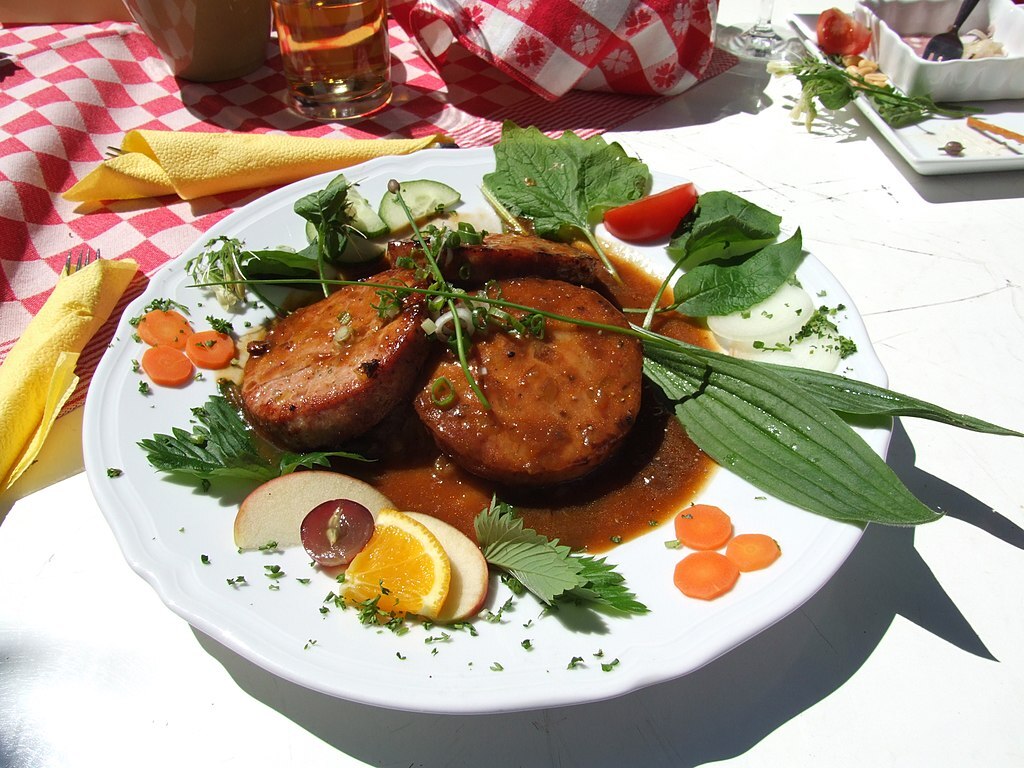
Wherever there are saumagen (pig’s stomach) and sauerkraut on the menu – which is the case in almost every restaurant with a phalac menu – more abundant dishes are usually offered: for example, liver dumplings or blood sausage. And while on the wine road, a glass of grape juice is usually drunk, more beer from local breweries is consumed in the Falak forest.
Heidschnucken Rolled Rolls and Snails
However, Pfalzhotel Asselheim offers an unusual specialty: its own Roman snails. These creatures with recognizable shells on their backs are rarely eaten in the Falacian region and throughout Germany – but they can be found crawling among the lineages of the Falac region. This gave the hotel owner Stefan Charlier the idea to try to grow them.
This is located in the field outside Asselheim since the spring of 2007. It consists of eight beams, each about 40 meters long and several meters wide, surrounded by wooden planks high up to the lower leg. Inside there are plants that Roman snails like to feast on and, of course, the snails themselves. They later end up in curry sauce or French stew.
Cover photo: Photo by Michael Schreiber he unsplash