On the coast with white beaches, Gambia offers mass tourism for charter tourists. But there are also regions where tourism is a form of development aid – and the tourist is practically the local population.
Room number 6, reinforced with mosquito nets, is located in a round hut with a diamond peephole in the front – without windows, of course. Room 6, overgrown with elephant grass, is a room that smells slightly rotten, and the furniture consists of a small wooden chest of drawers and a hard bed, over which a hole-like mosquito net hangs. There is no blanket, the pillow is small, and at midnight the lights go out. Then the generator turns off in the ‘Tumani Tenda Ecotourism Camp’ on the Gambia River. The passenger finally arrived in Africa.
‘Feel at home and find your time,’ said Sulayman Sonko, camp manager, during a welcome, and as we lie here now, awake from the heat, our thoughts revolve around those sentences.
The search for a sense of home
How is someone supposed to feel at home without electricity and a little water? And how should one ‘take time’ when the neighbors, locals who live 500 meters away in the village of Tumani Tenda, are even worse. Children playing with chestnuts on the bare ground. Young people who have to extract drinking water from two village wells and then carry it on seven farms. And there are also women from the village, some of whom have three, and yet they do everything until late in the evening, working on the ingredients for the only hot meal: they pluck the chickens, beat the corn, peel the beans, always dressed to the bare skin.
‘Find your time,’ Suleiman said, and time alone clearly shows what privilege he gave: the privilege of enough free time in the midst of a community that works every day to survive.
350 people live in Tumani Tenda, almost half of them are children. Everyone grows melons and tomatoes. They look after sheep and goats. They harvest oysters for sale at the market in Banjul, the capital. ‘Kasumai?’ asked the first woman at the entrance to the village, which is behind giant mango trees and a path covered with cow manure and flies of zunars.
«Kasumai Kep»
‘How are you?’ People were critical because the question anticipates the answer, similar to the English ‘How are you?’, which is always ‘Kasumai Kep!’, ‘I’m fine.’ But any other reaction, so clear when all the lights went out, would also be thoughtless. Every step, from the only bakery, next to the mosque, to the strict building of the elementary school, revealed too clearly that in this world, from a purely material perspective, what would be a reason for complaints in Europe is good: an ambulance, barely big enough to take care of pregnant women. A rural sports field, covered with weeds here, and there with deep sand. Or mahogany bark, which, according to a local healer, is currently the best remedy for diarrhea.
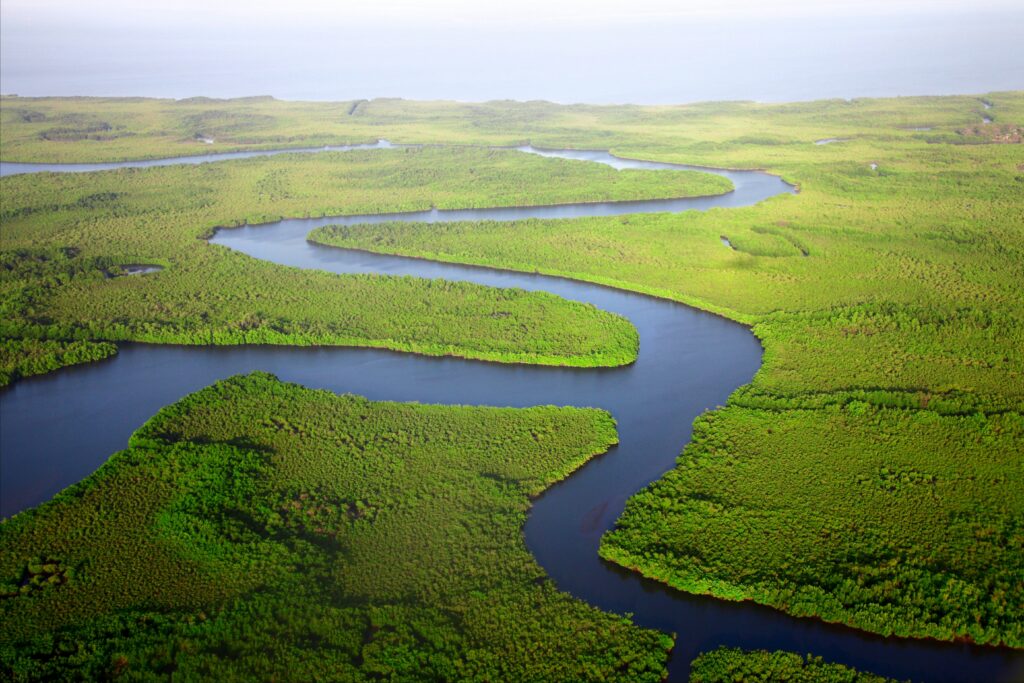
But the Tumani awning is developing, and relatively well. It is a rich place in poor Gambia. Not only because it usually rains enough here, and the nearby river, the 1,100-kilometer long life of the smallest African state, provides oysters and other saltwater creatures. Above all, its inhabitants live what would be called utopia in Europe: community, democracy at the local level, little Rousseau à lAfricaine.
A kibbutz under Muslim influence and communist organization
Klaus Betz, who inspected the village and camp for the Todo Award! For socially responsible tourism, he recognizes Tumani awning as a kind of ‘Kibbutz under Muslim influence and organized by the communists’. And indeed, open speech and counter-talk appeared during an afternoon discussion under a ficus tree at the center about the gifts of the past. About the time 37 years ago, when where the Tumani awning today was just a jungle. and about the growth of the 300-hectare village, which attracted seven extended families because the land was free, and the belief dictated that whoever came would be integrated.
Sulayman Sonko, who studied economics in Dakar and Bordeaux, does not have much respect for European social theory: Rousseau, he says, is familiar to him. ‘But he doesn’t belong here.’ Instead, he believes that everyday problems are best dealt with as the Tumani Tenda tries to: the village pays for school books for the youth, and the community covers medical care as well.
work in ecotourism
There are even plans to build a cooler for sometimes surplus mangoes. And although this was not welcome at first for all residents, the progressive concept accepts those who come to other parts of the Gambia simply because of the warm winter sun: tourists who guarantee solid additional income.
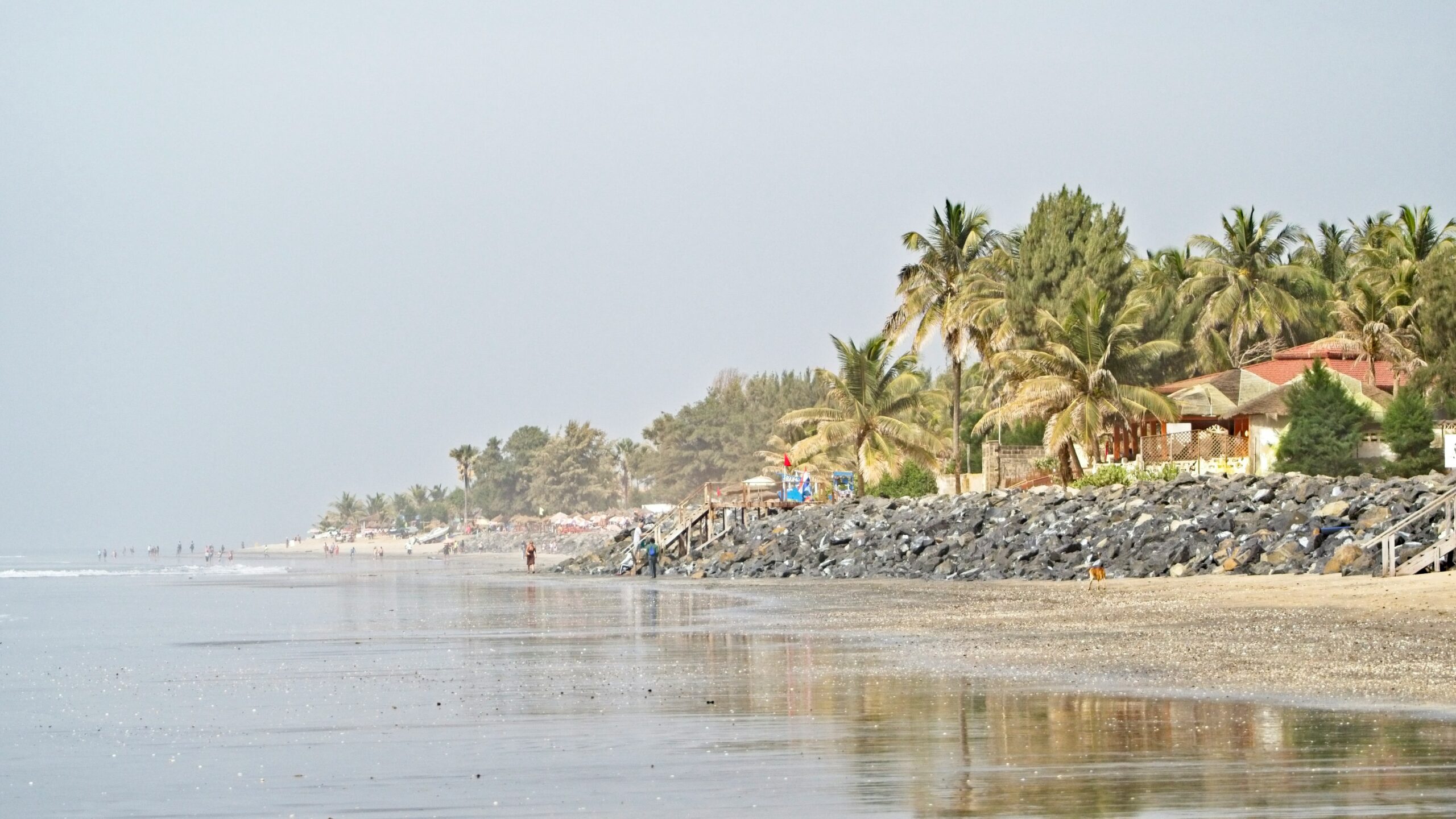
Twelve residents of Tumani Tende work in an ecotourism camp. About 150 travelers visit the place every year, says Sonko, ‘backpackers and development workers, even bird watchers.’ They arrive by boat over the river or by taxi from Banjul via Brikamara, the capital of the western division, and experience a more intense encounter with the local population than they could have done before.
An alternative to mass tourism
Newcomers are welcome to join the conversation and prayer in Bantaba, a central gathering place. Women show tourists how to paint clothes and prepare oysters. The village youth invites them to compare the continents on the football field. And the witch guides tours through the forest, explaining the basic ingredients of Gambian public health.
The Tumani Tenda is the antithesis of mass tourism on the Gambian coast: hotel complexes with three, four and five stars whose guests come on charter flights and then spend their vacation mostly among themselves – and occasionally with prostitutes.
Those who leave the hotel will meet many friendly people. However, they will also encounter ‘bumsters’, local guides who, desperate for the lack of other sources of income, aggressively offer their services. The fear of street wolves, however, prevents many hotel guests from approaching the people there.
The interests of large corporations
Tour operators and hotel chains, especially from the UK and Scandinavia, are also not particularly interested in it. After all, every euro spent outside the hotel walls bypasses their bills. Therefore, they prefer to offer all-inclusive meals. Therefore, at a certain time, they drive tourists on air-conditioned buses to the golf course or to the Albert market in Banjul, where they can buy mandatory souvenirs – and immediately return.
And this is probably why they invite you on organized day trips to the former juffureh slave transport port with promises like this: ‘You must do this! A truly beautiful boat ride on the Gambia River (no waves!) combined with the story of slavery.’
The main source of income
Organizations like Gambia Tourism Concern (GTC) believe that all these practices are detrimental to the long-term development of the Gambia. Especially since tourism is the most important source of income after agriculture – and the Gambiques are therefore quite helpless in the face of its whims: when large tourism companies withdrew four years ago, many families became impoverished, says GTC founder Adam Bah. Even the merchants who used to collect the crumbs of the tourist business while waiting in front of the entrance to the hotels suffered.
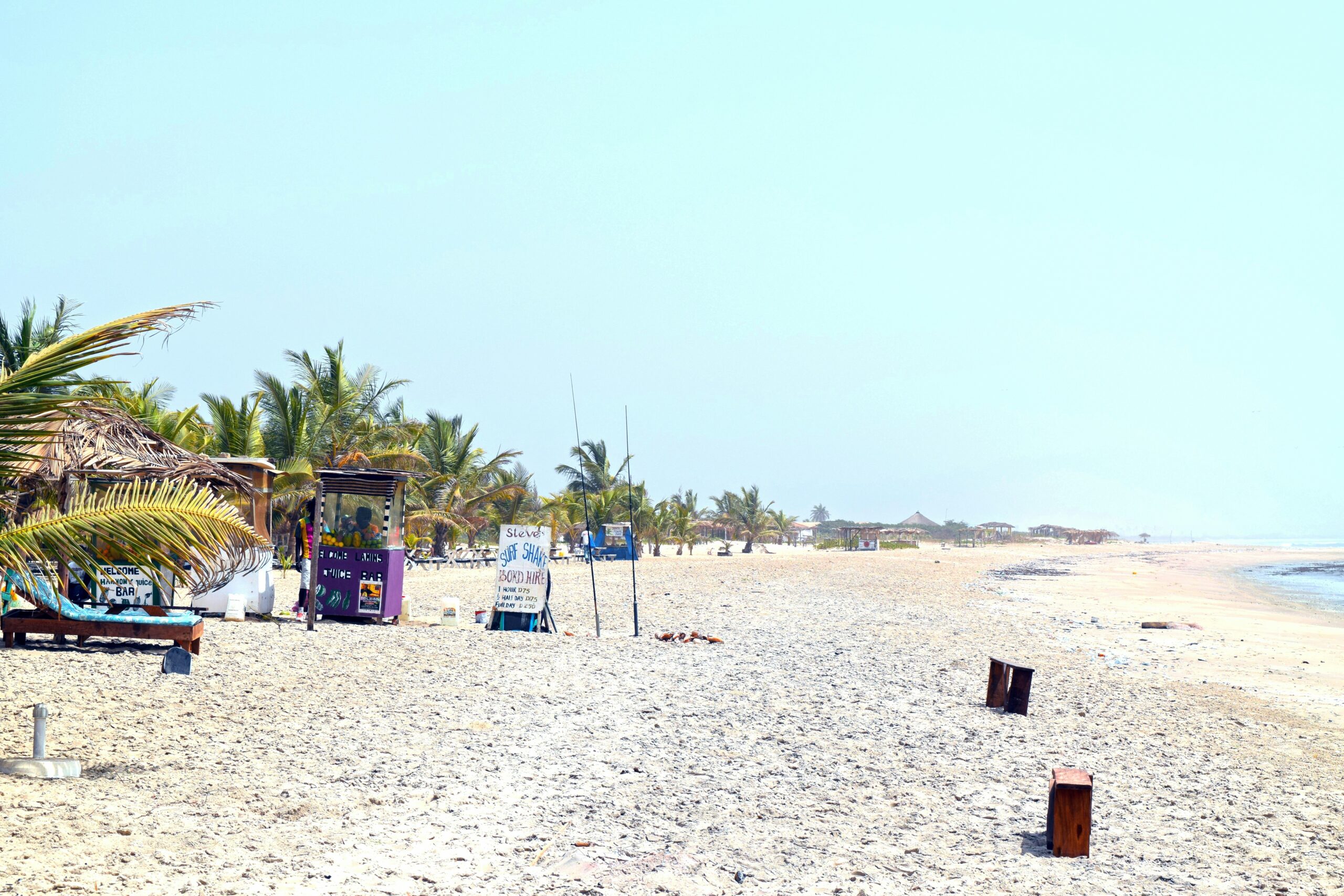
The Gambia State Tourism Administration (GTA), which expects one million tourists to visit Gambia in 2012, is still dedicated to building larger hotels with the help of European investors. Meanwhile, GTA staff are trying to foster mutual understanding between travelers and Gambians: give former ‘mischiefs’ advice on how to properly communicate with passengers. Socially responsible tourism
They train street workers to become traders who share brochures reporting their problems. They help small craftsmen and hoteliers with training programs to fight the dominance of international companies. and support projects like Tumani Tenda. After all, no one comes to Gambia to be a bad tourist, says Adama Bah. ‘But we need a different type of tourism. The Tumani Tenda offers it.’
Socially responsible tourism, as it is called in the profession.
Sulayman Sonko nevertheless learned that this proclaimed tolerance cannot mean equality in poverty: even modest tourists – although otherwise full of praise for a harmonious rural life – complained in the book of guests about the meager comforts of the camp. Therefore, running hot water now powers the shower located in an elevated mud building. Even the associated toilet is occasionally released into the water. For lunch and dinner there is more food and drinks – fish, vegetables, rice, Coca-Cola – than the locals can afford. Hanging nets are lined up next to the tables. And, of course, only five huts in the camp have electric light.
Cover photo: Photo by Dan Roizer he unsplash