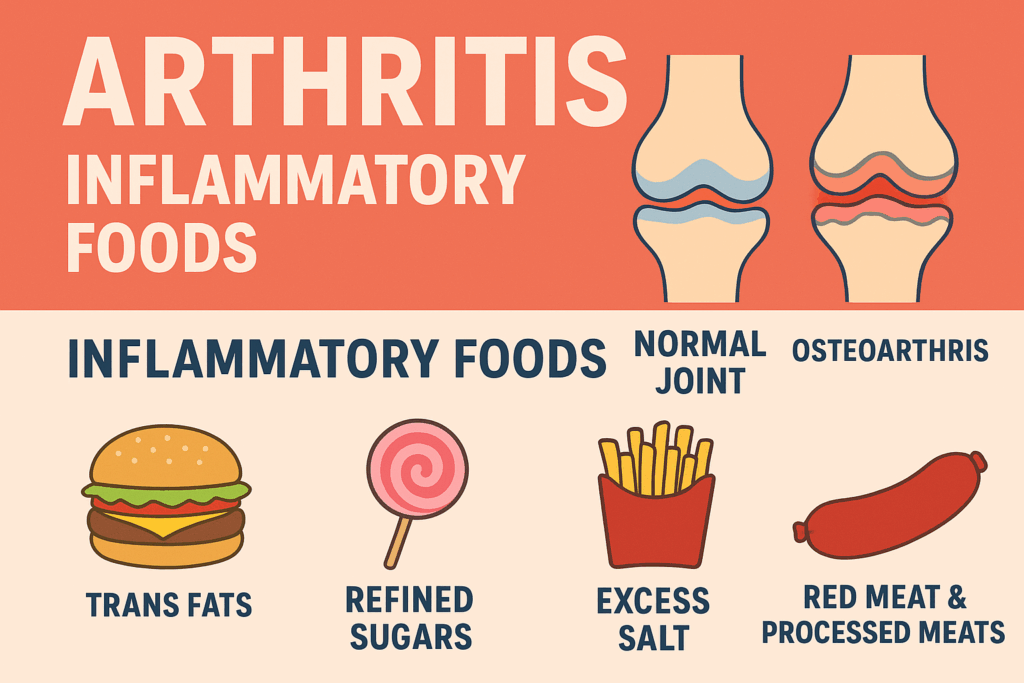
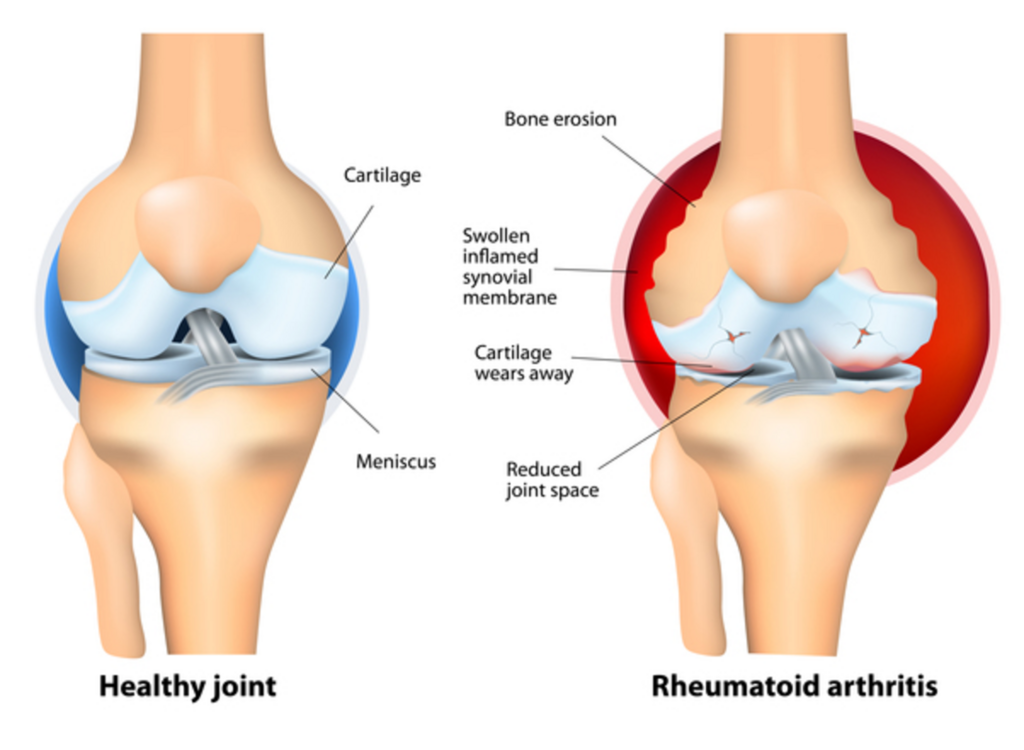
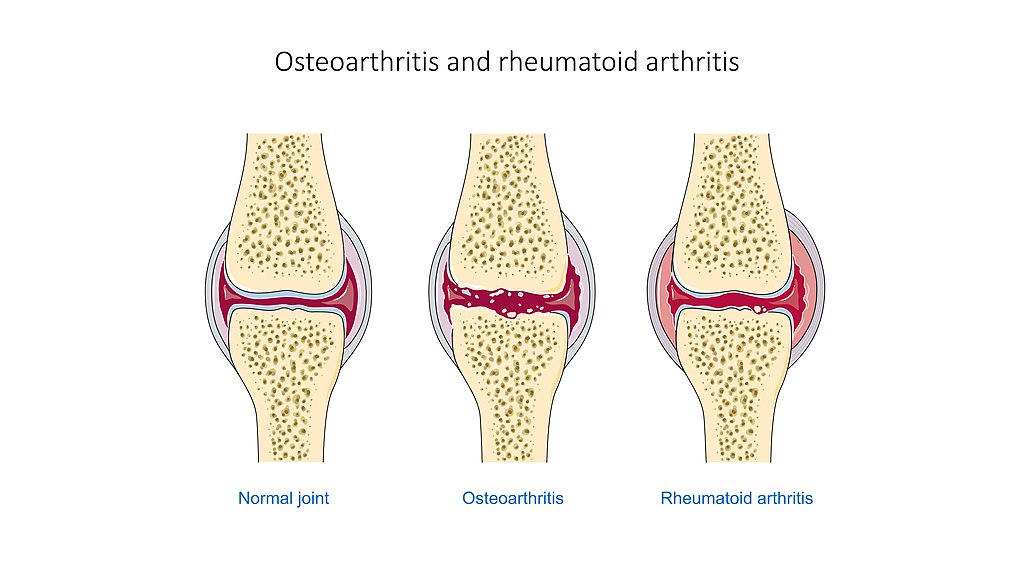
Arthritis is a chronic inflammatory disease of the joints, the symptoms of which (pain and stiffness) can increase significantly depending on the diet. The selected food affects the immune response – namely, some foods can literally ‘turn on’ signaling pathways in the body and stimulate the release of inflammatory cytokines. Therefore, it is crucial to avoid foods that cause inflammation in the body. Below we list the main triggers of inflammation in arthritis and tips on how to recognize them.
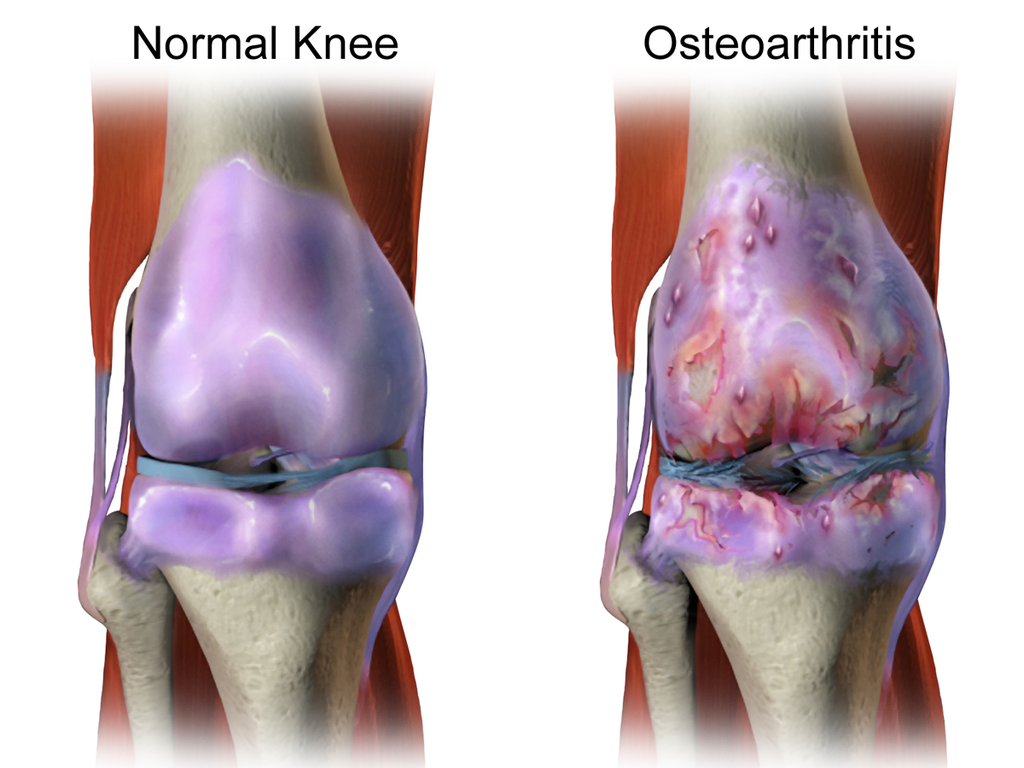
Foods that increase arthritis
Processed ingredients such as saturated fats, trans fats, sugar and salt can activate chronic inflammatory processes in the body. If the diet is rich in these foods, the body constantly produces anti-inflammatory molecules (cytokines) that worsen joint pain. Science shows that a diet rich in refined sugars and unhealthy fats (especially saturated and trans-fats) promotes chronic inflammation, while a balanced intake of omega-3 fatty acids (from fish and nuts fruits) helps to calm the inflammatory response by avoiding ‘bad food’ you can significantly improve health and quality of life.
The most important ingredients to avoid in arthritis include:
- trans fats – They are found in many processed dishes and quick snacks (fries, chips, margarines, commercial cakes). Trans-fats are known to actively promote systemic inflammation. They further increase ‘bad’ LDL cholesterol and reduce ‘good’ HDL cholesterol, which additionally burdens the joints.
- refined sugars and white cereals – Foods such as sweets, carbonated juices, white bread and pasta quickly break down into sugar. Processed sugars in the body stimulate the release of inflammatory cytokines, and in the long term lead to weight gain and increased joint load. Experts advise to reduce the intake of refined carbohydrates because they raise blood glucose levels and promote chronic inflammatory processes.
- excessive salt (sodium) – A large amount of salt causes water retention and tissue swelling, which can increase swelling of the joints in arthritis. Hidden salt is found in canned food, ready-made soups and many spices. Experts warn that high sodium intake can prolong and strengthen the inflammatory response in the body.
- Red meat and meat products – Beef, pork, lamb, as well as processed products such as sausages, ham and bacon, contain large amounts of saturated fat and salt. It is saturated fat that stimulates the formation of inflammatory molecules in adipose tissue, which worsens the symptoms of arthritis. Scientific research indicates that high consumption of these foods increases the risk of developing rheumatoid arthritis. It is recommended to reduce the intake of fatty red meat and replace it with lean proteins.
- fried food – Fried dishes (fries, fried potatoes, breaded food) contain exceptional amounts of unhealthy fats, including the resulting trans-fats. The frying process itself leads to the oxidation of fats and the formation of compounds that promote inflammation. Studies advise avoiding deep fried dishes, because by systematically increasing fats, they further intensify inflammatory processes.
- Alcohol – Excessive consumption of alcohol can worsen arthritic pain. Alcohol increases the level of inflammation in the body and causes dehydration, which further damages the joints. People with arthritis should limit alcoholic beverages, as this reduces the risk of increased inflammation and significantly relieves symptoms.
- Gluten and dairy products – Although they are not harmful to everyone, gluten (from wheat, rye, barley) and casein protein from milk can cause worsening of arthritis in some patients. Some research shows that a gluten-free diet can reduce inflammatory markers in people with arthritis. That is why individuals who experience worsening symptoms after consuming bread or milk may try the temporary elimination of these foods from the diet.
It is important to understand that with each individual it is specific which foods worsen him the most, but the above examples cover the most common ‘bad’ ingredients for arthritis. Avoiding these foods reduces chronic inflammation in the body and can significantly reduce joint pain.

Read our post: How to cure sore throat and tonsils: natural and medical tips
Food that reduces inflammation and supports joints
In addition to banning harmful foods, it is important to include natural anti-inflammatory foods in the diet. Antioxidants and omega-3 fatty acids from fresh foods help control inflammatory processes in the body. For example, the Mediterranean menu (fish, olive oil, fruits and vegetables) has been proven to reduce inflammation and improve the condition of arthritis. Some of the most useful foods include:
- Omega-3 rich fish (salmon, mackerel, tuna, sardines): They contain omega-3 fatty acids that have strong anti-inflammatory properties. Regular consumption of these fish can reduce inflammatory cytokines and alleviate the symptoms of arthritis.
- Fruits and vegetables (berries, citrus, spinach, broccoli, kale): are rich in antioxidants (vitamins, flavonoids) that neutralize free radicals. Antioxidants protect cells from damage and reduce inflammation in joints and other tissues.
- Olive oil: They are an excellent source of monounsaturated fatty acids (oleic acid) and antioxidants. Regular use of extra virgin olive oil in cooking has been proven to reduce inflammatory markers and improve joint health.
- Nuts and seeds (almonds, walnuts, chia, flax): They contain healthy omega-3 fats, fiber and vitamin E. Their consumption contributes to an anti-inflammatory effect and supports the health of the heart and joints.
- whole grains (brown rice, integral oats, quinoa): They are rich in fiber that helps maintain stable blood sugar and a healthy intestinal microbiota. This reduces oxidative stress and inflammatory processes in the body. Unlike white, whole grains ensure a long-lasting feeling of satiety and relieve inflammation.
- Green tea, ginger and turmeric: These herbal teas and spices contain strong anti-inflammatory compounds (eg catechins, gingerol, curcumin). Regular drinking of green tea or ginger and turmeric teas can significantly alleviate inflammatory processes and pain in arthritis.
In practice, it is often recommended Mediterranean diet As a sample diet for arthritics: it is rich in fish, olive oil, nuts, fruits and vegetables, and red meat, alcohol and processed food are avoided. Such a balanced menu not only reduces inflammation, but also improves overall health.
Conclusion
Proper nutrition can have a great impact on the course of arthritis. Evasive Forbidden food for arthritis – Like added sugars, trans-fats, high salt, saturated fats and refined carbohydrates – the body stops producing excessive inflammatory molecules. At the same time, focusing on fresh and whole foods rich in omega-3 fats and antioxidants can relieve pain and stiffness. Experts point out that such changes mean a significant improvement in the quality of life of people with arthritis.
Call to action: Put together a Mediterranean-style diet plan – reduce processed food, sugar, alcohol and red meat, and include more fish, vegetables, whole grains and healthy fats. With regular exercise and the advice of a doctor or nutritionist, such a dietary strategy can reduce the symptoms of arthritis and improve your general health. Don’t delay – start today with changes for healthier joints and less inflammation!