
Hard stools and constipation are unpleasant problems that affect people of all ages. If you are looking for Quick hard stool remedy natural solution, This guide explains why this happens, what natural and medical options exist, and how to prevent the problem in the long term – clearly, practically and supported by evidence.
What is a hard stool and how to recognize it? (definition and symptoms)
Hard stools mean that the stools are dry, shaped into small hard balls or with a thick mass that is difficult to throw out. There is often a lack of frequency of discharge (less than three times a week), straining, a feeling of incomplete discharge and sometimes pain or bleeding due to ulcers/hemorrhoids. If the stool stands for a long time in the large intestine, absorbs water and becomes harder and drought – that is why hydration and fast passage are important.
Typical symptoms
- rarer stool (<3 times a week).
- strain and pain during discharge.
- Hard, brittle, ball stool or very large, dry masses.
- bloating, lack of appetite, feeling of discomfort in the stomach.
Why does hard stool form? (causes)
Hard stools can occur due to one or more of the following facts:
1. Too little fiber in the diet
Fibers increase stool volume and retain water, facilitating passage. Most adults take in less fiber than the recommended amount.
2. Insufficient fluid (dehydration)
If you don’t drink enough fluids, the hose draws more water from the stool, so it becomes harder and compact.
3. Reduced physical activity
Lack of movement slows intestinal motility and contributes to stool retention.
4. Medications and supplements
Some drugs (antacids with aluminum, opioid analgesics, some antidepressants, iron) can cause hard stools.
5. Behavior and habits
Stool retention, improper diet, travel and changes in routine can cause transient problems. Also, older age and certain health conditions (eg diabetes, hypothyroidism, neuromuscular diseases) can contribute to chronic constipation.
Natural methods (first and most importantly) – how to facilitate without medication
If you are looking for Quick hard stool remedy natural solution, first try changes in diet and lifestyle. The following measures have the most evidence and most often work:
1. Increase fiber intake (gradual)
The goal is to build the habit of taking 25–30 g of fiber per day (for some, the guidelines list about 25 g as adequate for normal discharge). Fiber from fruits, vegetables, whole grains, legumes and seeds help increase stool volume and retain water. The introduction of fibers should be gradual (weeks) to avoid flatulence and gas.
Practical suggestions:
- 1 serving of fruit with breakfast (eg apple with peel, pear).
- integral bread/cereals instead of white.
- vegetables with every meal (especially legumes, beans, lentils).
- Add the seeds (chia, flax) to the yogurt or smoothie.
2. Prune (prashed) and plum juice
Research shows that prunes often improve stool frequency and consistency – some studies consider them even better than psyllium for mild to moderate constipation. Prune contains sorbitol and indigestible ingredients that have a mild laxative effect. Useful as a natural first step.
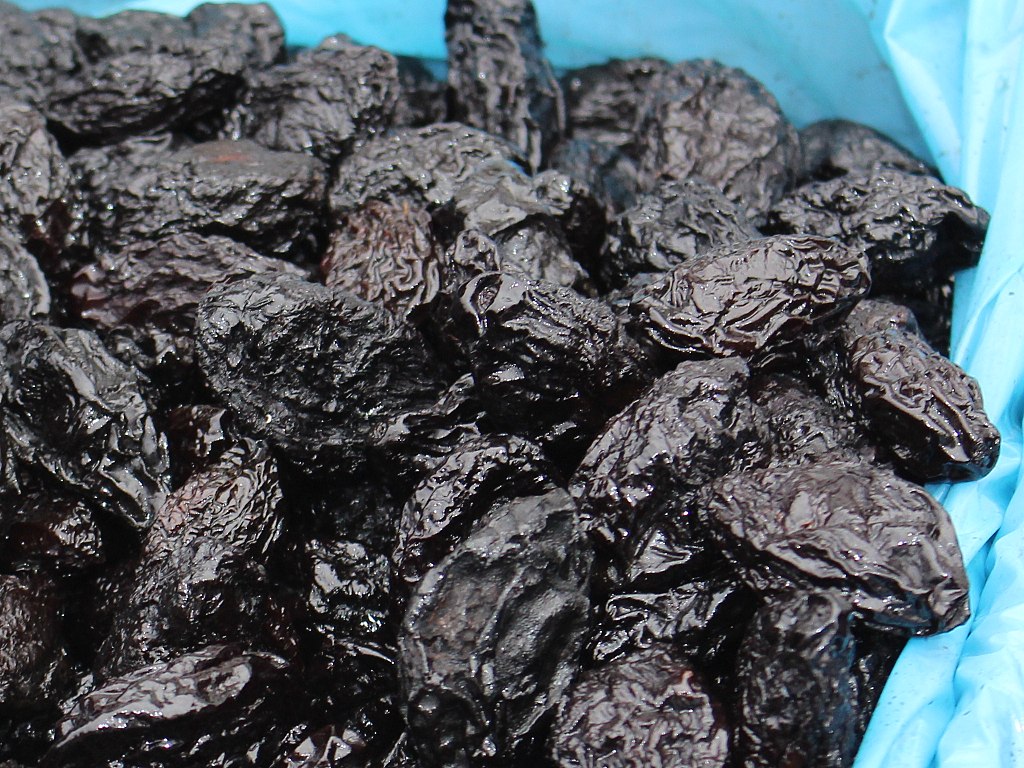
How to use: 2-4 prunes a day or a small glass of plum juice can help. Start with a smaller amount and adjust.
3. Psyllium (expressed fibers) and other fiber supplements
Psyllium (Plantago ovata) is a natural fiber that attracts water to the intestine and facilitates defecation. While some studies show psyllium success, prunes had an advantage in some studies. Psyllium is suitable for many people, but it should be taken with enough liquid.
4. Increase fluid intake
Drink enough water during the day. For those who take increased fiber levels, it is also important to increase fluid intake as the fibers work optimally.
5. Regular physical activity
Walking, core-oriented exercises and moderate aerobic activity promote intestinal motility. Even 20-30 minutes of moderate activity per day can help people with mild constipation.

6. Habit and time for restroom
Try to establish a regular rhythm – for example, after breakfast, sit on the toilet for 10-15 minutes and stimulate the reflex. Do not keep the need for discharge.
7. Digestive preparations and probiotics
Some types of probiotics and certain fruits (eg kiwis) have shown a positive effect in clinical studies for chronic constipation. Probiotics can help regulate the microbiota, but the effect varies depending on the strain and the person.
8. Magnesium (in certain situations)
Magnesium preparations (Magnesium citrate or Magnesium oxide) act as osmotic laxatives – they attract water to the intestine and can act quickly. There is evidence of usefulness, but attention should be paid to dosage and possible side effects (diarrhea, electrolyte imbalance), especially in people with kidney problems. It is recommended to consult a doctor before long-term use.
Medical treatments – when necessary and available
If natural measures do not help or symptoms are severe (severe pain, bleeding, weight loss, sudden changes), consult a doctor. Medical treatments include:
1. Osmotic laxatives
(enteral compounds such as polyethylene glycol, lactulose, magnesium salts) – attract water to the intestine and soften the stool. They are often given for short-term relief.
2. Stimulant laxatives
(Senna, Bisacodyl) act on the intestinal wall and promote contraction; They are used for a shorter time and usually after consultation with a doctor.
3. Chair softening agents
(document sodium or potassium) – are sometimes used in people for whom stress is dangerous (eg after surgery, in hemorrhoids).
4. Specialist therapies
If there is a secondary cause (neurological disorder, obstruction, motility disorder), further diagnostics (colonoscopy, motility tests) and specific therapies may be required.
User experiences (neutral, informative)
Many people report that simple changes such as fiber and fluid increases quickly improved symptoms. Others have found Prunes or Psyllium as highly effective – studies support both options, with Prunes in several trials showing a good effect on stool consistency. In some people, magnesium compounds give quick relief, but they are not suitable for long-term non-self-treatment without medical supervision. Individual experiences vary and depend on the cause of the problem.
Preventive tips – how to prevent hard stools in the long term
- Regular diet rich in fiber (25–30 g/day).
- Daily water intake (adjusted to physical activity and climate).
- Regular physical activity (walking, strength and core exercises).
- Don’t delay the need for discharge.
- If you are using medications that cause constipation, talk to your doctor about alternatives or how to manage side effects.
- If natural helpers (Prunes, Kivia, Psyllium) help you, maintain them in moderate quantities and adjust according to the reaction of the body.
When to see a doctor right away?
Seek medical attention or medical advice if you have:
- severe abdominal pain or sudden, unusual change in discharge habits.
- rectal bleeding or constant blood loss.
- Unexplained weight loss, fever or vomiting with constipation.
- If natural measures and over-the-counter laxatives did not help within a reasonable time (eg 2 weeks) – especially in the elderly or those with other diseases.
Conclusion
If you are looking for Quick hard stool remedy natural solution, It is best to start with fundamental changes: increase in fiber and liquid, regular physical activity, and practical toilet habits. Natural supplements such as prunes (prunes) or psyllium often help and have scientific support. Magnesium and medical laxatives are an option when natural measures are insufficient, but they should be used deliberately and with the advice of a doctor if it is a chronic problem or specific health conditions. If you have serious symptoms or changes, be sure to consult a doctor for further evaluation.
Sources:
- NHS – Constipation (English): NHS.UK
- PubMed – Attaluri A. et al., 2011: Dried Plums vs Psyllium for constipation. PubMed
- Systematic Review – Lever E., 2014: Effect of Prunes on Gastrointestinal Function. PubMed
- PMC – Psyllium Husk Effects (Jalanka et al., 2019). pmc.ncbi.nlm.nih.gov
- EFSA / Dietary Fiber Reference (2010). European Food Safety Authority
- PMC – Magnesium Oxide Review (Mori et al., 2021). pmc.ncbi.nlm.nih.gov
- NHS – How To Get More Fiber Into Your Diet. NHS.UK
- Clinical Trial – Kiwifruit, Prunes, Psyllium (Chey et al., 2021). PubMed