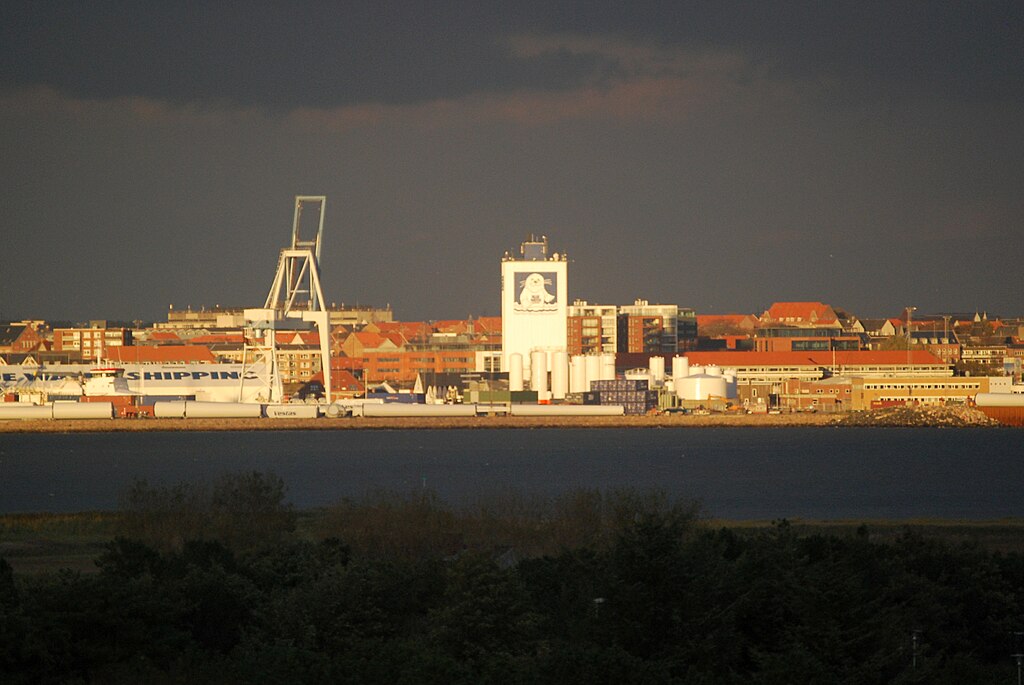
Stressed tourists will find untouched nature on the small Danish island of Fanø. For more than a century, kilometers of sandy beaches and houses with thatched roofs have attracted European visitors.
The blue-yellow bus of lines 631 buzzes slightly along the beach between Rindby Strand and Fanø Bada. There is a lot of space: a belt of solid sand on the west coast of Fanø is more than half a kilometer wide and 15 kilometers long, so swimmers and surfers often drive right along the water’s edge. But this island in the Danish Wadden Sea offers more than just a beach holiday and water sports: between the two capitals of Nordby in the north and Sønderho in the south lies a diverse landscape of fields, dunes and small forests that have retained its original character despite the inflow tourist.
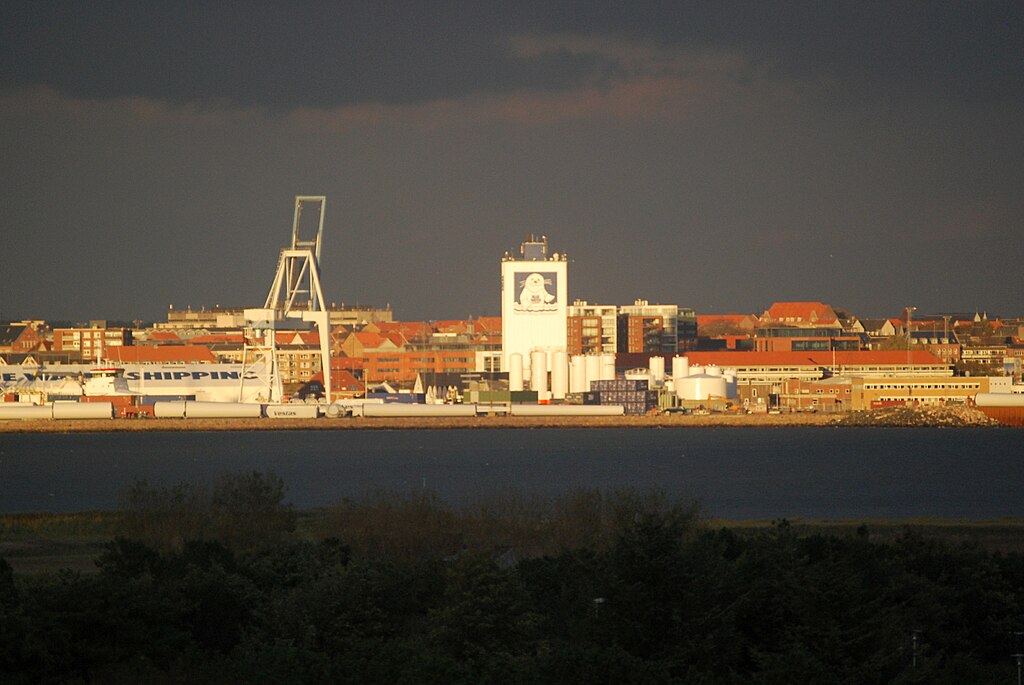
The ferry runs about twelve minutes from the land port of Esbjerg in western Jutland to Nordby, where most of the approximately 3,200 inhabitants of Fanø live. Narrow streets lead to the harbor, and a pedestrian shopping street with boutiques, handicraft shops and pastry shops invites visitors for a walk. The museum in the old villa of the sailing association Fanø is exposed to models of ships and traditional costumes, and in July the past comes to life: during the day, many women wear traditional island clothes. Dark dresses have a festive look, and the caps are decorated with large, colorful ribbons.
How Fanø Residents bought their own island and changed their destiny
Fanø was originally a poor island, which belonged to the private estate of the Danish king. Its inhabitants worked as fishermen at sea or as tenants cultivating scarce land. But then in 1741 the islanders made a great undertaking: when the king sold the island at auction, it threatened to fall into the hands of the infamous landowner. However, the islanders pooled their savings, bribed the auctioneer and immediately bought their own home.
At the same time, they acquired the rights to sail and trade at the same time – and Fanø experienced a real economic boom from 1800 onwards. In the 19th century, the island was the home port of the second largest Danish commercial fleet, and hundreds of ships were built there. That era ended only with the construction of a steamship port in Esbjerg. Its atmosphere remains especially vivid in Sønderho.
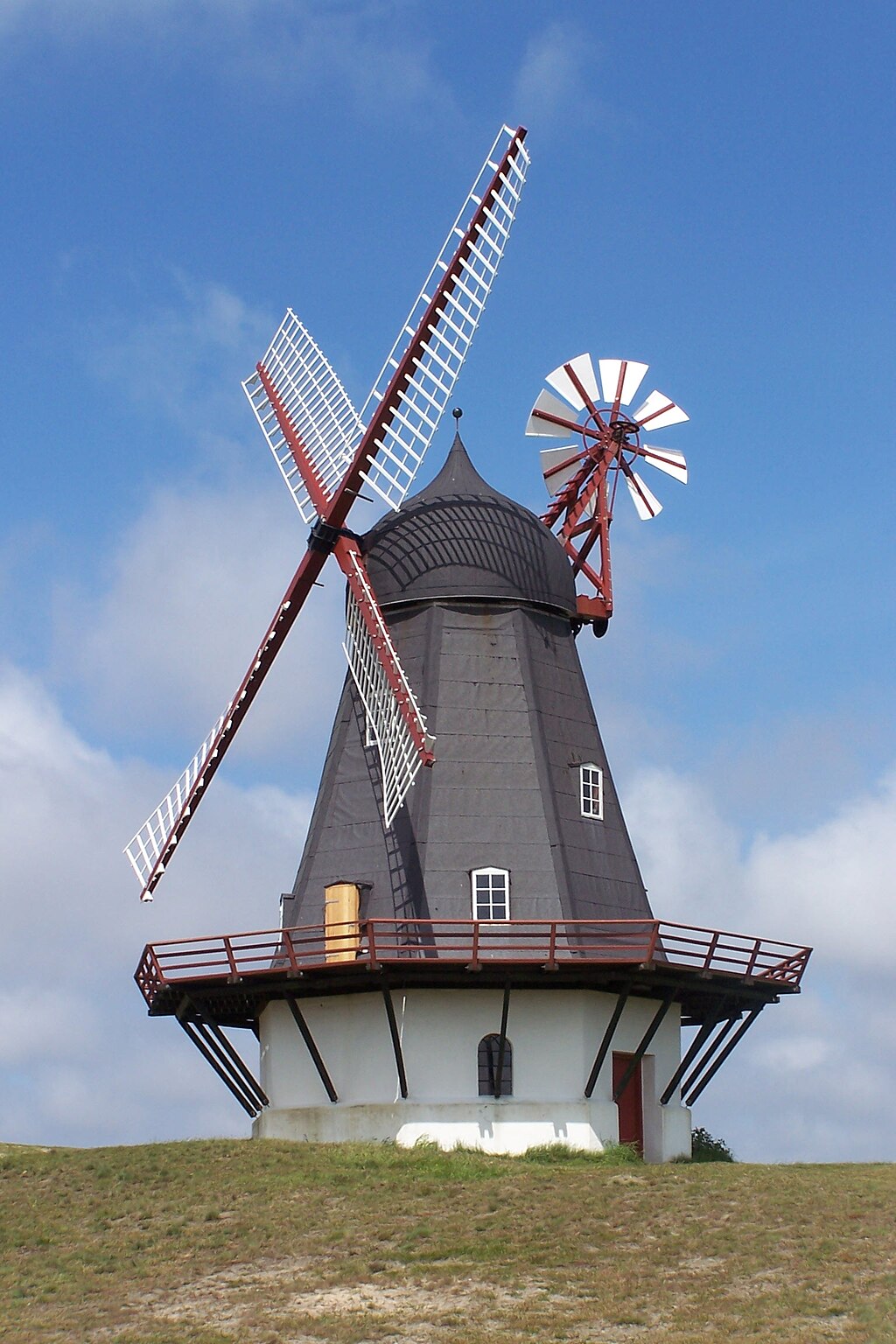
Sønderho – a Danish village that time has forgotten
The small village in the south, whose old windmill can be seen from afar, is mainly a protected historical monument. A walk through the narrow paths between the straw-colored houses with pink-yellow white walls quickly brings visitors back 100 or 200 years back. Beautiful gardens surround crooked houses, and some doors are decorated with figures or other maritime decorations. In the village church, more than a dozen models of ships testify to the golden age when the islanders sailed the world’s oceans. Even ‘Hannes Hus’, a fully furnished island house from that era, can be seen.
In the south of the village, modern times begin: countless holiday homes are located in Dinamo, some are built according to the model of old country houses, others are simple bungalows. The southern beach is more robust and picturesque than the wide beach in the northwest: amber hunters roam high dunes looking for treasure, while children play in semi-sunken bunkers – the last remains of Hitler’s ‘Atlantic Wall’.
Fanø – from the resort of the European elite to paradise for a family vacation
Those who want to swim should head to Fanø Bad in the west of the island. Bathing here began as early as 1870, and 20 years later, elegant villas were built for visitors from Hamburg, Vienna and Saint Petersburg. The First World War ended this era, and hotels with towers fell into disrepair. It was not until the 1970s that a new hotel complex was built. But this unsightly building remained an exception – after all, fans of Fanø usually stay in holiday homes. Now there are more than 2,500 of them on the island – at the peak of the season they usually cost between 500 and 1000 euros per week.
It is especially busy in June – then the beach belongs to dragons. About 5,000 owners of these colorful flying facilities travel to Fanø every year for an international dragon festival, along with numerous spectators. This year, the multi-day event begins on June 19. Inflated seals and giant salamanders, colorful parachutes and balloons will then rise to the sky above Fanø.
The untouched nature of fanøa: dunes, forests and bird watchers’ paradise
Those who are not attracted to such scenes will fortunately find places to retreat. A special gem in the center of the island is ‘Klitplantage’ (Dina plantation). This dune forest was established on poor soil in 1892 to stop sand erosion. The narrow paths wind through an area of approximately 1,000 acres. The bumpy mountain pines, as well as birches, beech and oaks, allow mountaineers to almost forget for a moment that they are on the island.
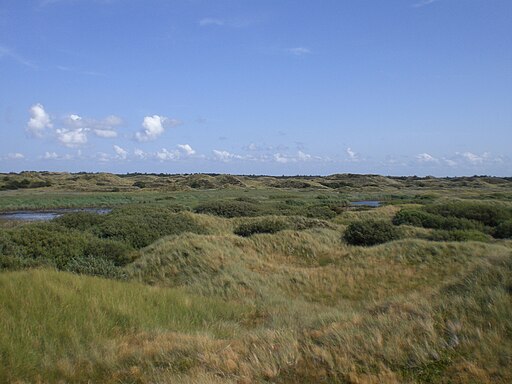
To the east, the wildlife reserve borders two bird baits. At these artificial retreats, the islanders used to shoot migrating ducks of field and goose shells. Today, of course, it is forbidden – only blueberries can be picked. And finally, bird watchers will find much to enjoy in the north of Fanø: on Grønningen, a vast meadow area, island farmers once grazed their cows. Today, visitors here can observe vivkas, red-legged buns, buzzers, snipes, and even gray falcons.
Cover photo: Ragnar1904, CC BY-SA 4.0, Via Wikimedia Commons