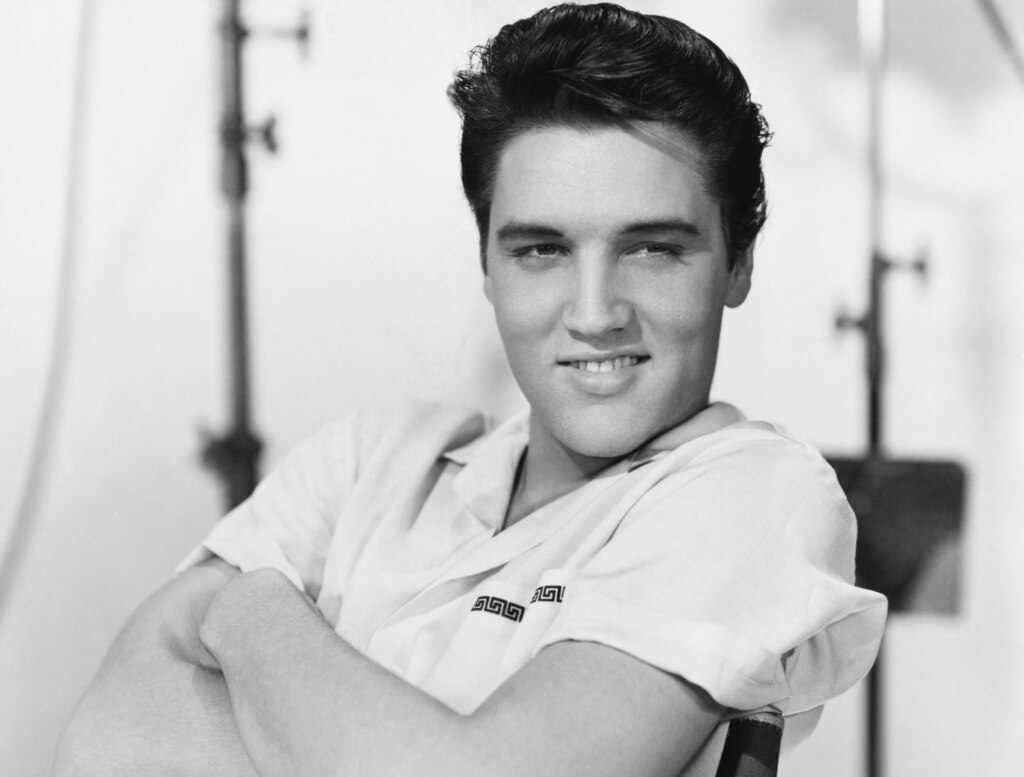
He was born in Tupel, and he lived and died in Memphis: for Elvis Presley’s 75th birthday, many visitors will flock to the idyll of a small town and a shopping temple.
Visit to Tupel and Memphis:
He is ‘King RocknRolla’. even for many people who have not experienced seeing his time on stage: Elvis Presley. January 8, 2010. A superstar would have turned 75. For many fans in the US, this is probably an opportunity to revisit some of the most important moments of his of life – for example, his birthplace Tupelo and his ‘Graceland’ in Memphis. The porch of the white bungalow is slightly crooked and worn. Straight ahead is the room where Elvis Presley was born on January 8, 1935. The interior is recreated with stylish furniture: a kitchen table covered with a green checkered canvas, a fireplace, worn wooden cabinets, an iron bed and a dresser with old-fashioned radio.
A black and white photo of two adults with a child hangs on the wall. It is Vernon and Gladys Presley with perhaps two-year-old Elvis Aaron. The similarity between father and son is unmistakable: they share the same facial features around slightly distorted smiles.
Birthplace of Tupelo
This birthplace could hardly move further away from the glittering commercialism of ‘Graceland’. Just about 120 kilometers, it shares the Memphis music metropolis in Tennessee and the small birthplace of Tupelo, Mississippi. But this sleepy town with traffic cargo trains has little in common with Presley’s glow of Memphis and Las Vegas. Tupelo tells a different story: that of Elvis a child, who grows up in extreme poverty in the deep south of the USA, with the then strict racial segregation.
Elvis’ birthplace is the biggest attraction we have in Tupel,’ explains Linda Elliff from the local tourist office. Every year, approximately 80,000 fans make a pilgrimage to a lovingly restored museum at the address Elvis Presley Drive 306. Vernon Presley had to borrow $180 to build a modest house. There was no electricity or running water. When her father was sent to prison, Gladys couldn’t keep the house. With its deep southern accent, described only as ‘on the hill’.
Church of God’s Assembly
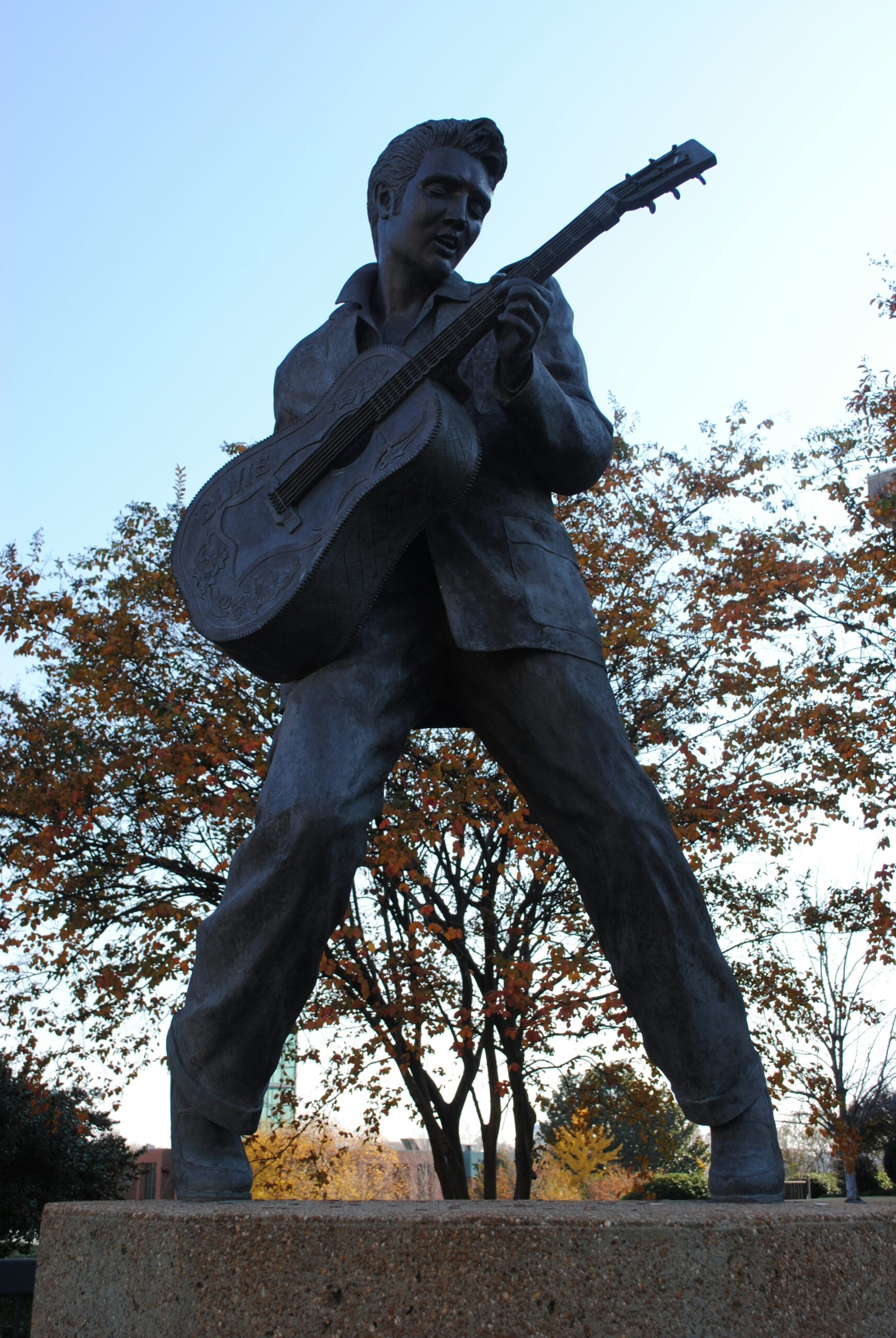
The city of Tupelo bought the birthplace and surrounding land with money collected and donated by Elvis at the much celebrated ‘home match’ in 1956. The bronze statue on the property shows Elvis as a 13-year-old with a guitar in his hand. His eyes are empty, but, ‘If you really get close,’ says museum director Dick Guiton, ‘come to life.’ It doesn’t work for everyone. The well-maintained park also houses the Elvis Presley Chapel and Memorial Museum, which describes the impact of rural life in Mississippi on him and his music.
The small, white wooden church, ‘The Assembly of God Church,’ which Elvis visited with his mother and where he first heard gospel music, was moved a few blocks to his birthplace. In a dimly lit interior, with about 30 wooden benches, the multimedia performance brings the audience back to the days of Sunday gospel prayers and songs of the 1930s and 1940s. Dick Guiton assures us that half of the floor is original, so Elvis has already walked on it as a child.
‘Elvis Presley’s Jewels’
James Ausbon and Guy Harris, Elvis’ childhood friends, are now older men with thinned gray hair. It is hard to imagine that Elvis today looks the same that he did not die at the age of 42. Men recount how they wandered Tupel with Elvis – to ice cream or to JohnnyWith the drive-in to share a cheeseburger.’Elvis Presley Sweethearts’, a 1950s fan club, also reunited. Some of the gray-haired elderly ladies walk with their sticks, but their eyes sparkle when they talk about Elvis and the time they waited, all dressed up, on the side of the road, hoping that Elvis would once again pass by Tupel in one of his cars.
The unobtrusive, brown brick building on Broadway in the industrial district of Tupela is Elvis’ shrine: hundreds of photographs, posters and Elvis decorations adorn the ‘ice house’. Everything here is decorated in pink and black, Elvis’s favorite colors. Abundant southern food is served: fried green tomatoes, catfish and banana pudding. Elvis was a big fan of cornbread with buttermilk, as people here remember.
Tupelo hardware
A block away is the ‘Tupelo Hardware’ sign, the store where Elvis received his first guitar at the age of eleven. ‘Before, he always emulated playing the guitar with a broom,’ recalls his childhood friend Sam Bell. Elvis’ mother saved some money and wanted to buy her son a bicycle. In the showcase of ‘Tupelo Hardware’ there was a rifle, which he preferred, but his mother did not. With the help of a salesman, they agreed on a guitar for $7.59 – and Elvis never let it go.
Elvis is omnipresent in Tupel. His favorite snack bars, former fairgrounds, primary and secondary schools, the library: everything related to Elvis and his first 13 years can be visited. However, the place celebrates its star without fanfare, grace or fireworks. Instead, it offers an unadorned behind-the-scenes look, into the roots of a future “King of Rock”nRolla’.
Memphis
In 1948, the Presleys moved to Memphis to a low-income apartment in Lauderdale Court. The three-bedroom apartment is open to visitors today on the anniversaries of the king’s death and birthdays. Elvis, who was shy at the time, practiced singing and playing the guitar in the laundry room. In the strictly segregated Memphis of the 1940s, the teenager sat on the steps of black gospel churches and absorbed lively music that came from them. He listened to the first black radio station, WDIA, and spent time in record stores and on the famous Beale street in Memphis, where the best blues bands filled the clubs.
At Ellis Auditorium, he observed the wild movements of black singers and was delighted with the spiritual and rhythm of church music. Black Gospel has always remained his favorite music. Even after concerts in Las Vegas, he would sing hymns with friends in the evening at the hotel.
‘Sun Studio’
Elvis was also omnipresent in Memphis – for example, in ‘Sun Studio’. In July 1953, an 18-year-old truck driver, who appreciated polished hair, flaps and extravagant clothes, brought four dollars there to film a country ballad. The ballad failed, but a year later, while having fun at the studio one evening, he recorded “ThatS All Right’ – an instant hit, and the rest is known. Thus began the career of a white man who sang like a black man, and whose swing of his hips drove the ultra-conservative American south into redness. Elvis’ music was controversial, his movements obscene He initially shared many opinions.
‘Sun Studio’ is now a protected attraction. Guided tours are available during the day, and normal recording work continues at night. John Mellencamp, Ringo Starr, Liz Phair and Bono from U2 work in a small corner building. Everything looks just like before: the tiles have turned yellow and dented, and Elvis’s microphone is also in the room.
Transportation by bus to Graceland
The bus runs from Sun Studio to Graceland on Elvis Presley Boulevard. On one side of the street, glamor and fame are commercially presented: Elvis planes and cars are on display, countless souvenirs and plates are available for purchase, and there are several exhibitions: Elvis in Hollywood, Elvis in 1968 and Elvis in private life. It is a kind of Elvis Disneyworld, organized and controlled by Elvis Presley Enterprises, who also manages all music and protection rights.
When his friend George Klein thinks out loud how the star, who was seriously ill in 1977, could help, the company’s spokesperson strongly intervenes: they are not here to discuss the death of rock idols. This is about his legacy, his success and his life. Klein then politely assures everyone that Star was a super guy.
Hotel broken heart
The house on the hill opposite the Elvis Fairgrounds, with its ‘Heartbreak Hotel’, beautifully depicts an adult Elvis. The white villa, which Elvis bought for himself and his family at the age of 22, is elegant, sometimes even luxurious, but certainly not ostentatious. Tour the house is a true Elvis journey.
It is furnished in the style of the 1970s, with many mirrors and angular shapes: a large piano in the living room, a small kitchen behind it, a billiard room on the ground floor and a room in the jungle with fur and palm trees.Mary-Beth Ivins, an Elvis fan from Fort Worth, Texas, stands at Elvis’s grave in the garden and cries. ‘When you see all these awards,’ he says, ‘golden plates, trophies, pictures and videos, these testimonies of incredible success, then the end of this man is even more tragic.’ He’s right.
Cover photo: Elvis Presley in 1958.jpg From the author: Unknown author, Public Domain, Via Wikimedia Commons