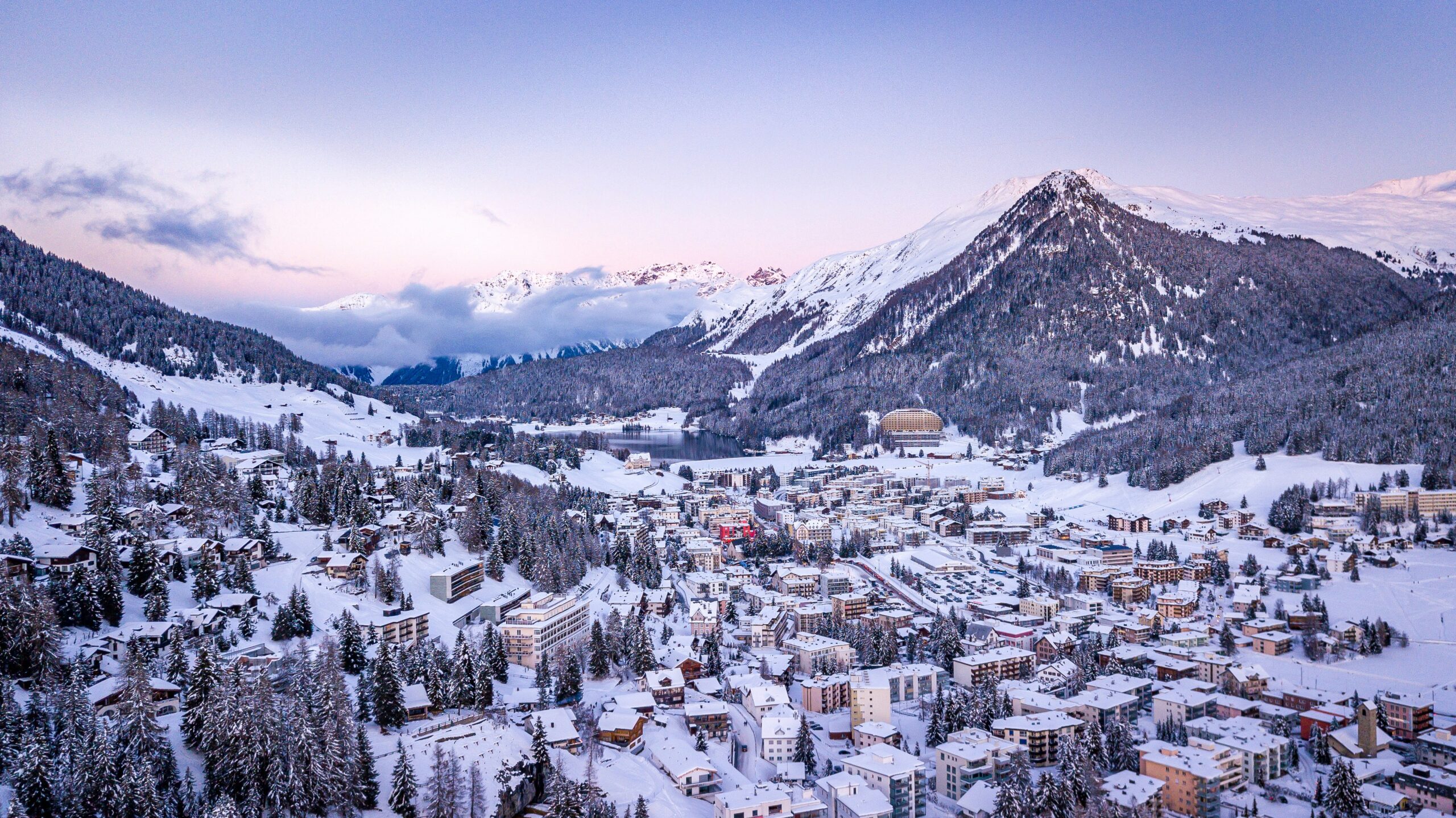
Davos has a magical appeal for winter sports lovers and the royal family. The highest European city offers fantastic descents, a toboggan run and a red railway.
The ski slopes in Davos and Klosters meet even the highest standards: Prince Charles, heir to the English throne, for example, is a frequent guest here in Switzerland. However, the local population strongly rejects the idea that Davos is just a ‘fleaky summer resort’ visited only by the rich and famous: ‘Davos is sporting’ – Britta Schnewlin of the Davos Klosters cable car is not the only one who firmly believes in it.
The first one arrived in 1897.
Winter sports have a long tradition in Davos. In 1897, the first three pioneers ventured to the Parsenna area. They struggled to get to the top, because there was no cable car yet. The first part of the Parsenn cable car was put into operation just a week before Christmas 1931, transporting about 300 passengers per hour. The drive to the high trail at 1889 meters, where the middle station of the cable car is today, lasted ten minutes.
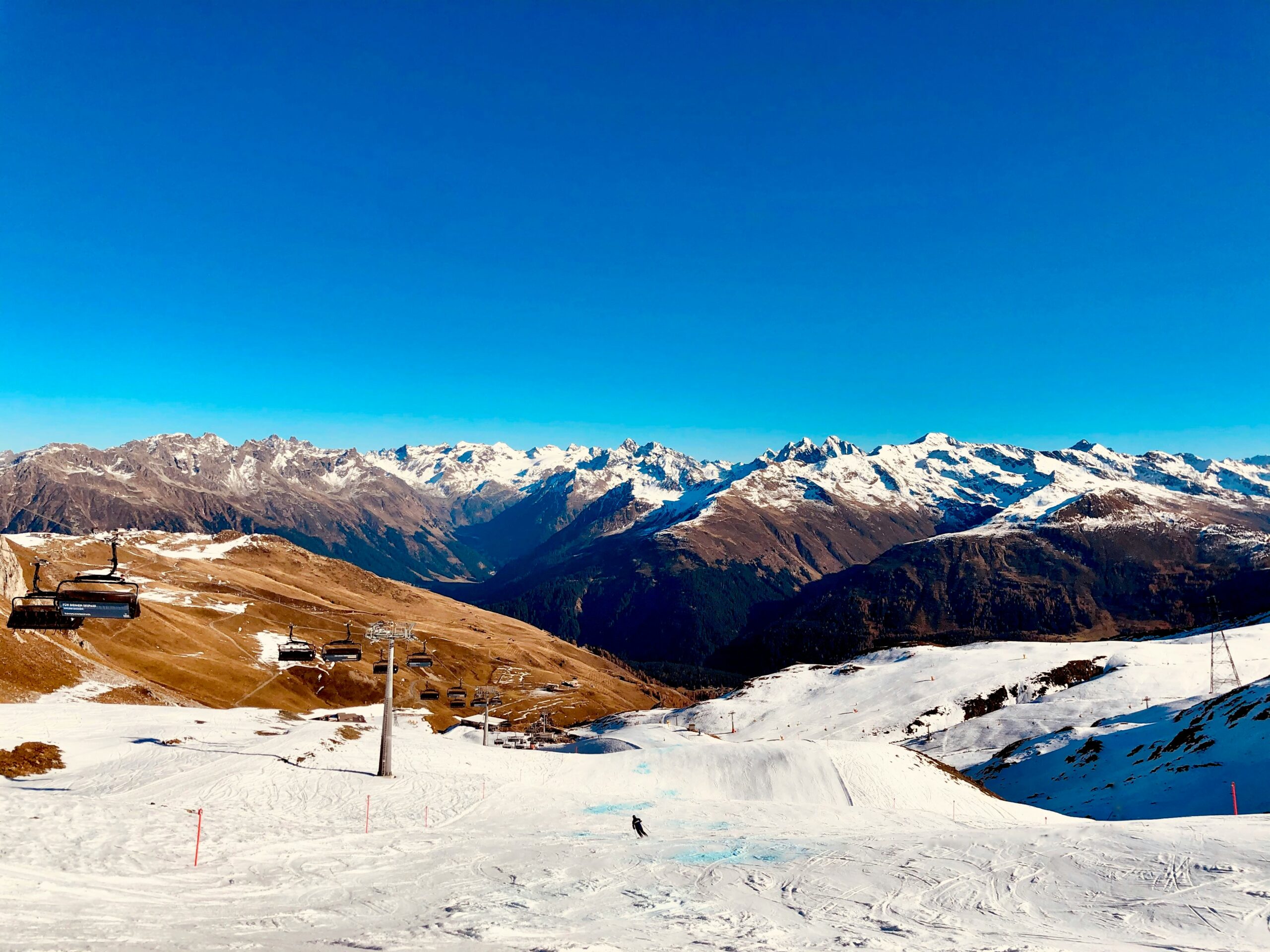
The funicular now climbs more than 300 meters in four minutes, transporting up to 2,200 people per hour. Winter sports fans can choose from five ski areas with more than 300 kilometers of slopes, from easy to really challenging. And if that’s not enough, Davos also has a network of cross-country skiing trails over 140 kilometers long.
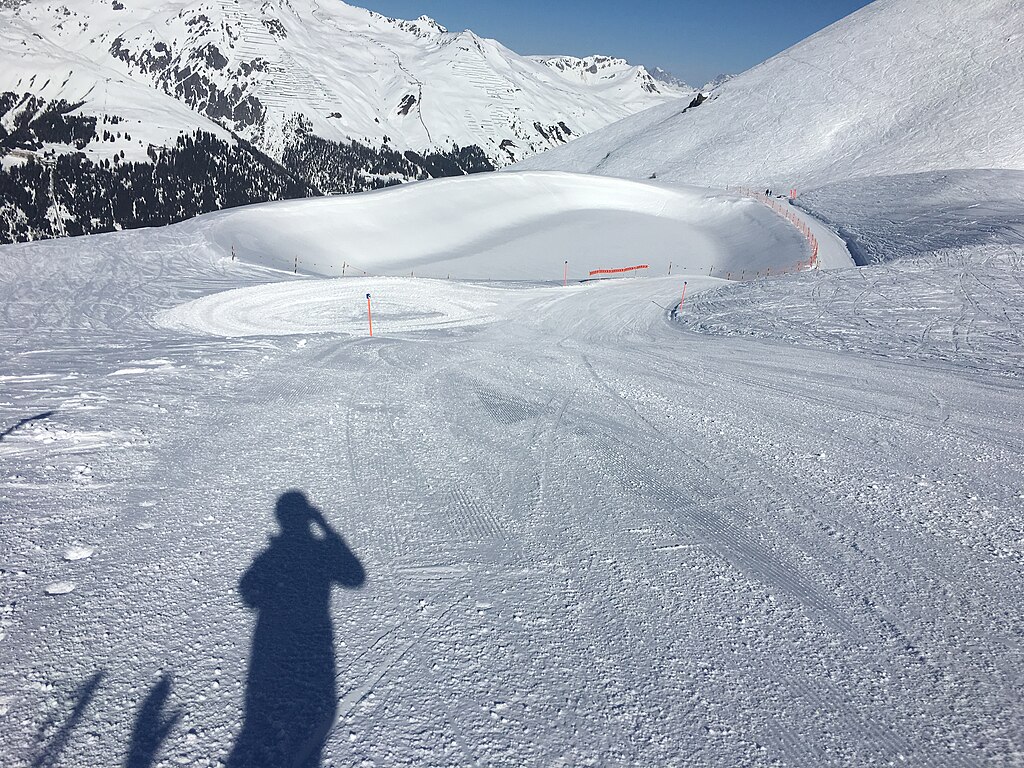
The Parsenna area is the largest of the five ski resorts in Davos, with 19 cable cars and 34 slopes. There is also a speed-gauge track, which the kids especially love: In the starting hut, for example, ten-year-old David takes his ski rods like a real runner and moves. Although they are not as fast as World Cup skiers, the boy and his eight-year-old sister Ester can still achieve speeds between 75 and 85 kilometers per hour on their skis. David and Ester think it’s ‘really cool.’ Two light barriers, a few meters apart, measure speed.
The highest point in the Parsenna area, accessible by cable car, is the Weißfluh peak 2844 meters high. From there it leads a twelve-kilometer descent to Küblis – without the need for another cable car. The descent into the valley, which is possible only when there is enough natural snow cover, covers an ascent of about 2000 meters.
Once you arrive in Küblis, the red railroad wagons take you to Klosters-Dorf station, and from there you can return by cable car Gotschnabahn to the Parsenn region. Alternatively, you can head to one of four other ski resorts in the Klosters-Davos region: Madrisa, Jakobshorn, Rinerhorn and Pischa. The regional ski pass also serves as a ticket for the railroad. Madrisa in Klosters and Rinerhorn are especially popular among families, says Schnewlin. There you will find not only ski slopes but also kilometers of toboggan runs.
The municipality in Graubünden has a population of slightly less than 12,500, but it is the second largest city in Switzerland in terms of area, larger than Zurich or Basel, for example. The 24,000 guest bed ensures that the city functions as a medium-sized city, at least during the peak season. Once a year, Davos even becomes the center of global attention.
change required
A vacation in Davos is still not the cheapest option. A six-day regional ski pass costs 285 Swiss francs (approximately 165 euros) for adults. Mountain Railways offer a 33 percent discount for youth between 13 and 17 and a 66 percent discount for children between six and twelve years. Boys and girls under the age of six travel for free.
With 1560 meters above sea level, Davos is the highest city in Europe. However, the operators of the cable cars had to deal with the bad mood of Mother Nature in the winter of 2006/07. Therefore, Davos Klosters Bergbahnen invested the equivalent of approximately 3.8 million euros in artificial snowmaking
Cover photo: Photo by Damian Markutt he unsplash