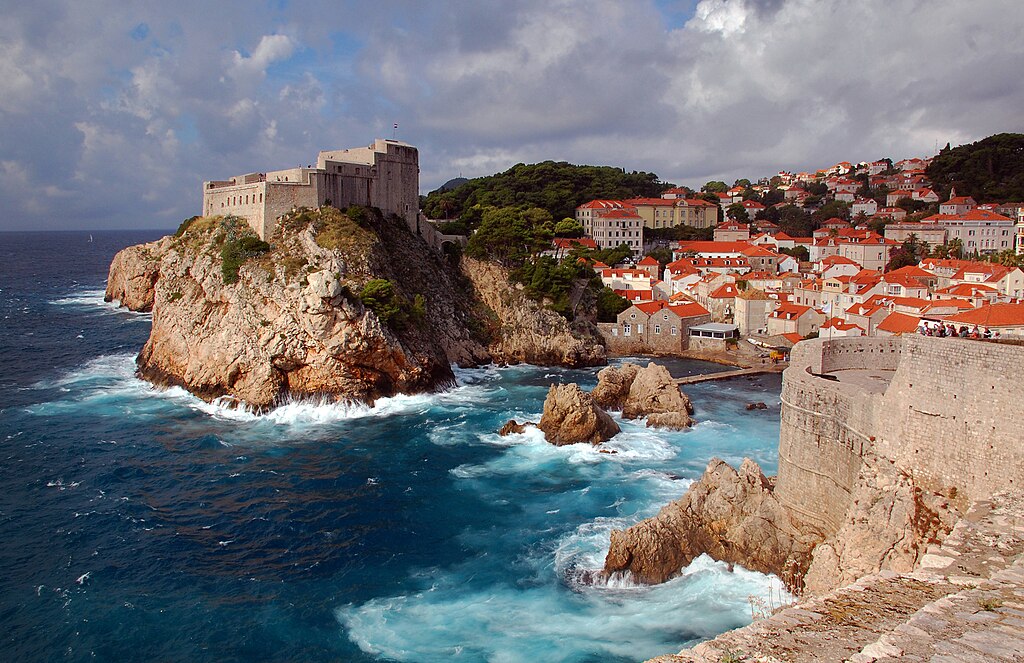
Untouched nature, Roman ruins and many beaches: Dalmatia offers diverse experiences. Split lures its narrow streets and idyllic squares. The islands of Brač and Hvar offer peace and relaxation.
‘Our city is the most beautiful city in the world,’ say the residents of Split. Many people probably see it that way when they look at their hometown. But anyone who visits this thousand-year-old city in Dalmatia quickly agrees. It is no coincidence that Split is on the UNESCO World Heritage List. The past is omnipresent there.
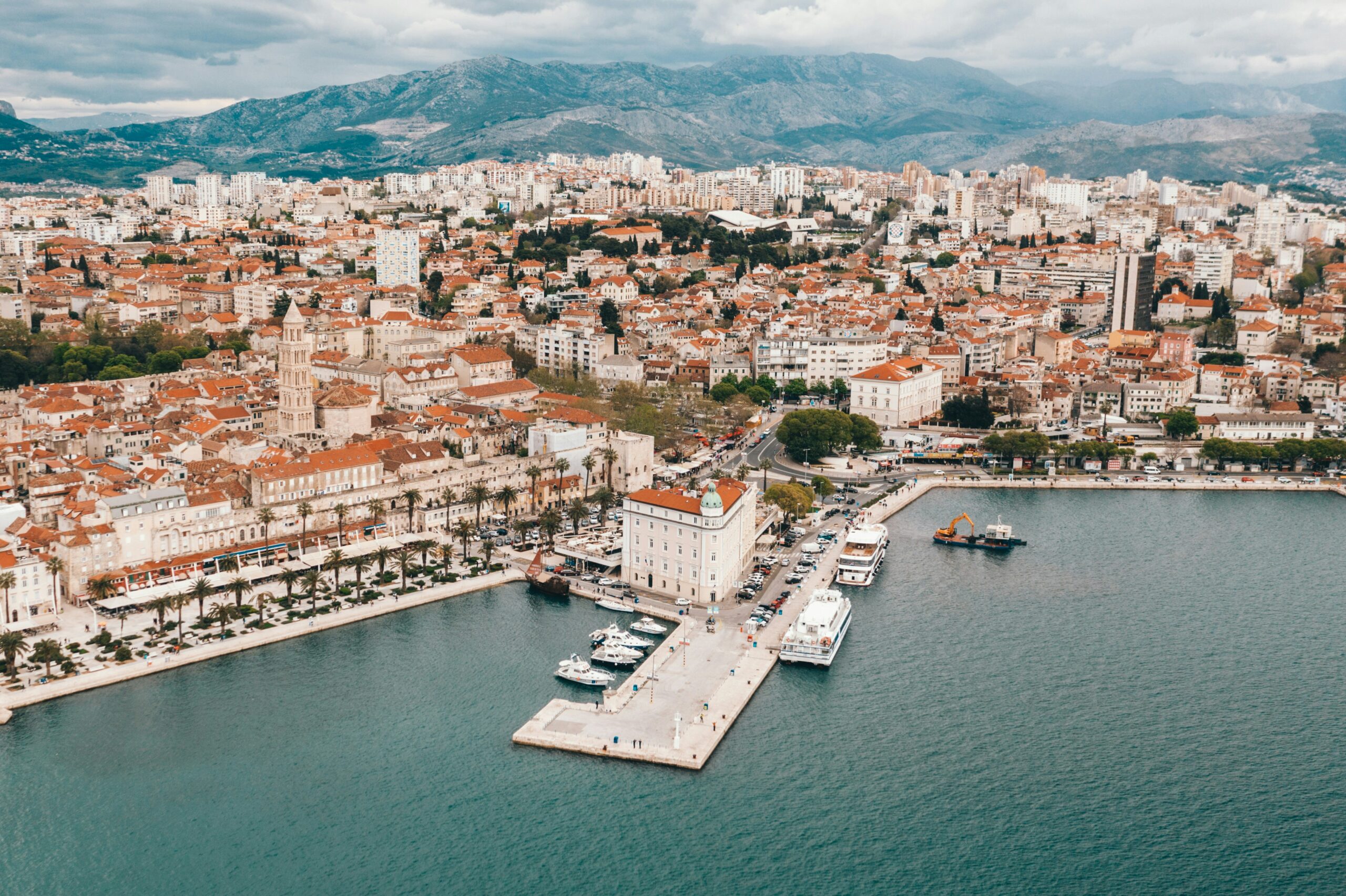
The city transports visitors to the world of narrow streets, between which idyllic squares and green oases punctuated by the sun’s rays open up unexpectedly. Foreign scents are mixed with the sounds of street musicians, while in the harbor the ships sway on the waves of the Adriatic that wash over the coast.
Behind the walls of the former Diocletian’s palace are private residences. The Roman Emperor Diocletian had a building on the surface of 30,000 square meters. From there, the city expanded over the centuries.
Brac – an oasis of untouched nature
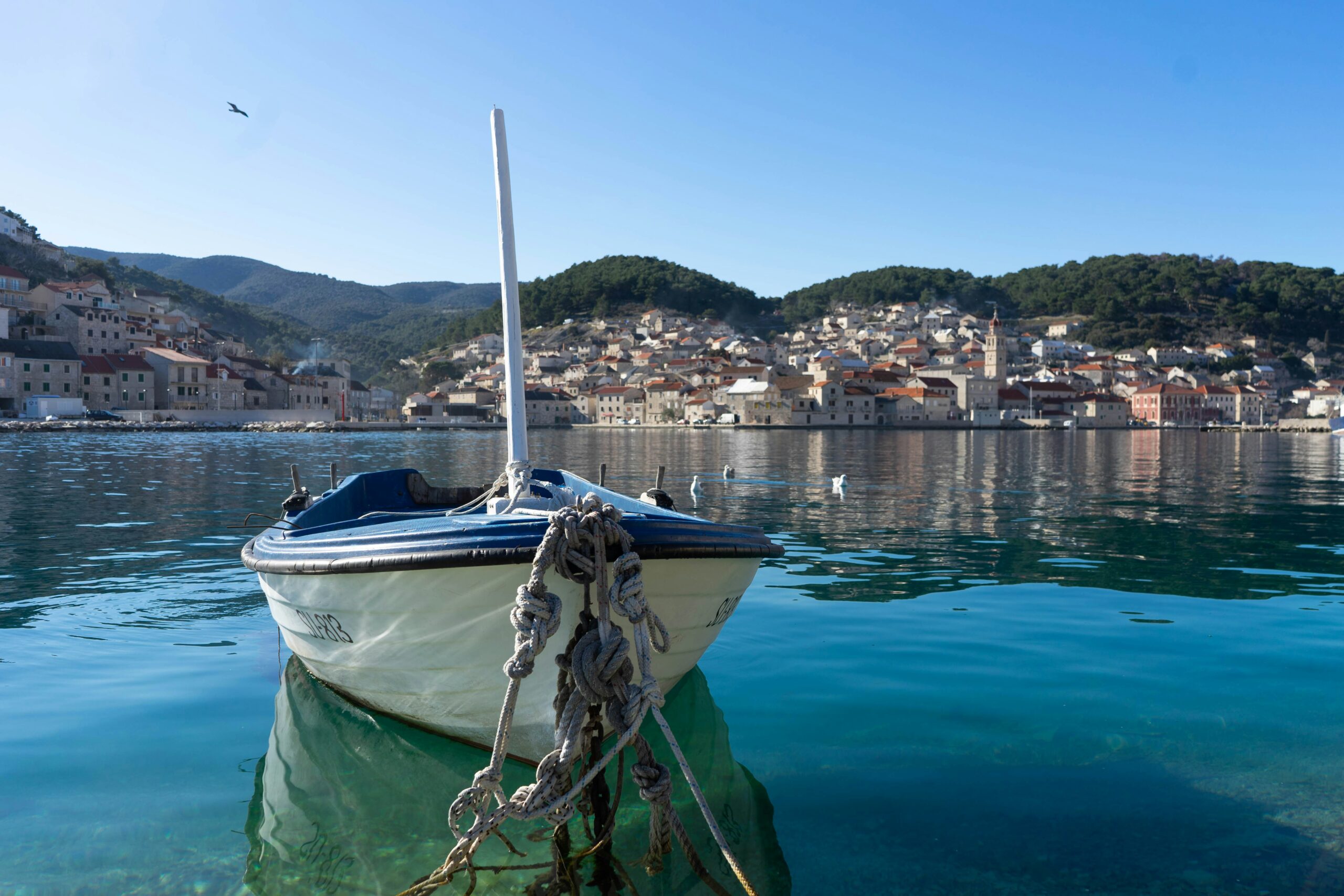
Only an hour’s ferry ride from Split is Brač, the largest Dalmatian island – an oasis of untouched nature and authentic architecture. ‘The island lives by and for stone‘, explains the tourist guide Ana Tomšić, supporting her statement, pointing out that the White House in Washington was built of stone from the island. Indeed, white stones play an important role in other areas as well. Even children here are trained in stone masonry schools to carve arts Structures of clumsy stones.
Joško Šantić is not particularly interested in stones; Prefers softer materials. Together with his wife, son and son-in-law, he makes soaps with the smell of rosemary, sage, peppermint or pine. It is so successful that handmade soaps are even exported to the US.
Behind a small soap opera, the vine settled next to the tangerine trees on the slope. Almonds, olives and figs are as much a part of the landscape as lavender bushes and cypress groves – the Mediterranean climate provides the plants with an optimal environment. But even in the summer it is not too hot, so active tourists will not sweat too much while hiking or cycling.
Cycling, riding, rafting: active tourism is booming
The peak of the tourist season is between mid-April and mid-October; Active tourism is also flourishing at that time. ‘Paradar sailing, hiking, cycling, riding and rafting are especially popular among our guests‘, says Mili Razović, director of the Tourist Board of the Split Region. And for those who prefer a quieter vacation, there are about 5,800 kilometers of coast on the islands and the mainland.
Tourists also find peace and quiet on the neighboring island of Hvar. There is no mass tourism here, except in August. The capital of the island, which bears the same name, is a museum in itself: here visitors who want culture will find the imposing fortress of Španjol, the Hvar cathedral, a theater built in 1612 and ‘loggia‘ from the 17th century, which is considered the most beautiful in all of Dalmatia.
By the way, Hvar enjoys all kinds of sports; While active types choose windsurfing, diving or hiking, others prefer a relaxed boat trip.
Cover photo: Edwardwexler at English Wikipedia, CC BY-SA 3.0, Via Wikimedia Commons