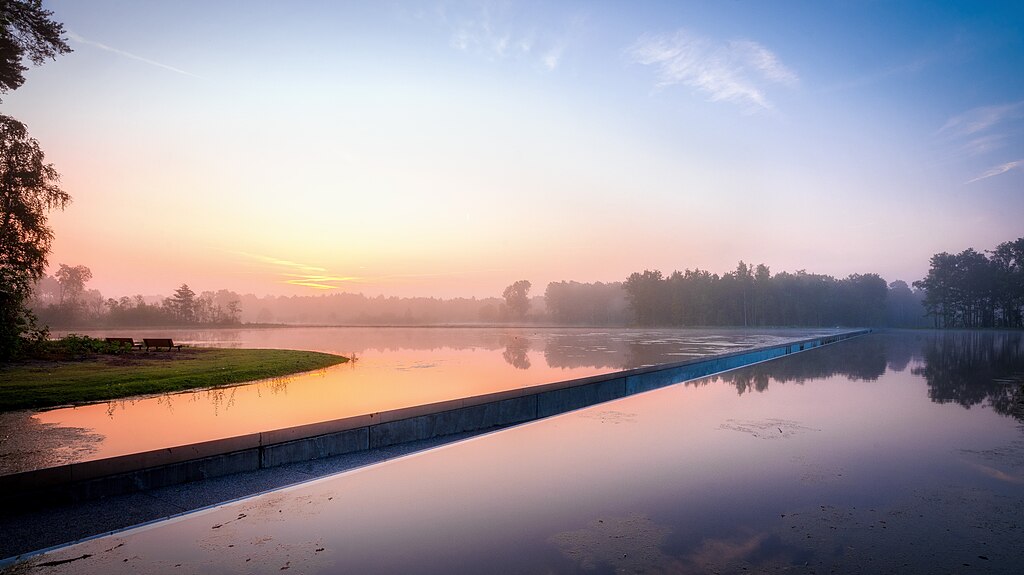
Since the mid-1990s, the network of bicycle paths in the East Flanders region has increased significantly. On the routes between mine mines and green waste dumps, old mining methods help navigate.
More than 2,000 kilometers of cycling routes form a dense network in the Belgian province of Limburg. There is no need for a long search on maps: cyclists track numbers to a total of 20,000 blue signs that guide them from intersection to intersection.
’96-97-98-91-71′ – what is read as a telephone number actually mentions the intersection of a bicycle route that leads from Hasselt, the capital of Limburg, to the largest Belgian open-air museum in Bokrijk. Before the start of the tour, double-digit numbers are written on a piece of paper that attaches to the forearm with a plastic band like a bracelet – and move.
From the mid-1990s onwards, the cycling network developed in the East Flanders region, which was previously dominated by mining. Today, only a few towers at the top of the mines and green debris landfills remain as reminders of that era. However, the idea for a network of connecting cycling routes arose in the mining industry. ‘Mining engineer Hugo Bollen wondered: Couldn’t such a numbering system, as was common underground in mines, be useful for cyclists above ground?’ explains Marc Verstraten of the Provincial Tourism Office.
Catering facilities for cyclists
More than 300 rural inns and cafes in Limburg now bear the quality label ‘Cycling-friendly facilities’. They not only offer bicycle repair kits, but also receive guests bringing their own food. If guests discover holes on the roads on their journey, they can register them via a free telephone line for users (within Belgium: 0800/969 67).
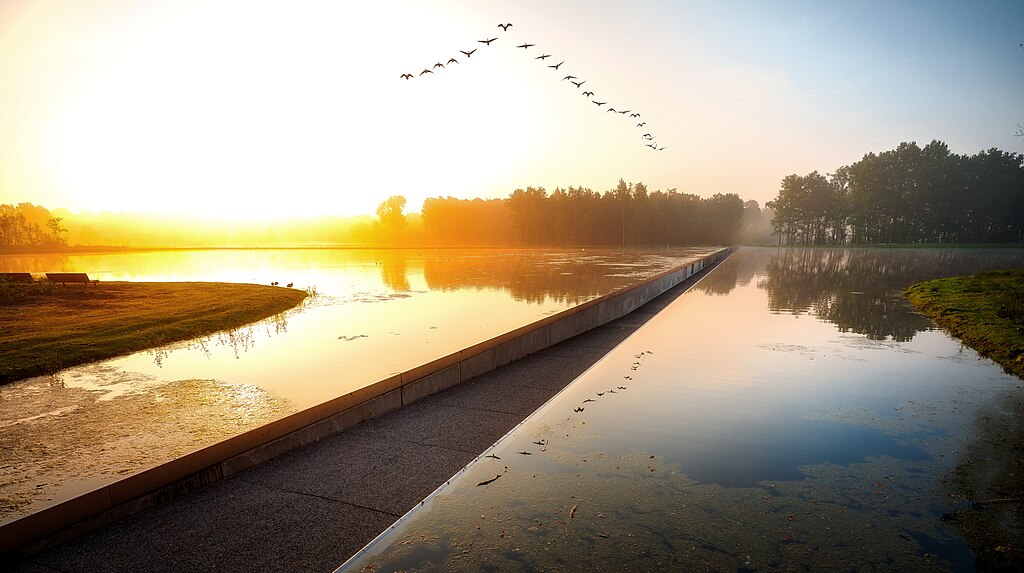
April to October is cycling season. Flat routes lead along the Meuse River, while more demanding cycling is common in the hilly region of Haspengau. Many trips begin in Hasselt. One of the popular destinations for cycling tours in Limburg is the Bokrijk estate, home to Belgian’s largest outdoor museum. Since 1958, more than 100 rural and building units have been renovated on the spacious estate as ‘Little Flanders’.
Living representations of traditional crafts
Parts of the Old Town of Antwerp have also been reconstructed. Antique furniture can be admired here, and just like in the old days, some houses are weaving, spinning, cooking and baking.
‘Many buildings were on the verge of complete destruction. Through the open air museum, we preserve part of Flemish culture and history from the Middle Ages to around 1910,’ explains guest relationship manager Liesbeth Schepers.
Reconstructed castle behind the moat
Another frequently visited destination in Rijkhoven-Bilzen is Alden Biesen Castle, a castle with a moat built in the 16th century, the beginnings of which date back to 1190. It is a castle, one of the largest complexes between the Loire and the Rhine, belonged to the Teutonic Knights.
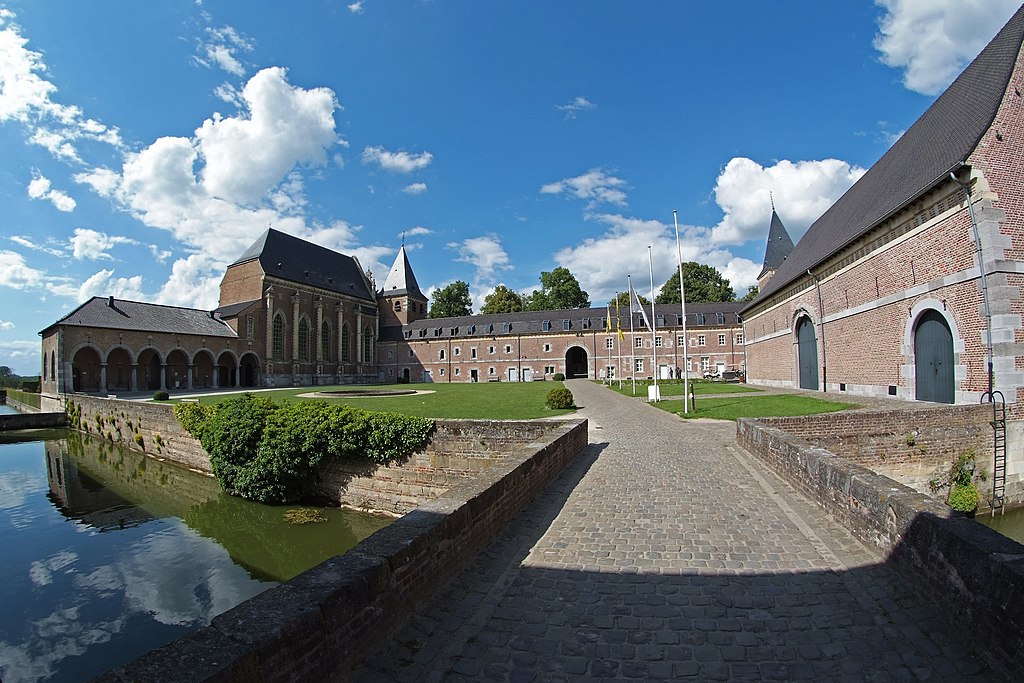
The current brick building behind the moats with barns and the French garden, however, is young: it was built after the devastating fire of the old castle from 1971 onwards as a complete reconstruction based on historical plans and photographs.
Cover photo: Visitlimburg.be, CC BY-SA 4.0, Via Wikimedia Commons