The island of Cuba offers much more than the capital itself, Havana. You can discover the local atmosphere in other places as well. Those who move away from tourist attractions will discover the other side of the island.
Cuba invests in its historic neighborhoods that generate foreign currency. Many tourists want to see boulevards, magnificent old buildings and theaters – even fans of ‘all-inclusive’ arrangements who spend their vacation on Varadero beach usually book a trip to the old town of Havana. But the colonial charm of Cuba can be felt not only there, but also in other cities: from Cienfuegos and Trinidad to Santiago de Cube in the Far East.
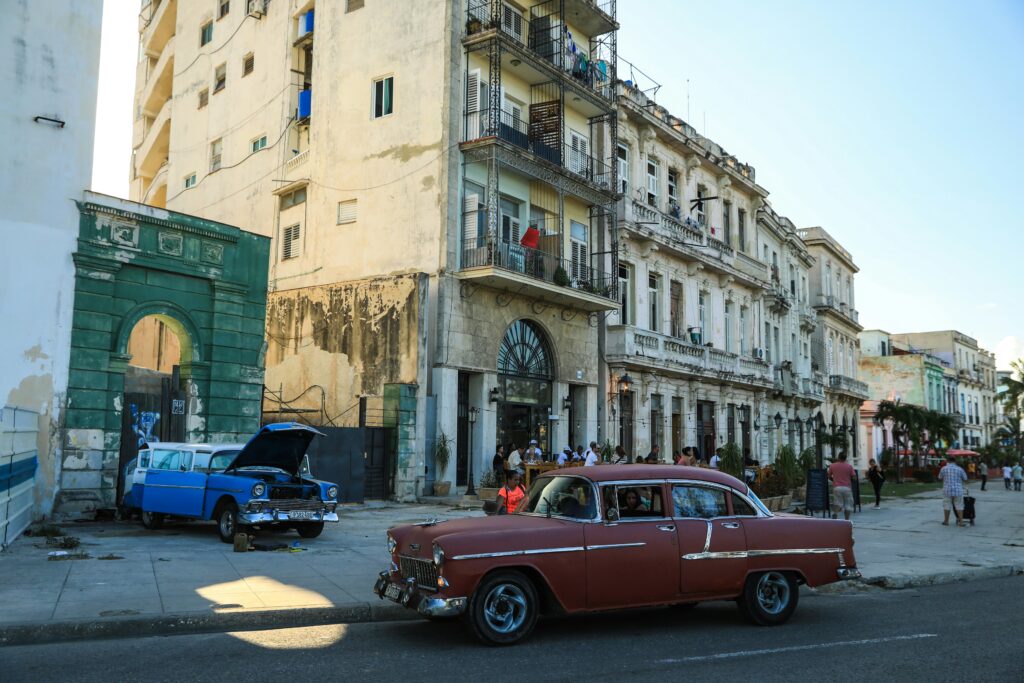
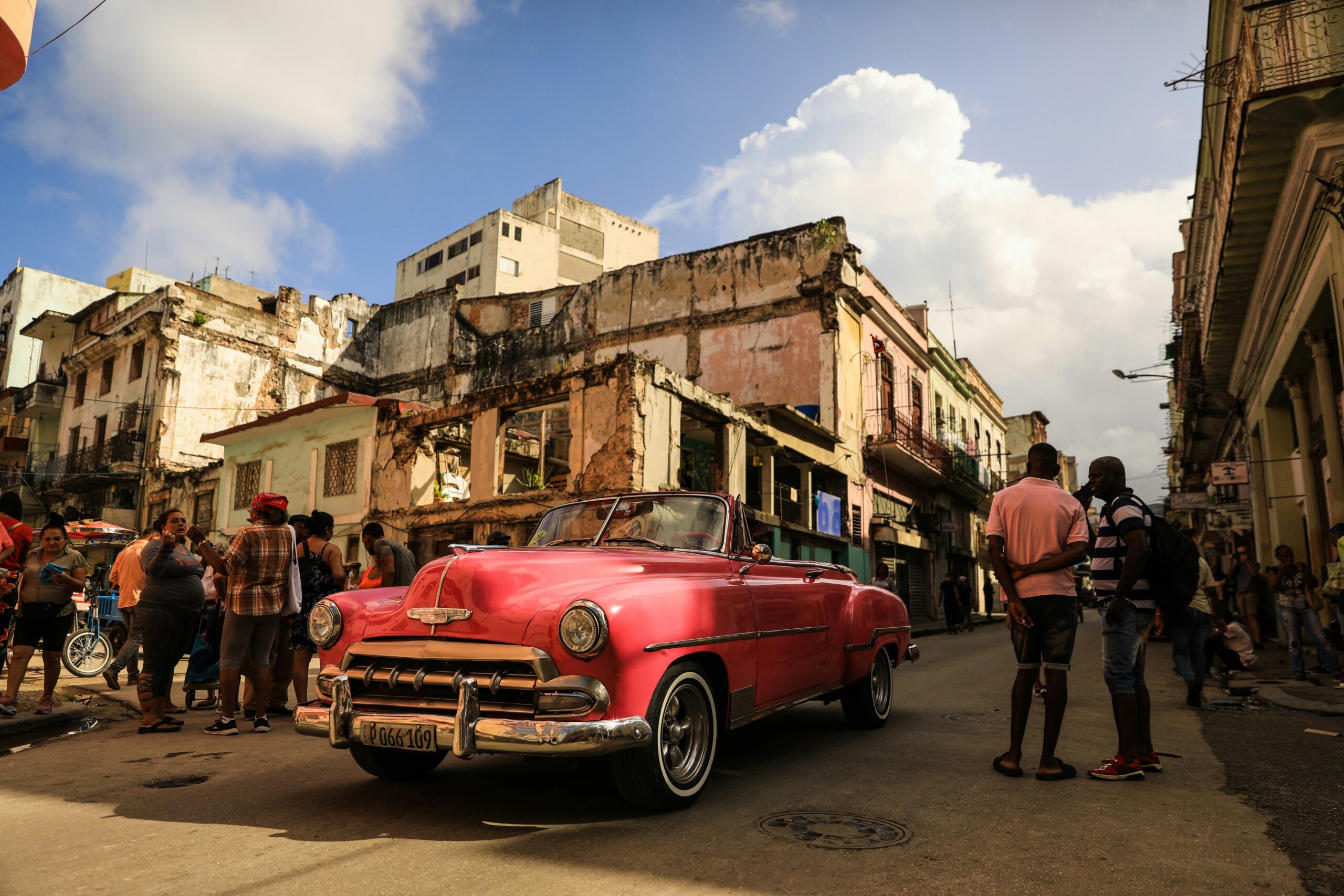
In Havana, contrasts are greater than in the rest of the country: between the Capitol and the cathedral, teams of workers rebuild historic buildings. But just a few blocks away, beams and planks support numerous staircases, ceilings and entire residential buildings that need repair or even threaten to collapse. And many visitors who turn off the tourist trail during a walk in Havana wonder: ‘When will the garbage pickup start?’ – a question that tourists face in the Santo Domingo districts in the Dominican Republic or Kingston in Jamaica.
Hidden Idyll in Trinidad
The ‘Outdoor Museum’ of Trinidad, like Cienfuegos, is located on the south coast. During lunch, there is hardly any place in the Plaza Mayor restaurant in Trinidad, not far from the square of the same name. Tourists from all over the world listen to squid, chicken, rice and beans of the band Trinitarios. Of course, they play the classic ‘Guantanamera’ and the song Comandante Che Guevara. Pictures and slogans of revolutionary heroes Che and Fidel Castro hang among the cobblestones, historic churches and ground-floor houses with renovated facades, wrought iron and floral decorations.
Trinidad was founded in 1513 by the sailor Diego Velázquez de Cuéllar, and it flourished until the middle of the 19th century during the reign of sugar barons. Valle de los Ingenios (Sugar Valley), with its plantations and lush nature, is on the UNESCO World Heritage List, as well as the Old Town. Despite the influx of visitors, every guest in Trinidad will find an oasis for walking, either in yards with arcades and fountains bubbling or simply on a bench in the park.
‘Casa de la Cultura’, for example, has several quiet corners. Susana Garcia exposes her pictures in one. He enjoys talking and explains his penchant for naive painting. A few blocks away, the House of Literature is a quiet place for chess and reading. A young tourist who currently checks the elderly local is surprising because, as his opponent assumes, he is not a chess skilled Russian, but an Austrian.
Tourism efforts
The Cuban Ministry of Tourism and German tourism operators are now making more intense efforts to encourage more guests to explore life, nature and culture outside the beaches and capital. Individual travelers also have good prospects. Domestic flights, car rental, air-conditioned buses ‘Viazul’, bicycles and train rides can usually be booked in the short term. However, car rental is often cheaper if booked in Germany. Due to delays, the train is recommended only to passengers with a lot of time.
Since 2005, the historic center of the port and industrial city of Cienfuegos has been on the World Heritage List. ‘This has greatly helped our tourism,’ says María de los Ángeles Guillén, general manager of a three-star hotel. A double room here costs slightly less than 60 euros. What the hotel manager lacks in foreign currency to buy fine ham and cheese for the breakfast buffet, she and her staff make up for it with local products and courtesy.
Evening activities
In the evening, the local population and tourists have a handful of choices. The boulevard lures its cafes and pastry shops. ‘Carmina Burana’ is performed today in the neoclassical theater in José Marti Park. The comedians and the jazz band receive enthusiastic applause on the adjacent terrace. Admission is free. Coffee and beer are not expensive from a tourist perspective. At 11pm, the nearby ‘Benny’ discotheque becomes crowded. Entrance is 3 convertible pesos for everyone, which is a good 2 euros. It is more comfortable and cheaper inside than in many comparable dance halls in the capital Havana.
Further east of Cuba, in Santiago, late at night from the art bar ‘Casa de la Trova‘ In Calle Heredia, a sleepy melody reaches the singer’s theme. The singer’s theme is a poor lover. For centuries, Santiago has been a combination of skin colors and cultures, thanks to numerous sailors and immigrants from other Caribbean islands. The city is also the cradle of many musical of styles, and the most significant is Son, who became known all over the world through “Buena Vista Social Club.” Furthermore, Santiago residents claim that everything here is “Más Caliente” – much hotter – and more beautiful than in Havana: music, women, Galleries, rum production and even July carnival.
Many visitors to Santiago follow the trail of the revolution. Fidel Castro tried to overthrow the dictator Batista by attacking the Moncada barracks on July 26, 1953. It was a suicide mission, but Castro survived. At the beginning of 1959, he stood on the balcony of Santiago City Hall and declared the victory of the Revolution. Cuartel de Moncada is now one of the many museums in the former capital of the island, which enjoyed great international importance as a port and commercial metropolis.
Havana – a must-see place for Cuban tourists
Other cities, like Holguin near the north coast with beach resorts like Guardalavaca or the sleepy Baracoe in the Far East, also offer boulevards, parks and a truly Cuban atmosphere. But an unavoidable place for all Cuban tourists is and remains a historic Havana, one of the oldest Spanish colonial settlements with many baroque and neoclassical buildings.
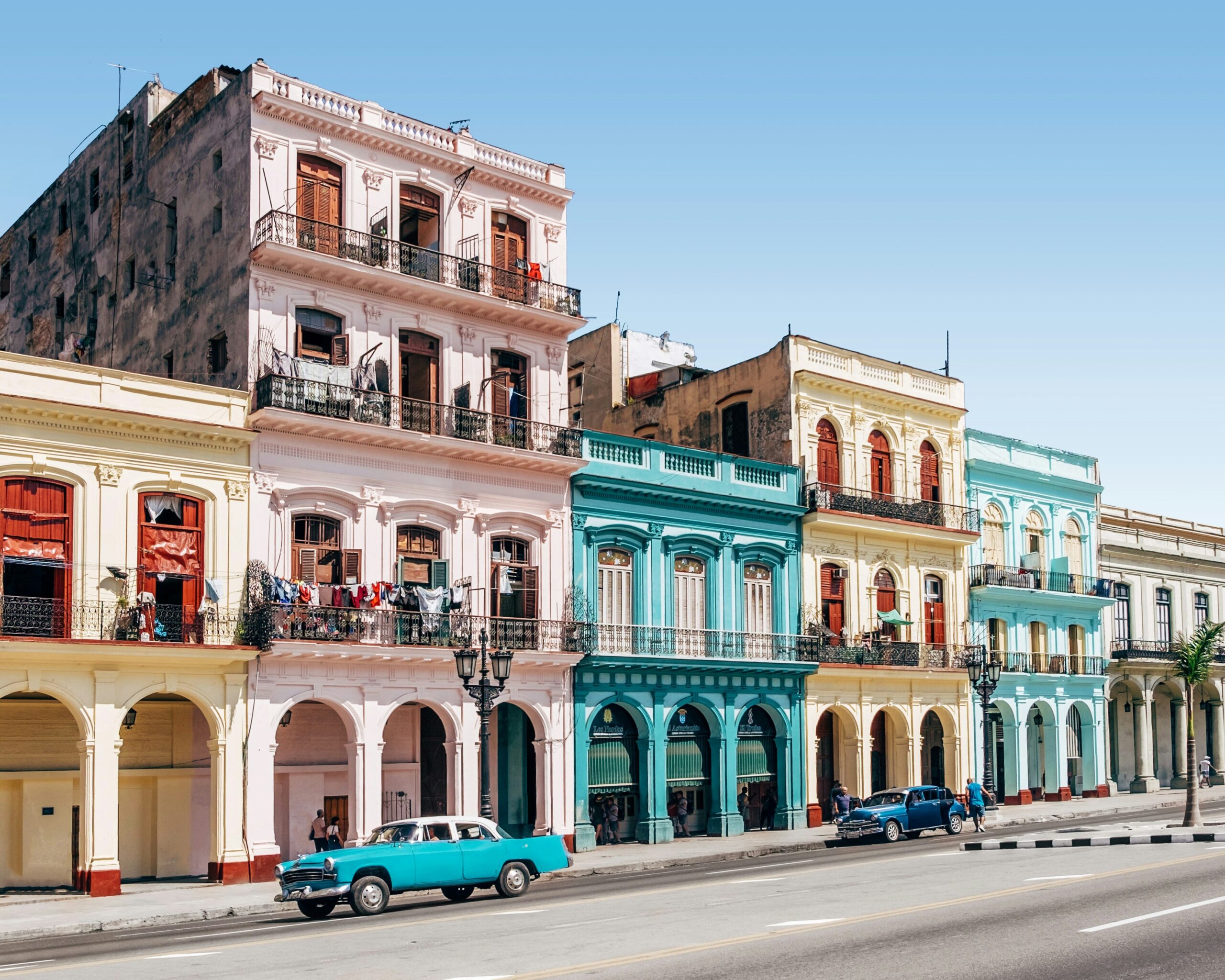
The visible progress in the conservation of buildings in ‘Old Havana’ is largely thanks to the conservator of the monument, Eusebiu Leal. A communist with entrepreneurial skills and creative freedom, Leal has known for more than two decades that the preservation of historic buildings and squares attracts tourists and generates foreign currency for further restoration. Among the attractions of the Old Town are Hotel Ambos Mundos and the bars La Bodeguita del Medio and El Floritita, where the writer Ernest Hemingway often slept and drank his mojitos and daiquiries in the 1930s.
taverns and cafes
Plaza Vieja, one of the oldest markets in Havana, is currently being renewed and regaining its former glory. Most of the buildings have already been renovated. Beer is brewed in Taberna de la Muralla, and the historic truck is parked between the tables and the long bar as an attraction for views. Fresh, light and dark beers flow freely inside and outside. Prices are cheaper here than at Hemingway’s two leading bars, which massively produce cocktails for small and large groups. And across the street, the Escorial cafe lures guests with crunchy ice cream, cheese cake and cappuccino.
Four streets away, the house also has a history, but the plaster is peeling a lot. The toilet is dirty. On the other hand, coffee costs much less, and its taste is somehow different than usual. Cubans here drink rum and smoke cheap ‘popular’ cigarettes, chat loudly and enjoy the rare tourists who come to taste the authentic Cuban atmosphere. The older, chubby woman next door explains: ‘We had to move out of our apartment building six weeks ago because it threatened to collapse. Everything there is now closed. We were lucky and we were assigned another, nicer apartment.’ And that is part of the reality that tourists in Colonial Cuba face.
Cover photo: Photo by Dylan Shaw he unsplash