They belong to Great Britain, but not the EU. On the Channel Islands, the world is a different story. Only the leader of the island is allowed to hold sconces, French restaurants resemble English pubs, and there are even ghosts.
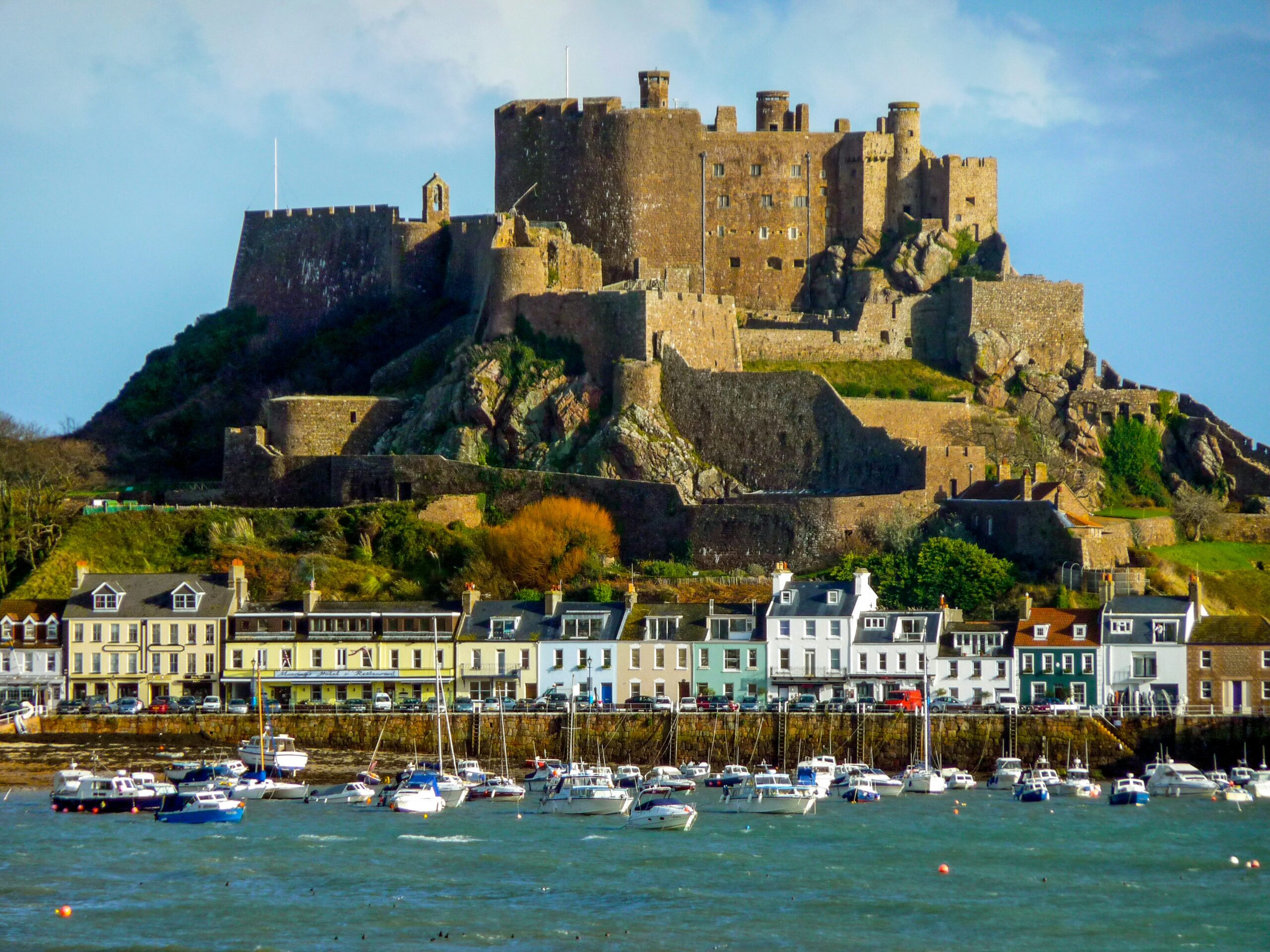
Shooting starts at noon. From the port fortress of Castle Cornet, the thunder of cannons echoes through the streets of St. Peter Porta. The ‘breaking ceremony’ is an indispensable part of the everyday life of the Guernsey metropolis. It is dedicated to the royalist governor of the island in the 16th century.
At the same time, however, it soundly captures the proud independence of this English Channel Vacation Paradise. Subtle strangeness and adventurous history unite the Channel Islands. This includes Jersey, the largest and busiest, Guernsey with its vibrant St. Peter Port and the Islands belonging to his administrative district, Alderney, Herm, and a particularly unusual Sark.
Victor Hugo (1802-1885) once claimed that the archipelago in St. Little is nothing but ‘a piece of France that fell into the sea and was raised by England’. The islands had already ‘fallen away’ thousands of years ago, when the sea level rose and when the Atlantic tides separated them from Normandy. This ‘dismissal’ happened at the beginning of the 13th century, when England was forced to cede Normandy to France. At that time, the local rulers of the island – attracted by London with wide autonomy – placed themselves under the protection of the English royal family.
EU tax haven
This remains the basis of the peculiarities of the Channel Islands, which are subordinate to the British crown, but do not belong to Great Britain or the European Union. They are tax havens for their residents, who pay lower taxes than other Europeans, and for investors from all over the world. They are not refuges for fraudsters: when tax evasion is suspected, islands cooperate with other countries. Tourists take advantage of financial benefits in duty-free stores and when buying perfumes. Prices in restaurants and hotels, however, differ slightly from those in the UK.
Victor Hugo, an eloquent creator of works like ‘The Notre Dame Hunchback’ and ‘The Poor’, once escaped from Napoleon and stayed for 15 years. Partly because everyone on Guernsey spoke Patois, a Norman French at the time, Guernsey quickly became his second home. Patois is rarely heard today. Although street names are French, they are pronounced in English.
The last feudal empire in Europe
The road uphill from the Cornet castle to Hugo’s villa, today a museum worth visiting, leads past the church of St. Peter Port. This 11th century church is located just inches from the Albion House pub and is entered in the Guinness Book of Records as the church closest to the pub in the world.
If you decide to stay in Alderney, Herm, Sarka or one of the two larger islands, it’s a matter of taste. However, a trip to Sark is a must. About 45 minutes after setting sail from St. Peter Porta, visitors land in another world: ‘Welcome to the last feudal kingdom in Europe,’ says Sarah La Trobe. However, the owner of the smallest horse-drawn carriage on Sarka cannot greet her guests like this for a long time: democracy will soon prevail here. According to the referendum among the 600 islanders, the fate of the island, which is located approximately 130 kilometers from England, is soon decided by the parliament. The elections are scheduled for the end of 2008.
Leader of the island with fertile bitches
Until MPs decide on a different form of government, Lord Sarka will remain the leader of the island – S, among other privileges, by the exclusive right to breed pigeons, hold unsterilized females and receive a share from each sale of land. At the moment it is the very popular 80-year-old John Michael Beaumont. He doesn’t think much about new times: all the inhabitants of Sarko, he says, have a peaceful and profitable life thanks to agriculture and tourism.
Although the cuisine of the island is a mixture of French cuisine and the comfort of pub style, the range of accommodations ranges from camps to elegant hotels and holiday suites amid ‘typically British’ gardens. ‘Mille Fleurs’, where David and Jane Russell offer self-preparation houses, was declared one of the most beautiful. “We have many regular guests, especially from Germany,” explains Jane. Here, I can admire what the British Bible of the Outer Style, ‘Country Homes & Interiors,’ is praised as ‘the spectacular harmony of exotic and domestic plants.’
German souvenirs
The range of island excursions includes cliff hikes – for example, next to Moulin Huet Bay, painted by Renoir – as well as tours of prehistoric remains such as passing graves and Druid altars. And the recent past has left its mark: during the Second World War, the German Wehrmacht had more than half a million cubic meters of concrete on the islands built to create bunkers, ramparts and underground command points. Destroying these reminders of the almost five-year German occupation would be too expensive. Therefore, they are allowed to heal and are used as observation posts and museums.
Monsters fit into a typical British theme: haunted places. ‘Of course we have spirits,’ says Peter de Sausmarez, a descendant of a feudal family who settled on Guernsey in 1220. Anyone who stays in Sausmarez Castle ‘will surely meet the nanny of their ancestors one night’. Fortunately, the ghosts on the islands are as harmless as the cows of Guernsey, known for their particularly rich milk.
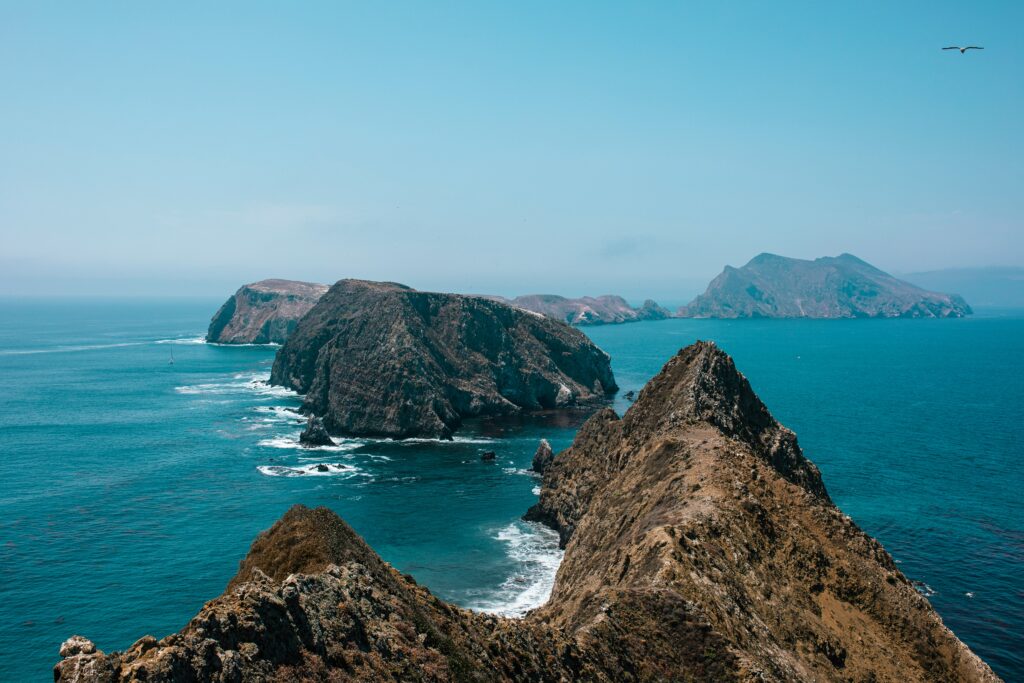
Cover photo: Photo by Lisha Riabina’s he unsplash